Ischemia-reperfusion injury adds to graft dysfunction after liver transplant, but hypothermic oxygenated perfusion has been shown to improve liver function.A randomized trial showed that back-to-base portal-venous hypothermic oxygenated perfusion for extended-criteria donor livers improved outcomes after liver transplant compared with static cold storage alone.The perfusion strategy also led to shorter median hospital length of stay, an important clinical outcome.
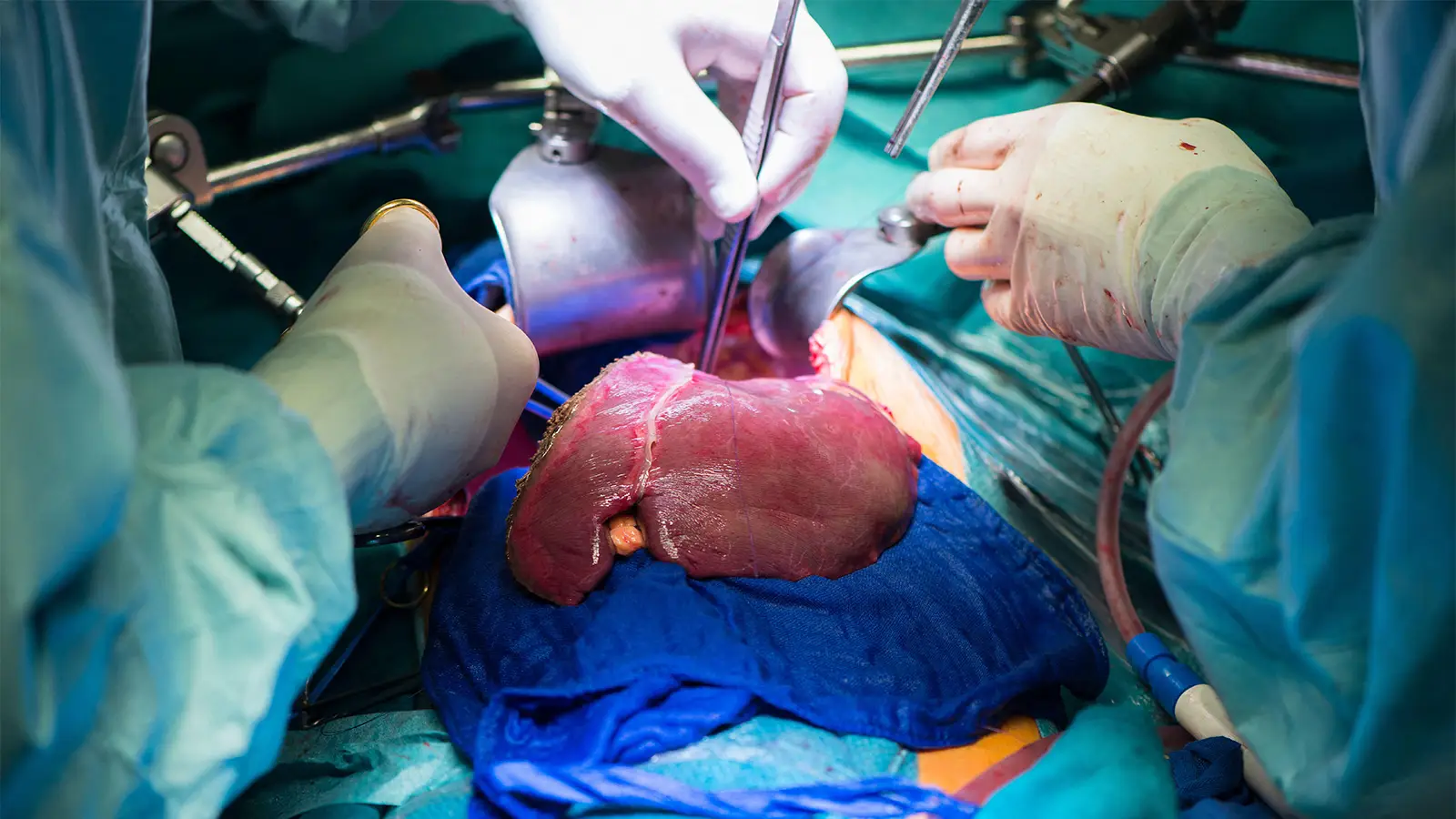
Organ preservation using back-to-base portal-venous hypothermic oxygenated perfusion (HOPE) for extended-criteria donor livers improved outcomes after liver transplant compared with static cold storage (SCS) alone, a randomized trial showed.
Incidence of early allograft dysfunction (EAD) occurred in 20.2% of patients in the HOPE group versus 37.3% in the control group (noninferiority P<0.001, superiority P=0.005), reported Andrea Schlegel, MD, of the Cleveland Clinic, and colleagues.
HOPE also led to a significantly lower model for early allograft function (MEAF) score, with mean scores of 4.28 versus 4.82 in the control group (P=0.03), as well as a shorter median hospital length of stay (8 vs 10.7 days; HR 1.32, 95% CI 1.01-1.73, P=0.04).