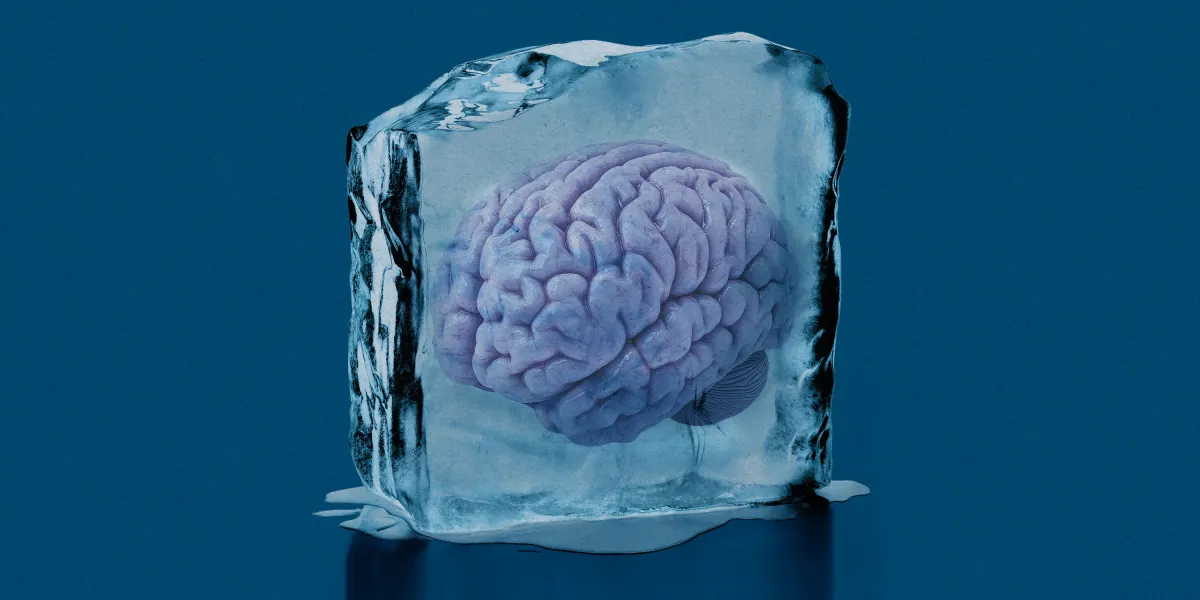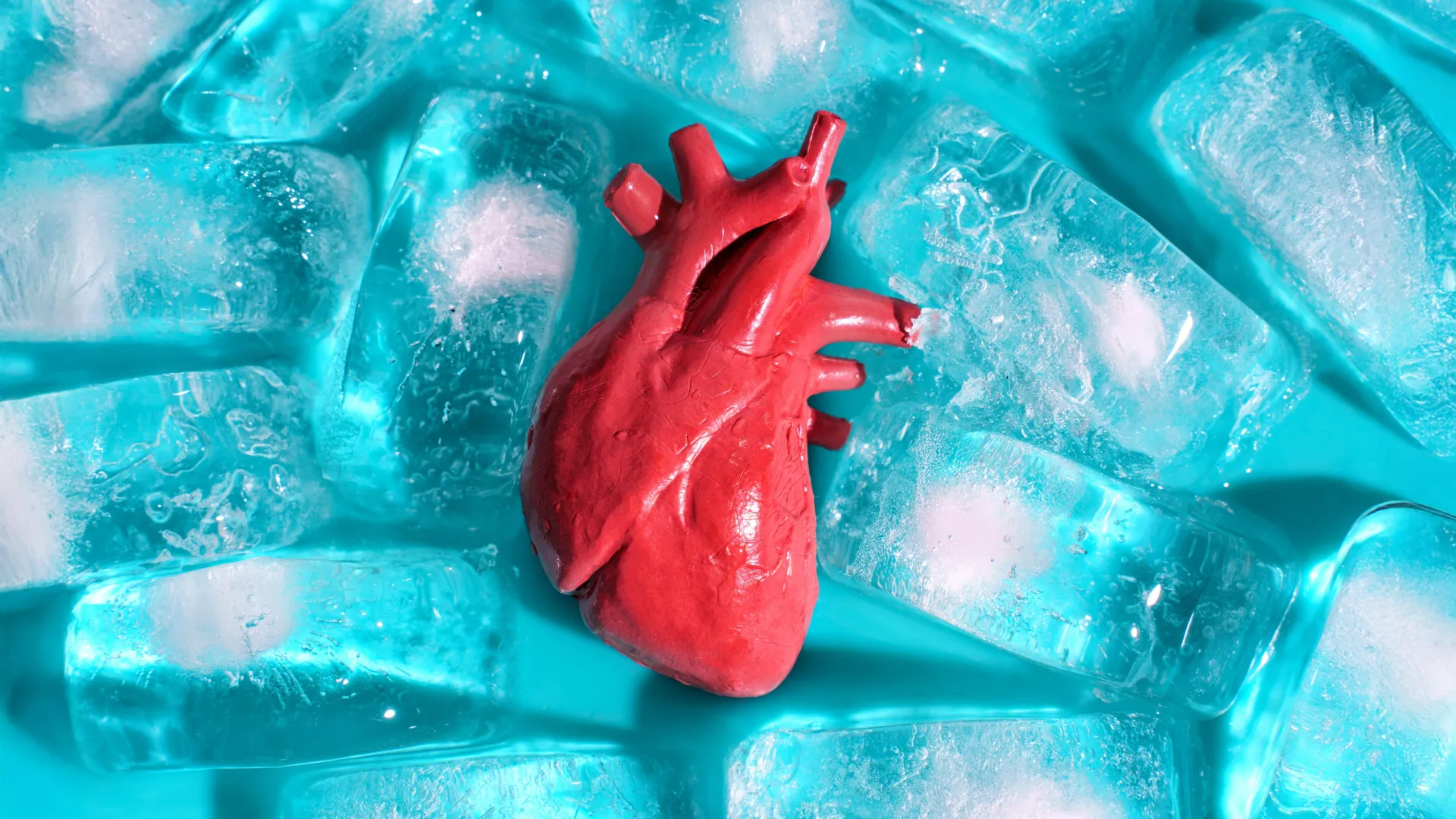
Cryopreservation, the process of preserving biological tissue by cooling it to extremely low temperatures, often sounds like something out of science fiction. In reality, scientists have been studying and refining this technique for nearly a century. Progress remained slow for decades, but that began to change in 2023, when researchers at the University of Minnesota successfully transplanted a cryopreserved kidney into another rat. That milestone demonstrated that frozen organs could one day be used in human transplants.
Despite that progress, preserving larger organs remains a major hurdle. One of the biggest problems is cracking, which can occur when tissues are cooled too quickly. These fractures can damage the organ and make it unusable, making crack prevention a critical goal for advancing organ preservation and transplantation.
A team at Texas A&M University, led by Dr. Matthew Powell-Palm from the J. Mike Walker '66 Department of Mechanical Engineering, has introduced a new approach aimed at addressing this issue. Their research outlines a method that could reduce the likelihood of cracking during cryopreservation.
Vitrification and the Role of Glass Transition Temperature
To keep organs viable outside the body for longer periods, scientists rely on a process called vitrification. This technique involves cooling tissue in a specialized solution until it enters a glass-like state. In this condition, cells are effectively "frozen in time" without forming damaging ice crystals.