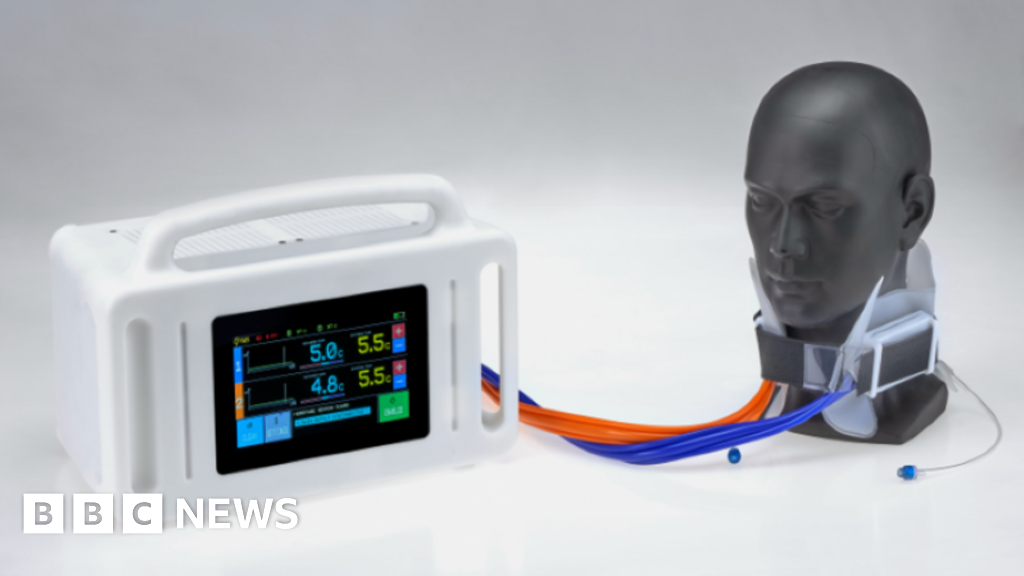
The next great stroke treatment might borrow a bit from science fiction. Research out today shows that keeping someone on ice might help protect their brain from stroke-related injury. Scientists at the Beijing Institute for Brain Disorders in China and others used a two-drug combination to clinically induce hypothermia in both lab animals and people. In animals, lowering body temperature appeared to slow metabolism and delay the development of brain damage from a stroke, while the treatment seemed to be safe and well tolerated in an early trial involving stroke patients. The researchers are now calling for larger trials of induced hypothermia to treat stroke and other similar conditions. “Hypothermia and hypometabolism hold promise for helping patients with acute severe disease,” the researchers wrote in their paper, published in Science Translational Medicine. Freezing a stroke As dangerous as hypothermia can be, scientists have long wondered whether it could be used to help treat a variety of medical problems. Lowering body temperature can also slow cellular metabolism, which may in turn prevent or at least limit the destructive processes that some cells undergo during certain medical conditions like stroke.
Scientists Are Trying to Freeze Strokes Before They Damage the Brain
In experiments with mice, monkeys, and people, chemically induced hypothermia showed promise in reducing brain injury from stroke.
582 words~3 min read