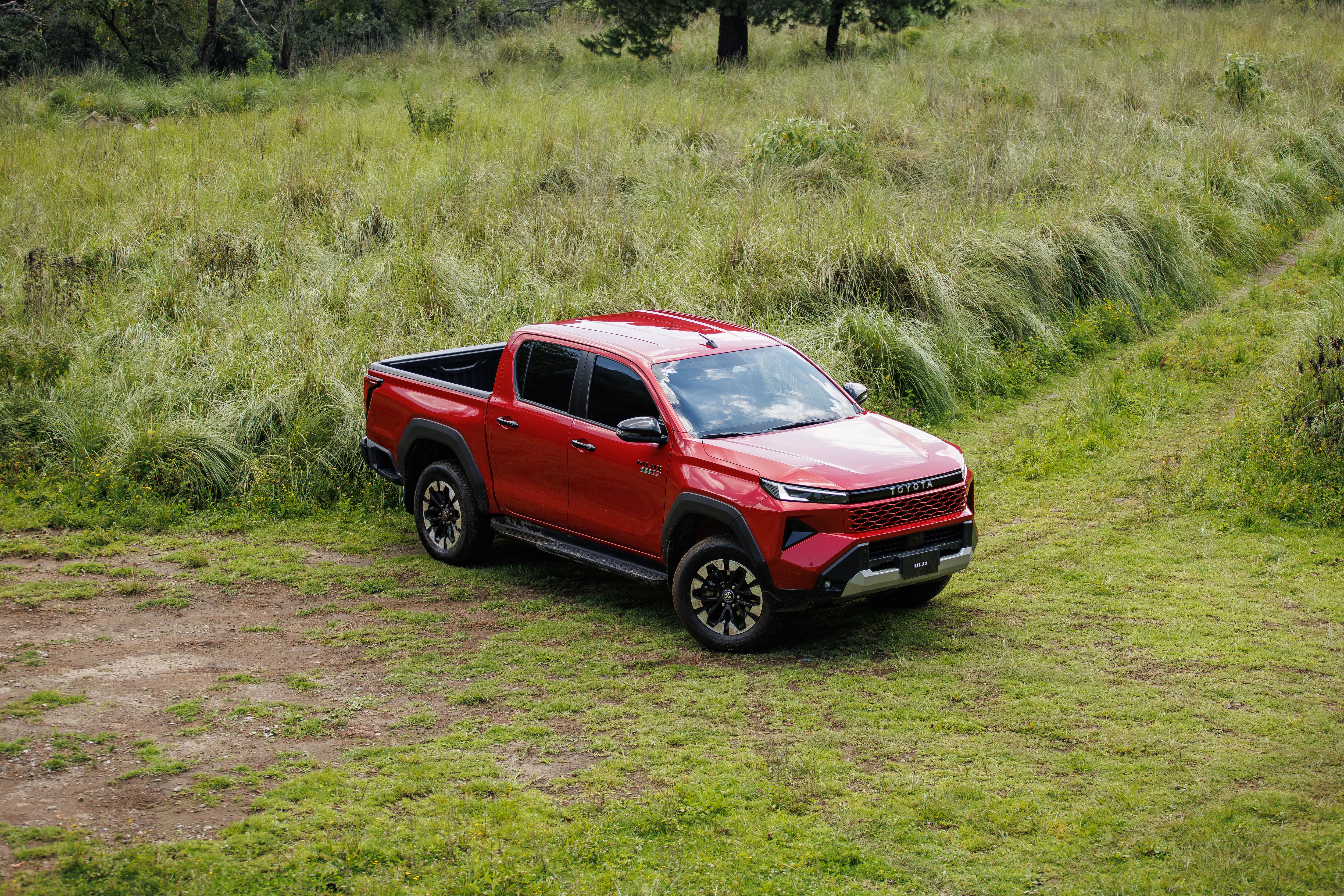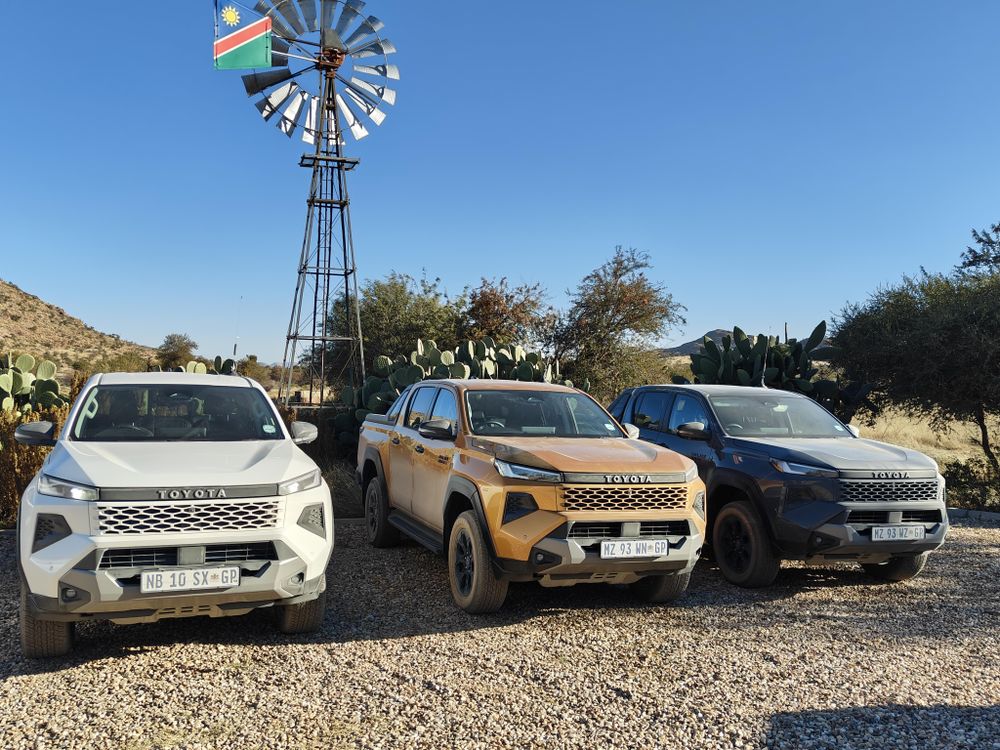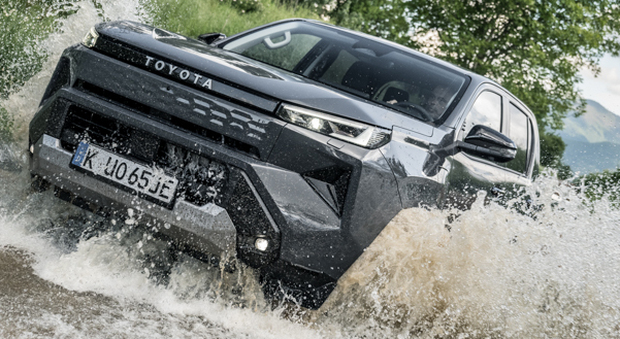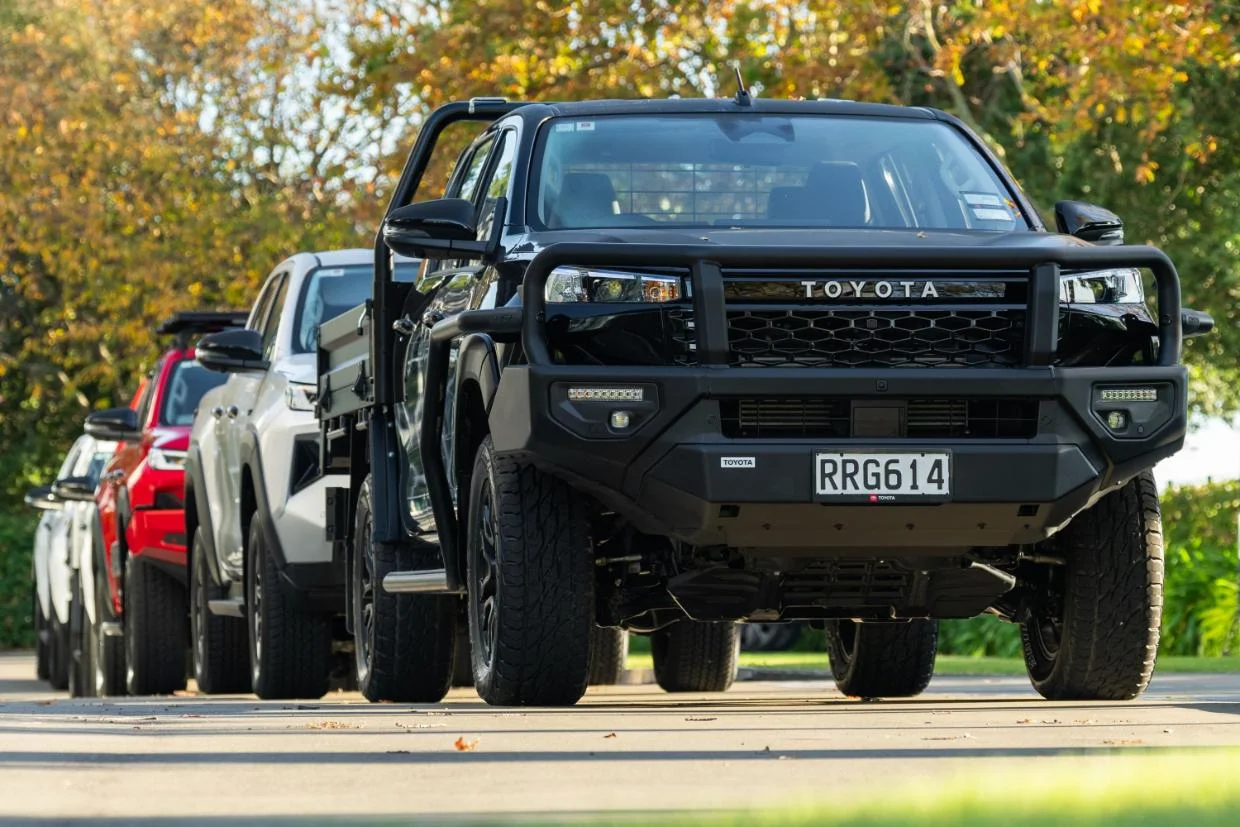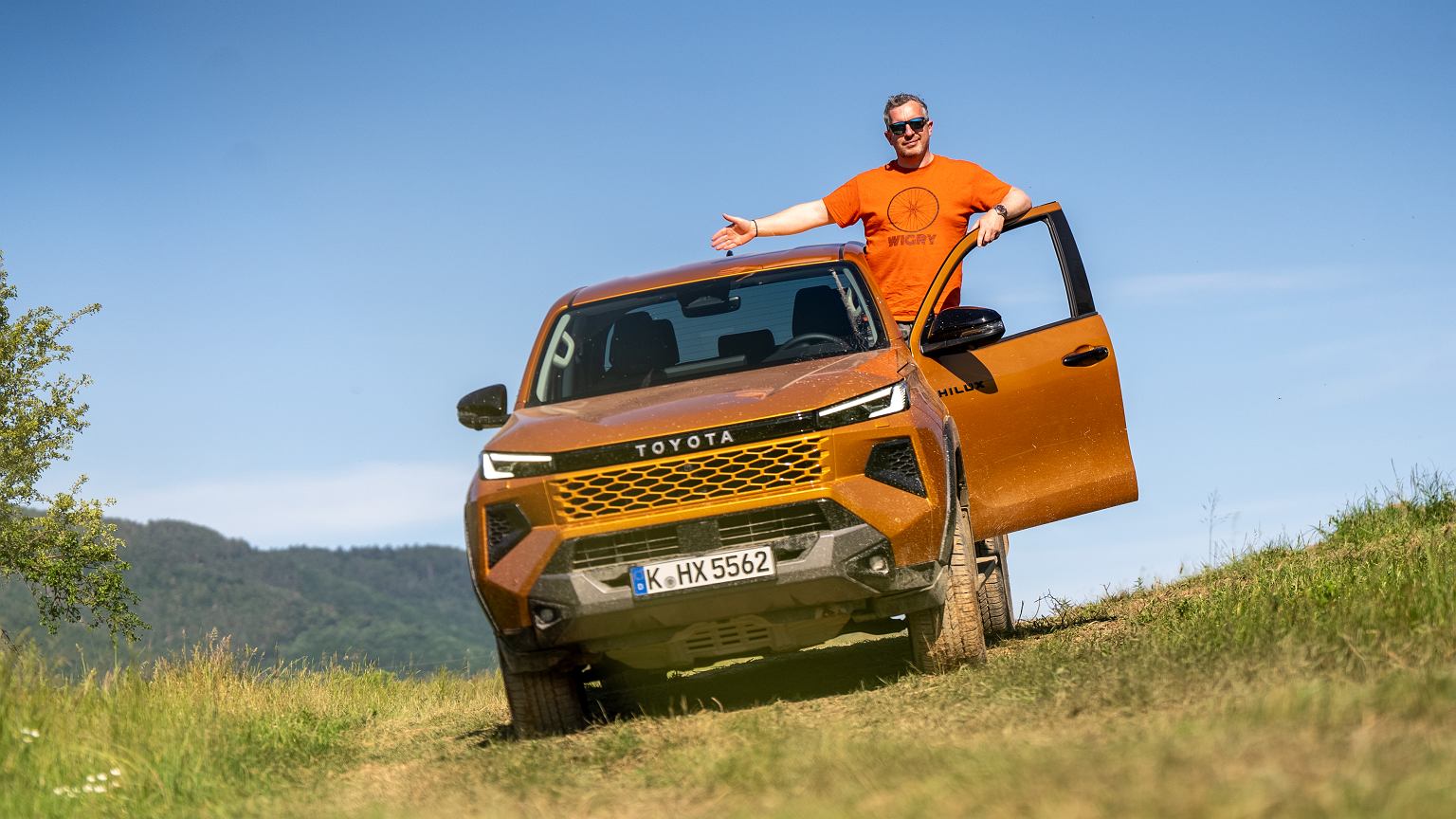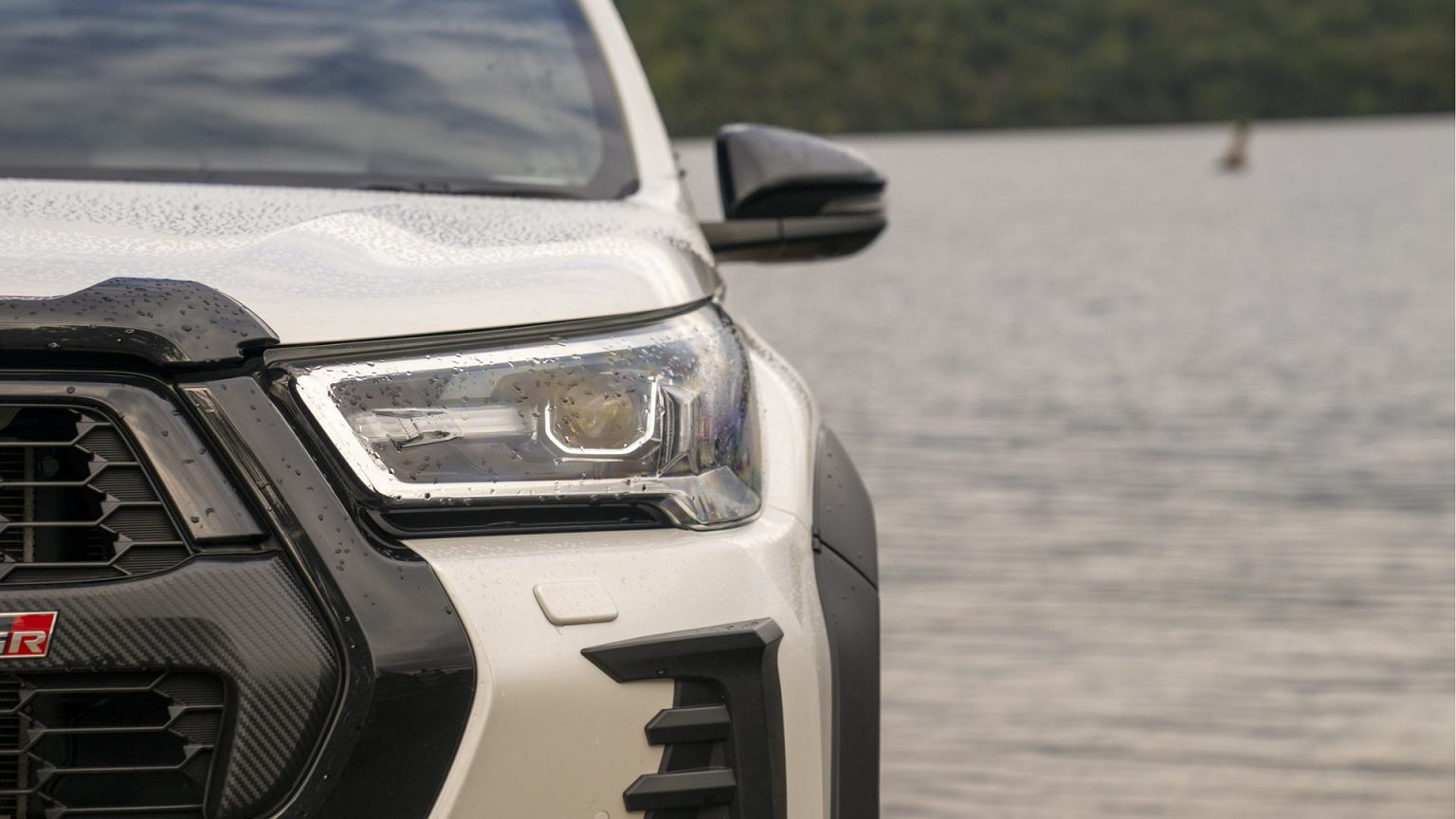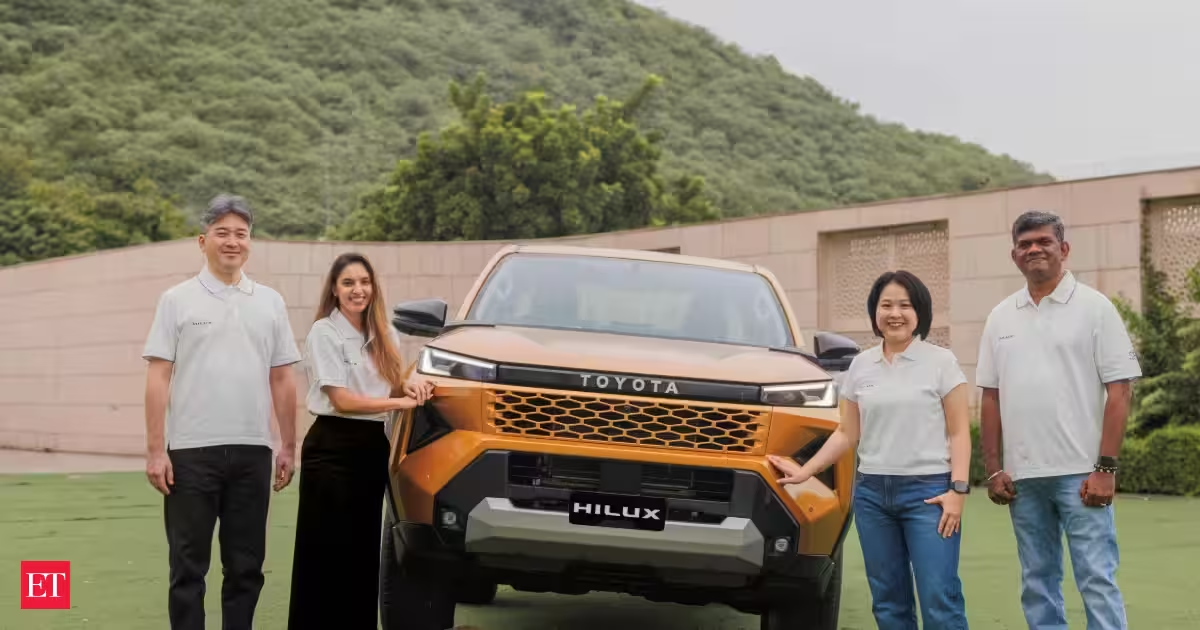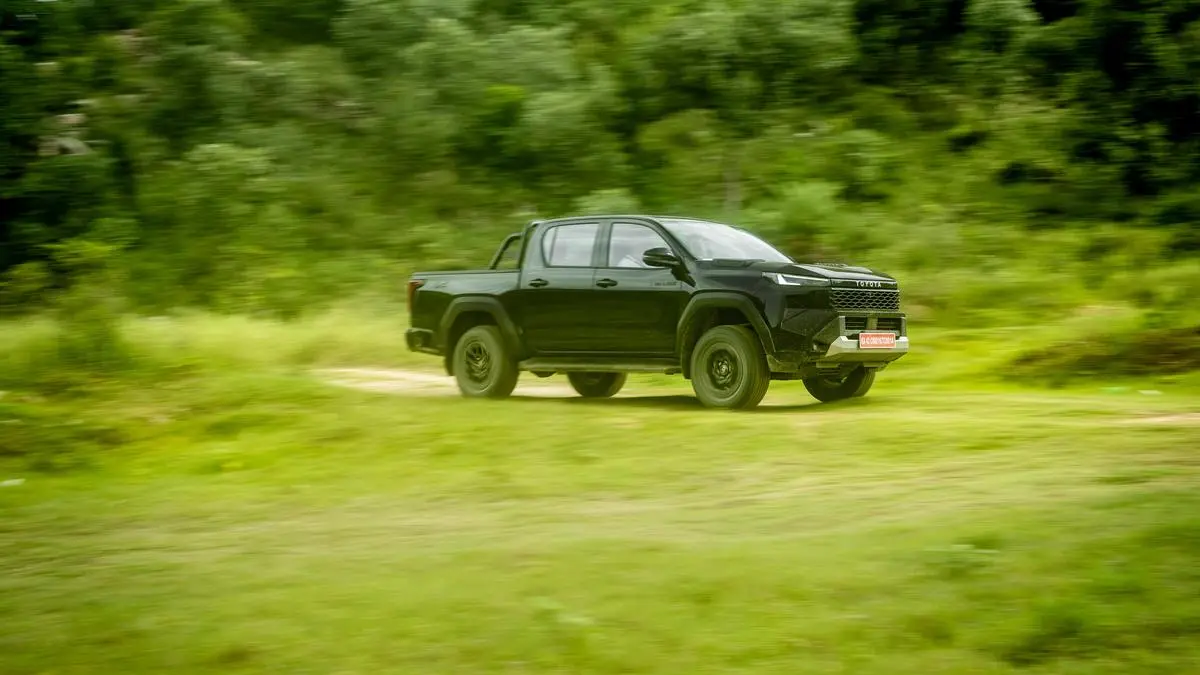
Defying fan-club convention, being a die-hard Toyota loyalist is deeply rooted in objectivity. Toyota sure doesn’t make the world’s most beautiful cars or even the fastest or the most fun. It makes cars that last, though. Cars that are honest, brilliantly engineered and packaged with a great deal of insight. That most of them can outlive an apocalypse isn’t mere folklore. The Hilux has eternally shown great promise in this regard.Now in its ninth generation, the Hilux isn’t the barebones utilitarian pickup truck it once used to be. Today, more than ever, it’s what carmakers like to call a ‘lifestyle’ vehicle. That it can carry tree trunks you’ve chopped down yourself matters almost as much, if not more, than its ability to make the world believe you do such a thing regularly. The Hilux is no longer a mere problem solver. It’s a statement.While the ‘Toyota tax’ (the premium Toyota demands, because it can) is a real thing for certain vehicles in the brand’s line-up, the Hilux, for all its goodness, hasn’t been able to command it. Often heavily discounted, the Hilux’s future rides strongly on the success of its ninth generation. To this effect, Toyota has made a considerable effort to change what it felt it should have, while retaining a lot of the previous iteration.For one, it looks completely different. A bit outlandish, too, especially in the photographs, but with its dimensions and resultant presence, it’s still very impressive. The new 17-inch wheels look fantastic, wrapped with all-terrain tyres, and the tailgate with the classic ‘Toyota’ lettering looks very cool. There’s a new side-step integrated into the rear bumper, too, for (relatively) easy access to the loading bay and, especially thanks to some brilliant colour options, you’re going to want to step into your friendly neighbourhood Toyota dealership.fan favouriteThe interior isn’t as appealing, though. Let’s just say it’s a cabin only the most hardcore of Toyota fans will love — and defend on the internet. Layered with purposeful grey plastics, the Hilux’s cabin looks tough but lacks a sense of premiumness the Indian buyer will rightfully expect from a car of this price. While the layout is intuitive and thoughtful, and there’s no dearth of physical buttons, it also feels a bit hastily configured for India.While we still get the dash-mounted cupholders (placed before the air-con vents) and a decent-sized touchscreen (simple but good UI), there are quite a few misses and compromises, too. The omission of automatic climate control is acceptable in my view, but its replacement — a rather shoddy bit of trim and ungainly controls — absolutely isn’t. There are a few blank switches as well and even the instrument cluster is different to what is offered in other markets; it appears equally dated and austere in almost all of the three themes you can select. I do like the steering wheel a lot, though.The fabric seats are well designed and comfortable but aren’t at all ideal for off-roading; anyone who’s ever been will attest to how easy it is to stain a car’s interior in such settings. Oh, and it doesn’t get electric adjustability either! On balance, that’s hardly any labour for someone who chops down trees for fun, right? In any case, I was able to find a great driving position, and the outward visibility is just fantastic.The rear seats are a far less rosy affair, though. For one, there simply isn’t enough space for large-sized adults. Behind the driver’s seat set to my position (I’m 6 feet tall), I could only sit with my knees digging deep into the seatback and in a somewhat knees-up stance. The backrest doesn’t recline (of course!) and, on the whole, it’s a place you should best leave to kids or bags you wouldn’t want to place in the loading bay. In other news, there’s no sunroof (great!), the speakers do a decent-enough job and there’s a manual handbrake.To drive, it’s pleasantly familiar. At our disposal on a rainy day in Jaipur was the VX 4X4 AT, the top of three variants Toyota has offered so far, including a 4X2 as the entry-level version for the first time ever. Powering all three is the same 2.8-litre four-cylinder turbocharged diesel engine as seen in the last-gen Hilux and that certainly isn’t a bad thing. With 201.1 bhp and 51 kg-m of torque, the Hilux is sufficiently equipped to make light work of highway drives (chopped wood in tow) and, of course, perform admirably on any sort of trail you can throw at it. The 6-speed automatic transmission works well, too, although some of you with specific driving requirements may rightfully grudge Toyota the omission of a manual-transmission option.On the road, the Hilux continues to feel like a dominant all-conquering machine. There has been some improvement to the cabin insulation levels, but the added refinement doesn’t take away the feeling of driving something heavy-duty — that matters! I also think the Hilux isn’t as bouncy as it felt over the course of our convoy drive because, upon inspection, I found the TPMS reading absurdly high tyre pressures, in excess of 50 PSI! The standard pressures are in the mid-30s, by the way. Moving on, the Hilux is perhaps as easy or challenging to drive through tight spaces, depending on your level of familiarity with a car of its dimensions. In terms of steering feel and overall intuitiveness of controls, though, it really is on point. I didn’t mind the omission of an electronic power steering (it remains hydraulic), but the internet seems divided on that front.The off-road trail that Toyota’s team had chalked out was, unfortunately, set to a rather easy level, even with a stormy downpour trying to add drama. What I meant was that the Hilux’s inherent ruggedness and capability can see it through most challenges. Beats a curated off-road course any day, still! I did experiment with the terrain modes, but frankly there was nothing on offer the Hilux couldn’t tackle in 4X2 mode. In a realistic unscripted off-road scenario, the Hilux should continue to go about its business as effortlessly as ever, as long as you’re equipped with the right skills, patience and tyres. That, by the way, isn’t to say the Hilux is a mountain goat. It’s tough and indestructible, sure, but unabashed go-anywhere ability will always remain the domain of the lighter and narrower off-roaders.Should you buy one, then? Yes, but strictly if you have genuine use for the loading bay — or if looking cool is the most important thing for you. With prices ranging between ₹31.99 lakh and ₹36.69 lakh (ex-showroom), the Hilux still spells good value for those intent on buying a pickup truck. I, for one, wish Toyota had offered an even more basic version sans the touchscreen but with a manual gearbox and a more spacious rear seat. I mean, if you’re about to outlive the apocalypse, you might as well do it with friends, right?@TheMotorGramPublished on August 7, 2026
Truck or Treat?
Explore the Toyota Hilux's blend of traditional excellence and modern innovation in our Truck or Treat feature.
1,162 words~5 min read