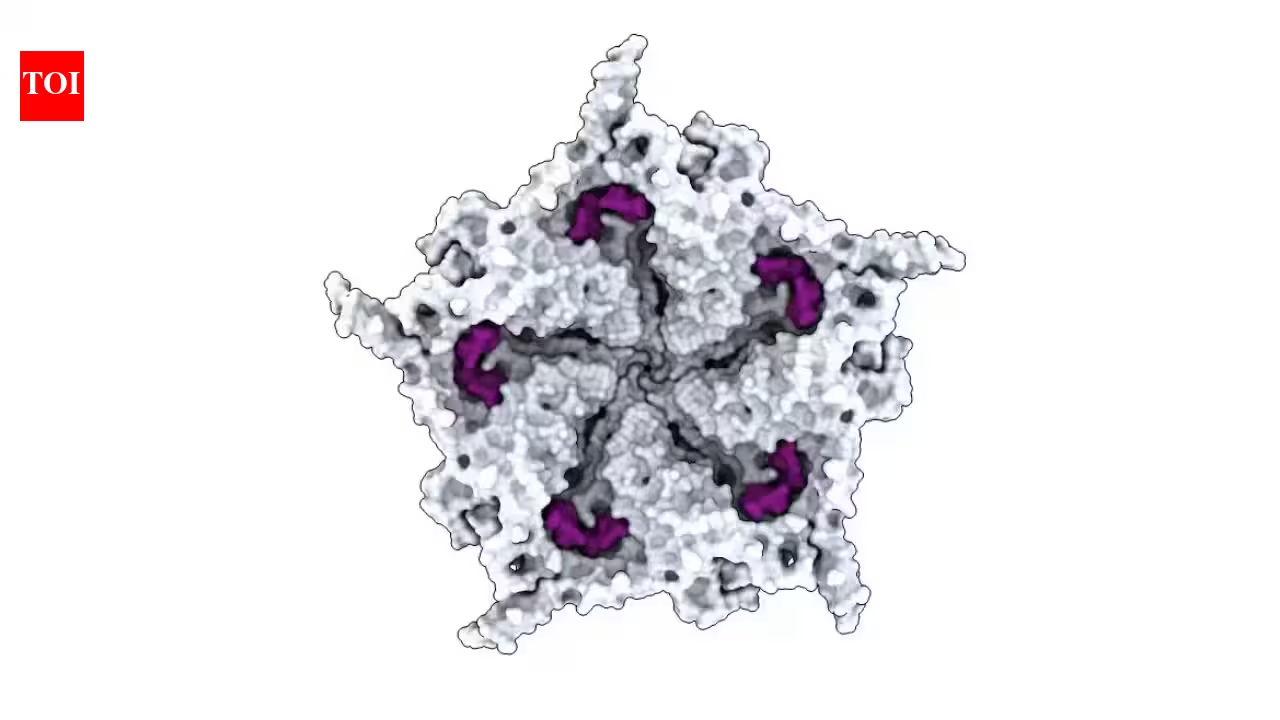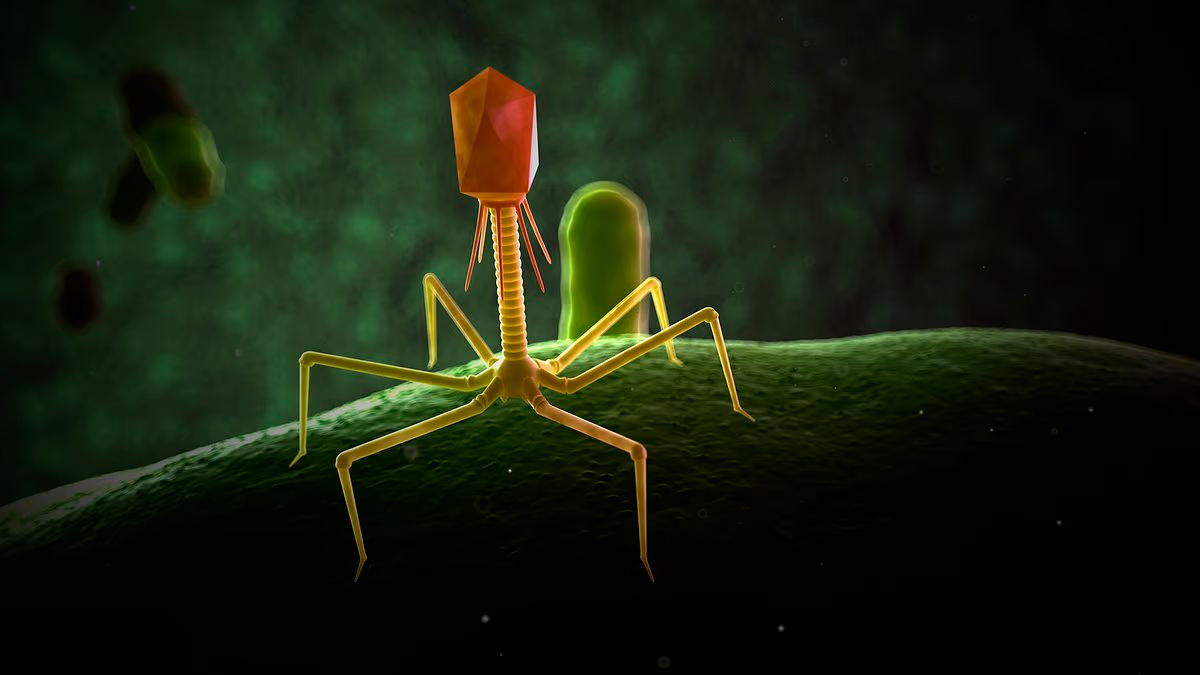
The New York Times reports new details, particularly about the hit rate. The model, called Evo, proposed 700,000 possible genomes. The team pursued only the most promising candidates, had 285 sequences chemically synthesized as DNA, and inserted them into bacteria. Sixteen of those produced viruses capable of replicating. The preprint had mentioned 302 synthesized genomes.
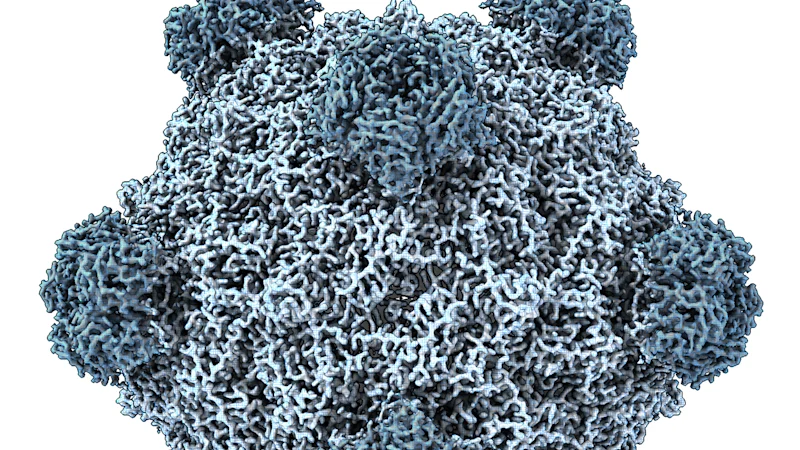
The training process is also coming into sharper focus. Evo first learned from roughly nine trillion nucleotides drawn from millions of animals, plants, microbes, and viruses, picking up patterns that run through the entire tree of life. Only then did a second, specialized training round follow, using the 11 genes of the phage Phi X-174 and about 15,000 of its closest relatives. For doctoral student and co-author Samuel King, it was the logical move. "It just felt like the obvious next step," he said.
The resulting viruses weren't just weak copies, either. They proved as robust as natural ones, and some replicated even faster than Phi X-174. "They're not just sickly versions of stuff that already exists," says Oliver Crook, a protein chemist at the University of Oxford who wasn't involved in the study. Patrick Cai, a synthetic biologist at the University of Manchester, calls the work an "important milestone."