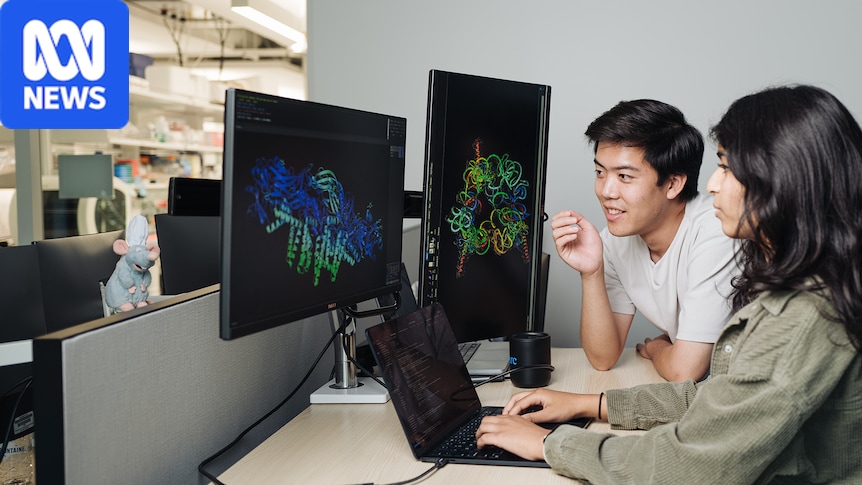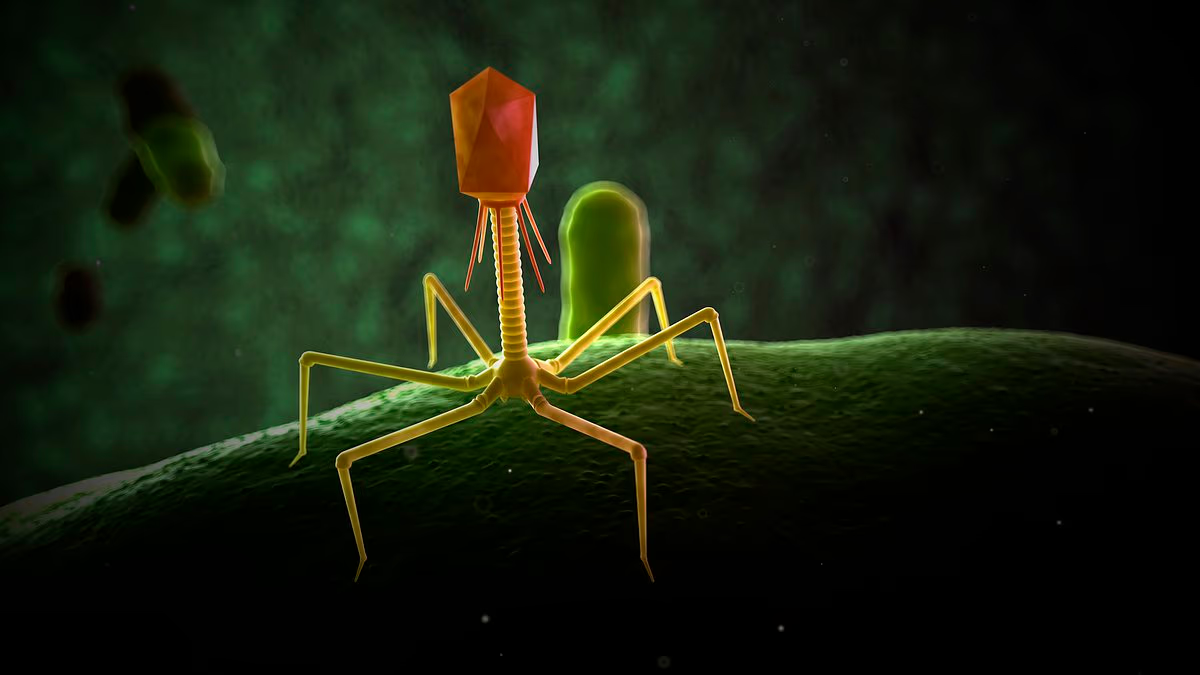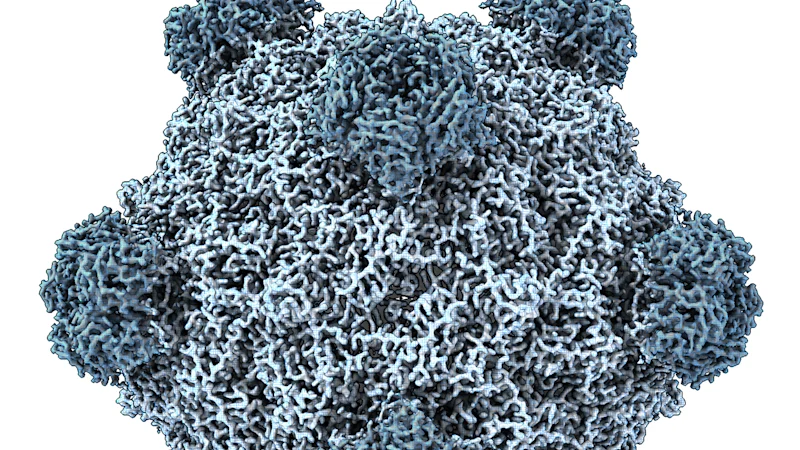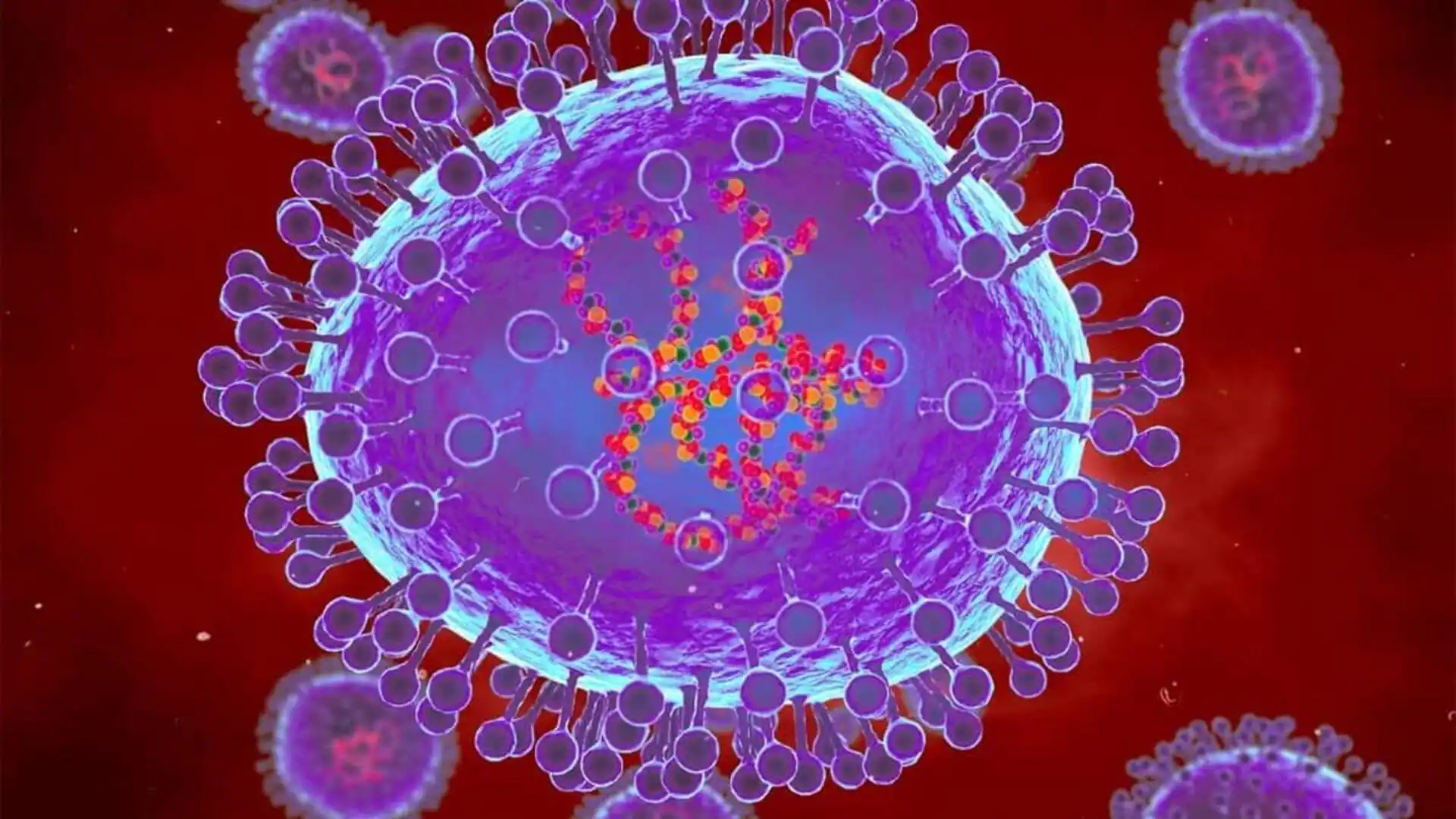
A team of researchers from Stanford University and the Arc Institute has used an advanced AI model trained on genetic data to design entirely new virus genomes from the ground up. According to a study published Thursday in Science and covered by The New York Times, CNN, and MIT Technology Review, the scientists synthesised hundreds of these AI-generated designs and confirmed that 16 were fully functional, capable of infecting and destroying bacterial cells.This achievement represents one of the first instances where artificial intelligence has moved beyond analysing or editing existing biological sequences to actually creating complete, working genomes that perform as intended when built in living systems.About The AuthorAshna is a content writer who focuses on making everyday choices easier and smarter. With a strong eye for detail and a natural sense of what works in real life, she creates content that feels honest, relatable, and genuinely helpful. She is a geek for writing stories around fashion, beauty, and influential products, while bringing the same depth and detail in reviewing tech products and gadgets of day-to-day use.
Her work mainly revolves around product reviews, tech buying guides, and lifestyle edits, where she breaks down features in a way that is simple to understand but still meaningful. Instead of just listing specs, she connects products to real needs, whether it’s comfort, style, practicality, or value for money.