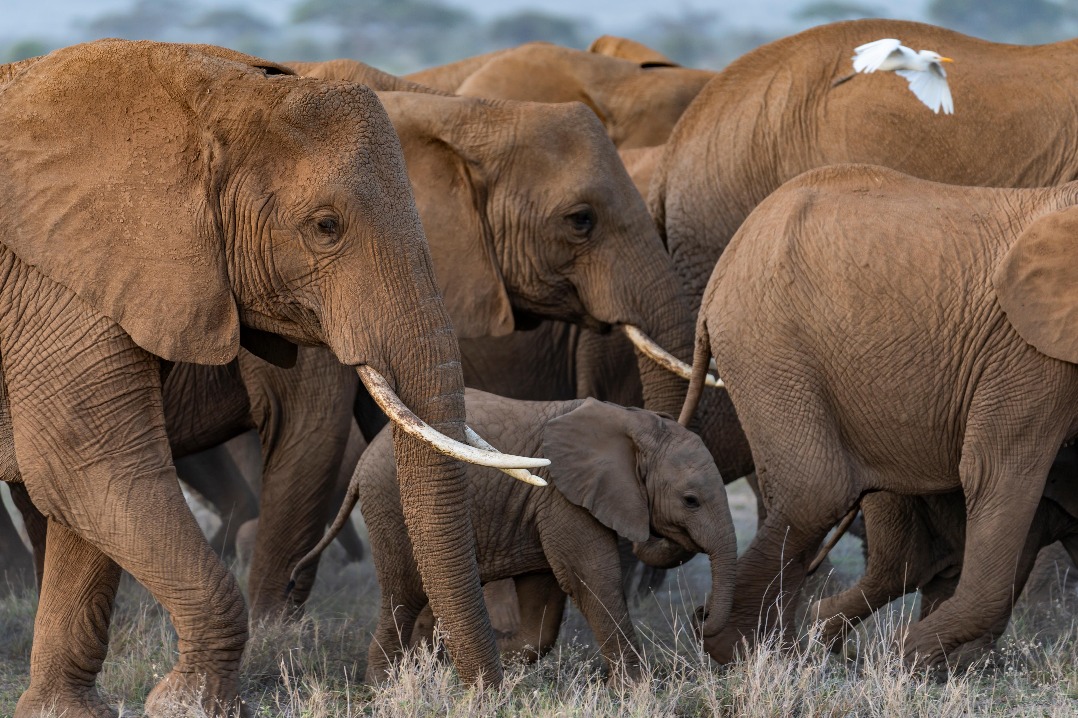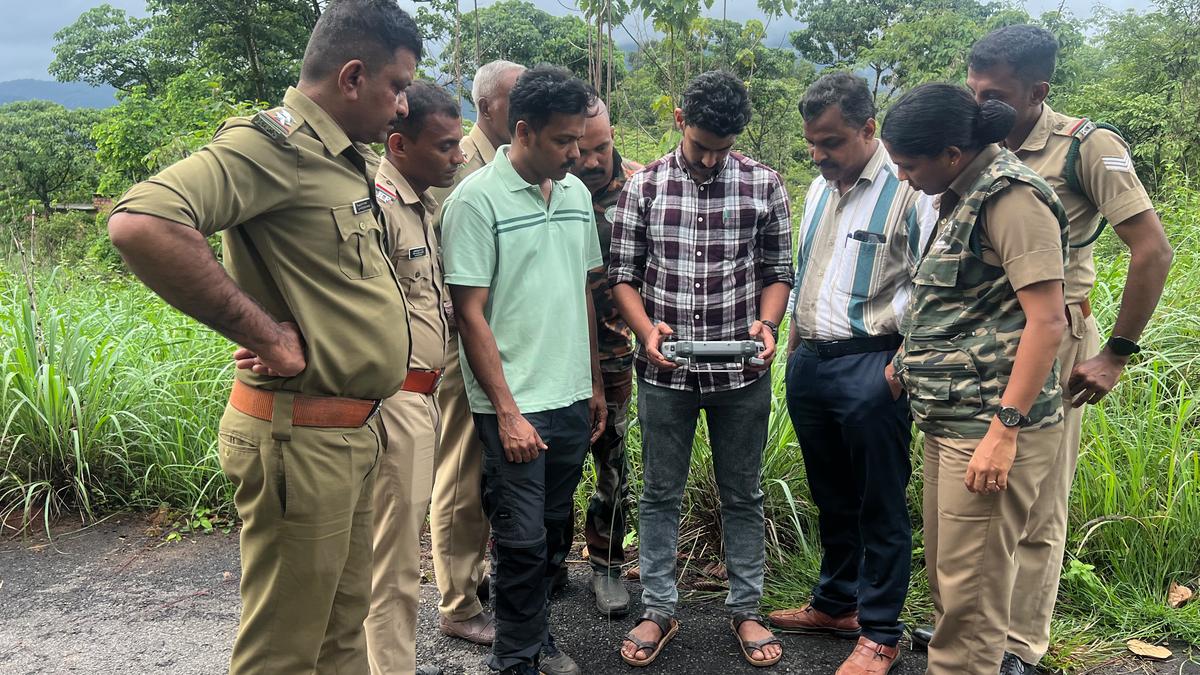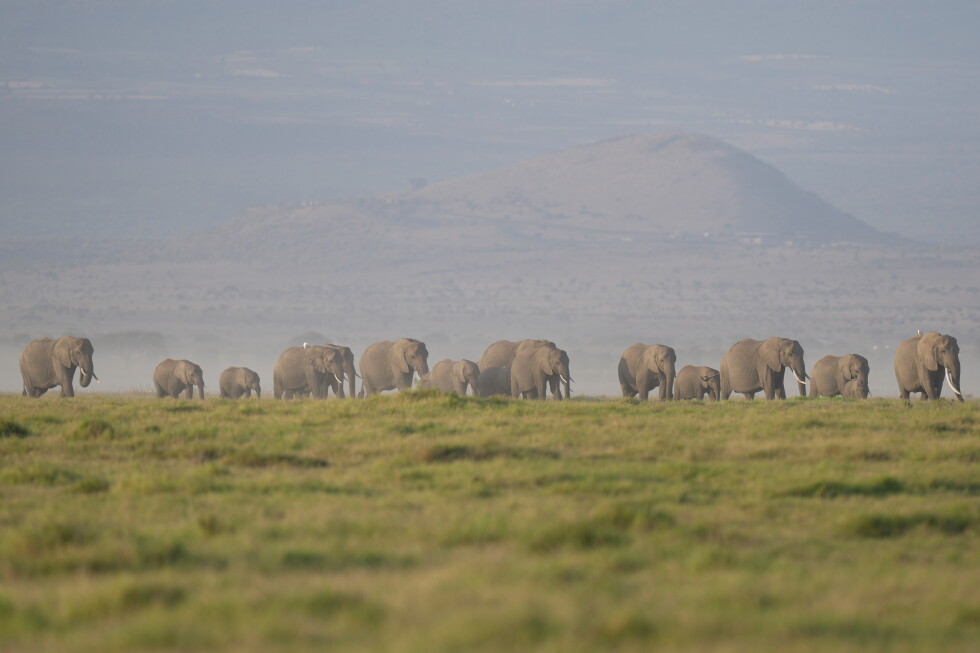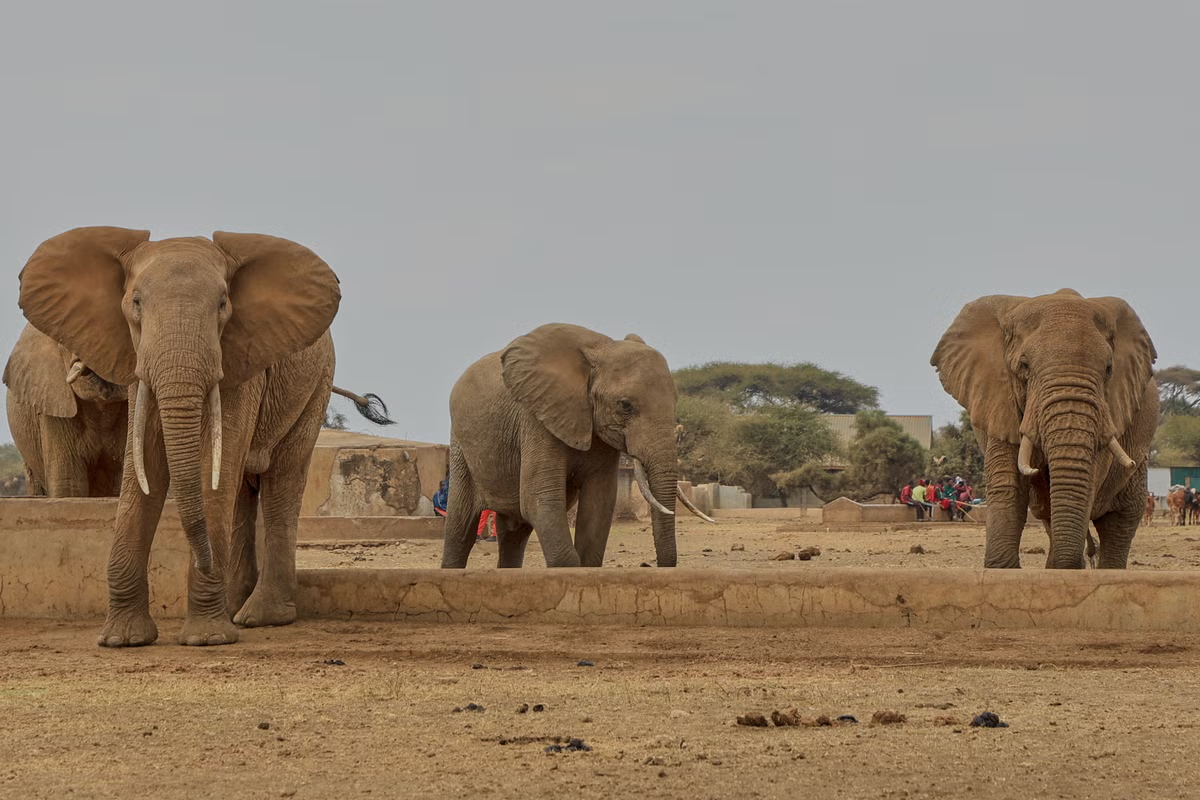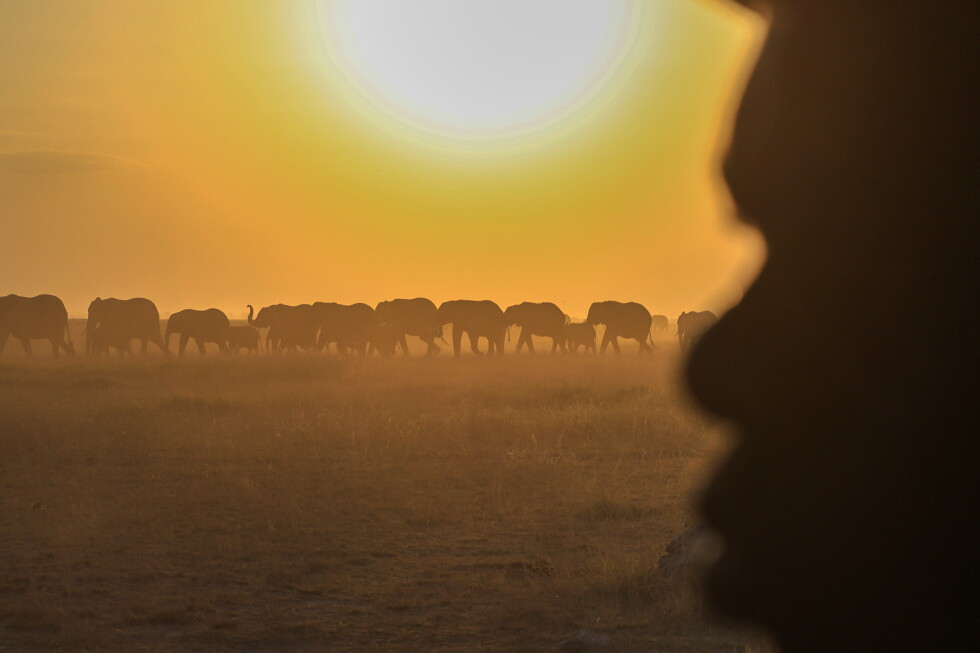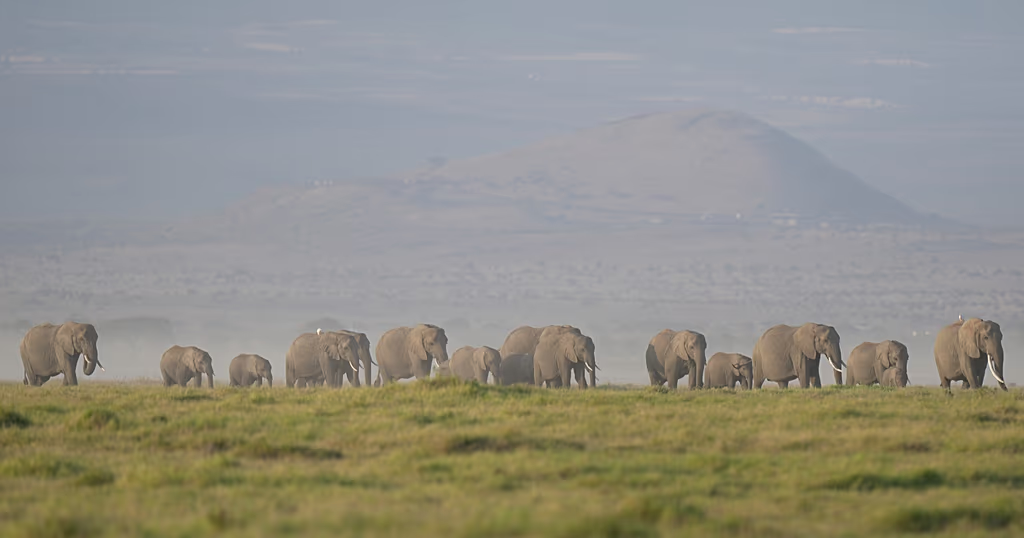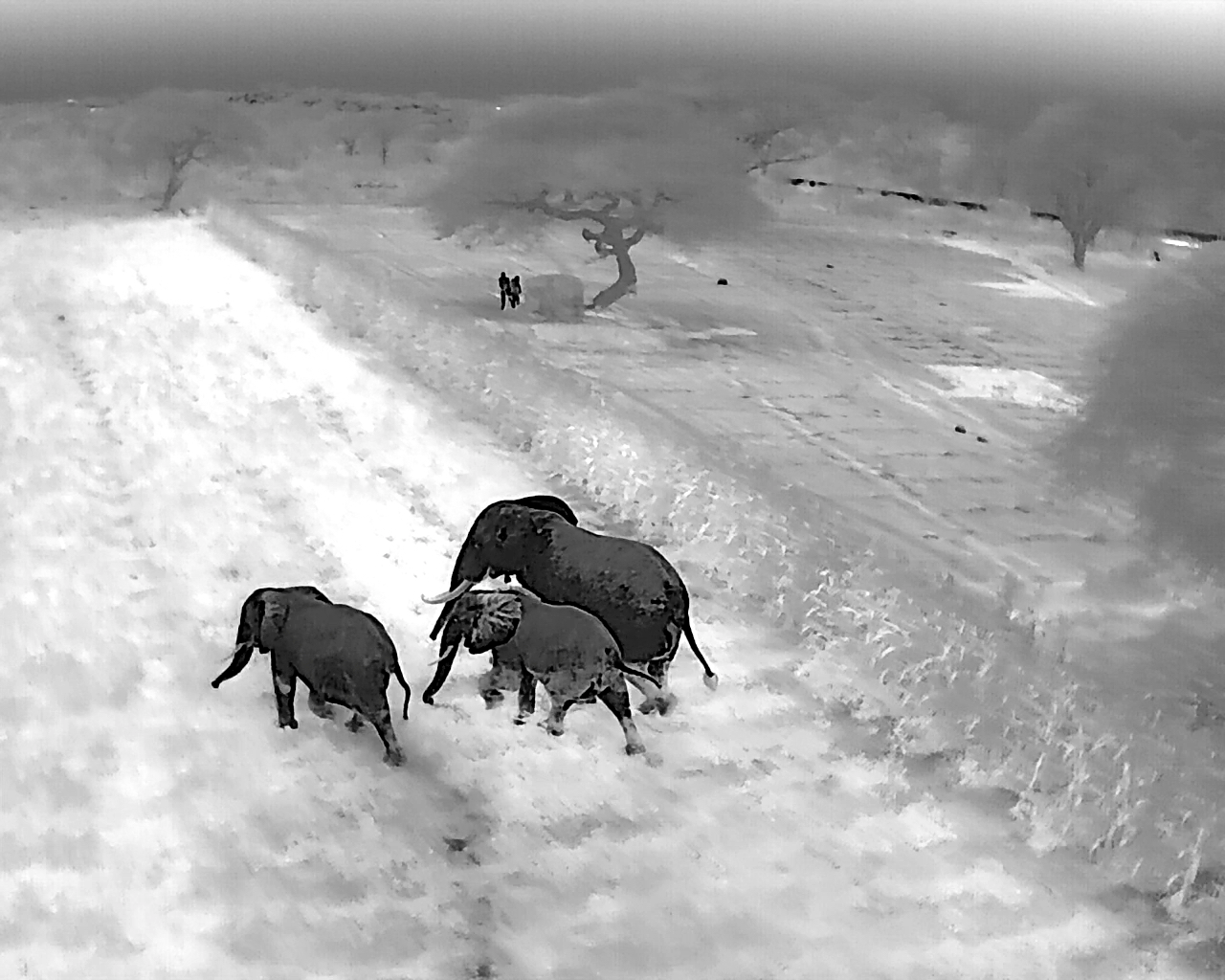
Amboseli National Park, home to a population of nearly 2,000 African elephants, has witnessed significant human-wildlife conflict, in part, because it is largely unfenced to allow elephants to move freely.Park managers are turning to drones to help reduce contentious interactions between elephants and residents in surrounding areas.The drones provide real-time aerial surveillance that enables rangers and communities to track elephants and prevent dangerous encounters by corralling them away from human settlements and farmland.“Thanks to the use of drones in wildlife conservation, we have seen a reduction in retaliatory injuries and deaths,” Jeremy Goss, Program Director at Big Life Foundation, told Mongabay.
Dominic Mutua, a smallholder farmer from Inkoisuk village some 30 kilometers (19 miles) from Amboseli National Park, has often clashed with two elephants that enter his farm and destroy crops. “We had to stay up guarding most nights and chasing them away,” Mutua told Mongabay in a telephone interview.
The 2025 census conducted by the Kenya Wildlife Service (KWS) recorded a population of 42,072 elephants (Loxodonta africana) in Kenya, 1,903 of which were counted in the Amboseli park and its surrounding areas. The absence of a perimeter fence means elephants can move freely beyond the national park’s boundaries.