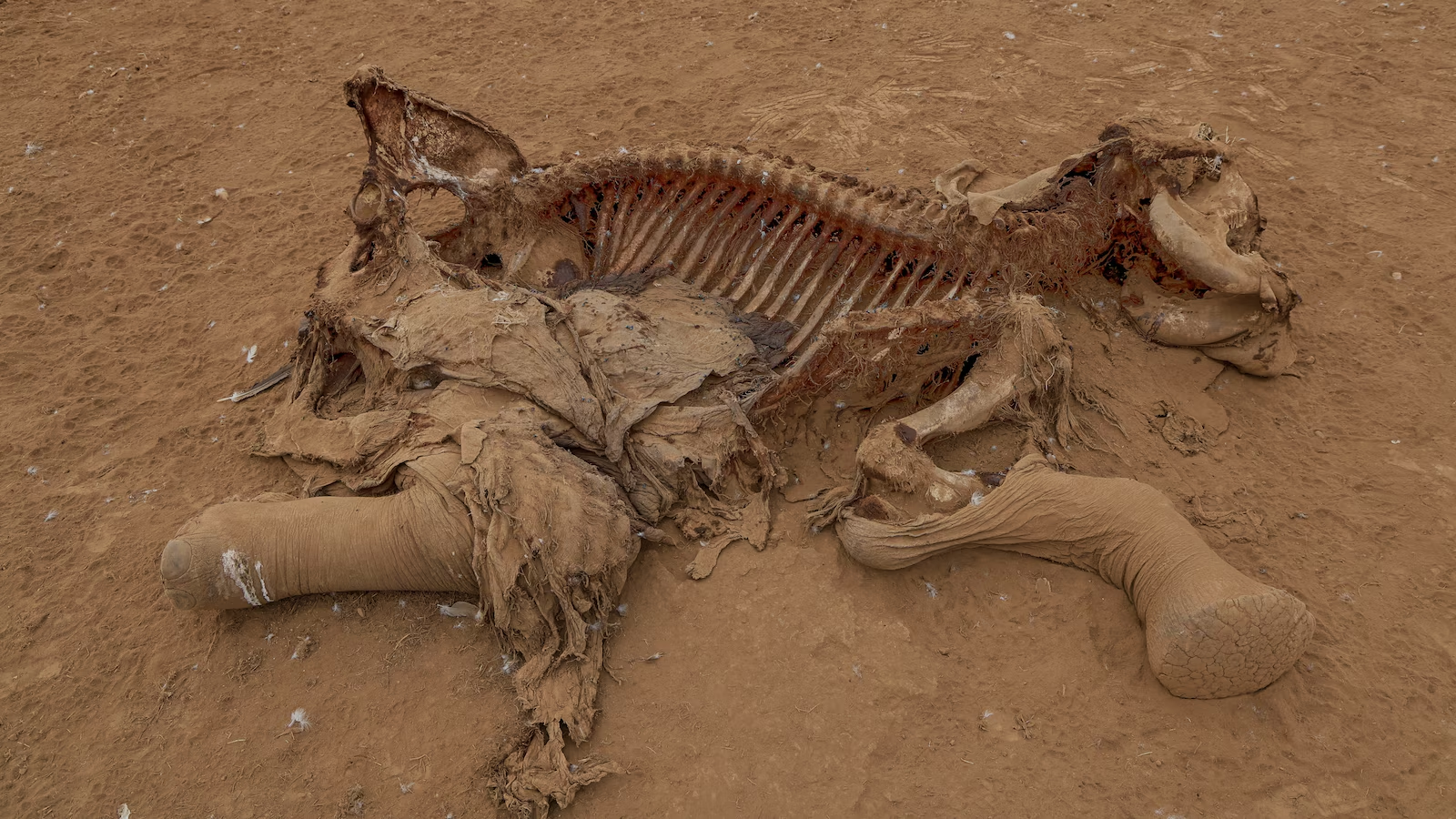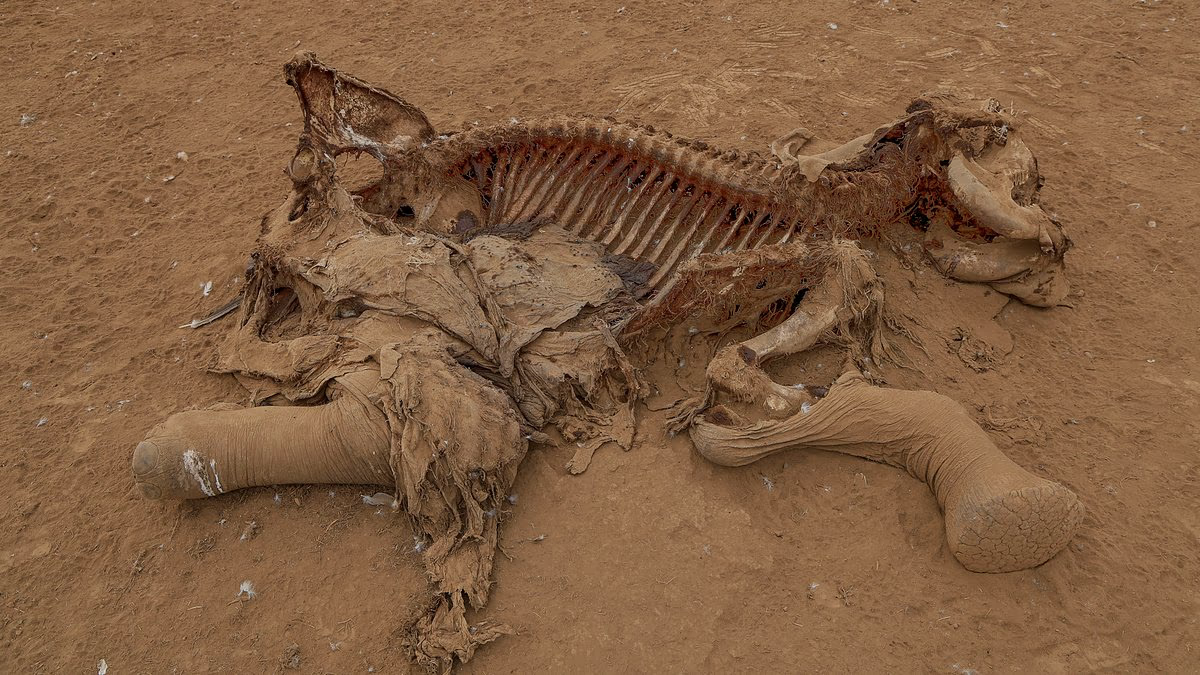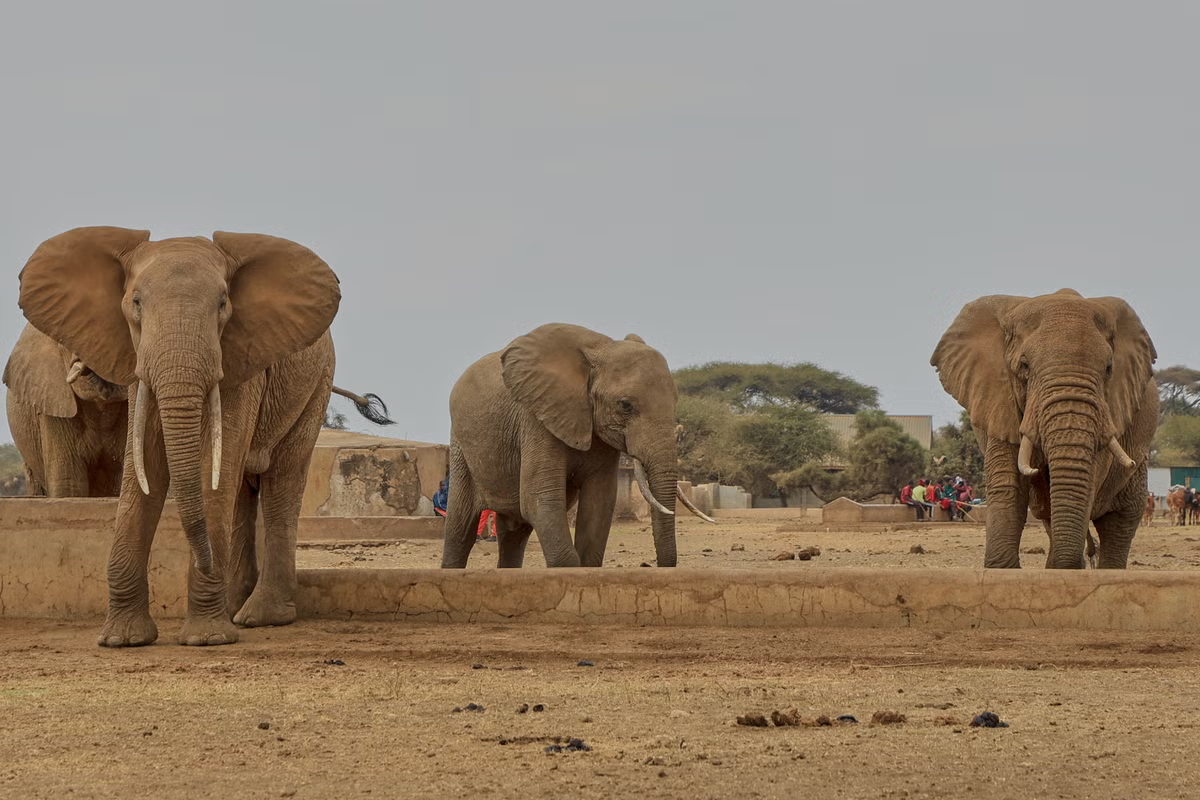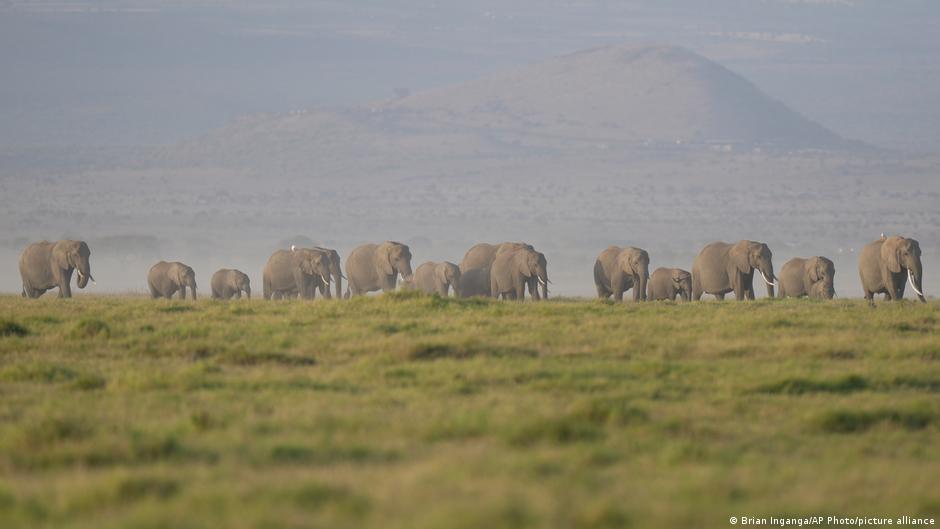
KIMANA, Kenya (AP) — The carcass of one elephant lies on a dusty road, while another has been almost completely eaten by scavengers, leaving just the skull. They are among 15 elephants that died of suspected cyanide poisoning in Kenya’s Amboseli National Park after eating tomatoes in nearby farms.Investigations are ongoing into how cyanide found its way to an ecosystem where wild and domestic animals coexist and farms grow tomatoes and onions, but growers are disputing claims that cyanide from their tomatoes killed the elephants.The elephant deaths and disputes about the cause have intensified concerns over growing human-wildlife conflict in the region due to expanding agricultural activities near Amboseli park. Kenya has until recently been widely recognized for rebuilding its elephant population from historic lows to more than 36,000 individuals by reducing poaching and protecting elephants.
Farmers skeptical cyanide from their farms killed elephantsElvis Muchai has farmed on the edge of Amboseli for two decades. In all that time, he said, he has never heard of farmers poisoning wildlife.That is why he was skeptical of reports last month that the 15 elephants had died from suspected cyanide poisoning after consuming tomatoes believed to have been contaminated with the chemical.