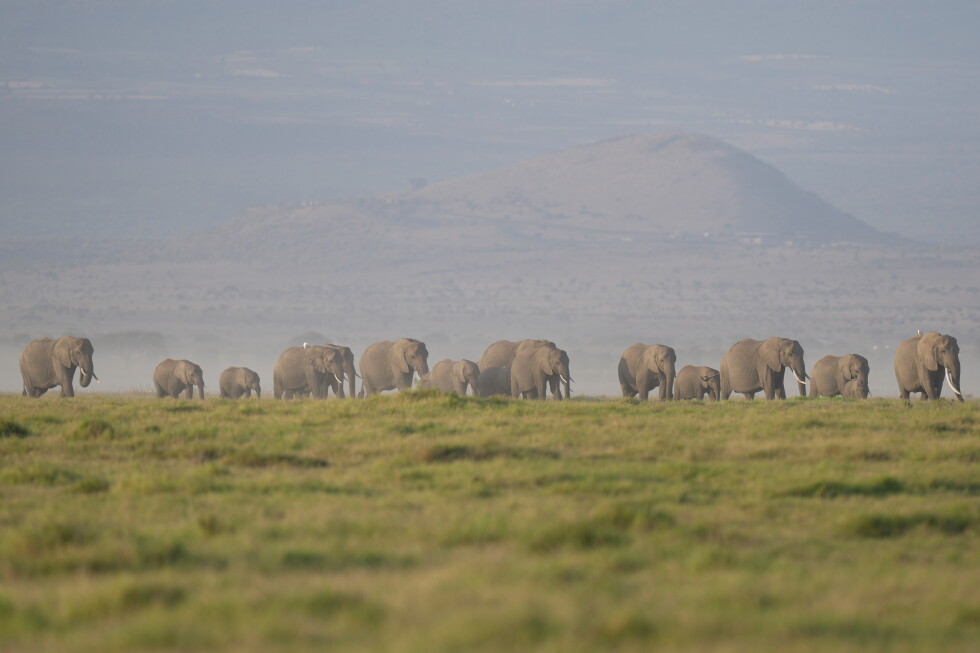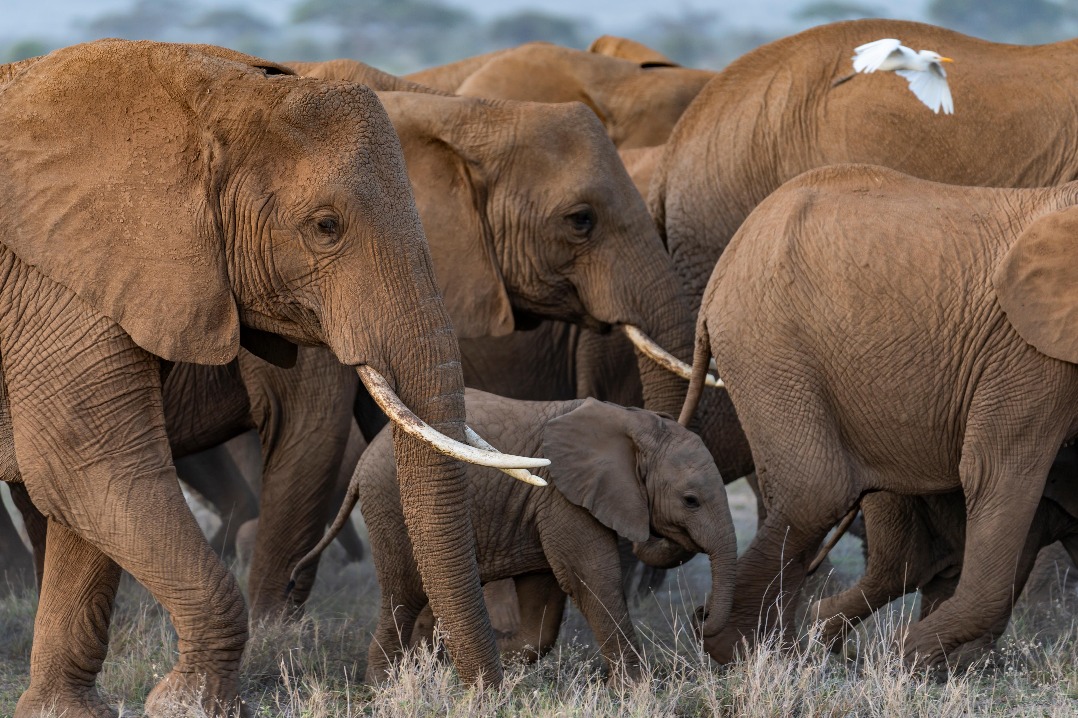
A herd of African elephants walks in Amboseli National Park in Kenya, on Jan 8. XIE JIANFEI / XINHUA
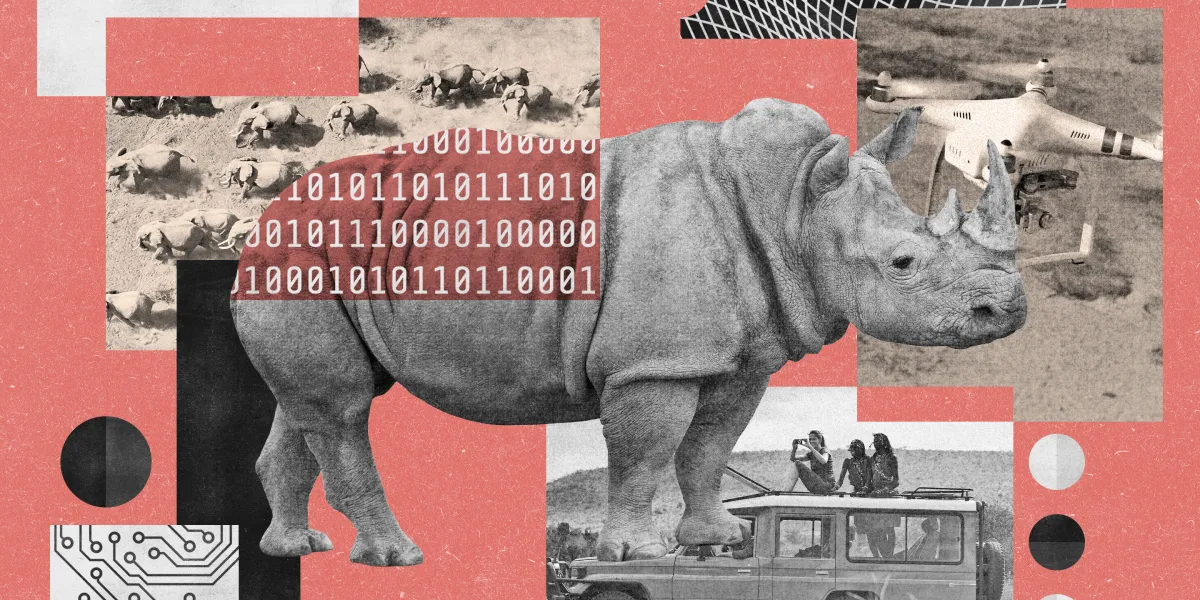
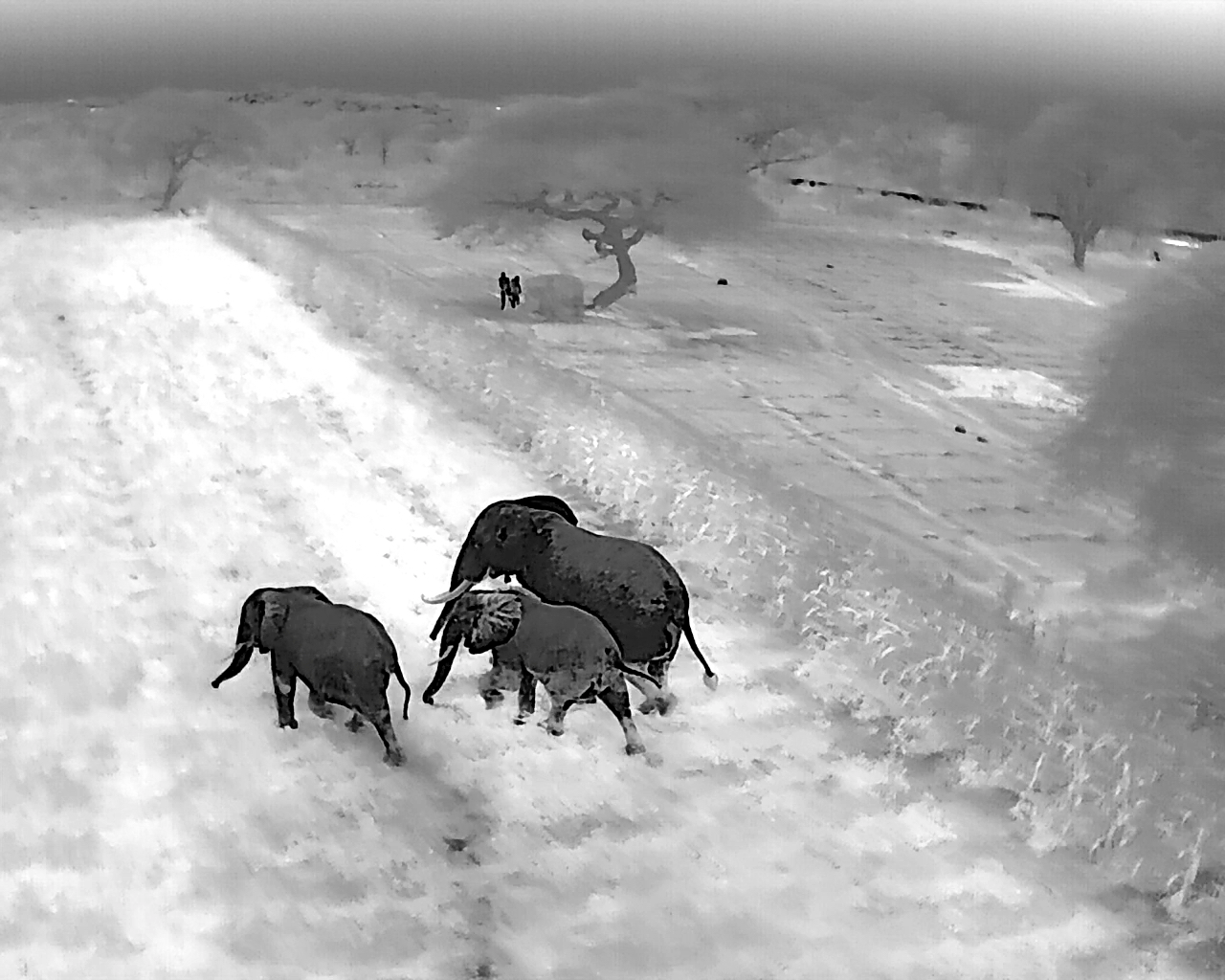
A low hum rises above Kenya’s savanna as a drone sweeps across vast conservation lands, scanning terrain that would take rangers hours to cover on foot — part of a growing shift toward technology-driven wildlife protection powered by artificial intelligence and real-time data systems.
The Kenya Wildlife Service, or KWS, is integrating AI-enabled surveillance, drone technology and digital monitoring platforms into its operations, allowing rangers to detect threats, track wildlife movements and respond to incidents in real time. The approach is aimed at tackling persistent challenges such as poaching, human-wildlife conflict and the management of vast, remote ecosystems in the East African country, famous for its vast national reserves such as Maasai Mara that host some of the world’s most dense wildlife populations.
Anchored in its 2024-28 strategic plan, the KWS is moving toward “technology-driven conservation” where systems are fully integrated into command centers, ranger workflows and decision-making processes.
“Kenya Wildlife Service continues to advance its mandate through the strategic integration of conservation technology into its day-to-day operations,” Victor Matsanza, head of conservation technology and innovation at the KWS, said in an interview with China Daily.