Maasai pastoralists living by the national park in Kenya’s capital are helping wildlife with a crucial migratory route through their land – at great risk to their cherished cattle
N
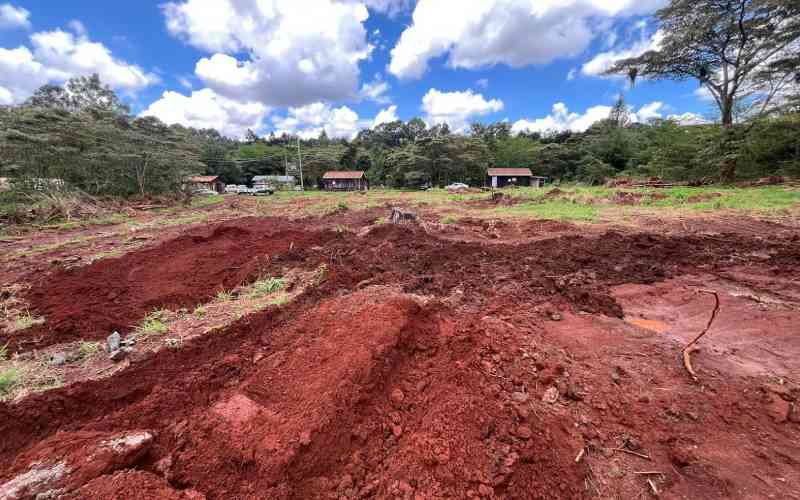
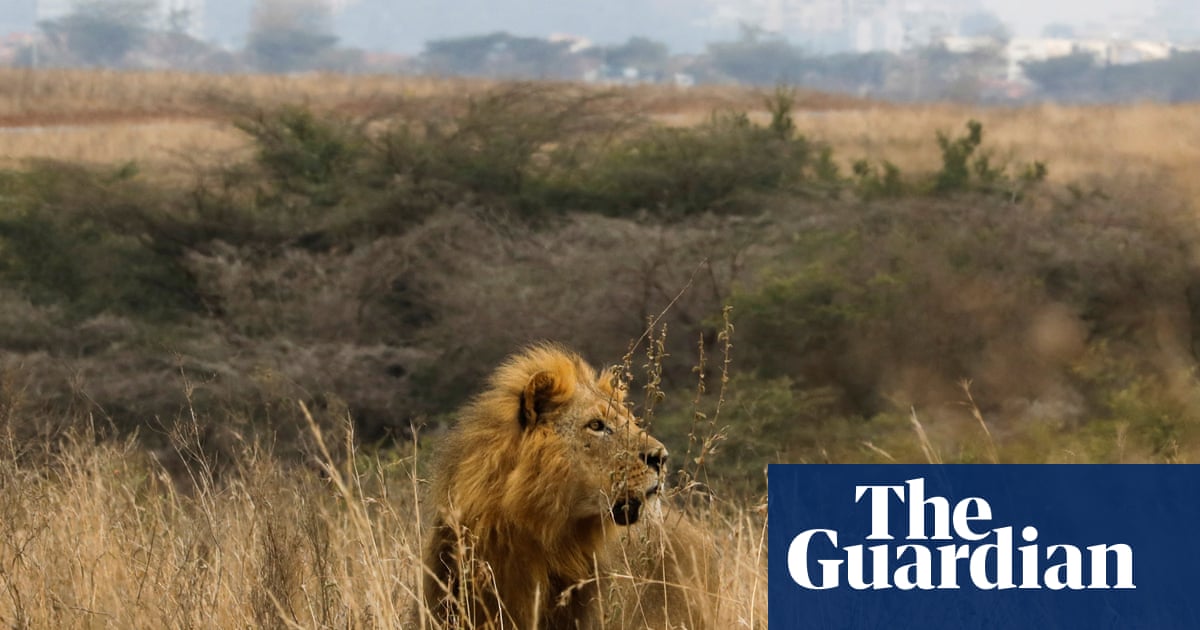
airobi national park in Kenya is the only large wildlife conservation area to fall within a capital city. It is hemmed in on three sides by human development, and unfenced only on its southern boundary – this gap providing a crucial wildlife passageway, linking the park’s animals to other populations of wildlife and wider gene pools.
The gap, however, is also home to a small Maasai community, where farmers face an agonising choice between protecting livestock and making space for the predators that prey on their cattle.
Despite the dangers, the pastoralists are choosing to leave tracts of their land open, allowing the flow of wild animals to avoid what scientists call an “ecological extinction” via a shrinking gene pool.