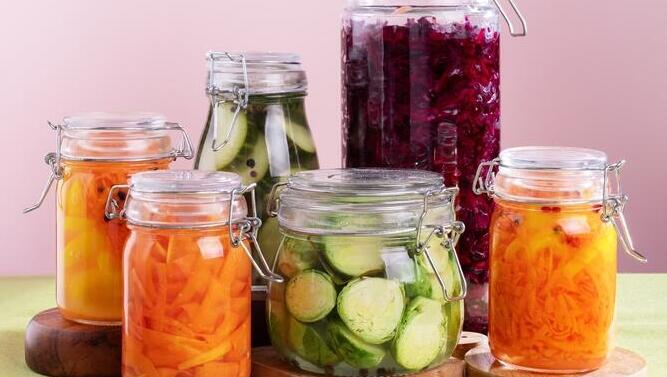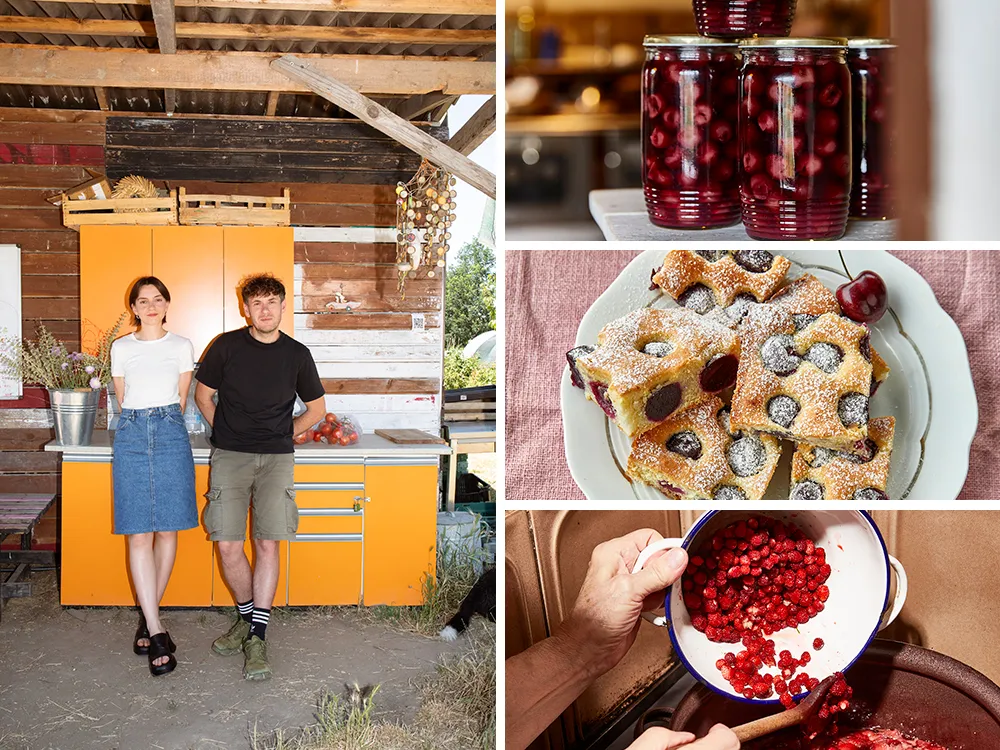
Skip to Content Subscribe Our Offers My Account Manage My Subscriptions FAQ Newsletters Canada Canadian True Crime Canadian Politics Health World Israel & Middle East Financial Post NP Comment Longreads Puzzmo Diversions Comics NP News Quiz New York Times Crossword Horoscopes Life Eating & Drinking Style Sponsored Play for Ontario Travel Travel Canada Travel USA Travel International Cruises Travel Essentials Culture Books Celebrity Movies Music Theatre Television Business Essentials Advice Lives Told Tails Told Shopping Buy Canadian Home Living Outdoor Living Kitchen & Dining Tech Style & Beauty Personal Care Entertainment & Hobbies Gift Guide Travel Guide Amazon Prime Day Deals Savings National Post Store More Sports Hockey Baseball Basketball Football Soccer Golf Tennis Driving Vehicle Research Reviews News Gear Guide Obituaries Place an Obituary Place an In Memoriam Classifieds Place an Ad Celebrations Working Business Ads Archives Healthing Epaper Manage Print Subscription Profile Settings My Subscriptions Saved Articles My Offers Newsletters Customer Service FAQ Newsletters Canada World Financial Post NP Comment Longreads Puzzmo Diversions Life Shopping Epaper Manage Print Subscription HomeCultureBooksLifeEating & DrinkingCook This: 3 Czech food preservation recipes from God Is a Pickle, including cherry compoteŠárka Otevřel Camrdová and Marek Bartoš shine a light on the 'real treasure' of food preservation in CzechiaLast updated 24 minutes ago You can save this article by registering for free here. Or sign-in if you have an account.Clockwise from left: Food writer and editor Šárka Otevřel Camrdová and photographer Marek Bartoš, cherry compote, bublanina (Czech fruit cake) and wild strawberry jam. AUTHORS PHOTO BY VIKTORIE MACANOVA/FOOD PHOTOS BY MAREK BARTOŠOur cookbook of the week is God Is a Pickle: Recipes and Stories for Preserving the Seasons – A Culinary Journey Through the Czech Republic by Šárka Otevřel Camrdová and Marek Bartoš.Enjoy the latest local, national and international news.Exclusive articles by Conrad Black, Barbara Kay and others. Plus, special edition NP Platformed and First Reading newsletters and virtual events.Unlimited online access to National Post.National Post ePaper, an electronic replica of the print edition to view on any device, share and comment on.Daily puzzles including the New York Times Crossword.Support local journalism.Enjoy the latest local, national and international news.Exclusive articles by Conrad Black, Barbara Kay and others. Plus, special edition NP Platformed and First Reading newsletters and virtual events.Unlimited online access to National Post.National Post ePaper, an electronic replica of the print edition to view on any device, share and comment on.Daily puzzles including the New York Times Crossword.Support local journalism.Create an account or sign in to continue with your reading experience.Access articles from across Canada with one account.Share your thoughts and join the conversation in the comments.Enjoy additional articles per month.Get email updates from your favourite authors.Create an account or sign in to continue with your reading experience.Access articles from across Canada with one accountShare your thoughts and join the conversation in the commentsEnjoy additional articles per monthGet email updates from your favourite authorsSign In or Create an AccountorJump to the recipes: cherry compote, bublanina (Czech fruit cake) and wild strawberry jam.Šárka Otevřel Camrdová sees food preservation as a spiritual practice of sorts. Czechia, where she was born and raised, is considered one of the world’s most secular countries. “We don’t go to church on Sundays, but what we do is preserving,” says the food writer and editor who divides her time between Europe and New York City. “For us, it’s very meditative, something we believe in.” Pantry shelves stocked with jars of homemade preserves are “almost sacred.”In God Is a Pickle (Gestalten, 2026), Otevřel Camrdová and Prague-based food photographer Marek Bartoš show the depth of Czechs’ devotion to food preservation in all its forms, from compotes and confits to infused oils and vinegars.Join Laura Brehaut on a weekly food adventure with mouth-watering reads delivered Fridays.By signing up you consent to receive the above newsletter from Postmedia Network Inc.A welcome email is on its way. If you don't see it, please check your junk folder.The next issue of Cook This will soon be in your inbox.We encountered an issue signing you up. Please try againThe cookbook, divided by season, merges the traditional with the modern. Otevřel Camrdová and Bartoš feature home cooks who have honed their craft over decades, some over wood-burning stoves in cottage kitchens deep in the forests of Bohemia, and young chefs using time-honoured techniques in new ways.Otevřel Camrdová collected recipes from the people around her, most coming from family recipe books passed down through generations. Czech classics are well represented alongside modern twists from chefs, such as carrot powder used to season sauces, soups or spreads.Otevřel Camrdová and Bartoš say that in the Czech Republic, preserving is a normal part of everyday life. Each spring, summer and fall, families pickle cucumbers, ferment cabbage or make jams using fruit from their own gardens.“As a little child, I didn’t really think about it because it was just something everybody around me used to do, but then I moved abroad, and I realized how unique and rooted this tradition is in the Czech Republic,” says Otevřel Camrdová. God Is a Pickle is Šárka Otevřel Camrdová and Marek Bartoš’s exploration of the Czech Republic’s devotion to food preservation. Photo by GestaltenWhen she grew up, Otevřel Camrdová came to see that preserves aren’t just food, and the pickles that her late grandmother gave her every time she visited took on new meaning. “I think actually we’re a nation of introverted people, and I realized that the filled jars are our way to show care and love, and I think it’s really touching.”Bartoš was eight years old during the 10-day Velvet Revolution of 1989, which ended more than 40 years of communist rule in Czechoslovakia. Then, preserving food was a necessity, and he recalls people waiting in line for oranges, bananas and toilet paper. For him, visiting the people they profiled in the book was like time travel. “I remembered things from my childhood when I went to my grandmother and grandfather’s cottage, and we picked all the fruits and vegetables, and we did all this magic stuff in the kitchen.”The title of the book reflects Czechs’ reverence for food preservation and also their wry sense of humour. “Czech people are very ironic. We love irony,” says Otevřel Camrdová. The fact that pickles have become the internet’s culinary obsession makes her smile. “It’s really funny because for Czechs, it’s like a lifestyle,” she adds. “I think people from Eastern Europe are trendsetters in this.”Working on the book gave Otevřel Camrdová and Bartoš a new appreciation for Czech food preservation. It’s a skill many Czech people don’t know they have, says Otevřel Camrdová. When they went to take photographs for the book, their subjects often said they didn’t have anything special to show them.“Then they opened their kitchens, and we saw hundreds of preserves, and many types,” says Otevřel Camrdová. Bartoš was also struck by the variety, saying of the culinary tradition, “We’re sitting on a real treasure.”They wanted to highlight the human side of food preservation in the book — the people behind the filled jars, their emotions, memories, stories and family traditions — and authenticity was important.Bartoš’s photographs depict people in their natural habitat — whether cottages, homes or gardens. “It’s in our veins, so I wanted to be honest, authentic,” he says. Bartoš adds that, as Czechs, food preservation is close to their hearts. “A lot of people go into the woods to pick mushrooms, to collect apples, to collect pears. It’s like you don’t even think. You wake up on the weekend, jump in the car, go to the woods, pick the mushrooms, dry them, whatever. It’s like it’s part of us.” This cherry version is “the definition of compote,” says Šárka Otevřel Camrdová. “It’s very traditional.” Photo by Marek BartošMakes: 4 canning jars (16 oz/500 mL each)2 1/4 lb (1 kg) ripe sweet cherries (about 7 1/4 cups) 4 1/4 cups (1 L) water 1 1/2 to 1 3/4 cups (300-350 g) granulated sugarSort the cherries and discard any bruised or damaged ones. Remove the stems from the cherries, then wash well under running water and let drain. You can also pit the cherries if you prefer. The best way to do this is by using a cherry pitter. However, the cherries will keep their shape better if left unpitted.Mix the water and sugar in a saucepan (adjust the amount of sugar to the sweetness of the cherries) and bring to a boil, then let simmer, stirring occasionally, until the sugar dissolves completely. Remove the syrup from the heat and let cool slightly.Fill sterilized canning jars with the cherries, leaving a gap of about 3/4 inch (2 cm) below the rim. Carefully tap the open jars on the work surface to compact the fruit, so that as much as possible will fit into each jar. Pour the hot syrup over the cherries, close the jars tightly, and process in a water bath. Let the jars rest for at least 2 weeks so the cherries can soften and absorb the sweetness.Tips: You can also preserve sweet or sour cherries in rum. For this, you will need to arrange the cherries in layers inside the jars, sprinkling each layer with sugar. Adjust the amount of sugar according to the sweetness of the fruit. Fill the jars with high-quality rum to completely cover the cherries. Seal the jars tightly and let the fruit mature in a cool, dark place for about 2 months. The cherries will be infused with the sweetness and aroma of the rum.You can use these cherries to make bublanina, the traditional Czech fruit cake (recipe follows), among others. Bublanina is a classic Czech fruit cake. In summer, make it with fresh fruit, and in winter, use fruit compote or frozen fruit. Photo by Marek BartošCzech Fruit CakeMakes: 1 deep rectangular cake pan (12 by 8 inches/30 x 20 cm)1 1/2 cups (400 g) Cherry Compote (see recipe) 1 1/2 teacups all-purpose, pastry or cake flour 1 1/2 teacups of wheat semolina, plus extra for dusting 1 teacup granulated sugar 2 1/2 tsp (12 g) baking powder 1/2 tsp ground cinnamon 1 vanilla bean (pod) 1 pinch of salt 1 teacup milk 1 teacup canola oil, plus extra for greasing 2 eggs Powdered (icing) sugar, for dustingPlace the cherry compote in a strainer or sieve and let drain. Preheat the oven to 350F (180C/Gas Mark 4).Grease the cake pan with oil and dust with flour.To make the cake batter, sift the flour into a large bowl and mix with the sugar, baking powder, cinnamon, seeds scraped from the vanilla bean and salt. Add the milk, oil and eggs and beat with a whisk until smooth.Pour two-thirds of the batter into the pan and spread most of the cherries on top, spacing them apart a little. Spread the remaining batter on top and cover with the remaining cherries. This will ensure that the fruit is evenly distributed throughout the cake and will not all sink to the bottom.Bake for 45 to 60 minutes, until golden. To check whether the cake is cooked through, insert a toothpick or skewer all the way through to the bottom of the cake and then pull it out. No batter should be stuck to it — only a few dry crumbs if anything.Take the cake out of the oven and let cool. Dust the cake with powdered (icing) sugar, cut into slices, and serve.Tips: Ideally, the teacup measures should be a little on the smaller side, equivalent to about 2/3 cup (150 mL).When making this cake in summer, you can create variations using other fresh fruit. Or out of season, use any fruit compote or frozen fruit. However, don’t defrost frozen fruit beforehand, otherwise it will become too soft and release too much juice. After years of experimentation, Marie Hannová landed on a 50:50 ratio of wild forest and regular garden strawberries for her jam. Photo by Marek BartošMakes: 4 canning jars (4 oz/125 mL each)2 1/4 lb (1 kg) wild strawberries (about 6 1/2 cups) 4 tsp to 2 tbsp plus 2 tsp (20-40 mL) water 2-4 tsp citrus pectin 3 cups (600 g) granulated sugar Juice of 1/2 lemonWash the strawberries and put them into a wide saucepan. Add a little water and bring to a boil. Reduce the heat and let simmer for about 5 minutes.Mix the pectin with about 1 tablespoon of the sugar and add to the strawberries in the pan. Simmer for another 5 minutes, then sprinkle over the remaining sugar and cook until the mixture thickens. Stir regularly to keep the strawberries from sticking to the bottom of the pan.Remove the pan from the heat and stir in the lemon juice (the jam must not be allowed to boil). Transfer the hot jam to the sterilized canning jars, close the lids tightly, and place upside down for 5 minutes. Turn them over again and let cool. Use the jam immediately or store the jars in a cool, dark place.Tip: You can substitute half of the wild strawberries with regular garden strawberries. Cut larger fruit into small pieces before cooking. This makes the jam sweeter and gives it a more intense strawberry flavour.Recipes and images excerpted from God Is a Pickle by Šárka Otevřel Camrdová and Marek Bartoš (Gestalten, 2026).Our website is the place for the latest breaking news, exclusive scoops, longreads and provocative commentary. Please bookmark nationalpost.com and sign up for our cookbook and recipe newsletter, Cook This, here. Join the Conversation This website uses cookies to personalize your content (including ads), and allows us to analyze our traffic. Read more about cookies here. By continuing to use our site, you agree to our Terms of Use and Privacy Policy.
Cook This: 3 Czech food preservation recipes from God Is a Pickle, including cherry compote
God Is a Pickle explores the culture of food preservation in the Czech Republic
2,280 words~10 min read