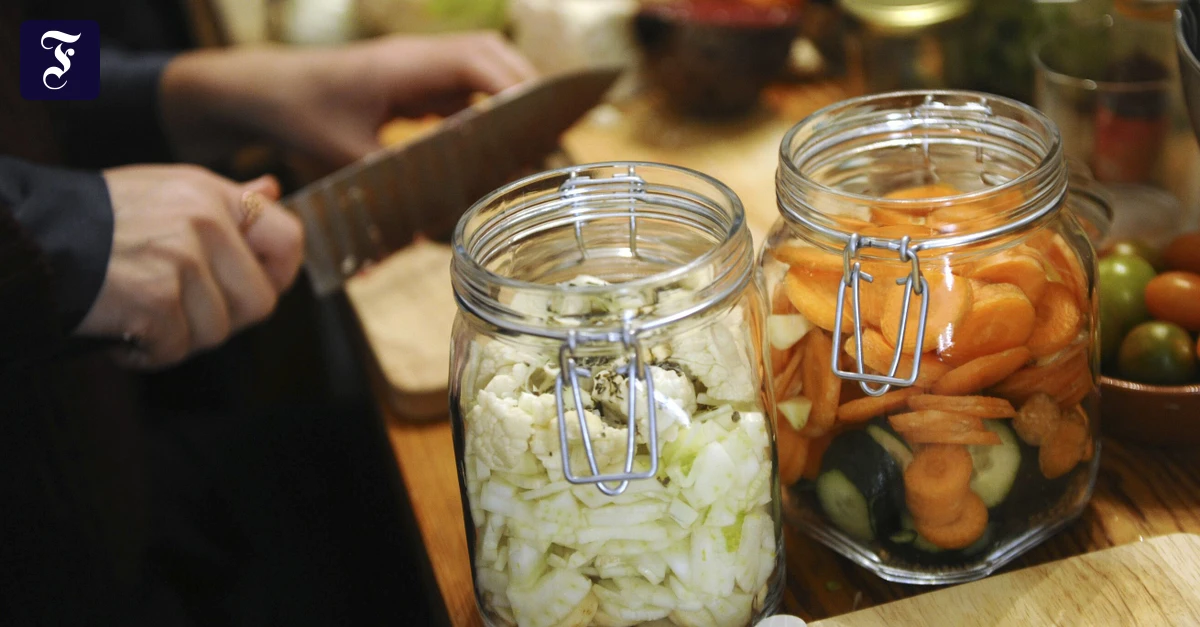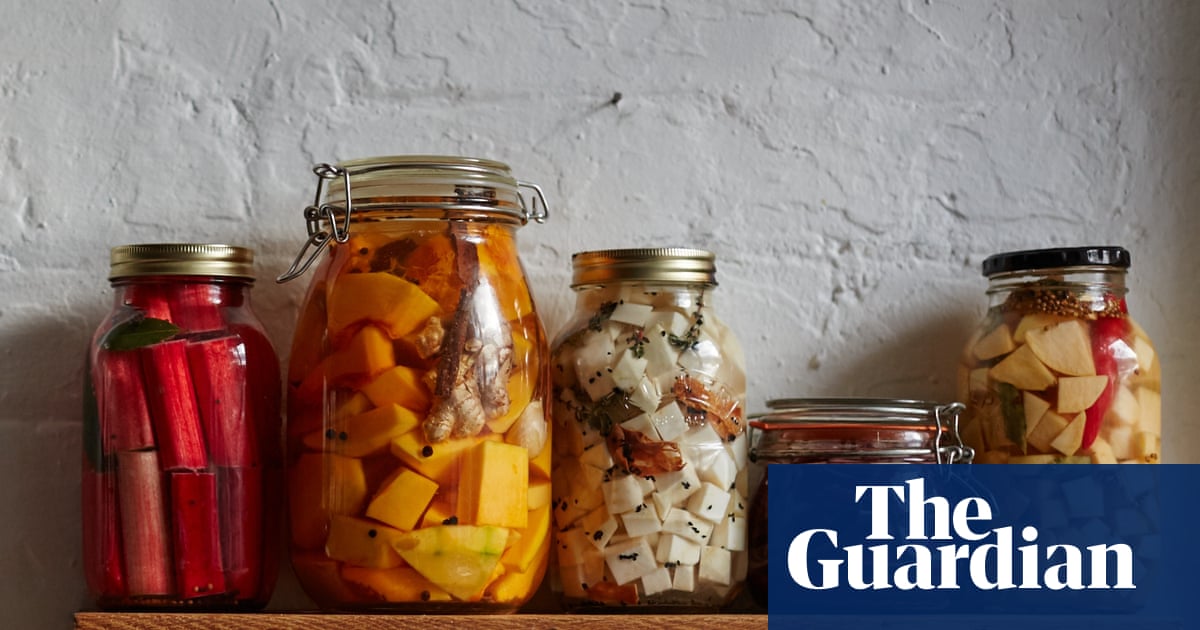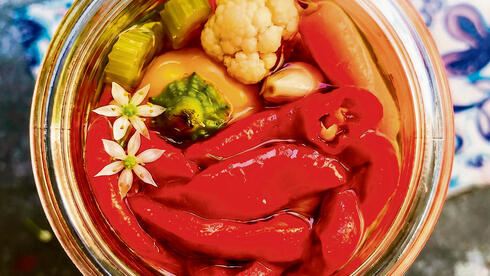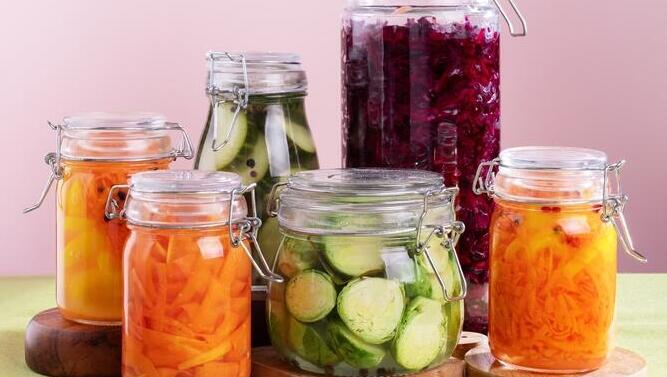
Colorful jars of bubbling vegetables are filling kitchens, restaurants and social media feeds, but the ancient preservation method requires precision, patience and a few safety rulesSapir Gordo|Look at your relatives’ kitchen counter, your favorite chef’s Instagram story or the shelves of restaurants you visit, and you will probably see them: colorful jars filled with bubbling vegetables. Home fermentation has become one of the hottest culinary trends of the year.But behind the photogenic jars is a preservation method that long predates the refrigerator. What was once a practical way to keep food from spoiling has returned as a culinary craft, a wellness habit and a surprisingly addictive kitchen hobby.5 View gallery Fermentation. No expertise required(Photo: Maria Shipakina / Shutterstock)Fermentation has accompanied humanity since ancient times. In lactic fermentation, beneficial bacteria, known as lactobacilli, break down the natural sugars in vegetables and turn them into lactic acid. That acid helps protect the food from spoilage and gives fermented vegetables their gently sour, deeply addictive flavor.Unlike many industrial pickles sold in supermarkets, which often contain vinegar, sugar and preservatives, home fermentation creates a living food rich in natural probiotics and enzymes. These may support gut health, digestion and the immune system, though experts stress that fermented foods should be eaten in moderation as part of a balanced diet.The beauty of fermentation is that almost anyone can do it at home. All you need are vegetables, a clean jar and a digital kitchen scale. Nearly any glass jar can work, as long as it is clean and can be sealed tightly enough to create an anaerobic environment, meaning one without oxygen, where the beneficial bacteria can thrive.Almost anything can be fermented, from cucumbers and carrots to okra, corn and even unripe fruit. The main rule is to combine vegetables with similar textures, such as carrots and kohlrabi, and avoid mixing vegetables with very different levels of crunch, such as carrots and cucumbers.To ferment successfully, the recommended salt range is generally 1% to 3% of the total weight. One simple method is to weigh the jar with the vegetables and water, subtract the weight of the empty jar, and multiply the result by 0.03 to calculate a 3% salt level.Another method is to weigh only the water added to the jar, in which case the salt should be 5% to 8% of the water’s weight. For example, for a 7% brine, multiply the water weight by 0.07.The key is to keep the vegetables packed tightly and fully submerged under the liquid line. The jar should be sealed well, and during the first three or four days it should be opened briefly once a day to release built-up gases.The biggest mistake beginners make is treating fermentation as guesswork. If the salt level is not accurate, harmful bacteria may develop instead of the friendly ones.5 View gallery “The trend is gaining momentum.” Fermentation(Photo: Reflexpixel / Shutterstock)Oxygen is another risk. A poorly sealed lid, or vegetables floating above the liquid and coming into contact with air, can lead to mold or to a white layer of kahm yeast. It is not dangerous or toxic, but it can affect the texture and quality of the vegetables. In short, accurate measurements, a sealed jar and vegetables safely submerged under the brine are the keys to a successful, healthy ferment.To better understand the tradition behind the trend, we spoke with Dr. Uri Mayer-Chissick, an expert in local culinary traditions, a food historian and director of the Center for Health Leadership in Neve Eitan.What is fermentation, in simple terms?
In a pickle? So is everyone else: the trend taking over Israeli kitchens
Colorful jars of bubbling vegetables are filling kitchens, restaurants and social media feeds, but the ancient preservation method requires precision, patience and a few safety rules
1,805 words~8 min read