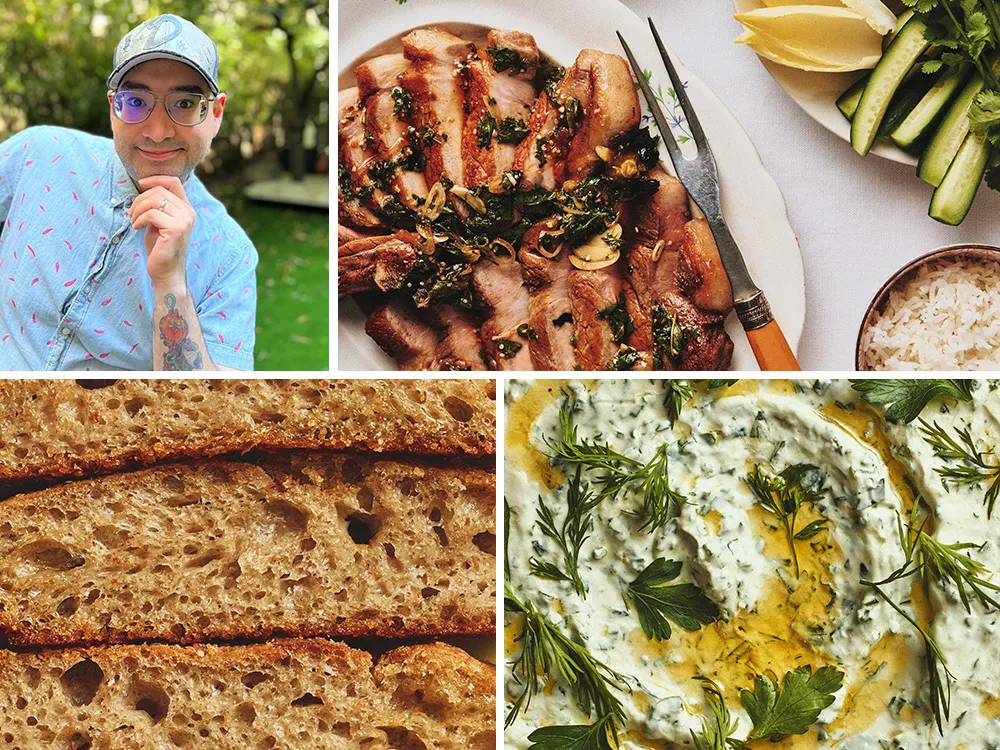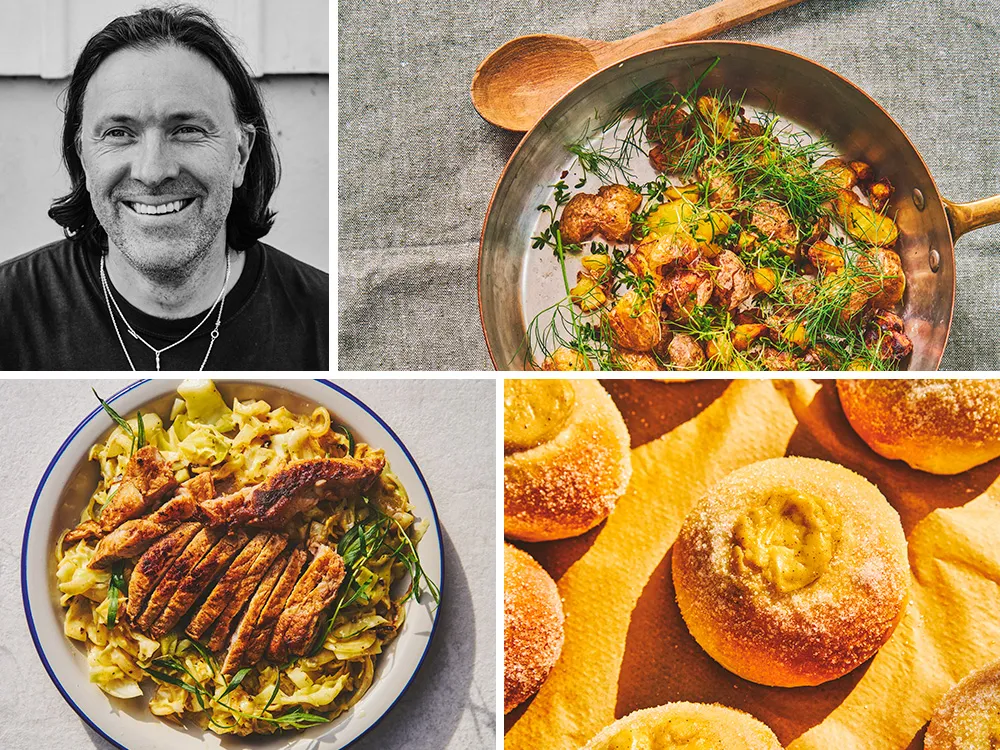
Skip to Content Subscribe Our Offers My Account Manage My Subscriptions FAQ Newsletters Canada Canadian True Crime Canadian Politics Health World Israel & Middle East Financial Post NP Comment Longreads Puzzmo Diversions Comics NP News Quiz New York Times Crossword Horoscopes Life Eating & Drinking Style Sponsored Play for Ontario Travel Travel Canada Travel USA Travel International Cruises Travel Essentials Culture Books Celebrity Movies Music Theatre Television Business Essentials Advice Lives Told Tails Told Shopping Buy Canadian Home Living Outdoor Living Kitchen & Dining Tech Style & Beauty Personal Care Entertainment & Hobbies Gift Guide Travel Guide Amazon Prime Day Deals Savings National Post Store More Sports Hockey Baseball Basketball Football Soccer Golf Tennis Driving Vehicle Research Reviews News Gear Guide Obituaries Place an Obituary Place an In Memoriam Classifieds Place an Ad Celebrations Working Business Ads Archives Healthing Epaper Manage Print Subscription Profile Settings My Subscriptions Saved Articles My Offers Newsletters Customer Service FAQ Newsletters Canada World Financial Post NP Comment Longreads Puzzmo Diversions Life Shopping Epaper Manage Print Subscription HomeCultureBooksLifeEating & DrinkingCook This: 3 recipes from The Swedish Cookbook, including vanilla bunsChef Niklas Ekstedt embraces the spirit of lagom: 'very simply, enough'Last updated 1 week ago You can save this article by registering for free here. Or sign-in if you have an account.Clockwise from top left: Swedish chef Niklas Ekstedt, cubed baby potatoes fried in clarified butter with capers and dill, vanilla buns, and broiled pork chops with creamy pointed cabbage. PHOTOS BY HAARALA HAMILTONEnjoy the latest local, national and international news.Exclusive articles by Conrad Black, Barbara Kay and others. Plus, special edition NP Platformed and First Reading newsletters and virtual events.Unlimited online access to National Post.National Post ePaper, an electronic replica of the print edition to view on any device, share and comment on.Daily puzzles including the New York Times Crossword.Support local journalism.Enjoy the latest local, national and international news.Exclusive articles by Conrad Black, Barbara Kay and others. Plus, special edition NP Platformed and First Reading newsletters and virtual events.Unlimited online access to National Post.National Post ePaper, an electronic replica of the print edition to view on any device, share and comment on.Daily puzzles including the New York Times Crossword.Support local journalism.Create an account or sign in to continue with your reading experience.Access articles from across Canada with one account.Share your thoughts and join the conversation in the comments.Enjoy additional articles per month.Get email updates from your favourite authors.Create an account or sign in to continue with your reading experience.Access articles from across Canada with one accountShare your thoughts and join the conversation in the commentsEnjoy additional articles per monthGet email updates from your favourite authorsSign In or Create an AccountorJump to the recipes: cubed baby potatoes fried in clarified butter with capers and dill, broiled pork chops with creamy pointed cabbage, and vanilla buns.Chef Niklas Ekstedt is known for his use of live-fire and other ancient Scandinavian cooking techniques. “My cooking has been very analog,” he says from his Michelin-starred Stockholm restaurant, Ekstedt, where dishes are prepared solely with the heat of a birch-wood fire. But when he travels, makes TV appearances or cooks family meal (shared staff meals), Ekstedt regularly opts for the classics, many of which fill the pages of his latest title, The Swedish Cookbook (Bloomsbury Publishing, 2026).Meatballs and cardamom buns may be what come to most Canadians’ minds when they think of Swedish food, “both of which are undoubtedly delicious (and unashamedly deserve a place in the book),” writes Ekstedt. But many of the dishes Swedes consider cornerstones of their cuisine aren’t nearly as well-known abroad. He welcomed the opportunity to write a book specifically for an English audience to share them more widely.Join Laura Brehaut on a weekly food adventure with mouth-watering reads delivered Fridays.By signing up you consent to receive the above newsletter from Postmedia Network Inc.A welcome email is on its way. If you don't see it, please check your junk folder.The next issue of Cook This will soon be in your inbox.We encountered an issue signing you up. Please try again“What’s made Swedish food culture so diverse is that the country is pretty long,” says Ekstedt. Sweden stretches for 1,572 kilometres, with landscapes ranging from tundra in the north to temperate farmland in the south, and coastlines bounded by the Atlantic Ocean and the Baltic Sea.“When Europeans think of Sweden, they think of it as the Canada of Europe, so to speak, with only cold climate and pine trees and frozen lakes. But we also do have a southern part of Sweden, where the majority of people live, which is warmer and has wheat fields and more vegetables.”Swedes have always eaten seasonally, but the growing season is short, he adds. “And then the midnight sun, of course, changes the vegetables and the berries in a very special way. So, I wanted to show people the big and the broad differences in the culture and the food.” The Swedish Cookbook is Niklas Ekstedt’s tribute “to the resilience that has shaped the flavours of Sweden.” Photo by Bloomsbury PublishingSome of the recipes in the book stay close to their origins, while Ekstedt has adapted others. As in his restaurants, he’s driven to preserve the ways of those who came before him.“What I’ve done with this book, and what other people do as well, is try to showcase the traditions, and write down the history and the knowledge that we have, because within decades, what we know, and what we do will be very endangered.”The humility of Swedish food speaks to Ekstedt. The Danes have hygge, but in Sweden, it’s all about lagom. He explains it as, “Very simply, enough. Not too much, not too little.” Lagom resonates with Swedes so strongly that they named it their favourite word in a recent poll done on behalf of language magazine Språktidningen.As in life, Ekstedt sees the lagom philosophy reflected in Swedish food, which he credits to the country’s not-so-distant history. In the early 1900s, Sweden was one of the poorest nations in Europe. Today, it’s among the richest with one of the highest standards of living in the world. Though circumstances have changed, the food culture has held onto its roots in “scarcity, long winters and the need to make the most of what little was at hand.” Hardy cabbages and potatoes are still staples, and Swedes are adept at saving the growing season by pickling, fermenting and curing.From essential ingredients such as lingonberries and lingonberry jam — “our ketchup” (use cranberries if you can’t find them) — to simple meals Ekstedt grew up eating in Jämtland, northern Sweden, such as broiled pork chops with creamy pointed cabbage, The Swedish Cookbook is true to his life.Capturing the essence of his native cuisine was a challenge. “You can’t fit a whole food culture into one book,” says Ekstedt. “But I wanted it to be very much a reflection of who I am when it comes to cooking and made sure the recipes and ingredients reflected my personality. And actually, to be the honest way of what I cook at home, or what I cook for my family, or if you were to come to my house as a foreign visitor, what I would want to give you and serve you.” Niklas Ekstedt thinks of this dish of cubed baby potatoes fried in clarified butter with capers and dill as “a modern twist on traditional Swedish råraka — crispy fried grated potatoes.” Photo by Haarala HamiltonSmörstekt Potatis Med Kapris Och DillServes: 41 3/4 lb (795 g) waxy potatoes (such as red-skinned or fingerling) quartered 3 tbsp clarified butter (or ghee), plus optional extra (melted) to serve 2 tbsp nonpareil capers, drained 1 tbsp finely chopped dill A small handful of watercress 2-3 thyme sprigs, leaves picked 1 tbsp white wine vinegar or lemon juiceBring a large saucepan of salted water to a boil. Add the potatoes and boil them for 5-8 minutes, until they will yield to being pressed with a spoon (but don’t mash). Drain the potatoes and leave to steam dry in the colander for 10 minutes.Heat a large frying pan over a medium heat and add the clarified butter. When hot, tip in the potatoes and fry them for 4-5 minutes, turning regularly, until golden and crispy all over. Tip the potatoes into a serving bowl and add the capers (or, if you prefer, you can fry the capers in the empty pan first, to make them crispy, too).Add the dill, watercress and thyme to the bowl and drizzle with the vinegar or lemon juice, and extra clarified butter, if you like, just before serving.Place the butter in a saucepan over a low heat — as low as possible. Eventually, the butter will melt and, after a while longer, you’ll notice that the milk proteins sink to the bottom of the pan and the clear part of the butter is on top — how long this takes will depend on how much butter you’re clarifying. Carefully pour the clarified butter into a separate container, leaving the white residue in the pan (discard this). Refrigerate and use as needed. Niklas Ekstedt grew up eating this dish of broiled pork chops with creamy pointed cabbage in Jämtland, northern Sweden. Photo by Haarala HamiltonGrillade Fläskkotletter Med Krämig SpetskålServes: 4A little vegetable oil, for brushing 4 bone-in centre-cut loin chops (about 1 1/4 inches/3 cm thick), at room temperature 2 tbsp unsalted butter 1 pointed, hispi or sweetheart cabbage (see tip), sliced into 3/4-inch (7-mm) strips 7 tbsp heavy (whipping) cream 1 tbsp Dijon mustard A small handful of tarragon, leaves picked Salt and black pepperHeat the broiler to medium-high.Brush the chops with a little vegetable oil and place them on the broiler pan. Broil for 5 minutes each side, until fully cooked through. Remove the chops from the broiler and season with salt and pepper. Keep warm.Melt the butter in a large frying pan over a medium-high heat. Add the cabbage and sauté for 3-4 minutes, stirring occasionally, until wilted and just tender. Add the cream and mustard, and let the mixture simmer for a few minutes to heat through.Divide the cabbage between your serving plates and top with a pork chop (slice it, if you wish). Garnish with a few tarragon leaves to finish.Tip: Swap pointed, hispi or sweetheart cabbage for green cabbage or a milder savoy cabbage as an alternative, if you wish. “To me, vanilla buns are the slightly more luxurious cousin of the cinnamon bun — soft, fluffy and loaded with a sweet vanilla filling,” says Niklas Ekstedt. Photo by Haarala HamiltonVaniljbullarMakes: about 151 oz (25 g) fresh yeast or 1 x 1/4-oz (7-g) envelope instant yeast (roughly 2 1/4 tsp) 1 cup (250 g) whole milk 4 cups (500 g) all-purpose flour (or use bread flour) 1/3 cup plus 1/2 tbsp (75 g) granulated sugar 1 tsp ground cardamom 5 tbsp (75 g) unsalted butter, at room temperature 1 tsp saltFor the cream filling: 1/2 cup (125 g) whole milk A pinch of vanilla powder or 1/2 vanilla bean 2 tbsp granulated sugar 2 egg yolks 2 tsp cornstarch Scant 2 tbsp (25 g) unsalted butter, softenedTo finish: Scant 2 tbsp (25 g) unsalted butter, melted 1/4 cup (50 g) granulated sugarFirst, make the filling. Heat the milk with the vanilla in a saucepan over a medium heat until the milk just starts to boil. Immediately remove the pan from the heat.In a bowl, whisk together the sugar, egg yolks and cornstarch. Stir continuously as you pour in the warm milk (remove the vanilla bean, if necessary).Return the pan to a medium-low heat and stir until the mixture thickens to the consistency of custard (don’t let it get too thick, as it will firm up further when the buns bake). Add the butter, then stir to melt and combine.Pour the cream filling into a cold bowl. Cover the surface with plastic wrap to stop a skin forming, then refrigerate until needed (alternatively, you can dispense with the plastic wrap and just stir frequently as it cools).To make the buns, crumble the fresh yeast into a mixing bowl or tip in the instant yeast (use the bowl of a stand mixer, if you have one).Pour the milk into a small saucepan and place it over a medium-low heat. Warm the milk gently until it reaches 99F (37C) on a cooking thermometer (‘blood’ temperature — just lukewarm to the skin). Pour the milk into the bowl with the yeast and stir to dissolve. Add the flour, sugar, cardamom, butter and salt and mix to a homogeneous dough.By hand or in the bowl of a stand mixer fitted with the dough hook on medium speed, knead for about 10 minutes until smooth and elastic. Cover the bowl with a clean dish towel, and leave the dough to rise in a warm place for about 30 minutes, until doubled in volume.Meanwhile, line two baking sheets with parchment paper.Divide the risen dough into 15 equal pieces and roll each piece into a ball. Place the balls on the lined baking sheets, spacing them well apart. Once you have rolled them all, cover the pans with a clean dish towel and leave the balls to proof in a warm place for 40 minutes until risen.Heat the oven to 400F (200C). Spoon the vanilla cream filling into a piping bag fitted with a plain 1-inch (2.5-cm) tip (if you don’t have one, you can spoon the cream into the buns, so don’t worry).Press your thumb gently into the middle of each bun to create a hollow and pipe or spoon in the vanilla cream.Bake the buns in the middle of the oven for 7-9 minutes, until golden. Remove the pans from the oven and leave the buns to cool. Once cooled, brush them with the melted butter and roll them in the 1/4 cup (50 g) of granulated sugar to finish. The buns will keep in an airtight container for up to 4 days.Recipes and images excerpted from The Swedish Cookbook: Lagom Flavors for the Modern Kitchen. Used with the permission of the publisher, Bloomsbury. Text copyright ©2026 by Niklas Ekstedt, Photography copyright ©2026 by Haarala Hamilton.Our website is the place for the latest breaking news, exclusive scoops, longreads and provocative commentary. Please bookmark nationalpost.com and sign up for our cookbook and recipe newsletter, Cook This, here. Join the Conversation This website uses cookies to personalize your content (including ads), and allows us to analyze our traffic. Read more about cookies here. By continuing to use our site, you agree to our Terms of Use and Privacy Policy.
Cook This: 3 recipes from The Swedish Cookbook, including vanilla buns
Chef Niklas Ekstedt embraces the spirit of lagom: 'very simply, enough'
2,432 words~11 min read