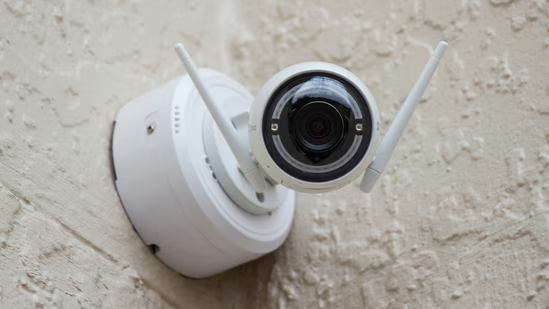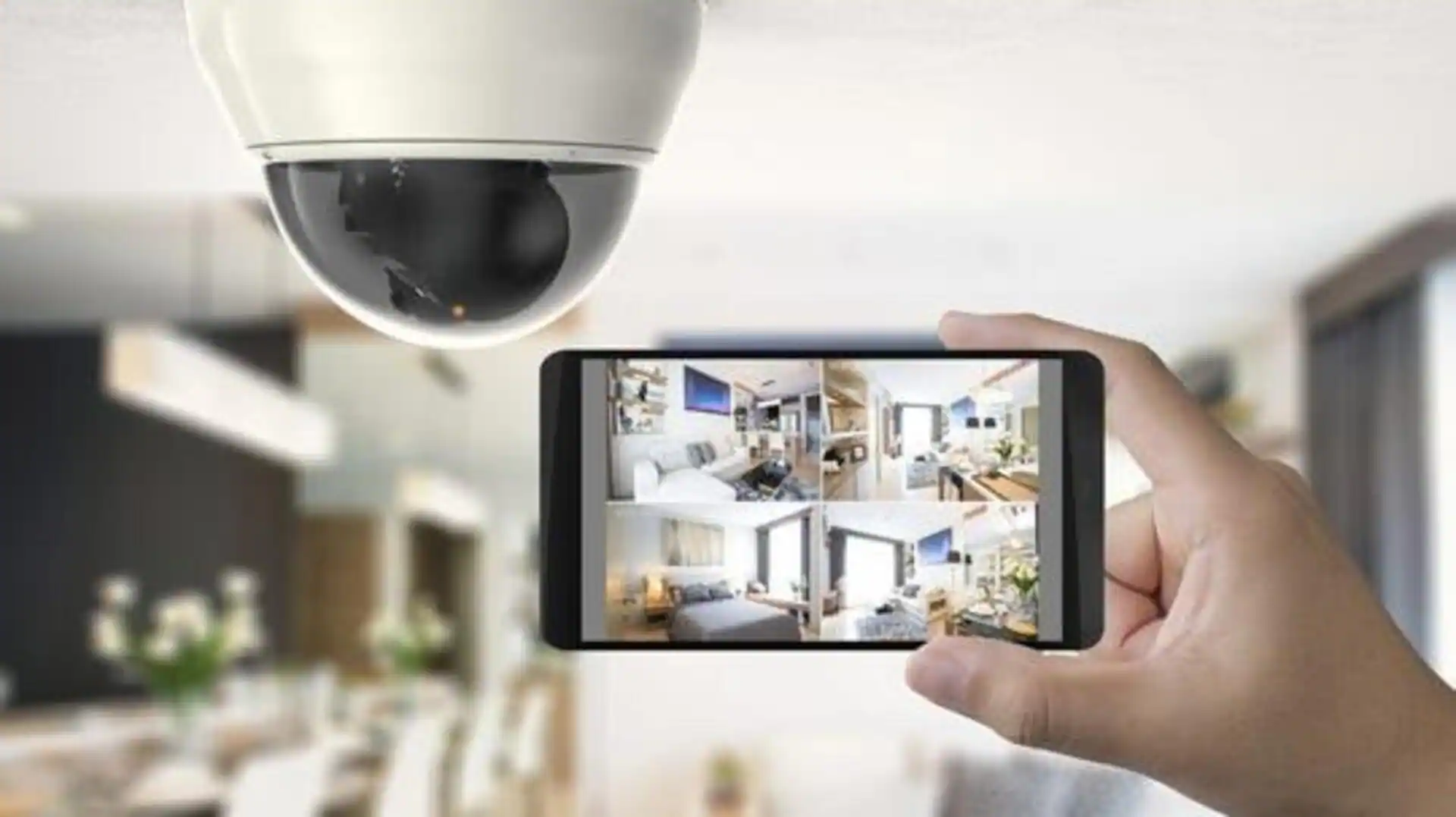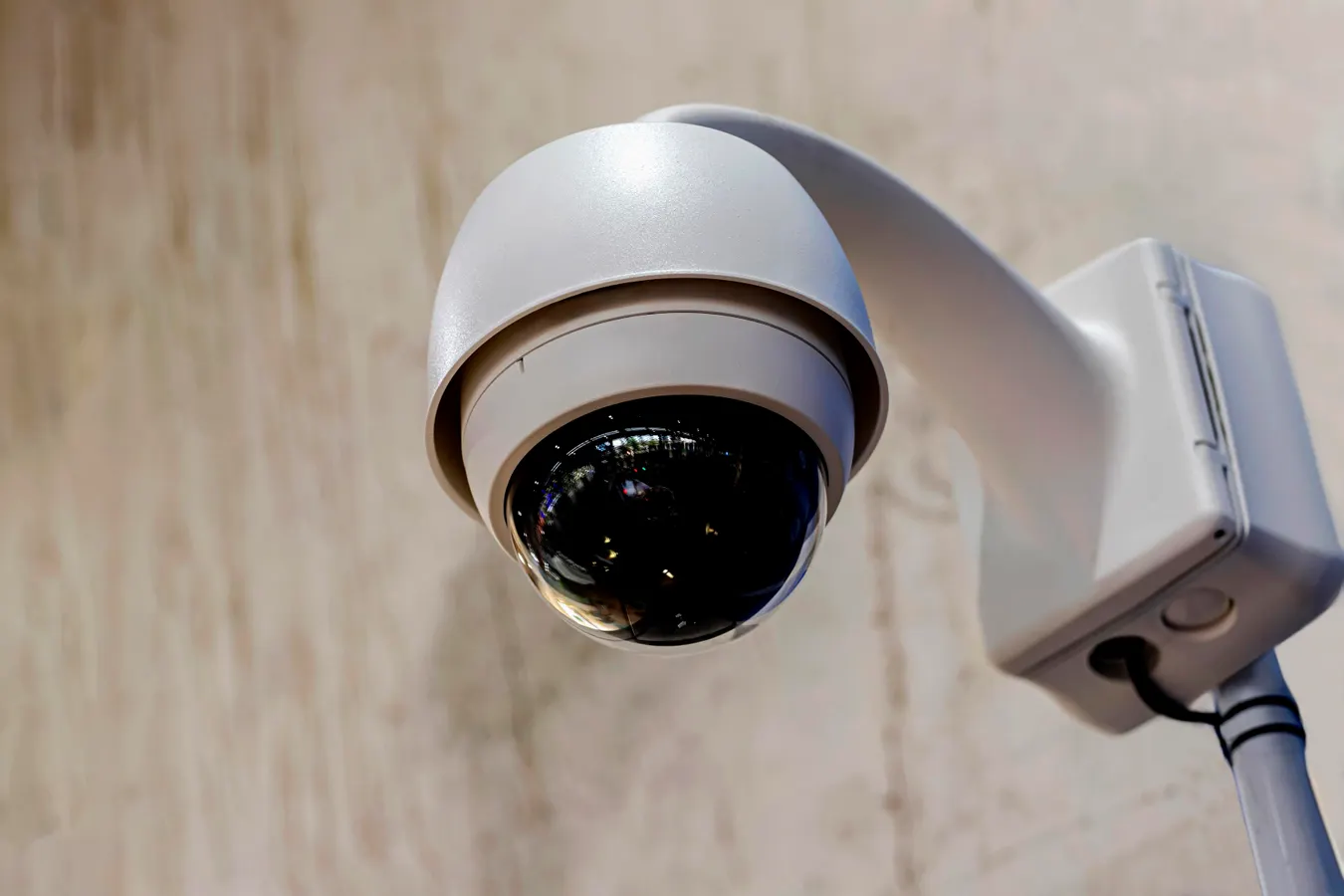
The first thing the sensor sees is the ceiling. It is an unremarkable ceiling, white acoustic tile, fluorescent strip, a slight nicotine tinge from a generation of residents who were once allowed to smoke indoors. The sensor is not a camera in the conventional sense. It does not record video; the procurement document made a point of that. It is a low-resolution thermal array, mounted in a discreet white housing about the size of a smoke alarm, and it watches the room beneath it as a heat map. When a heat-map blob detaches from the bed and crosses the floor, it logs movement. When the blob lies horizontal in a place a human body should not be horizontal, it pings a tablet at the nurses' station. The vendor calls this fall detection. The procurement notice called it dignity-preserving monitoring. The night shift on a typical residential aged care floor in Australia or England in early 2026, which is often one registered nurse and two personal care workers covering upwards of forty residents, calls it the thing that goes off.
What the thing goes off about, on the kinds of nights the Australian Royal Commission into Aged Care Quality and Safety documented across ninety-nine sitting days of evidence and that the Care Quality Commission in England continues to describe in its state-of-care reports, is the sort of incident that happens when an older resident with dementia transfers from bed, returns toward it, and falls. The sensor logs the transfer; it logs the horizontal heat signature on the floor; it pings the tablet. The personal care worker on duty may be two corridors away changing another resident. By the time anybody arrives, the resident has been on the carpet long enough for a hip to break. The sensor has done exactly what the brochure said it would do. Nobody has been close enough for the information to matter. That pattern, not any one incident, is what the evidence that regulators have taken in sworn testimony describes.