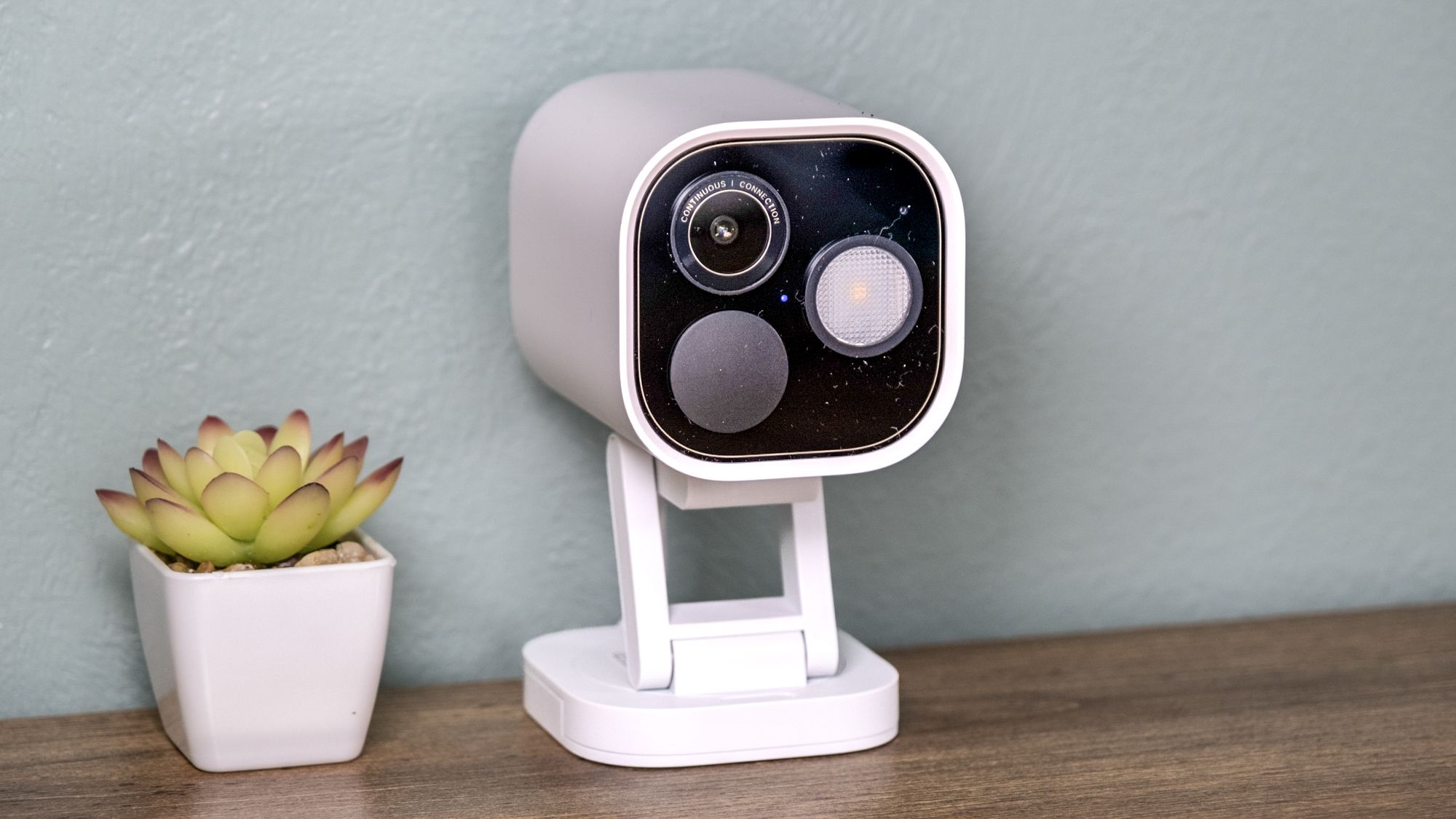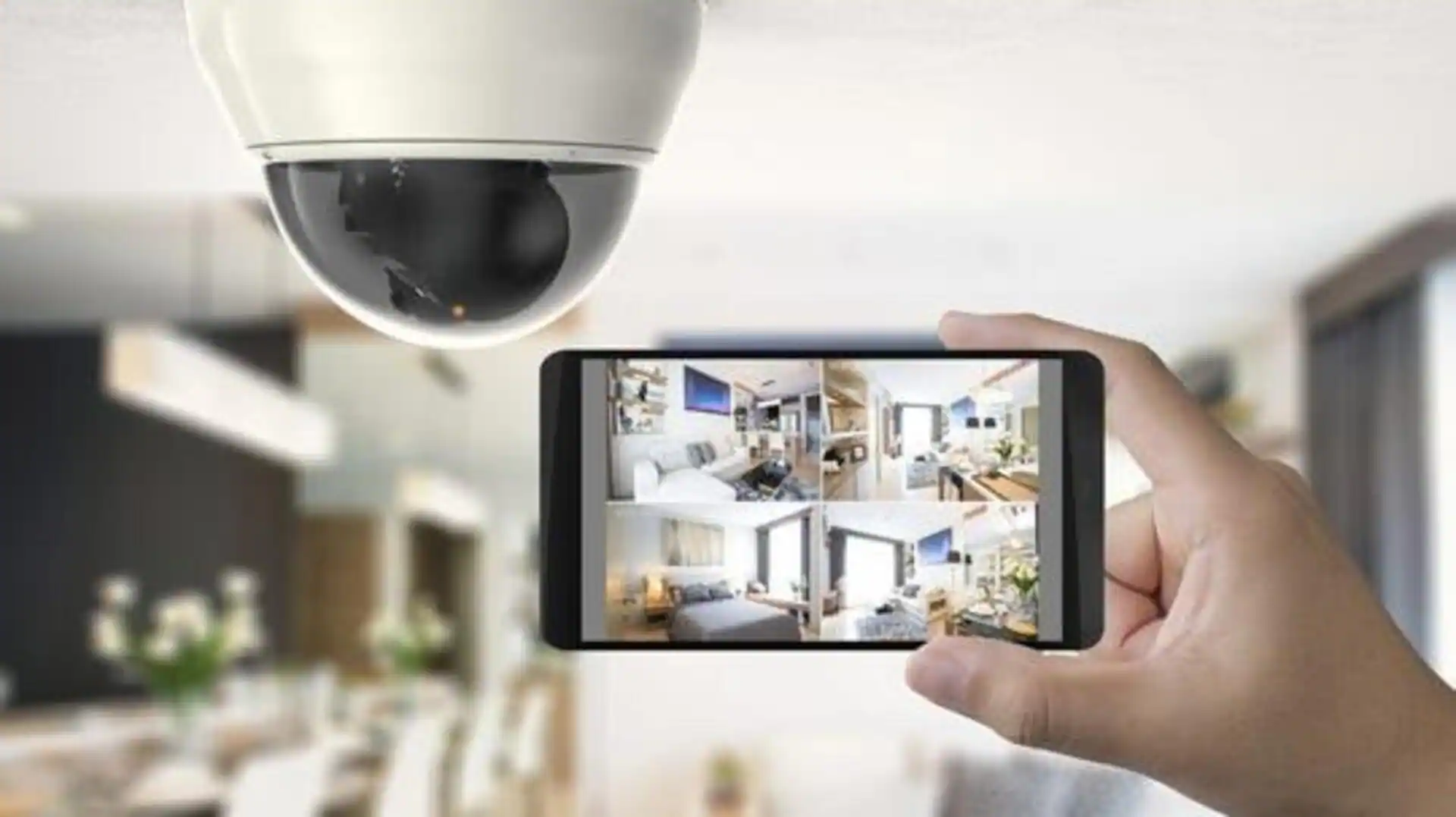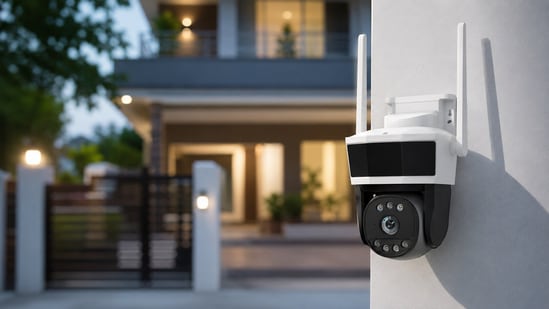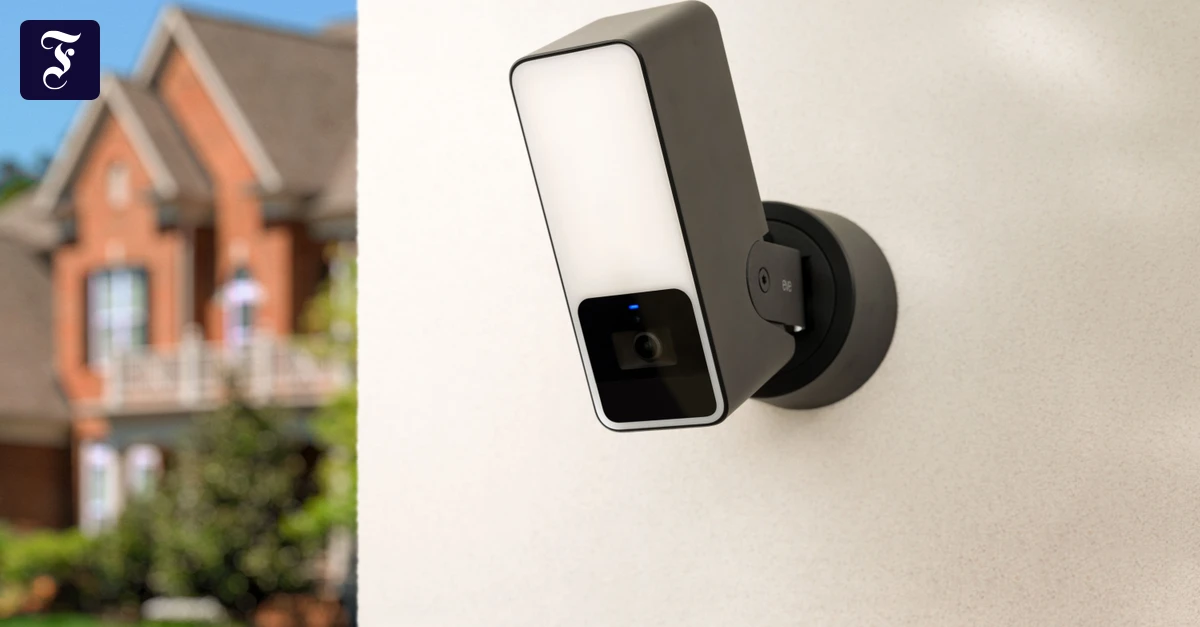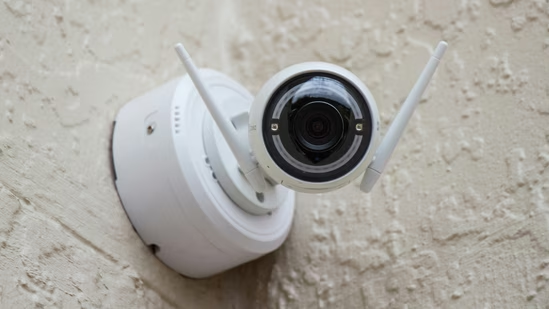
Home security cameras have been around for years, but most users share the same complaint: too many alerts and too little useful information. A camera that notifies homeowners every time a tree branch moves or a stray animal crosses the driveway often creates more noise than value. Artificial intelligence is starting to change that.
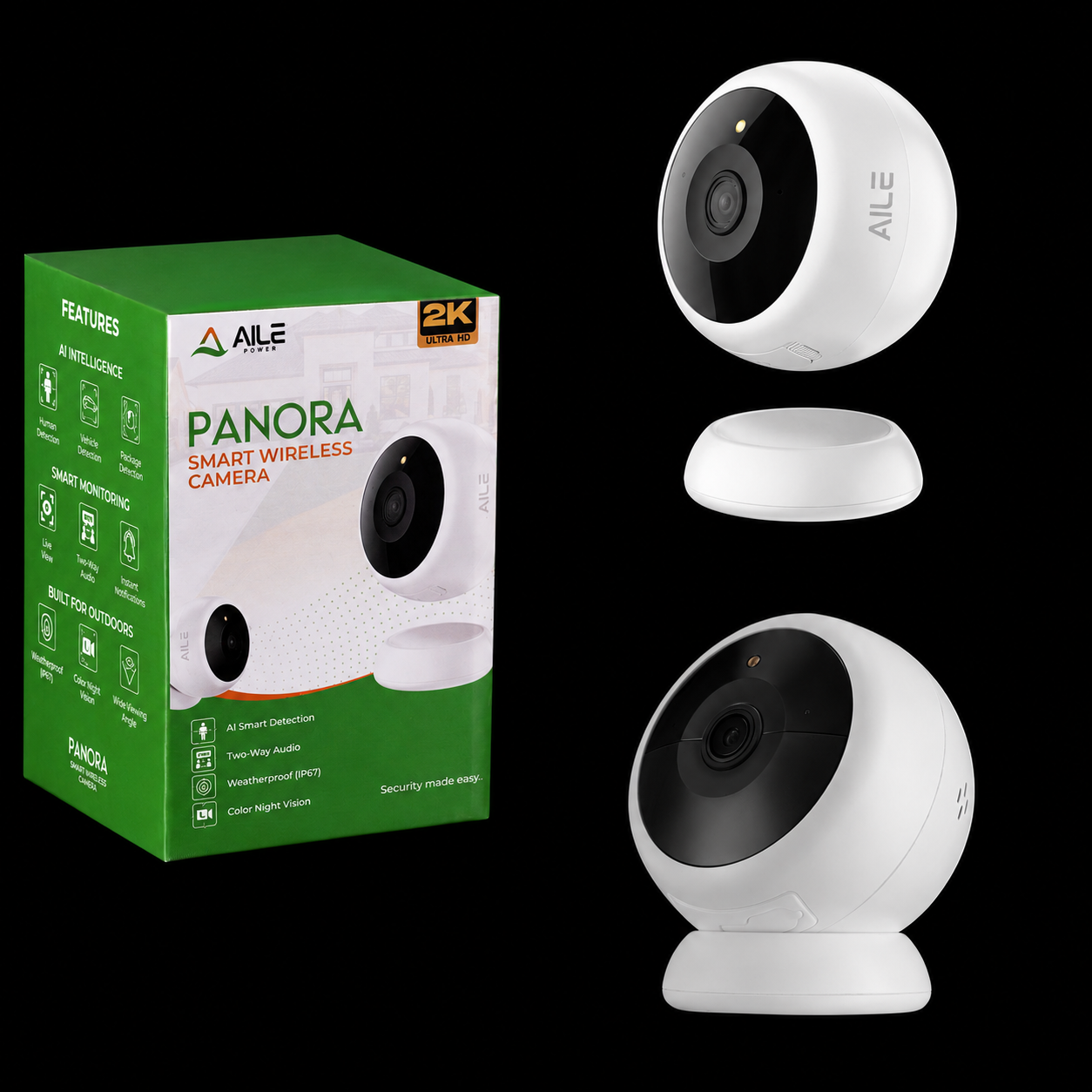
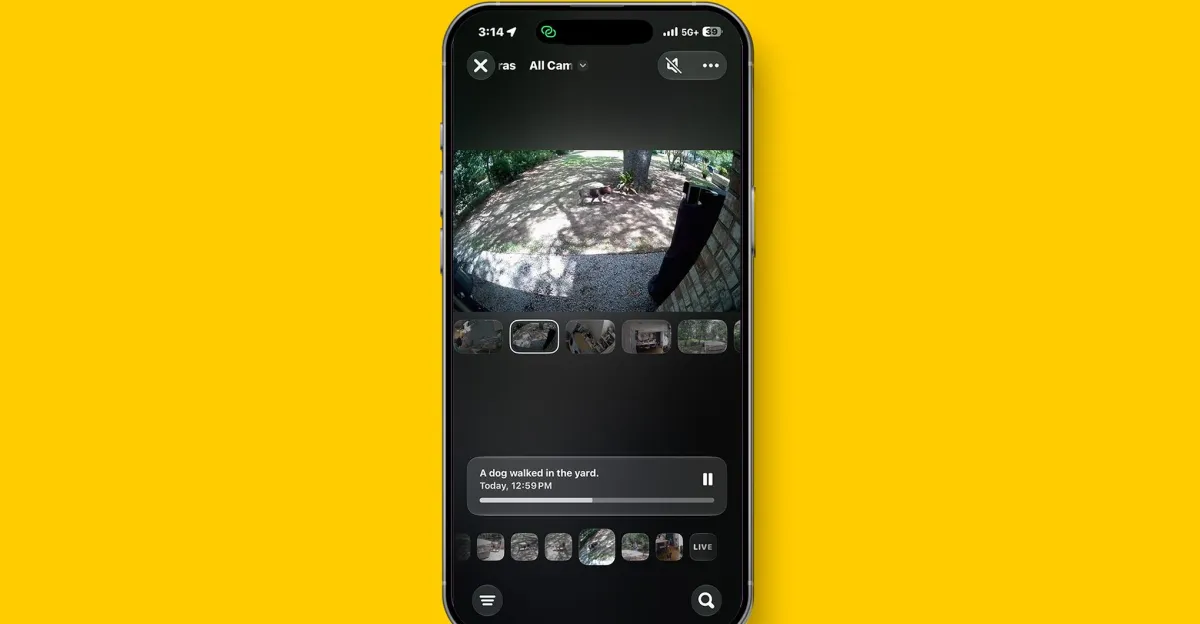
Modern security cameras are no longer limited to recording footage. Many models now use AI to identify people, vehicles, packages, and other objects. Instead of sending alerts for every movement, these systems focus on events that are more likely to matter. The result is a surveillance setup that requires less manual monitoring and delivers information that homeowners can act on quickly.
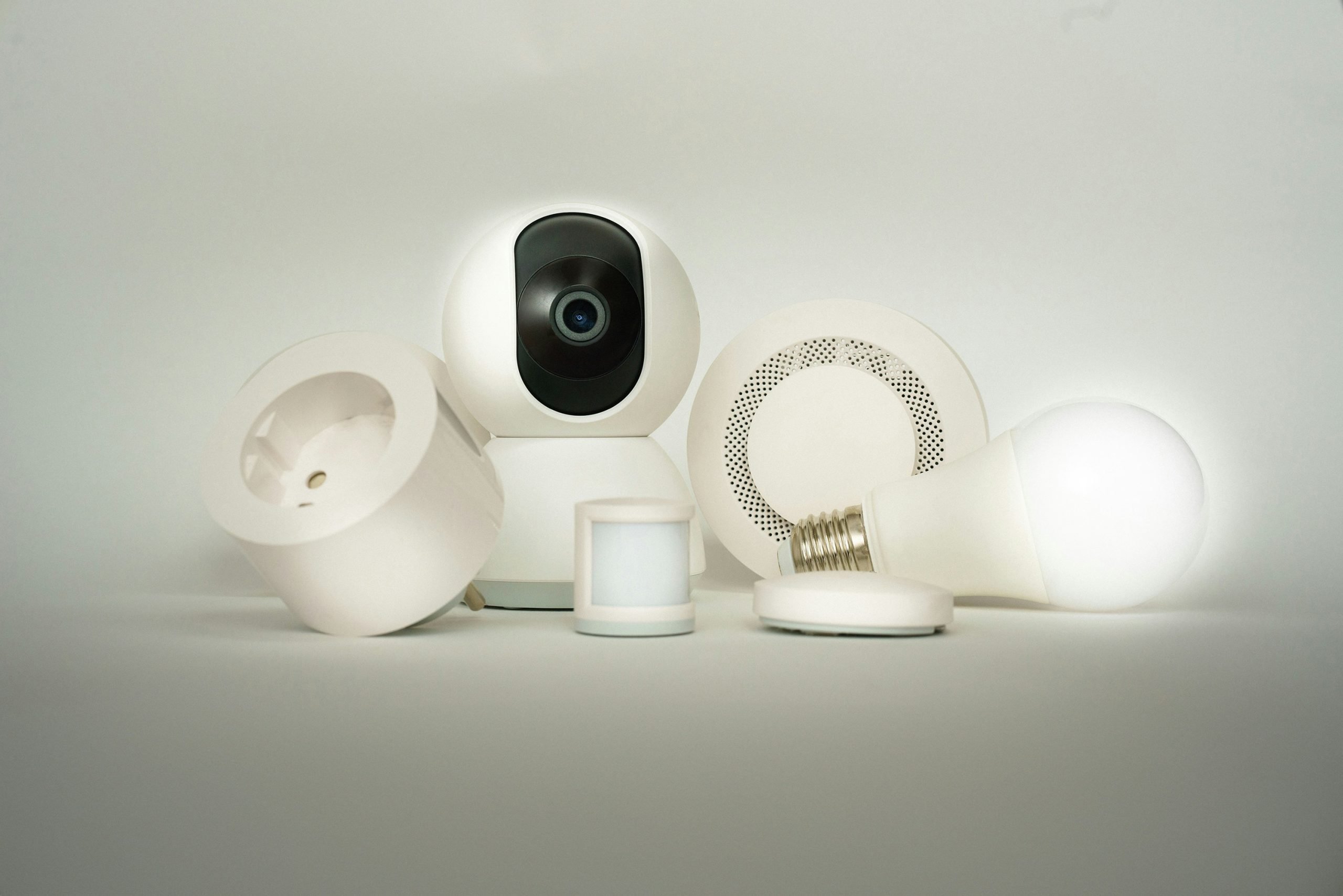
The shift reflects a broader trend in smart home technology. Consumers increasingly prefer devices that simplify daily tasks rather than add another screen to watch. AI-enabled cameras can recognise familiar faces, maintain searchable event records, and generate alerts based on specific activities. Combined with cloud services and edge processing, these systems can analyse footage faster while reducing unnecessary storage use.
That said, not every camera delivers the same experience. Detection accuracy, privacy controls, software updates, and data security policies remain important considerations before making a purchase.