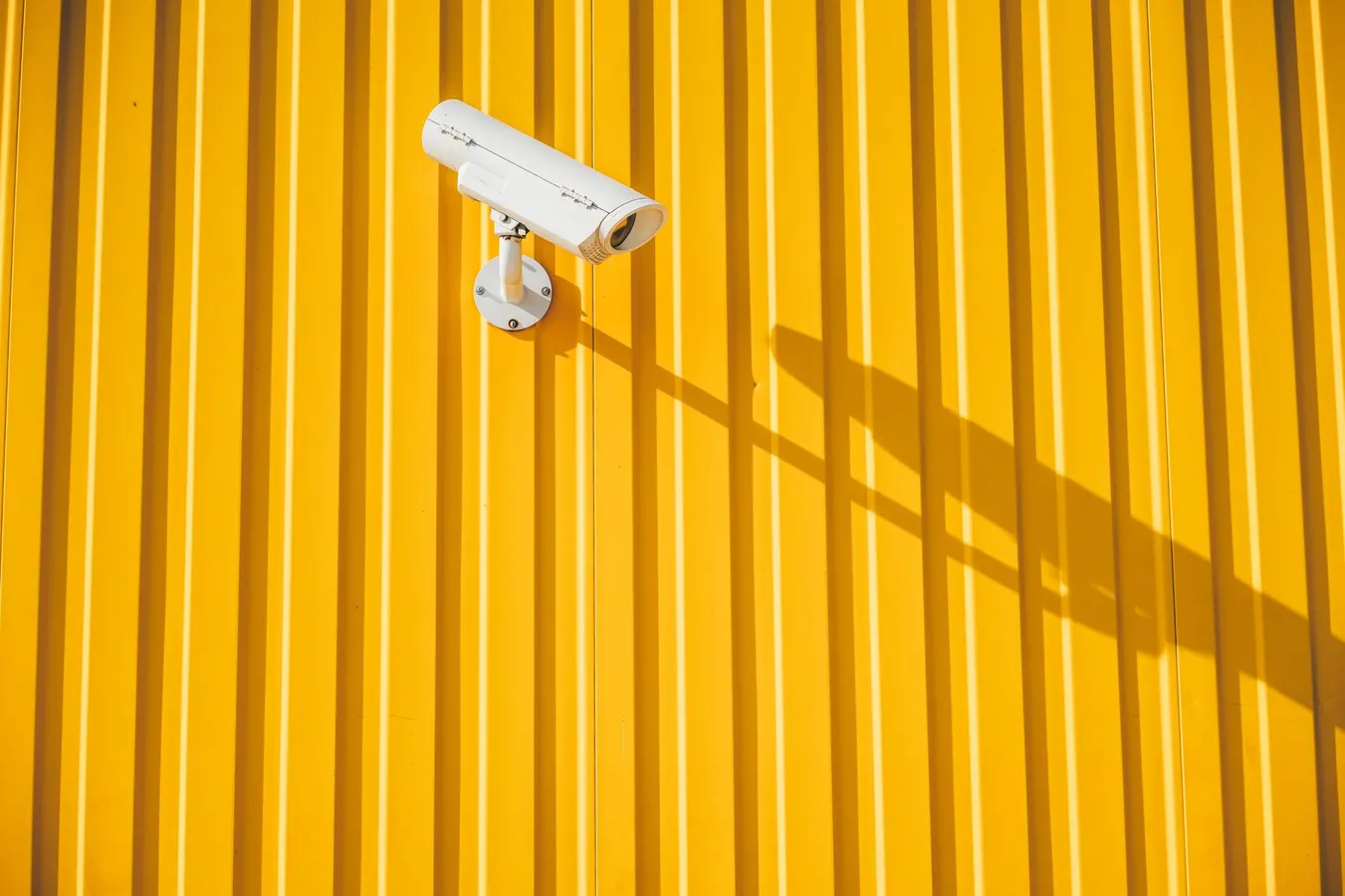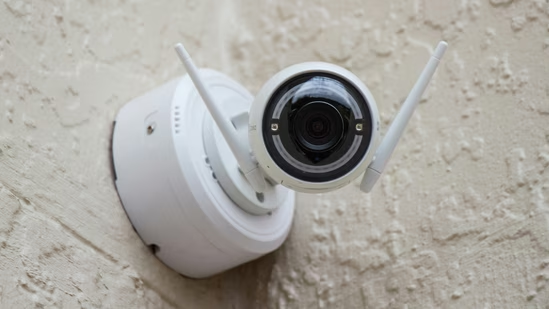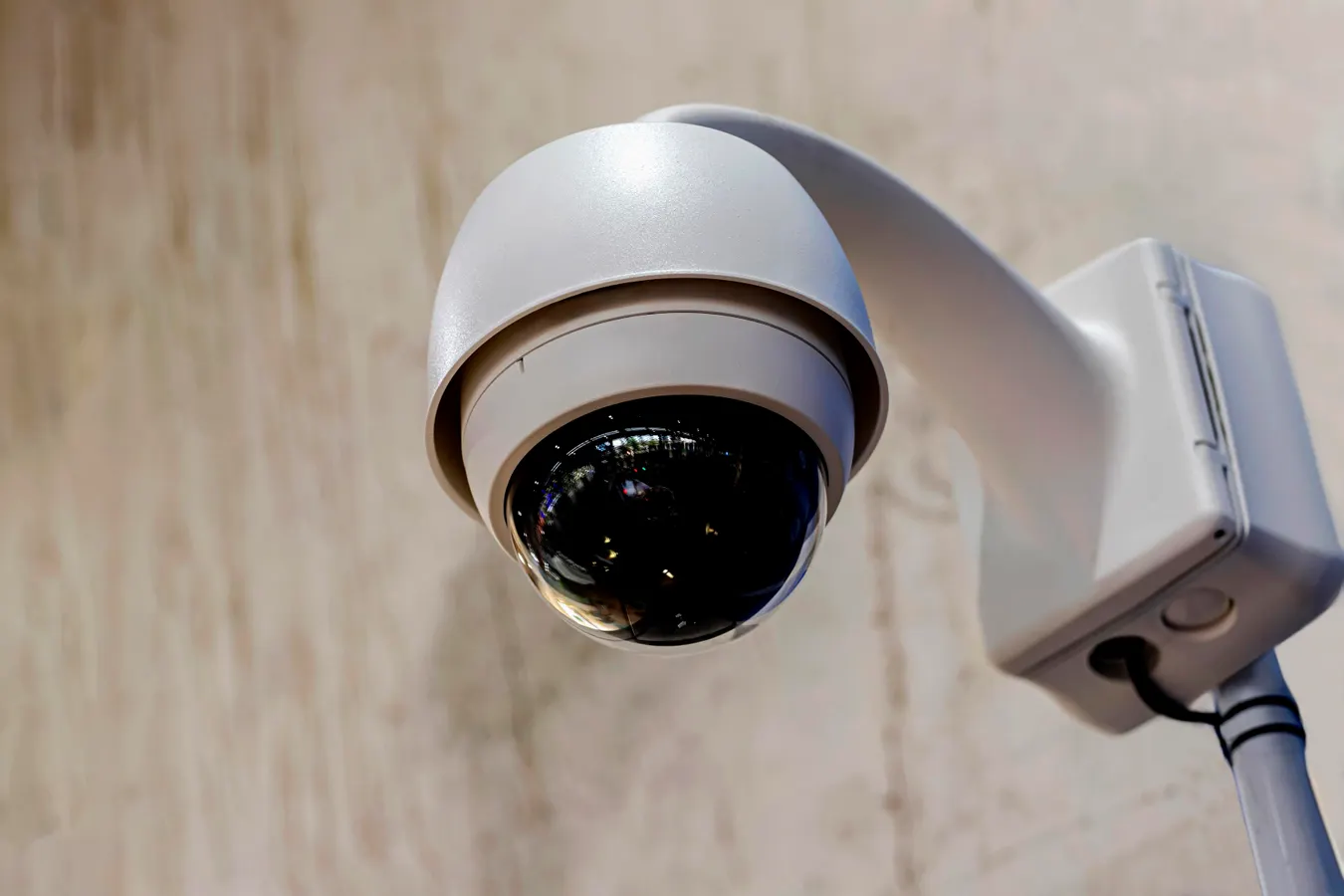
Robert Messer is the CEO of IPTECHVIEW.gettyMarcus has been installing security cameras for 19 years. He knows the drill—assess the site, run the cable, mount the hardware and configure the recorder. It's a day's work, maybe two. Done.Last year, however, something changed. His clients stopped asking about resolution and storage. They started asking about dwell time analytics, predictive maintenance alerts and AI-driven compliance monitoring. One logistics company wanted to know if cameras could reduce their detention fees on truck deliveries. A regional grocery chain asked whether footage could inform its seasonal shelf reset strategy.Marcus, like thousands of camera integrators across the country, is no longer just a technician. He's an AI consultant. This shift signals a broader evolution: The surveillance camera has quietly become the enterprise's most powerful business intelligence tool. The executives who recognize this are already ahead.The Hidden Liability In Your BasementFor decades, the physical server room was treated as a necessary evil—rows of network video recorders (NVRs) humming in back offices, consulted only after something went wrong and then forgotten. The assumption was that security is a cost center: You budget for it and hope you never need it.That assumption is now expensive. The traditional NVR model carries compounding "hardware debt"—cooling, physical space, manual patching and on-site maintenance that organizations rarely quantify in full. However, the bigger cost is invisible: the operational friction and near-misses that passive systems capture after the fact but can never prevent.The shift to serverless, cloud-integrated architecture can remove the hardware burden entirely. By moving processing power to the edge—directly into the camera—modern systems eliminate the centralized bottleneck and replace it with real-time intelligence.From Postmortem To PreemptiveTraditional surveillance was forensic by design. Today's edge-AI cameras don't wait for a postmortem; they can recognize patterns in real time, flagging anomalies before they escalate.A pallet sitting in a restricted zone too long, a worker entering a hazardous area without PPE and a delivery truck idling at a dock past its window aren't hypotheticals; they're daily operational realities that intelligent systems catch instantly. The distinction between recording and responding is the entire game.The data backs this up. According to a November 2025 MarketsandMarkets report, the global video surveillance market is projected to climb to $88.06 billion by 2031, but the more instructive metrics are operational. A 2021 McKinsey report found that companies deploying AI-enabled visual intelligence across their supply chains have cut logistics costs by 15%, reduced inventory levels by 35% and improved service levels by 65% compared to peers using legacy systems.The Friction Of Transition: Overcoming 'Hardware Debt'If the benefits are so clear, why does the legacy model still haunt so many back offices? For leadership, the hesitation usually stems from a trio of perceived barriers:1. The Cost-Complexity TrapHistorically, high-end intelligence required high-end infrastructure. However, the emergence of cloud-native edge cameras is shifting this narrative. By bypassing the need for an on-site "middleman" (the recorder), organizations can scale one camera at a time, turning a massive capital expenditure into a manageable operational expense.2. The Security ParadoxPerhaps the greatest hurdle is the "cloud myth"—the belief that connecting video to the internet increases risk. In reality, a professional cloud-managed service is often more secure than a self-hosted solution. While on-premises systems can languish without security patches, cloud platforms offer continuous, automated hardening.3. The AI 'Killer App'We've reached a tipping point where AI is the application that justifies the cloud transition. When a camera becomes a tool for spoilage reduction, dock utilization and safety compliance, it stops being a security cost and starts being a business necessity.One Camera, Multiple Revenue LinesStrip away the "security" label, and what you have is a high-resolution, AI-powered visual sensor capable of monitoring any physical environment at scale.In manufacturing, these sensors can detect micro-anomalies in machinery to prevent downtime. In logistics, they can streamline dock management to reduce delivery delays. In retail, they can provide the foot traffic analysis and dwell time measurement that inform floor layouts and staffing—all with the same device that's also watching for shrinkage at checkout.The Question Executives Need To AskThe camera infrastructure many organizations already own is capable of far more than it is currently delivering. The gap isn't the technology; it's the mindset.In 2026, the value of a video platform is measured by the intelligence delivered. Organizations that recognize the camera as operational infrastructure will make faster decisions, catch problems earlier and extract ROI from an asset they already own. The server room is ending.Back to Marcus: The last time I checked in, he was preparing a presentation for a mid-sized cold storage operator in the Midwest. He wasn't talking about frame rates or hard drive bays. He was building a business case for how cameras could reduce spoilage events and improve dock utilization. He was speaking a language that had nothing to do with security—and it turns out, that's a much more interesting job.Forbes Technology Council is an invitation-only community for world-class CIOs, CTOs and technology executives. Do I qualify?
The End Of The Server Room: What Happens When Your Cameras Start
Today's edge-AI cameras don't wait for a postmortem; they can recognize patterns in real time, flagging anomalies before they escalate.
824 words~4 min read