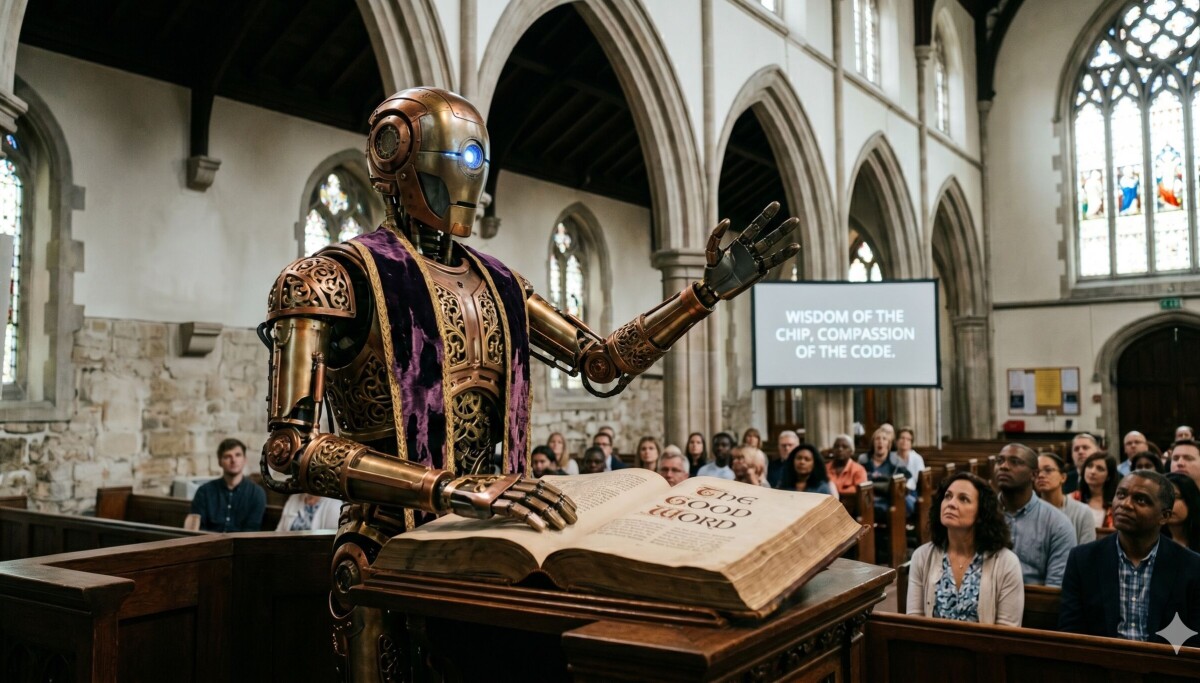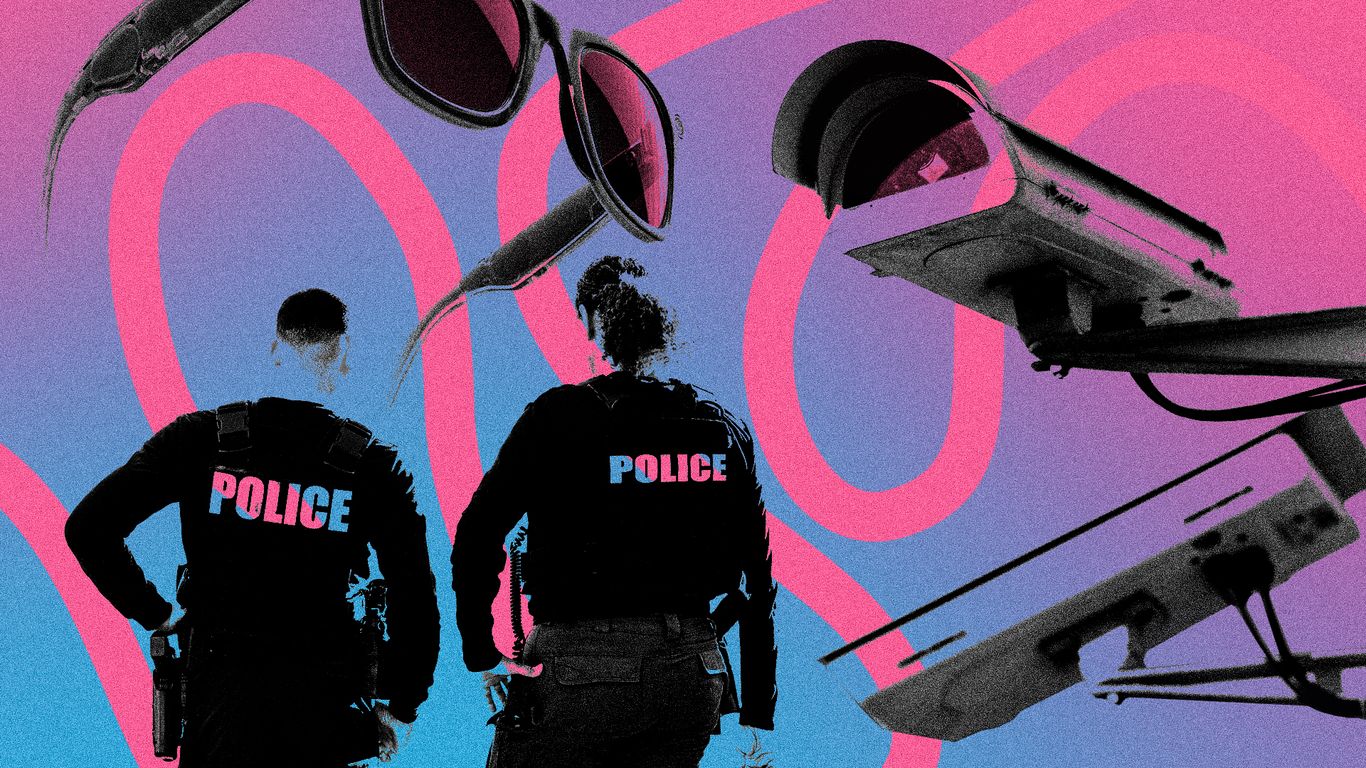
Spiritual care and surveillance are converging across the country, reshaping the theology of trust.
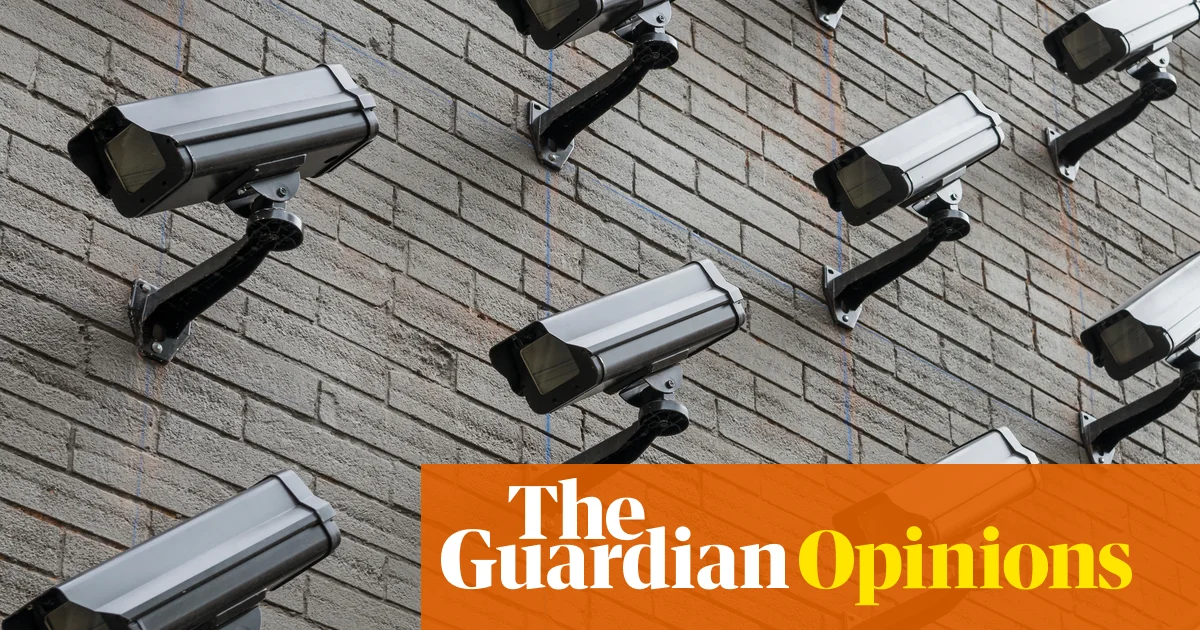
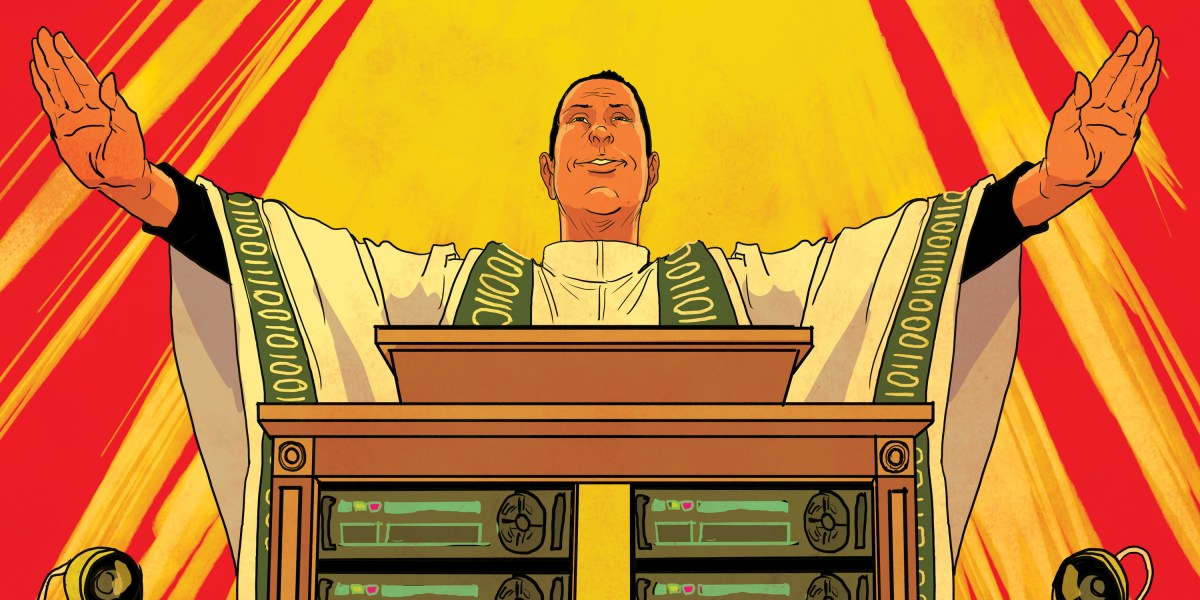
On a Sunday morning in a Midwestern megachurch, worshippers step through sliding glass doors into a bustling lobby—unaware they’ve just passed through a gauntlet of biometric surveillance. High-speed cameras snap multiple face “probes” per second, isolating eyes, noses, and mouths before passing the results to a local neural network that distills these images into digital fingerprints. Before people find their seats, they are matched against an on-premises database—tagged with names, membership tiers, and watch-list flags—that’s stored behind the church’s firewall.
“Robot utility models” sidestep the need to tweak the data used to train robots every time they try to do something in unfamiliar settings.
Late one afternoon, a woman scrolls on her phone as she walks home from work. Unbeknownst to her, a complex algorithm has stitched together her social profiles, her private health records, and local veteran outreach lists. It flags her for past military service, chronic pain, opioid dependence, and high Christian belief, and then delivers an ad to her Facebook feed: “Struggling with pain? You’re not alone. Join us this Sunday.”