Experts say paid participants are using automated tools to generate unreliable survey responses at scale
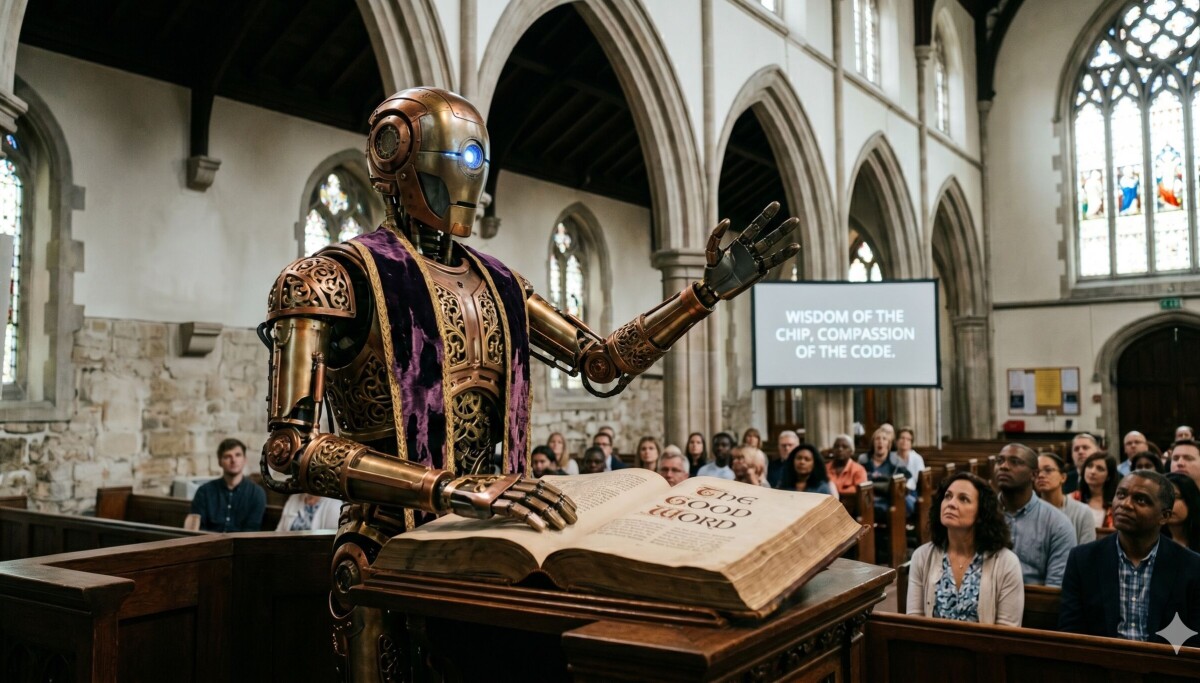
If you had been keeping tabs on the news about church attendance in Britain lately, you would be forgiven for thinking the country was in the midst of a Christian revival.
Stories of swelling congregations, filled with young people returning to the flock, spurred on by everything from social media to a rise in bible sales appeared to be confirmed by a 2024 report from the Bible Society.
Based on data collected by a YouGov survey, it claimed church attendance was increasing in England and Wales. The findings drove headlines, and the narrative was established.
There was just one problem – the survey turned out to be based on “fraudulent” data and has been withdrawn. And academics and experts are warning that this episode should serve as a parable, not about a renaissance in religion, but of the false prophets of artificial intelligence.