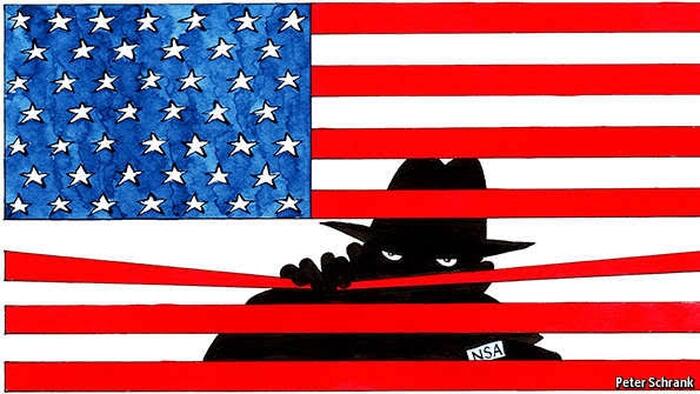
DENVER ‒ For decades, the government has been able to watch where you drive and where you walk. It can figure out where you shop, what you buy and who you spend time with.
It knows how much money you have, where you've worked and in many cases, what medical procedures you've had. It can figure out if you've attended a protest or bought marijuana, and can even read your emails if it wants.
But because all of those data points about you were scattered across dozens of federal, state and commercial databases, it wasn't easy for the government to easily build a comprehensive profile of your life.
That's changing ‒ fast.
With the help of Big Tech, in just a few short months, the Trump administration has expanded the government surveillance state to a whole new level as the president and his allies chase down illegal immigrants and suspected domestic terrorists, while simultaneously trying to slash federal spending they've deemed wasteful, and prevent foreigners from voting.