Food and Environmental Hygiene Department says success of new night-vision cameras in spotting such nuisances paves way for AI usage
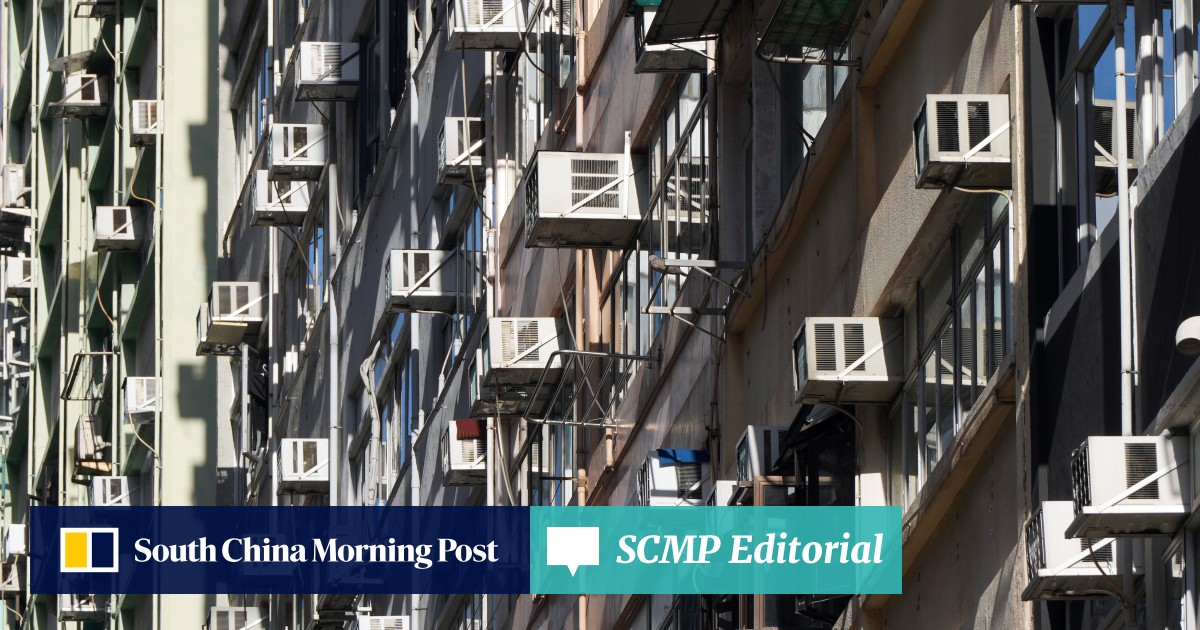
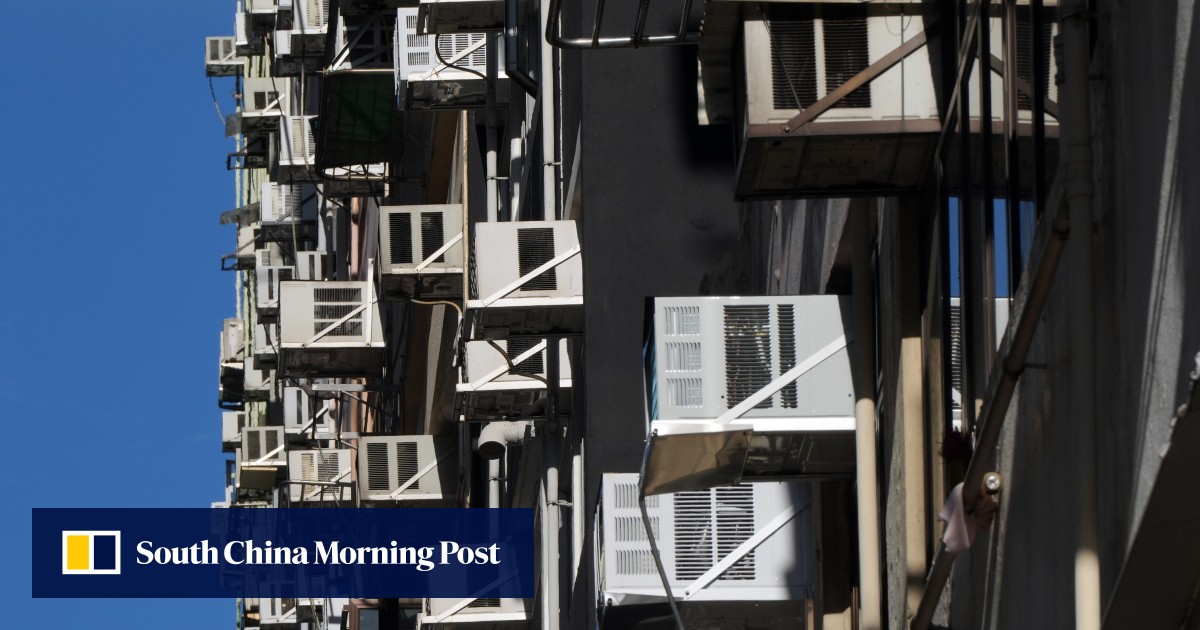
Hong Kong hygiene authorities plan to incorporate artificial intelligence into their third-generation cameras to detect dripping air conditioners after the recent deployment of night-vision devices helped improve their efficiency.
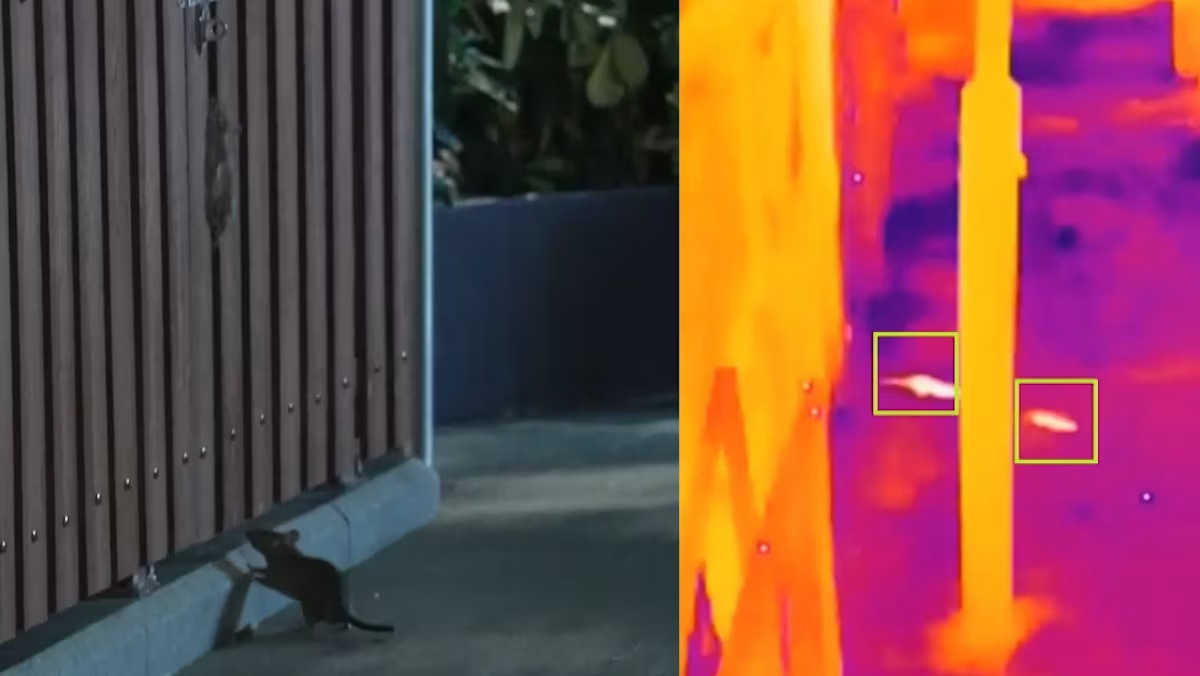
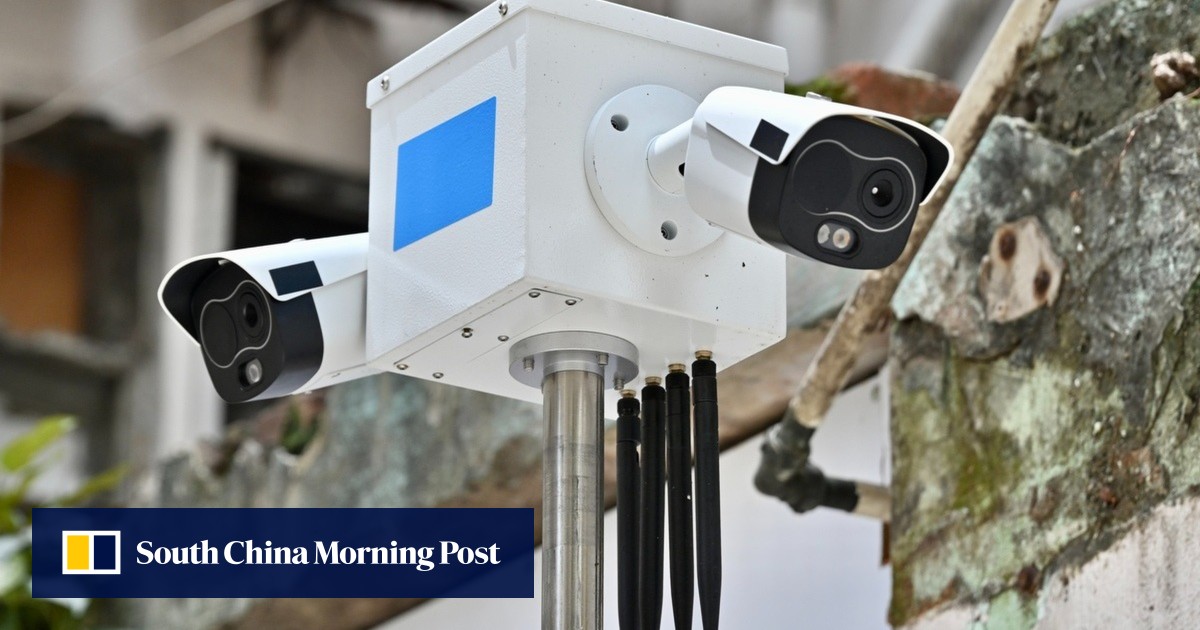
Wan Chi-shun, assistant director of operations at the Food and Environmental Hygiene Department, said on Thursday that the department spent HK$1.3 million (US$167,000) on developing 38 sets of infrared night-vision cameras, which were deployed from May and used to detect sources of water dripping from high-rise buildings during nighttime.
“Previously, it was difficult to locate the sources of water dripping in the dark. With the devices, officers can quickly locate the source and deal with the case, and then move on to another,” he said.
Your personal data will be processed and information from your device (cookies, unique identifiers, and other device data) may be stored by, accessed by and shared with 88 TCF vendor(s) and 20 ad partner(s), or used specifically by this site or app.