Story audio is generated using AI
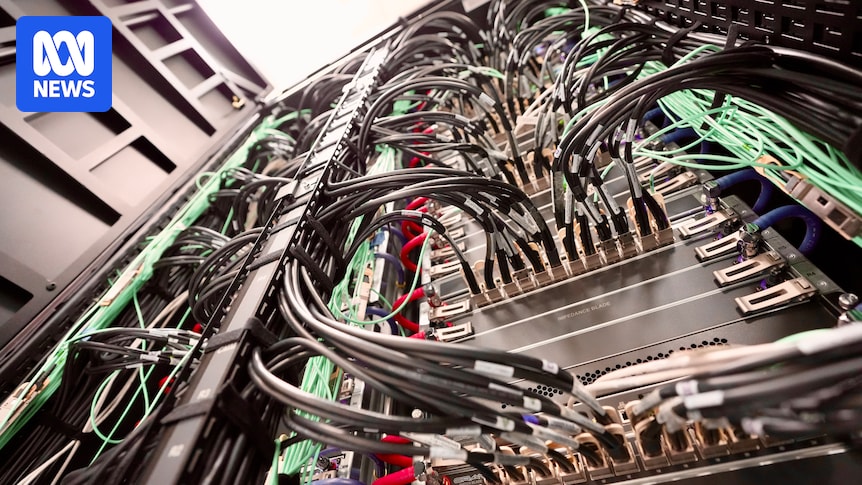
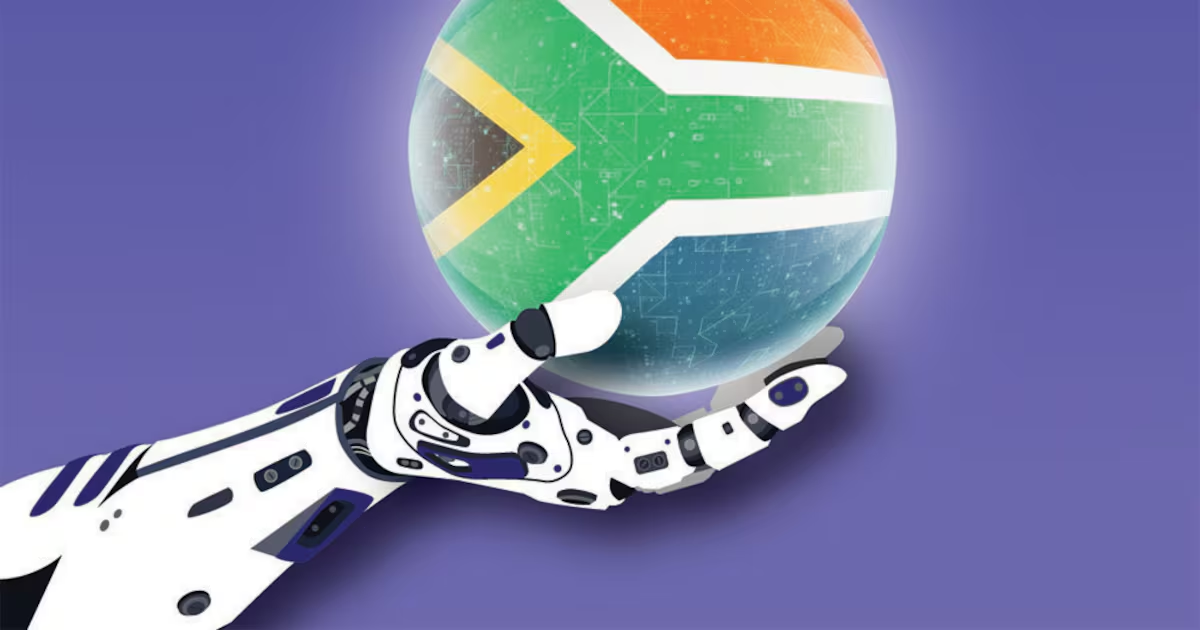
Artificial intelligence (AI) is rapidly reshaping the global economy. Governments are investing billions in AI infrastructure, technology companies are expanding their data centre networks, and countries are competing to position themselves as leaders in the digital economy. South Africa is no exception. Recent approvals for large-scale data centre developments in Cape Town, including a proposed hyperscale facility near Cape Town International Airport, have brought these ambitions into sharper focus. The projects promise investment, employment and digital infrastructure, but they have also prompted important questions about their projected water consumption, electricity demand and broader environmental impacts.As Cape Town positions itself as a destination for AI infrastructure, the debate should extend beyond economic opportunity to include the sustainability of the natural resources on which the development depends. However, one critical question remains largely absent from the debate: who will bear the cost of the water needed to power South Africa’s AI ambitions? AI may be digital, but the infrastructure that supports it is deeply physical. Behind every AI model are data centres filled with thousands of servers operating around the clock. These facilities generate enormous amounts of heat and require continuous cooling to remain operational. Many rely on evaporative cooling systems that consume significant quantities of fresh water. The scale of the demand is often overlooked. Depending on their size, design and cooling technology, large AI data centres can consume millions of litres of water each day. Medium size facilities have projected water demands of up to 3-million litres daily. This figure does not account for the additional water required to generate the electricity that powers the facilities or the water used in manufacturing semiconductors, servers and other computer hardware. The true water footprint of AI therefore extends well beyond the walls of the data centre itself. In countries with abundant freshwater resources this demand may present a manageable challenge. However, South Africa is one of the world’s most water-stressed countries. Climate change, population growth, ageing infrastructure and increasing demand have placed mounting pressure on an already constrained resource. Cape Town’s near “Day Zero” crisis offered a stark reminder that water scarcity is no longer a distant environmental concern but a present economic reality. This raises a question that extends beyond technology. It is a question of governance, constitutional accountability and public policy. Water is not merely another resource to support industrial development. It is fundamental to life, public health, food production, economic activity and ecological sustainability. Every decision to allocate water to one purpose inevitably affects its availability for another. As demand for AI infrastructure grows, policymakers will increasingly be required to determine how this scarce public resource should be allocated and whose interests should take precedence. The economic implications are significant. Water insecurity disrupts agriculture, manufacturing, mining, tourism and energy production. It affects investor confidence, increases operational costs and places additional pressure on municipalities struggling to maintain essential infrastructure. If water resources become increasingly diverted towards energy-intensive digital infrastructure without long-term planning, South Africa risks exchanging one form of economic opportunity for another while deepening existing resource constraints. The environmental consequences are equally important. Increased water abstraction may place additional strain on rivers, dams and aquifers, while greater electricity demand can intensify pressure on an energy system that is itself under transition. Wastewater generated through cooling processes must also be carefully managed to prevent environmental degradation. The environmental footprint of AI therefore extends well beyond carbon emissions. South Africa’s constitutional framework provides an important lens through which these issues should be considered. Section 24 of the constitution guarantees everyone the right to an environment that is not harmful to their health or well-being and requires the environment to be protected for the benefit of present and future generations through reasonable legislative and other measures that promote sustainable development. The National Environmental Management Act reinforces this principle by requiring environmental, social and economic considerations to be integrated into decision-making. Likewise, the National Water Act recognises water as a national resource that must be managed in the public interest. Together, these laws recognise that water is not simply an economic commodity but a shared national resource that must be allocated fairly, sustainably and in a manner that serves present and future generations. Against this backdrop, environmental impact assessments for AI infrastructure should not become procedural exercises that merely facilitate development. They should rigorously evaluate cumulative water demand, climate resilience, long-term resource availability and the broader implications for surrounding communities and ecosystems. Transparency regarding projected water consumption, together with stronger regulatory oversight, should become central components of planning for large-scale data centre developments. AI may contribute to economic development, but economic development that compromises water security risks undermining the very foundation on which sustainable growth depends. A digital economy cannot flourish if the natural resources that sustain communities, businesses and future generations are steadily depleted. South Africa’s AI ambitions should therefore not be measured solely by the number of data centres it attracts or the value of investment secured. They should also be measured by whether those ambitions respect constitutional rights, safeguard water security and promote genuinely sustainable economic development. The debate is ultimately not about whether South Africa should participate in the AI revolution. It is about whether the pursuit of technological progress will remain consistent with the constitutional values and environmental responsibilities that underpin the country’s long-term prosperity. Water has always been one of South Africa’s most strategic resources. As the country enters the age of AI it must ensure this resource is protected not only for economic growth, but for the people, ecosystems and future generations whose wellbeing depends on it. Barday is a lawyer who writes on human rights, international law and politics. Business Day