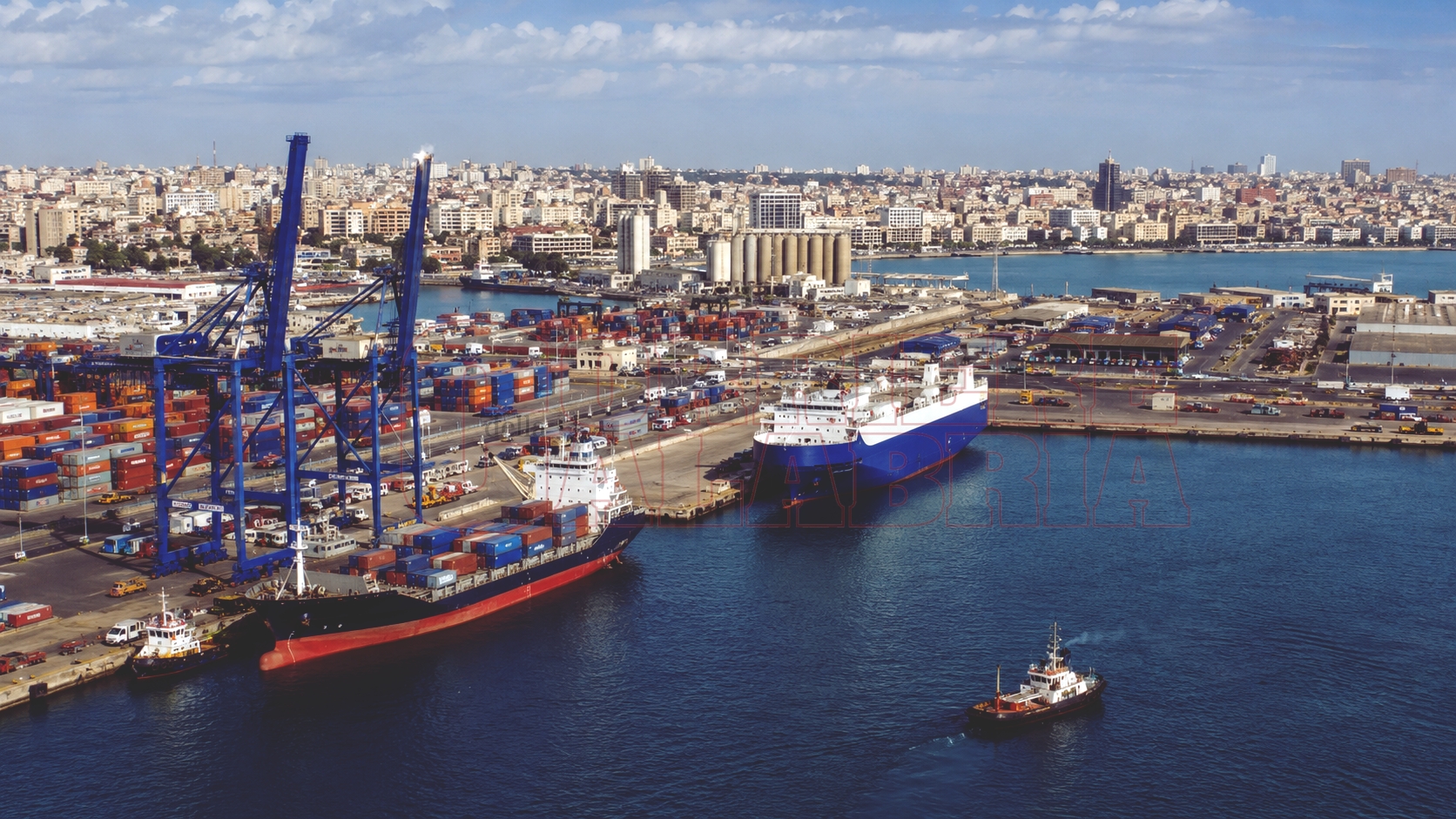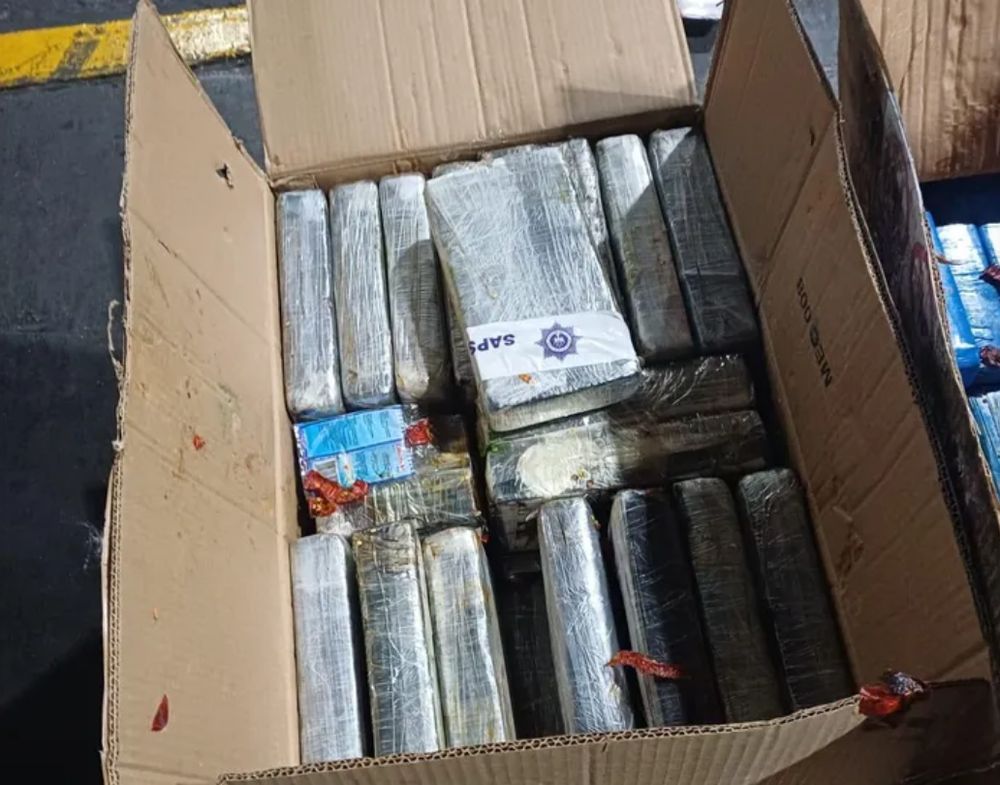
For decades, West Africa's role in the global drug trade was that of a corridor: cocaine from Latin America passed through its ports on the way to Europe, and traffickers took a cut along the way.
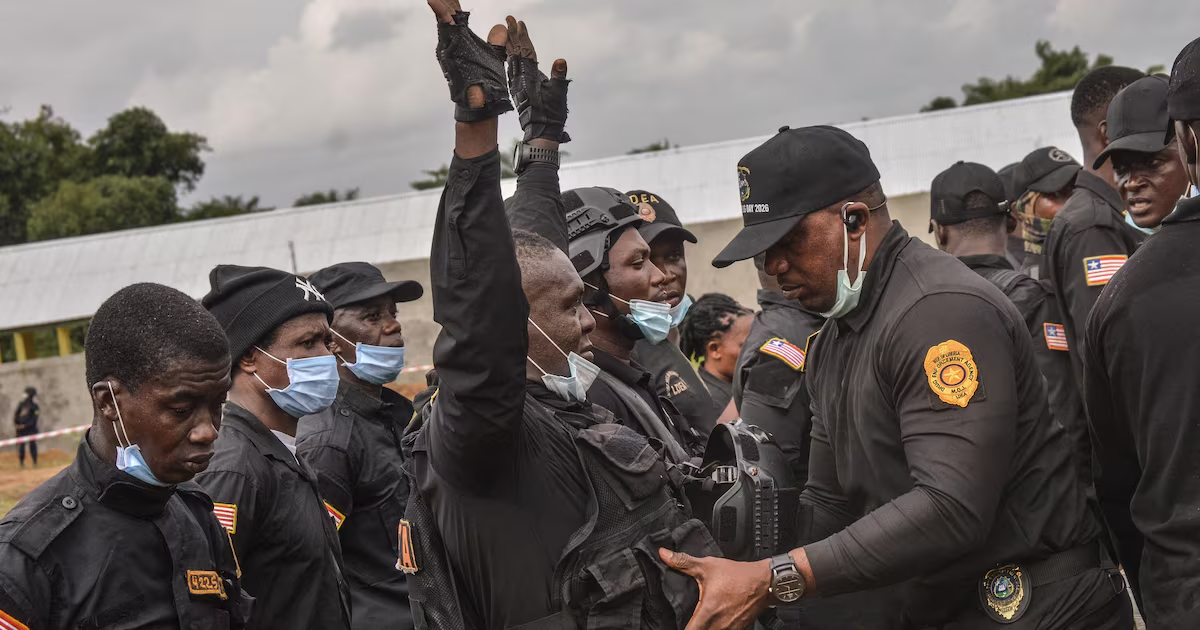
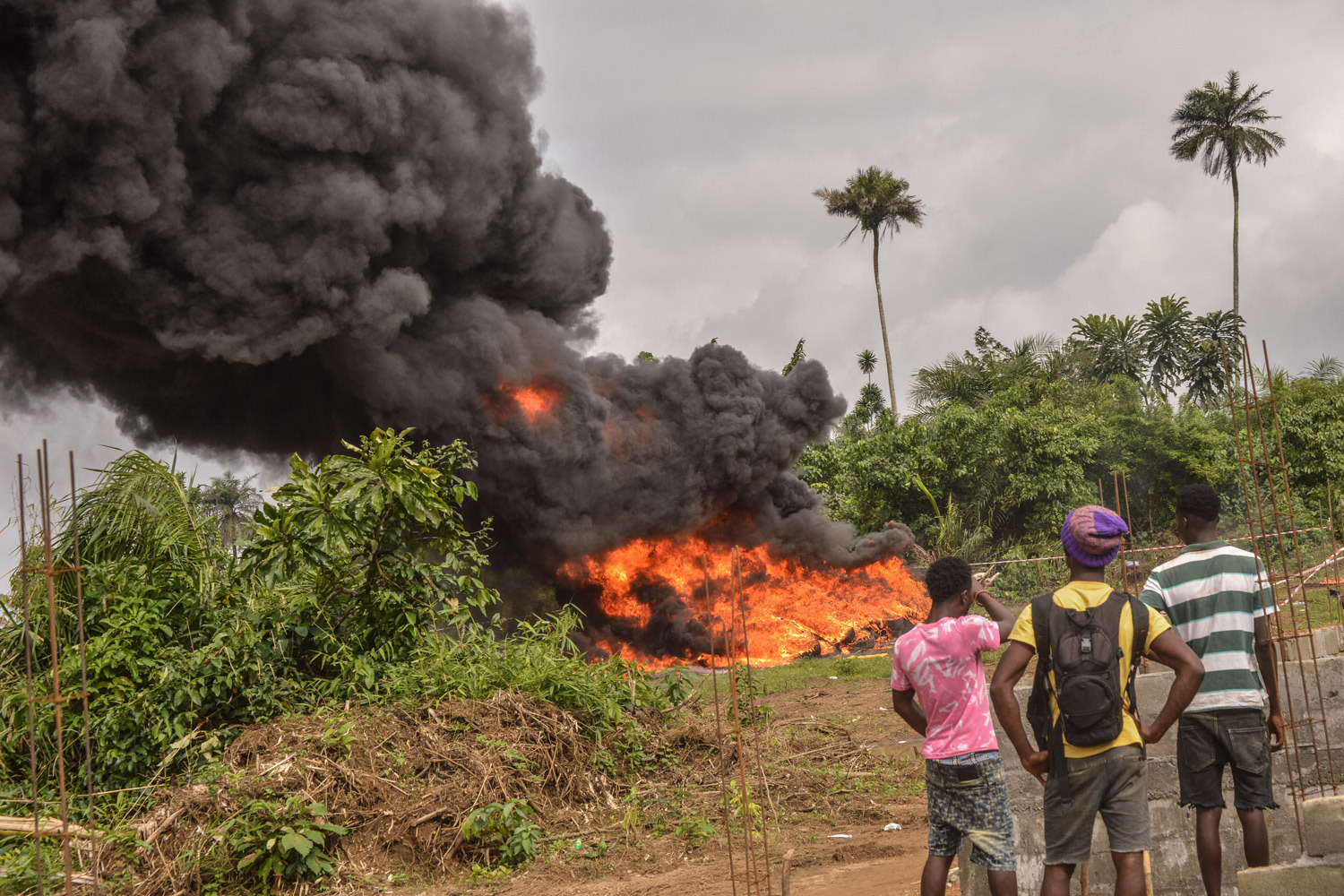
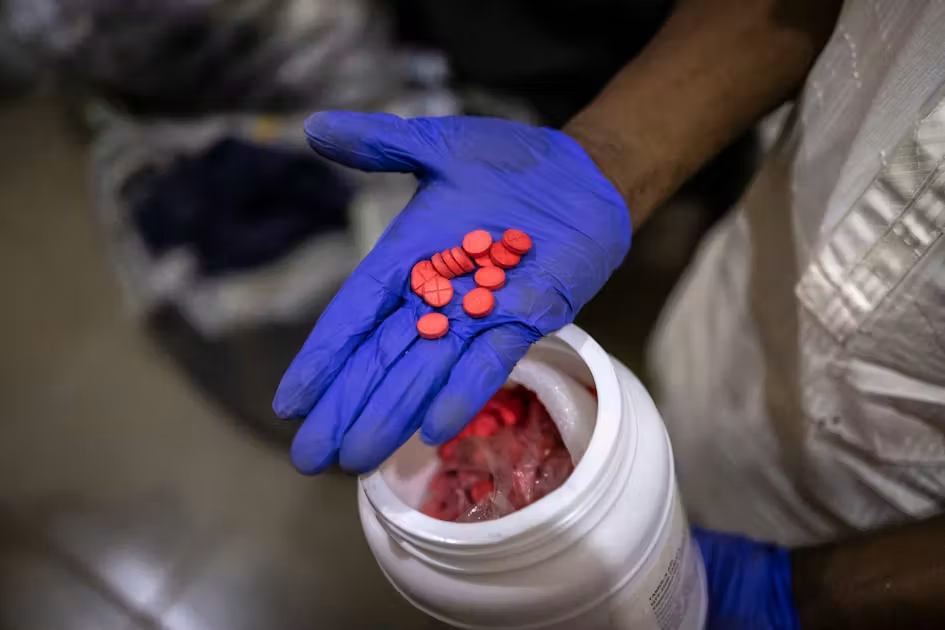
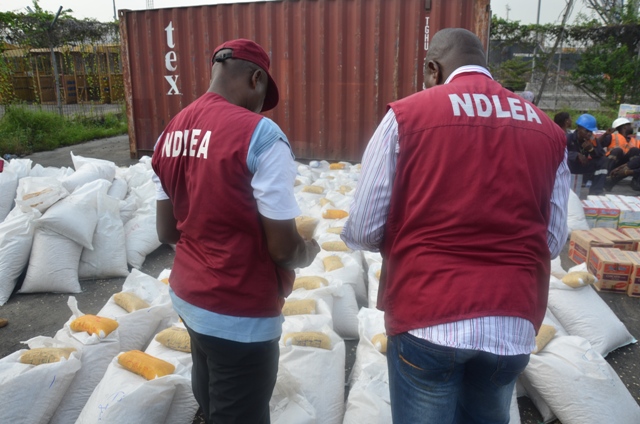
For decades, West Africa's role in the global drug trade was that of a corridor: cocaine from Latin America passed through its ports on the way to Europe, and traffickers took a cut along the way. That story has changed. In May, Nigeria's drug enforcement agency dismantled what it called the country's largest-ever methamphetamine bust, over two tonnes of the drug, worth an estimated $360 million, produced in a forest laboratory staffed by Mexican "cooks" working alongside Nigerian operatives. A month later, a second laboratory was uncovered in neighbouring Oyo State. Since 2023, according to US Africa Command, fourteen Mexican-run meth labs have been raided across the continent, four of the five found this year alone were in Nigeria.
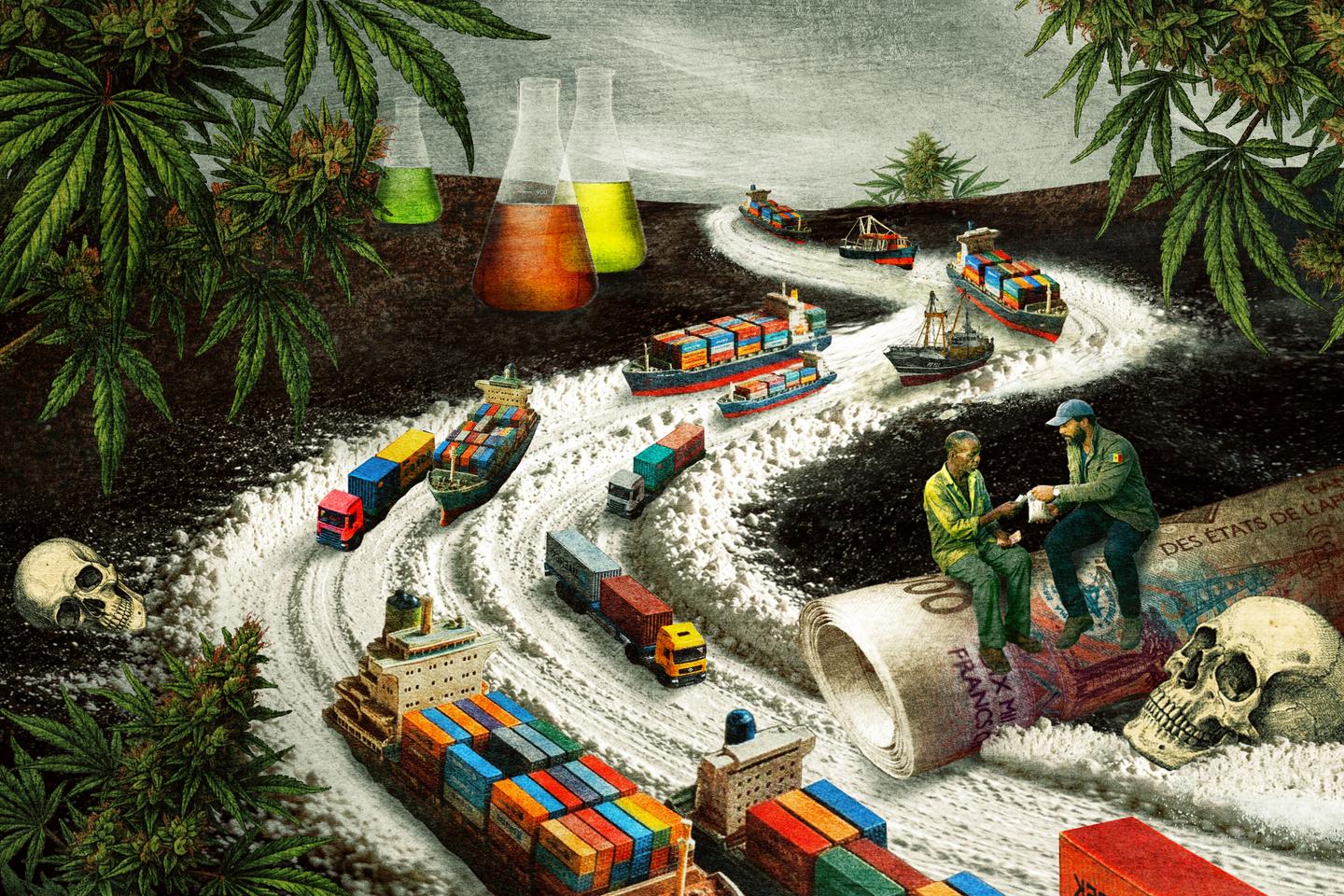
This is not an isolated law-enforcement anecdote. It is evidence of a structural shift: West Africa is no longer simply a route drugs pass through, but a place where they are made.
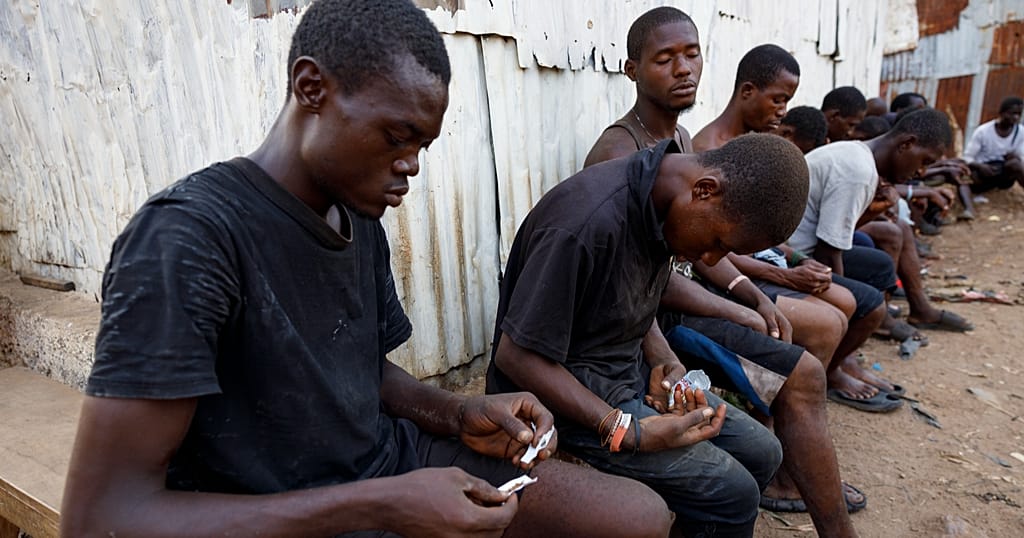
The logic is coldly rational from a cartel's perspective. Unlike cocaine, which depends on coca leaf grown almost exclusively in South America, methamphetamine can be synthesised anywhere with the right precursor chemicals. West Africa offers everything an illicit manufacturer wants: dense, unpoliced forest for concealment; a young, fast-growing population that supplies both cheap labour and an expanding consumer market; porous borders; and weak regulation of the industrial chemicals needed for production. Add to this direct shipping access to Europe and Asia, and the region becomes not a compromise location but a genuinely attractive one.