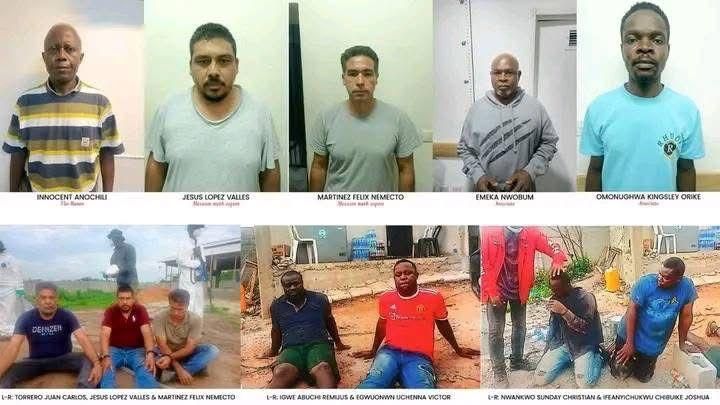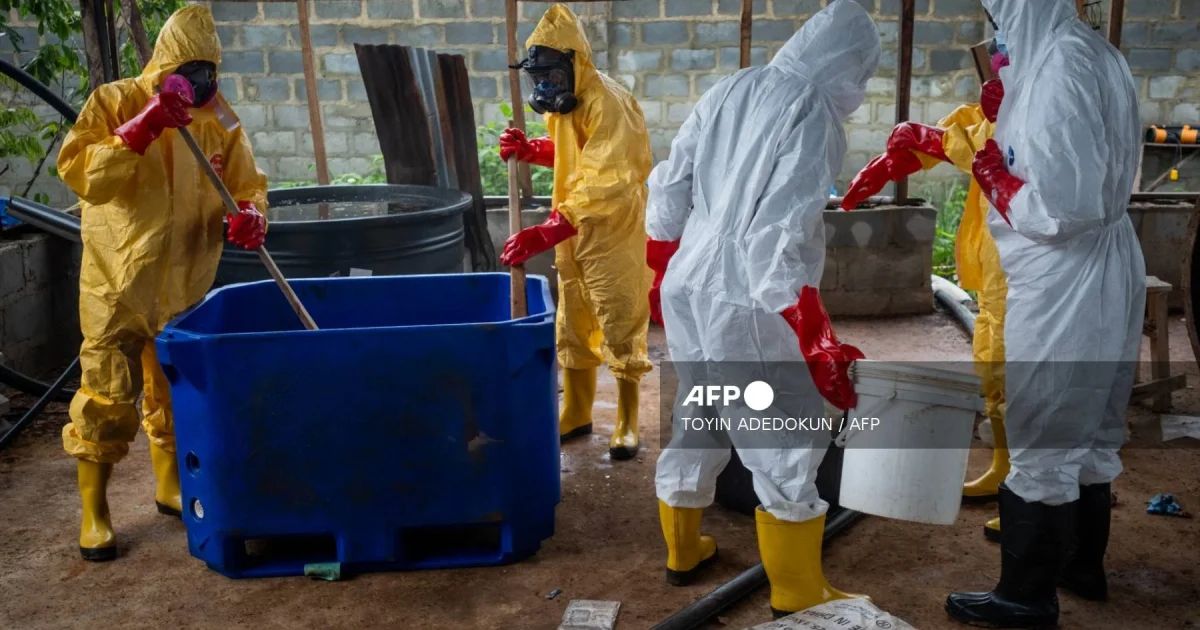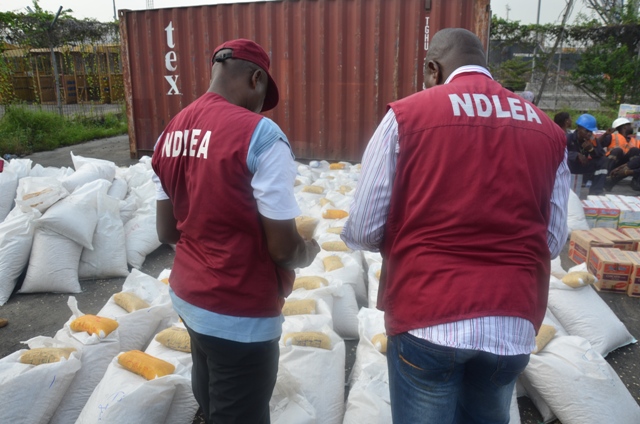
Nigeria’s National Drug Law Enforcement Agency (NDLEA) recently uncovered an industrial-scale methamphetamine production facility deep in the Abidagba Forest in the country’s southwest. The seized drugs and precursor chemicals were reportedly valued at about $363 million. Ten suspects, including three Mexicans, were arrested.
While the size of the discovery is unprecedented, Nigeria is not new to drug trafficking. For decades, it has been identified as a transit hub for illicit narcotics moving between Latin America, Europe and other destinations.
But Nigeria is transitioning from primarily a transit and consumer market to an important producer and exporter of synthetic drugs. Notable seizures over the years support this trend.
The NDLEA uncovered at least 11 meth labs across three states between 2011 and 2016, dismantling one in Asaba, Delta State, operated by Mexican nationals. The agency described it as a ‘super’ laboratory, comparable to those found in Mexico, with the capacity to produce between 3,000kg and 4,000kg of meth per production cycle.
The latest discovery represents a notable evolution in the country’s drug trajectory. While previous laboratories were found in urban and peri-urban areas, last month’s bust was the first in a remote area that analysts characterise as an ungoverned or poorly governed space. This geographic shift could suggest that criminal syndicates are adapting to state counternarcotics measures.