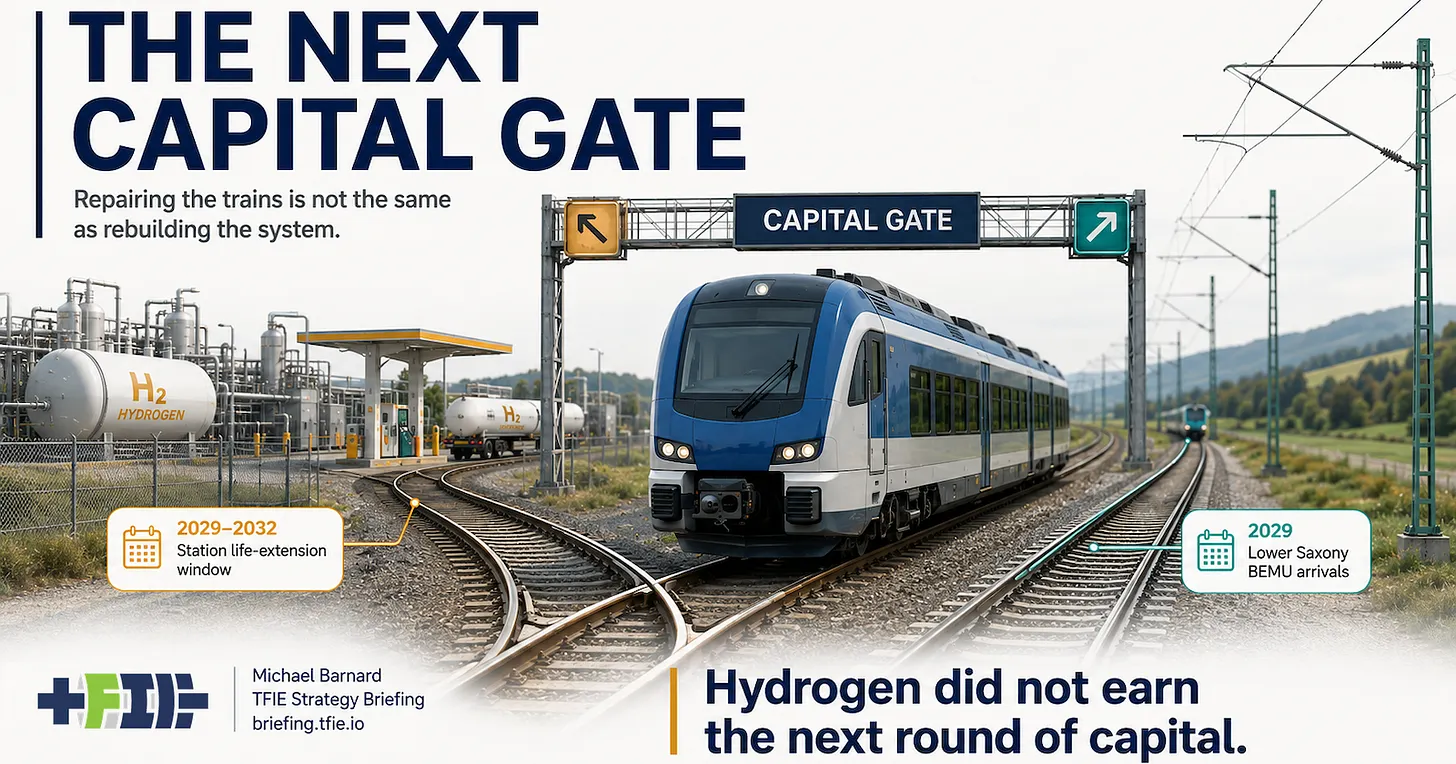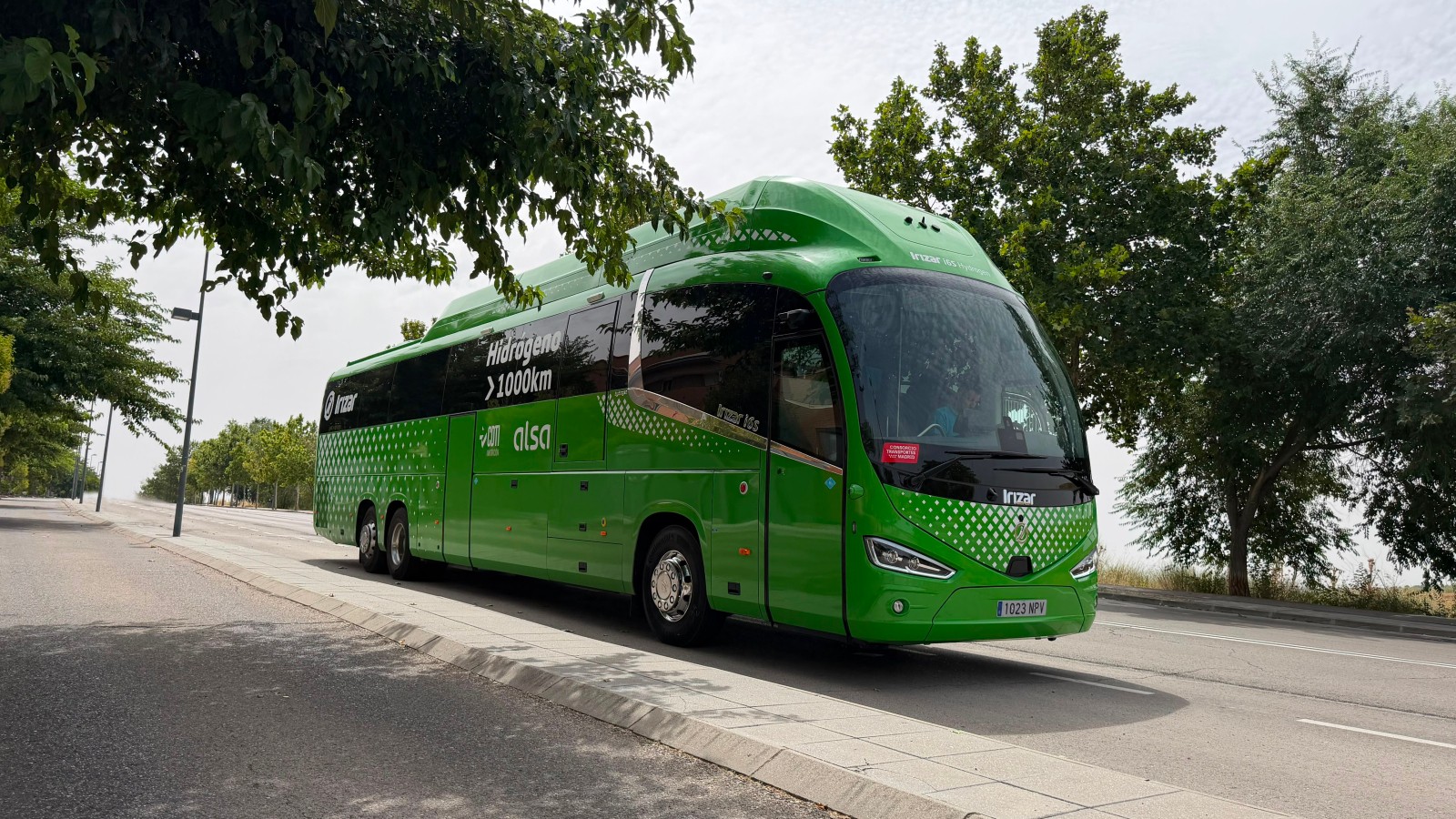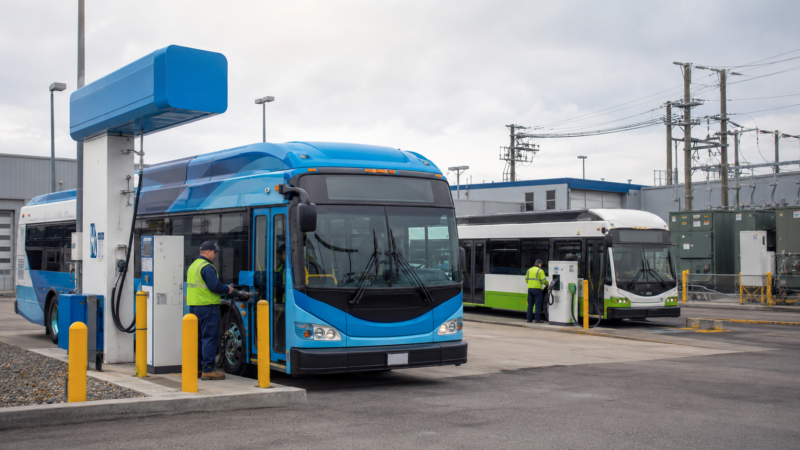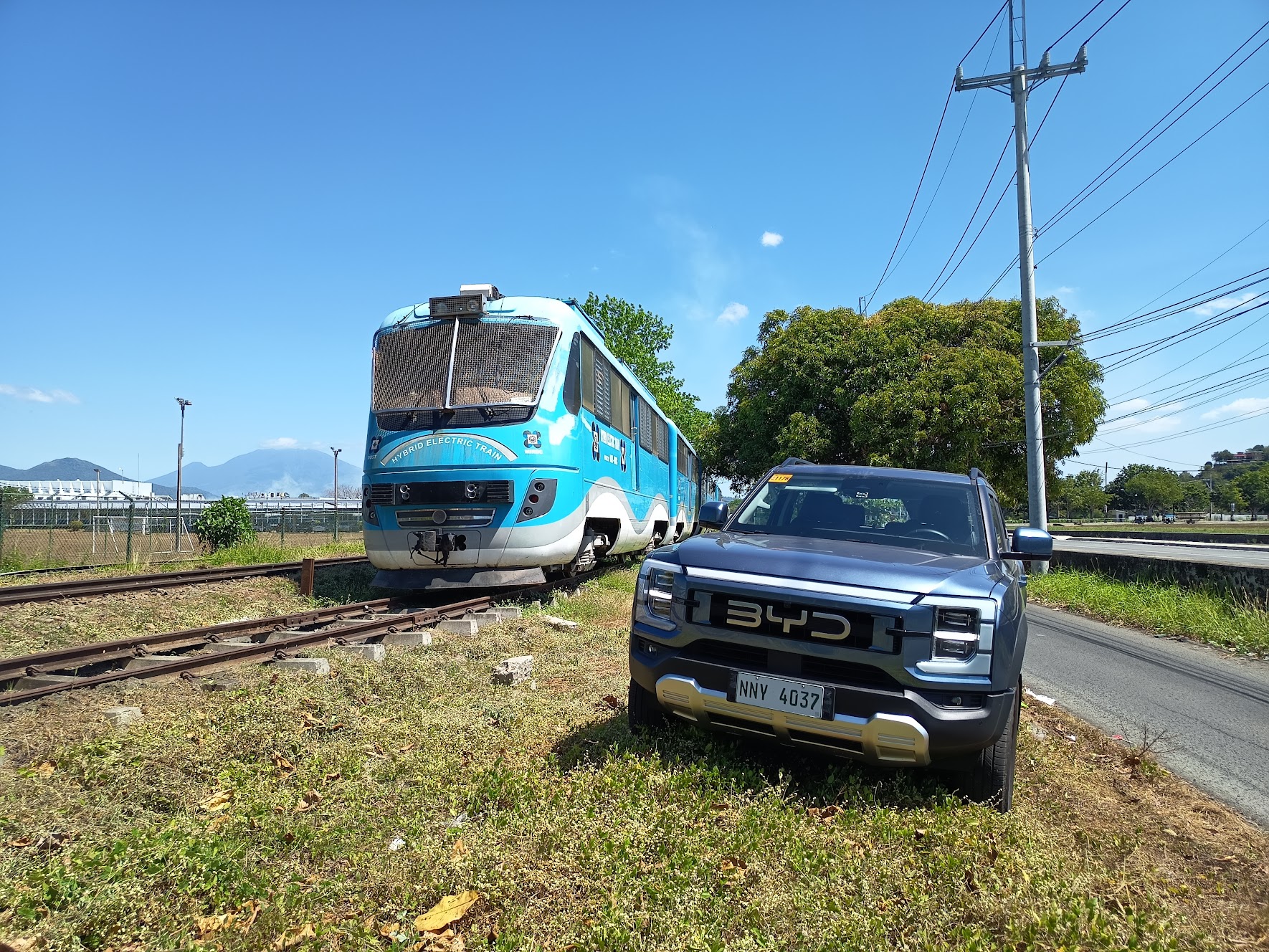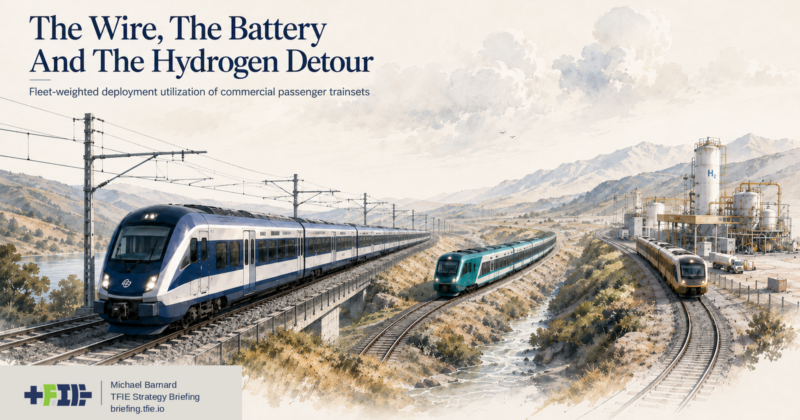
Wires dominate passenger rail, batteries bridge unelectrified gaps, and hydrogen adds a separate fuel-production and refuelling system to an otherwise electric train.
Support CleanTechnica's work through a Substack subscription, on Patreon, or on Stripe. Help us produce all of the high-quality, original content we publish week after week despite the challenges of content-scraping AI, antisocial media, inflation, and other hurdles.
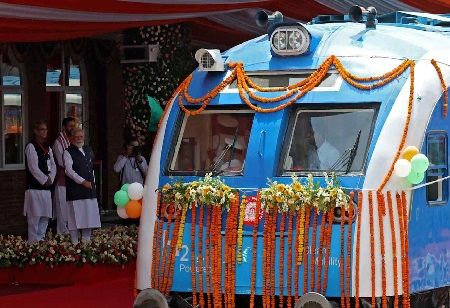
India’s first hydrogen passenger train arrived with an impressive label attached: the world’s most powerful hydrogen train. That’s a genuine engineering accomplishment, but it isn’t the competition railway operators are trying to win. They need trains that leave the depot, cover the timetable, receive fuel or charge reliably, return from maintenance and remain supportable for decades. Ultimately they need technologies compelling enough that operators come back and buy another fleet after learning what the first one actually costs and how well it works.
I recently assembled an evidence book covering hydrogen and battery-electric passenger-train deployments because reporting about the two technologies is remarkably uneven. Hydrogen receives international coverage for firsts, demonstrations and records, while battery-train operating problems are frequently buried in regional transport notices and local-language reporting. Even the terminology is messy. Technical availability, deployment utilization and passenger-service reliability are routinely presented as though they describe the same thing, when an operator can maintain a good timetable with substitute diesel trains or buses while much of its nominal hydrogen fleet sits unavailable.