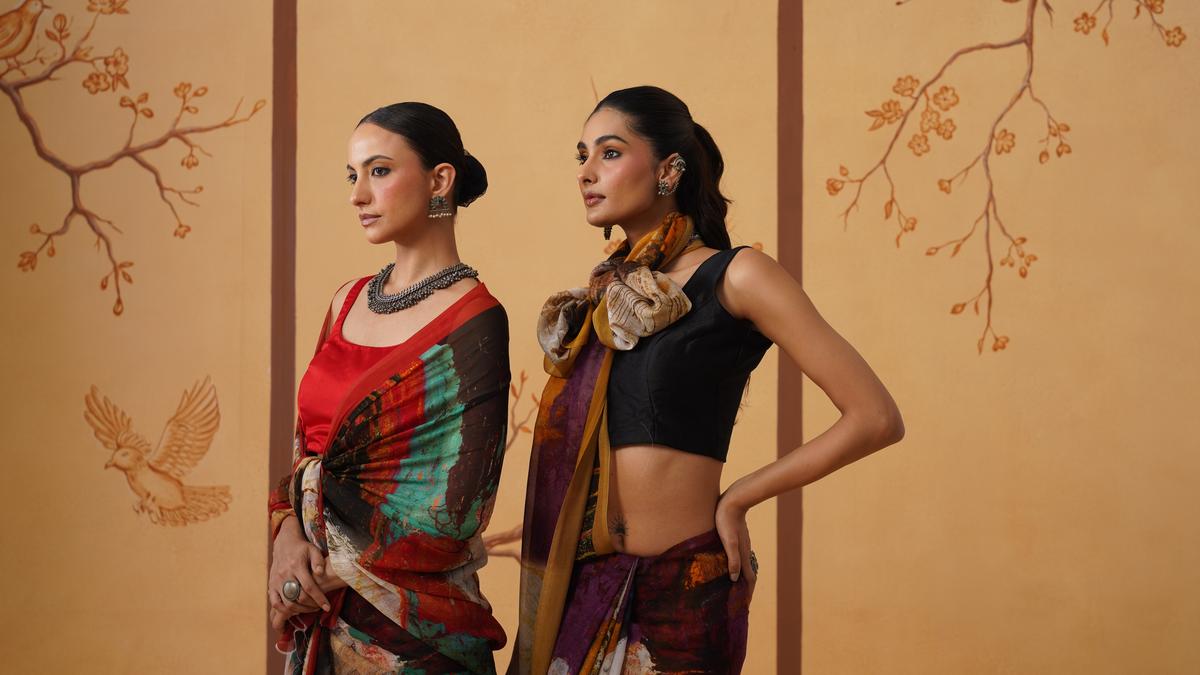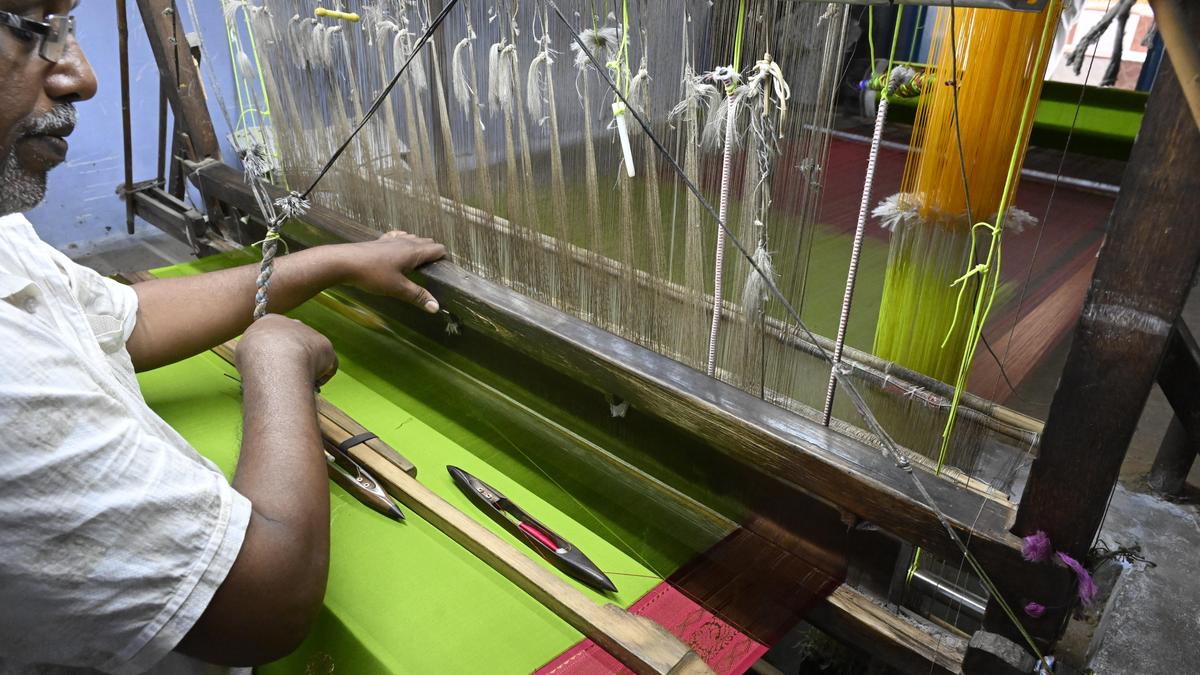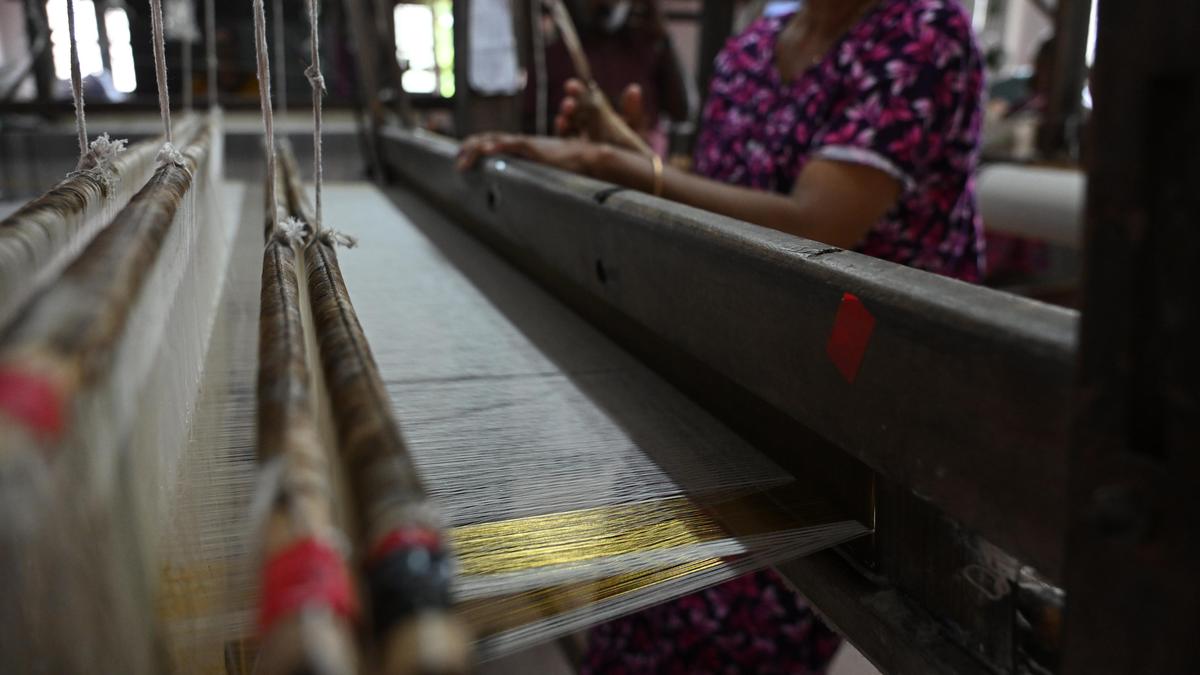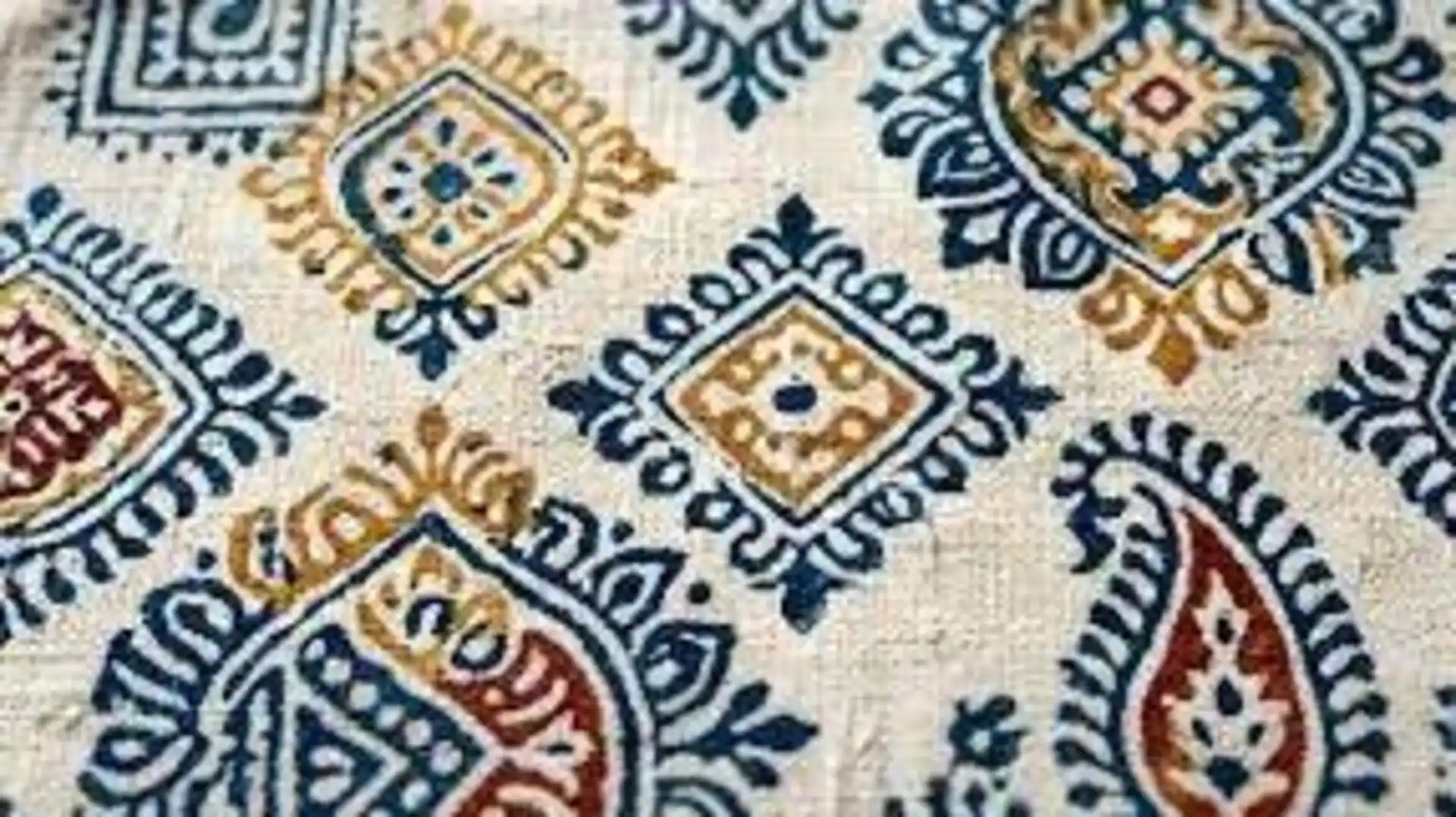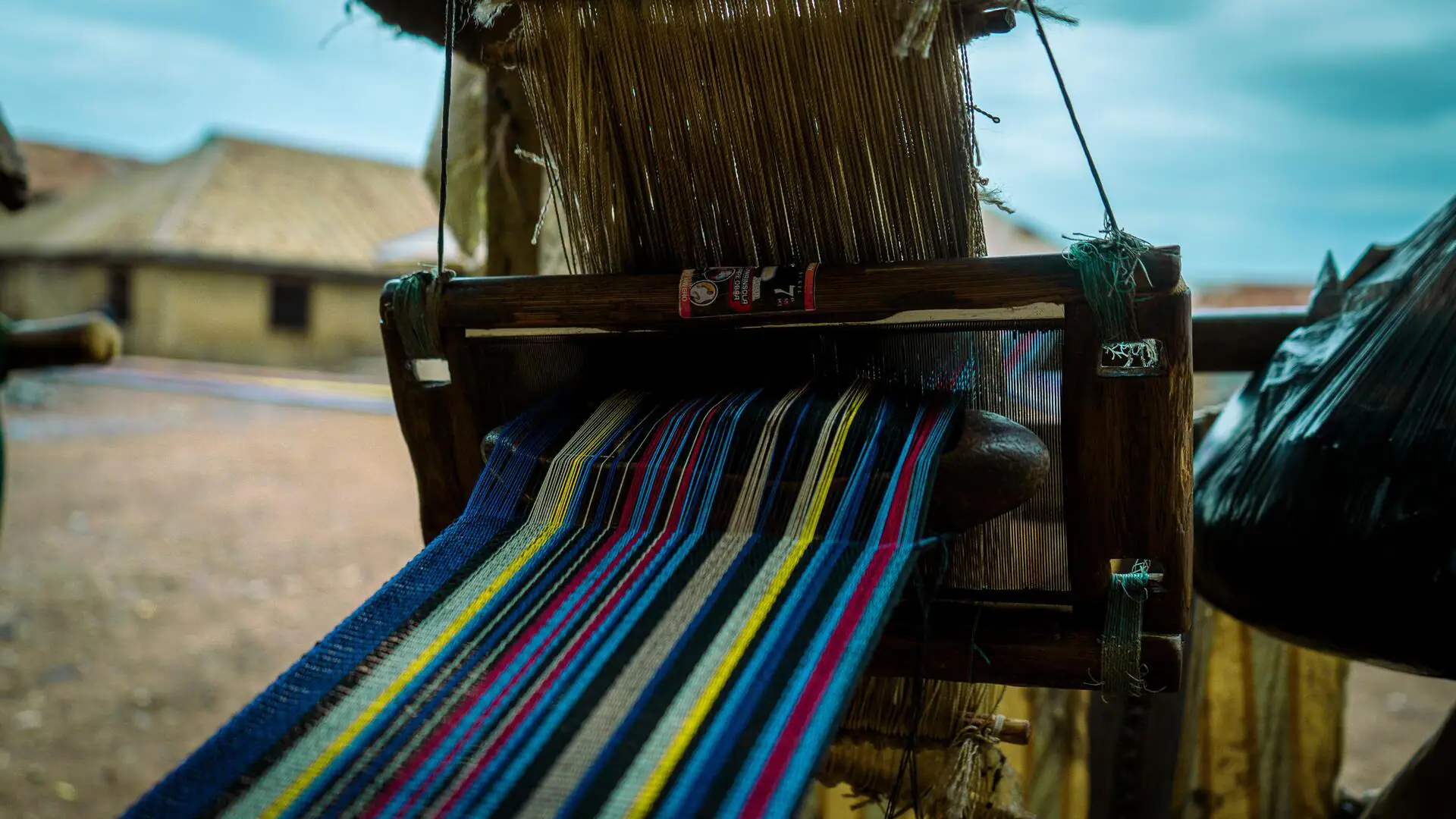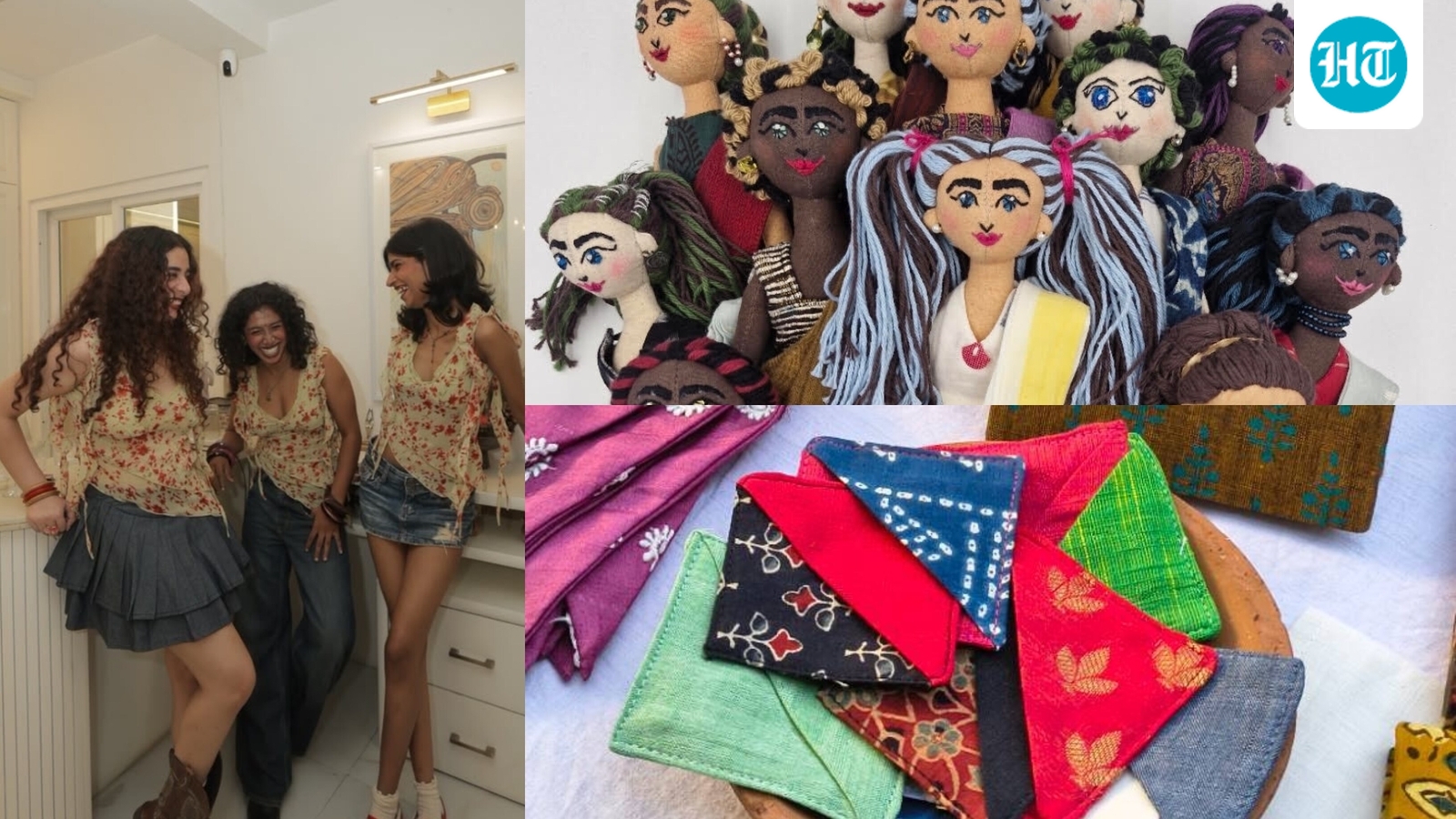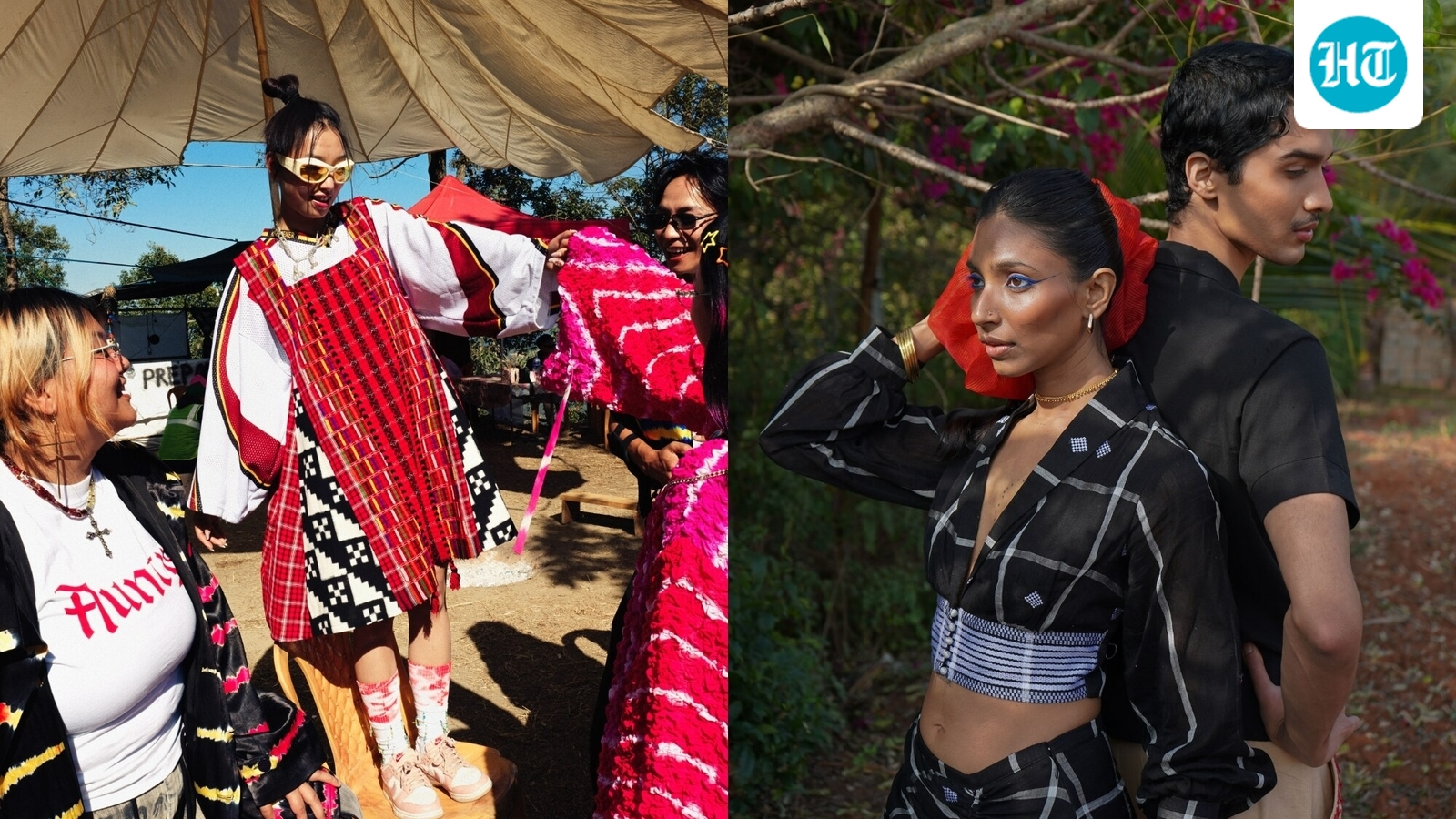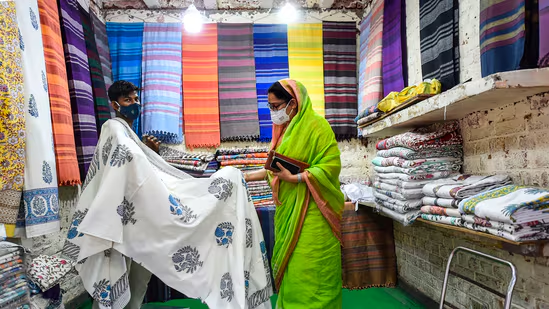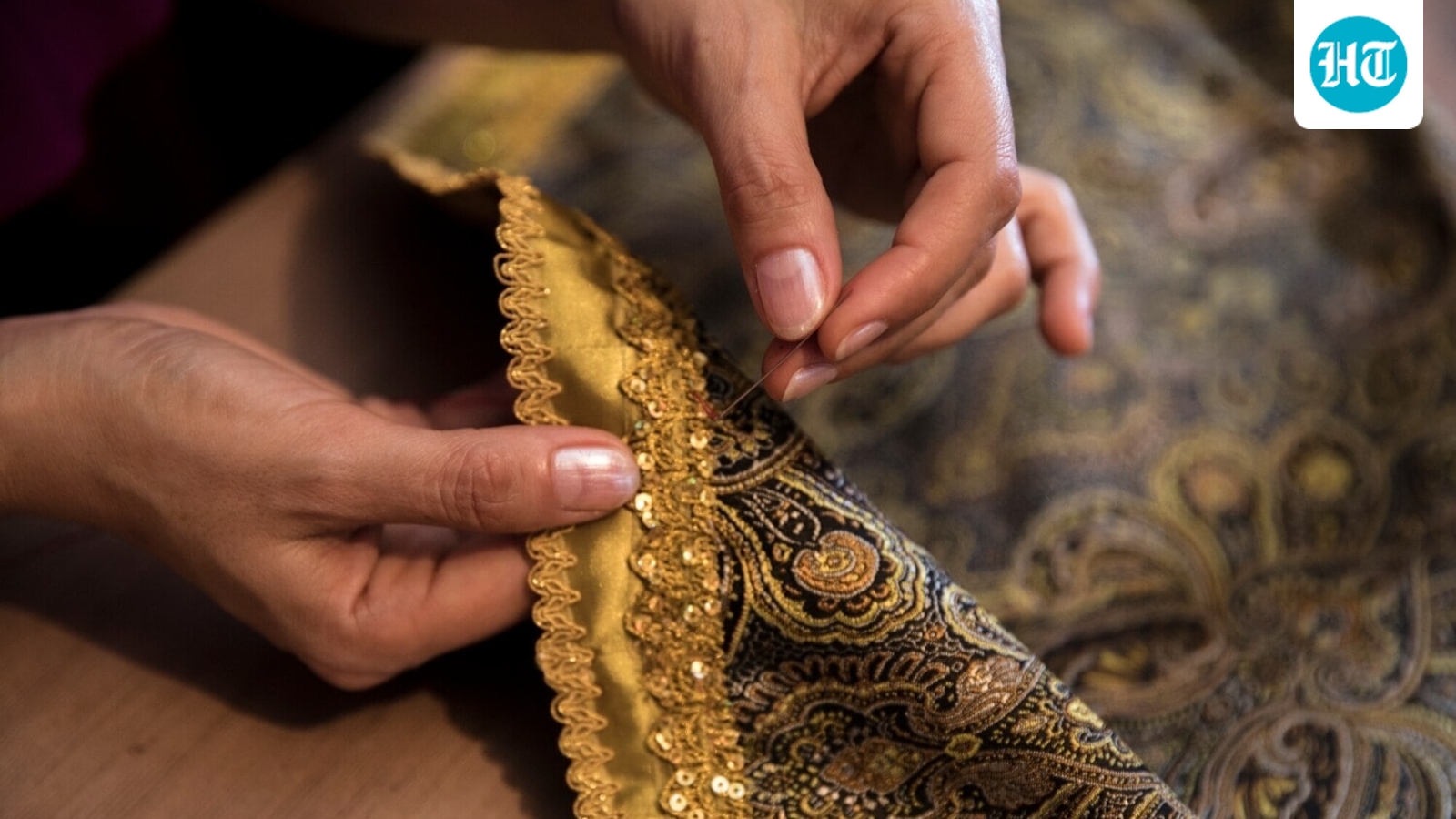
Know from an expert why handloom pieces are not popular in casualwear. Know why handloom is usually limited to festive wear and how contemporary designs can bring it back into everyday wardrobes. India has a long and rich history of handloom, shaped by generations of artistry and craftsmanship. However, its presence in modern wardrobes is gradually fading. Handwoven outfits are now brought out only during festivals or for special, formal occasions, once in a while. Earlier, handloom was once casually worn as part of everyday life; it is now largely moving away from everyday wear. So, what is causing this behavioural shift, and is there any way to bring handloom back into daily, everyday wardrobes? On National Handloom Day, let's assess the reasons why handloom is out of everyday wardrobes and what can be done to make it modern. ALOS READ: Is your handloom saree genuine? Know how to identify the authentic one before spending thousandsNitin Mehrota, founder of Dressfolk, an Indian fashion brand of handwoven textiles and crafts, answered some questions for us that shed light on why handloom has moved away from everyday fashion and what the future is.Why is handloom disappearing from everyday use?There is no single reason behind this shift, as multiple factors are involved. The problem can be traced back to even before the fabric reaches consumers, beginning with where it is produced and the limited supply chains that, according to Nitin, make handloom difficult to access.Nitin confirmed accessibility is becoming tough, “Weavers sit in remote clusters, often villages with barely over a thousand people. A Maheshwari comes from one town in Madhya Pradesh, a Kota Doria from a few villages in Rajasthan, and an Ajrakh from a handful of families in Kutch. The supply chains linking them to modern buyers are thin, which keeps handlooms rare and expensive,” he said.There is also another set of hurdles. Nitin added, "A handwoven piece takes days on the loom, so it costs more than a machine print and is seen as a splurge rather than a staple. Maintenance is another misconception. While a fine Banarasi may need extra care, a soft cotton Mangalagiri or Khadi is as easy to wash and wear as a plain T-shirt.”Handwoven piece takes time, sometimes even days or weeks. (PTI)What does it tell us? The time and skill involved in making handwoven pieces make them more expensive. But price is not the only deterrent, as handloom is perceived to be difficult to maintain, even though this may not apply to every fabric. This misconception discourages adding handloom outfits for everyday use.Now that the concerns surrounding price and maintenance have been addressed, Nitin helped identify another major barrier: the inability to physically examine the fabric before buying it, especially in the age of online shopping.Nitin explained, “The biggest barrier is touch and feel. Handloom is something you have to experience with your hands to trust. Online, much of what is sold as handloom is either fake or a poor experience, making buyers hesitant. Meanwhile, the incumbents selling authentic handloom have largely stayed with the same designs for decades—beautiful, but not always what a modern customer wants to wear on a Tuesday.”Let's decode what he said. The first problem is that despite many options being available online, people are still unable to trust them because their authenticity cannot be easily verified. Even when someone comes across genuine handloom, the designs may not feel contemporary and can appear too traditional for an ordinary workday or a casual brunch.Is styling a barrier?We then asked whether the way handloom is designed and worn has also prevented it from becoming a part of the everyday wardrobe. Nitin agreed that, as mentioned above, accessibility is a challenge, and styling is the biggest barrier.“Handloom has traditionally been presented in a festive or occasionwear context, so people naturally see it that way. The craft itself was never the barrier. The cut was,” he said.Styling is a hurdle, but it can be easily solved. (PTI)Handloom is not inherently impractical for everyday use. The barrier is rooted in its association with grand celebrations, as most view it as festive or occasion wear. More importantly, the problem is not with the traditional craft, but with how the fabric is presented and designed. This means the contemporary silhouette is the need of the hour, to make handloom easier to incorporate into casual wardrobes, from co-ord sets and jackets to shirts. Therefore, the first takeaway is to ensure that the cut feels modern and is suitable for everyday life.Has the lack of contemporary silhouettes limited handloom’s appeal for daily wear?Now, carrying forward the previous takeaway that contemporary cuts can give handloom a fresh appeal, Nitin agreed that the lack of modern silhouettes has actually limited its place in everyday wardrobes.Sharing an example, he said, "If a beautiful Ikat only ever becomes a formal saree, a 25-year-old is unlikely to reach for it on a work morning. The same Ikat as an easy shirt or dress is a completely different story. The weave is centuries old; the cut can be from this year.”How does the younger generation see handloom?What is the younger generation's perspective on handloom? For many, it may feel inherited rather than personally chosen. As Nitin described, handloom has traditionally been ‘offered to them’ in a particular way. So, receiving handloom sarees from mothers or grandmothers actually strengthens their connection with tradition and formality, making it feel distant from their individual style. But Nitin assured that when Gen Z sees the same weave transformed and updated with distinctive designs and modern silhouettes, they may feel excited to experiment and try them.How can designers make handlooms more practical for office commutes, long workdays and changing weather?So, how can designers make handloom practical enough for office commutes, long workdays, and changing weather? As per Nitin, the focus should be on choosing an easy-to-maintain style.“The designer’s job is practical. Work with natural weaves that people can wash at home. Cut them into versatile, easy-going silhouettes that survive a commute, a long workday, and changing weather, a breathable Chanderi shirt for a humid afternoon or a soft Khadi set you can simply throw on and move in. Make it something people grab without thinking, and handloom stops being an occasion and becomes a habit.”Handloom is not fading into irrelevance, as it is still widely worn for festivals and special occasions. It just needs to be updated so that younger generations can rethink how it fits into their everyday wardrobes. With practical fabrics, contemporary silhouettes, and very easy-to-maintain designs, handloom can become a natural choice for casual outings, moving beyond occasion wear.Adrija Dey’s proclivity for observation fuels her storytelling instinct. As a lifestyle journalist, she crafts compelling, relatable narratives across diverse touchpoints of the human experience, including wellness, mental health, relationships, interior design, home decor, food, travel, and fashion that gently nudge readers toward living a little better. For her, stories exist in flesh and bones, carried by human vessels and shaped through everyday endeavours. It is the small stories we live and share that make us human. After all, humans and their lores are the most natural and raw repositories of stories, and uncovering them, for her, is akin to peeling an orange under a winter afternoon sun. Always up for a chat, she believes the best stories come from unfiltered yapping, where "too much information" is kind of the point. A graduate of Indraprastha College for Women, University of Delhi, and an alumna of the Indian Institute of Mass Communication (IIMC), Delhi, Adrija spends her idle hours cocooned with herbal tea and a gripping thriller, scribbling inner monologues she loosely calls poetic pieces, often with her succulents in attendance. On lazier days, she can be found binge-watching, for the nth time, one from her comfort-show holy trinity: The Office (US), Brooklyn Nine-Nine, or Modern Family. Dancing by herself to her peppy playlists, however, is an everyday ritual she swears by religiously.Read MoreHandloom SareeFashionCatch every big hit, every wicket with Crick-it, a one stop destination for Live Scores, Match Stats, Quizzes, Polls & much more. Explore now!.Catch your daily dose of Fashion, Taylor Swift, Health, Festivals, Travel, Relationship, Recipe and all the other Latest Lifestyle News on Hindustan Times Website and APPs.See Less
National Handloom Day 2026: Handloom piece only for special occasions? Here’s what is keeping it out of daily wardrobes
Know why handloom is usually limited to festive wear and how contemporary designs can bring it back into everyday wardrobes. | Fashion Trends
1,374 words~6 min read