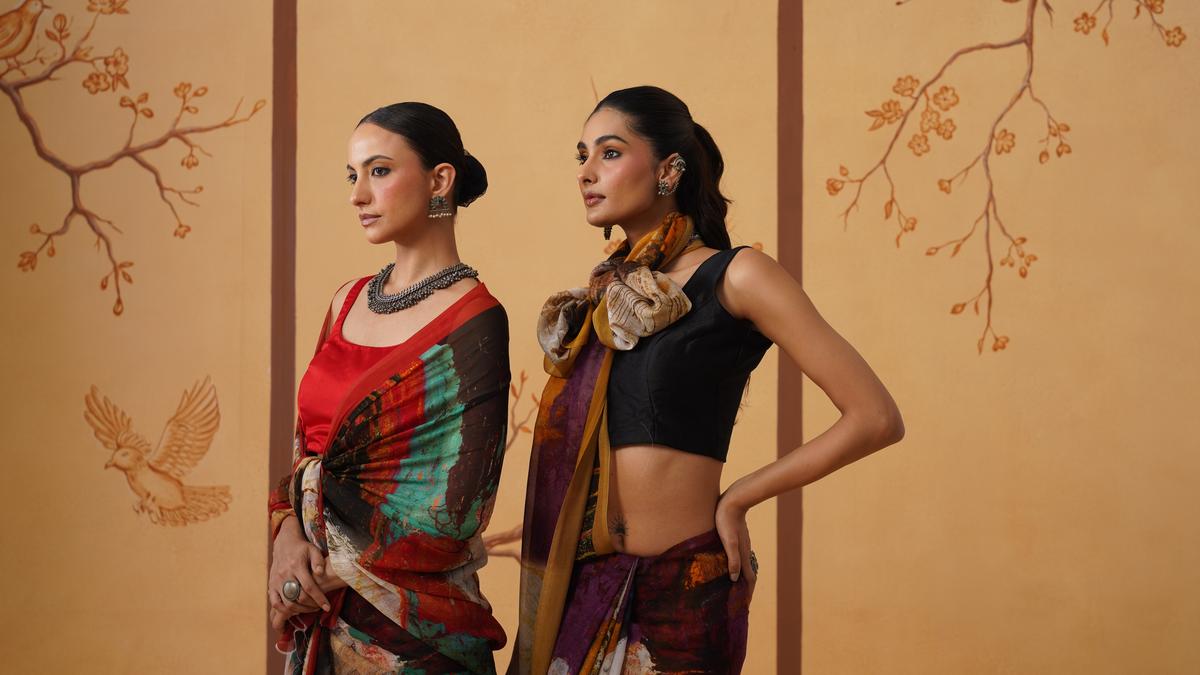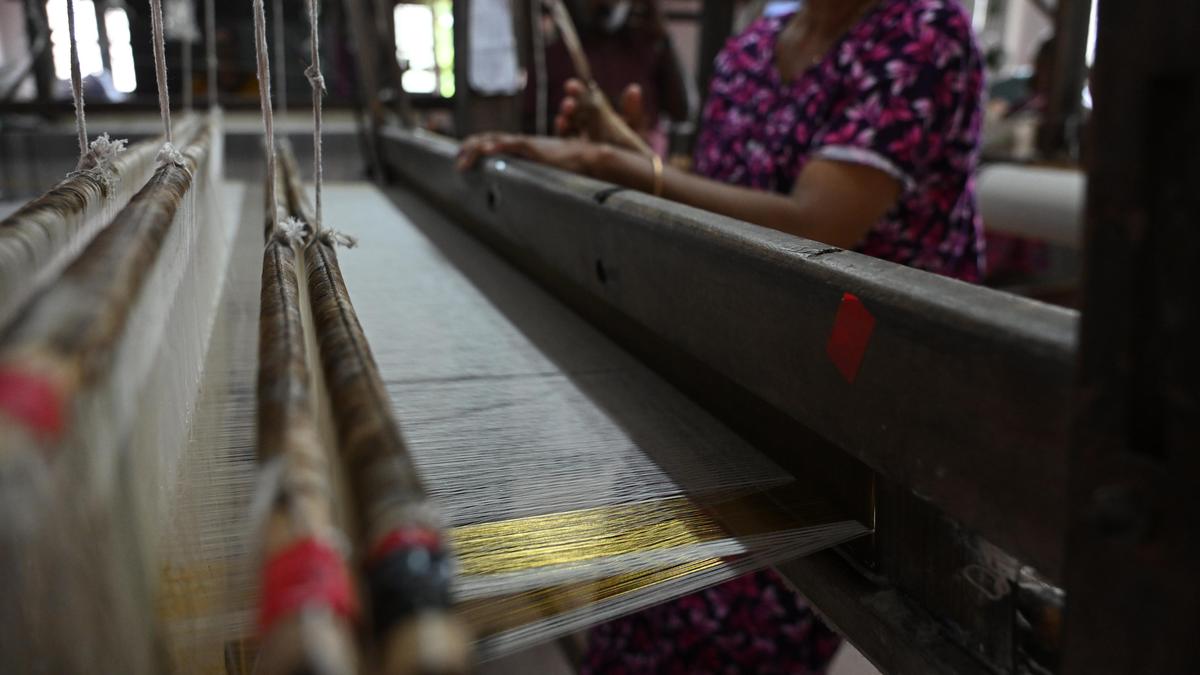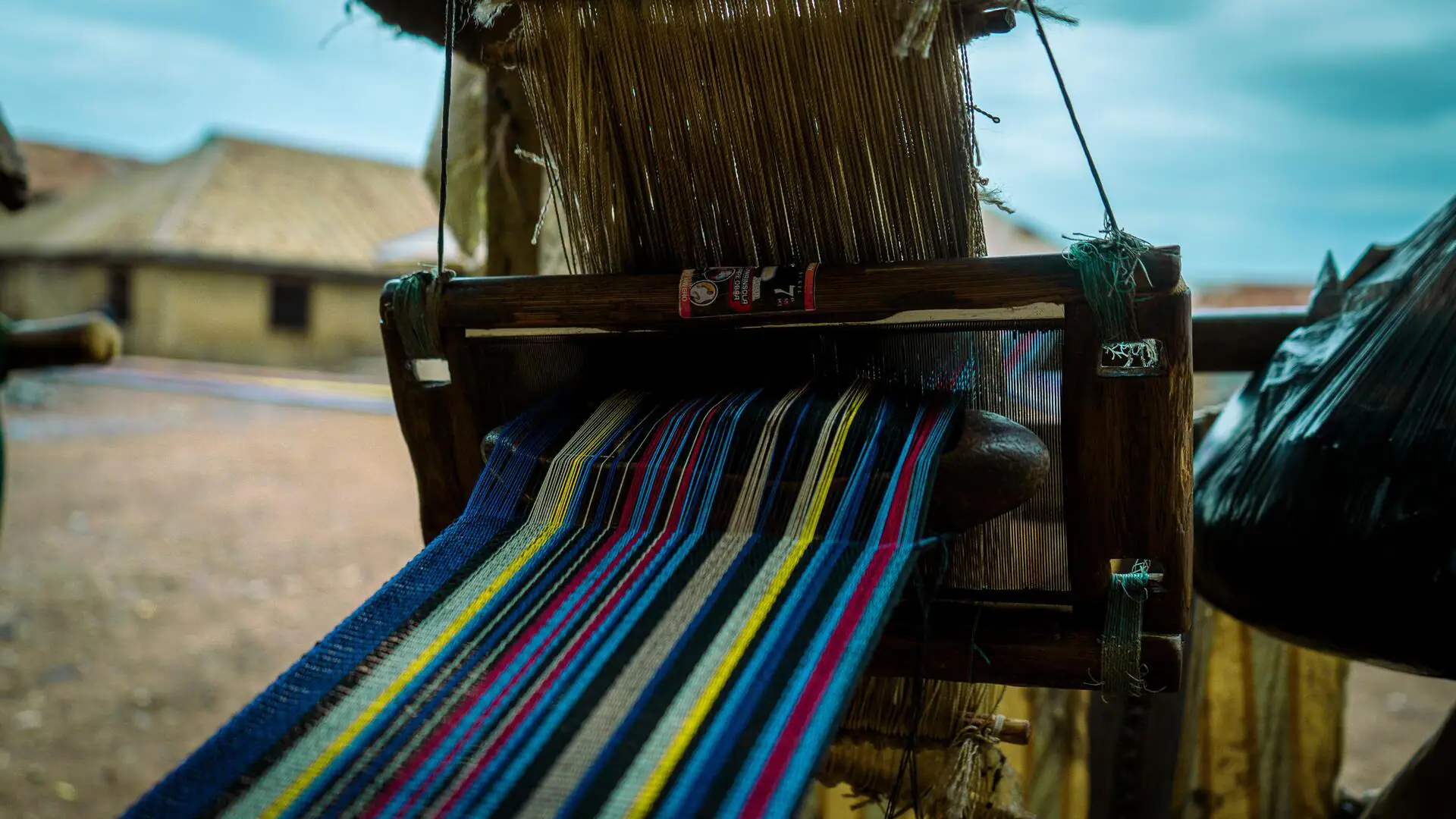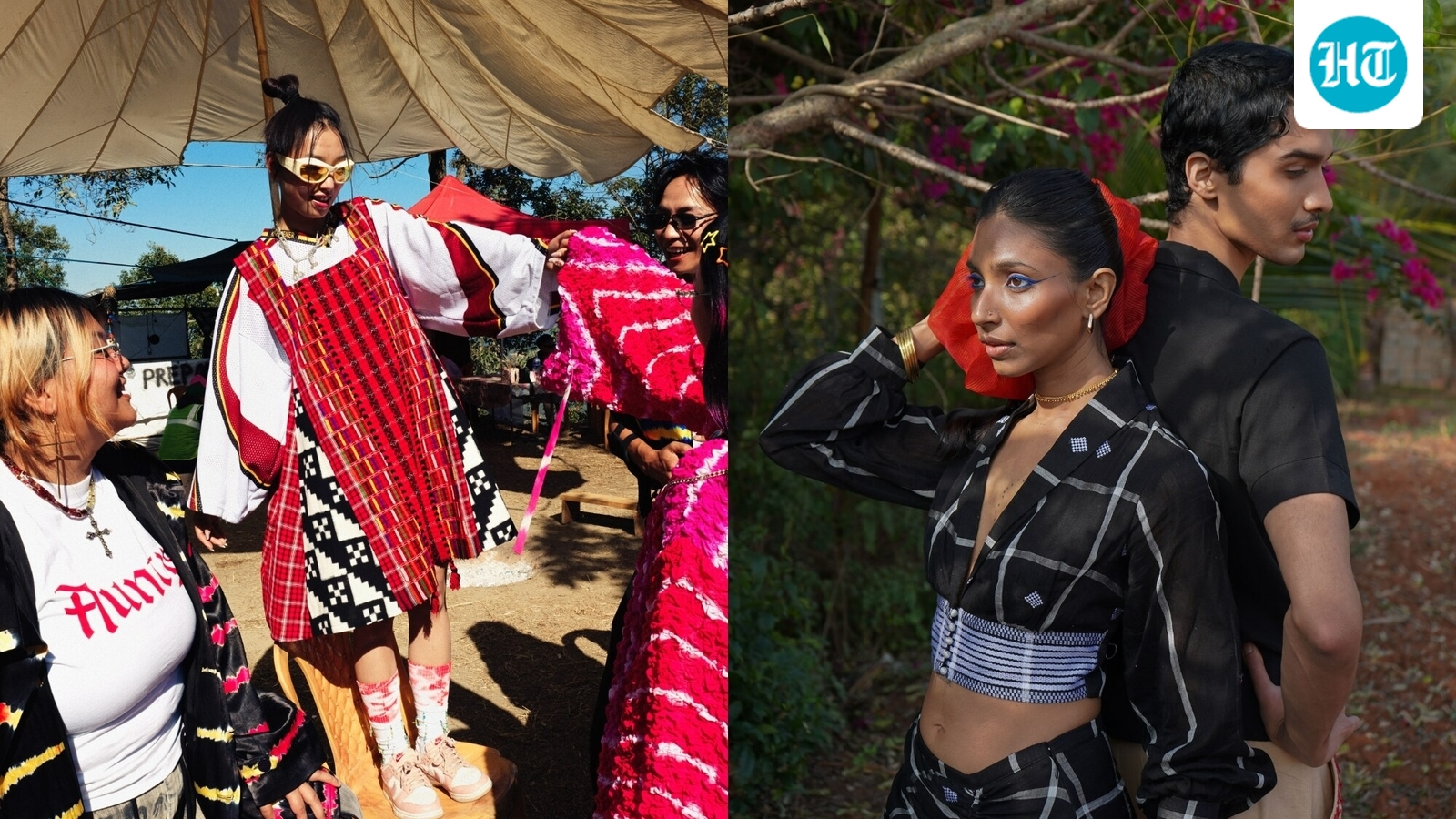
Today's handloom movement isn't about preserving tradition in its original form, it's about reinventing it National Handloom Day has historically been viewed through a lens of nostalgia and preservation, a nod to traditional Indian craftsmanship. But in 2026 the narrative around hand-woven textiles is undergoing a radical shift. Moving away from high-maintenance traditional wear, a wave of Gen Z-focused labels and young designers are reimagining heritage fabrics for contemporary wardrobes. By pairing centuries-old weaving techniques with streetwear silhouettes, zero-waste upcycling, and easy-care utility, these brands are proving that handloom isn’t just something to preserve in a museum; it’s the ultimate everyday fashion flex.NorBlack NorWhite and Tega CollectiveStreetwear meets heritageNorBlack NorWhite operates at the intersection of Indian artisanal textiles and global street culture. Toronto-born creative duo Mriga Kapadiya and Amrit Kumar moved to India to collaborate directly with local weaver clusters. What started with neon-drenched, reversible Bandhani tie-dye suits quickly evolved into an eccentric addition to the fashion scene. Over the past few years, the duo has worked on a series of high-profile collaborations with Nike, conceptualised gear for legends like Raveena, Major Lazer & Real Madrid’s Marcelo and built worlds for cultural institutions like London’s Victoria and Albert Museums, infusing the scene with their signature Indian textile storytelling. So of course, they work with handloom too. Today, their silhouettes have matured into fluid, relaxed-fit drapes that prioritise raw texture over fast-fashion trends.“We like to reinterpret handloom textiles through our own silhouettes, colour language, and way of dressing: from khadi cotton in Bengal and ikat in Telangana to the beautiful weaves of Northeast India,” says co-founder Amrit Kumar. “Our Eastern Horizon dress is one example. It brings together textiles woven on backstrap looms by a community of women in Lakhimpur, Assam, with splatter-dyed cotton khadi from Bengal in one version and ikat woven in Yadadri Bhuvanagiri, Telangana, in another. It becomes a conversation between the hands of the weavers and our own design point of view. It is also a personal favourite of mine and Mriga’s—we wear it almost like a uniform!”Iconography on indigenous kala cottonNamed after the Urdu word for mending, Shaishavi Mehta’s label RAFU’D brings together ancestral weaves and maximalist iconography, a combination that sings to a generation obsessed with individuality. Working with master weavers in Bhujodi, Kutch, Mehta reimagines indigenous handlooms with bold colours instead of heavy embroidery, or even traditional weaves. Mehta believes that her brand resonates with Gen Z because of the way this generation views handloom.“This generation wants contemporary silhouettes, bold colours and playful prints, but they also appreciate the texture, individuality and human touch of handloom. We come in at that intersection, making heritage textiles feel less intimidating and more expressive. More importantly, today’s younger consumers value transparency. They want to know who made their clothes and why certain materials were chosen. If there’s no story behind a garment, it’s simply not going to resonate with them,” says Mehta.Regenerative luxury co-created with Adivasi craftNamed after the Telugu word for family, Tega Collective, founded by Niha Elety, co-creates modern garments alongside India’s Adivasi (indigenous) communities, dismantling conventional fashion hierarchies in favour of true collaboration. “I believe that cultural sustainability is just as important as environmental sustainability, and that Indigenous artisans should be recognised not as suppliers, but as creative partners,” says Elety. “Our goal is to build long-term economic opportunities for artisans while ensuring their knowledge, techniques, and stories continue to thrive for future generations. Handloom is a core part of our material philosophy.”What truly sets the label apart is its radical, community-first design process: every collection is fully co-created with a different artisan cluster like the Lambani artisans of Karnataka and the Santhali community of Odisha, allowing generations of inherited wisdom to shape modern silhouettes. Handwoven Khadi, wild Eri silk, and reclaimed fabrics form the canvas for global statement pieces like structured corsets, wrap skirts, blazers and fluid cocktail gowns.Upcycled handloom and circular craftFounded in 2018 by weaver and social entrepreneur Ashita Singhal, Paiwand Studio, derived from the local word for “patching” or “mending”, is an upcycling textile studio that transforms pre-consumer fashion waste into handloom fabrics. Through a collaborative model with design houses and local ragpickers, the brand rescues discarded textiles and reimagines them as contemporary artisanal creations.“When I was in design college, I saw how polluting the fashion industry was and wanted to combine two problems: textile waste management and handloom craft getting extinct,” says Singhal. “We brought traditional weavers in Delhi, who had left handloom long ago for jobs like plumbing or selling vegetables, back to the loom. The idea is to embody playfulness with more fashion-forward silhouettes. We work on a lot of kimonos which not only cater to the modern audience but can be shared within the family - like a mother can wear the same shirt as the daughter or as the son. There’s no trend-chasing here. The history of the piece ensures it remains relevant.” How Gen Z is buying handloom onlineGen Z is widely recognised as the first purely digital-native generation, with over 75% using social media platforms like Instagram as their primary search engine for product discovery. For contemporary handloom labels, this digital migration has completely levelled the playing field, shifting discovery from traditional retail stores to curated online portals like Nete.in (”Not Everything To Everyone”). As a multi-designer platform, Nete bridges regional weaver clusters, from Imphal to Pondicherry, with young, trend-conscious shoppers looking for story-driven street style, especially when it comes to handloom. “NETE was created to make craftsmanship feel relevant to the modern wardrobe,” says founder Mariya Khanji. “We work with independent labels and makers who value thoughtful design, zero waste, responsible production, and small-batch manufacturing. When it comes to handlooms, we’re drawn to brands that make the craft feel effortless, modern and easy to wear. For us, handloom is less about nostalgia and more about continuity. When traditional weaving techniques evolve with contemporary design, they remain relevant, support skilled artisans, and become part of everyday dressing rather than something reserved for special occasions.”Aadrika Sominder is a writer, but foremost an avid reader. With an unwavering commitment to the craft, she is convinced that there is nothing else she was meant to do with her life. Beyond the world of words, her hobbies include snacking and taking long trips.Read More
Not your grandmother's handloom: The designers, and Gen Z labels changing the craft forever
Today's handloom movement isn't about preserving tradition in its original form, it's about reinventing it
1,047 words~5 min read