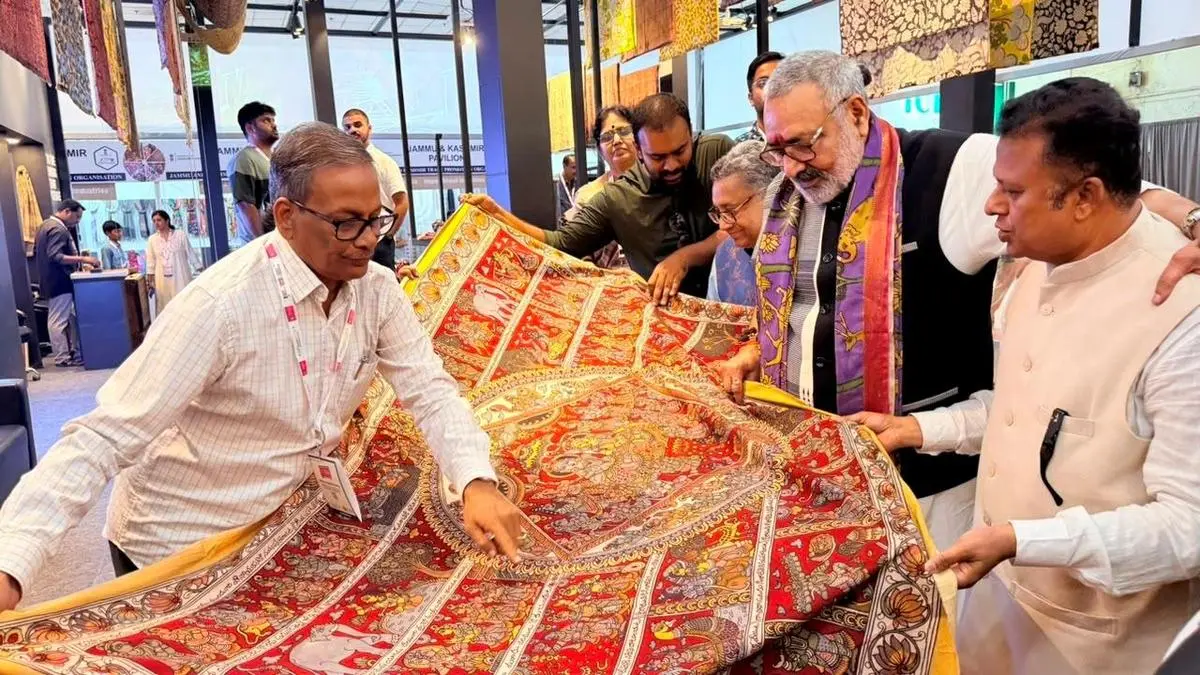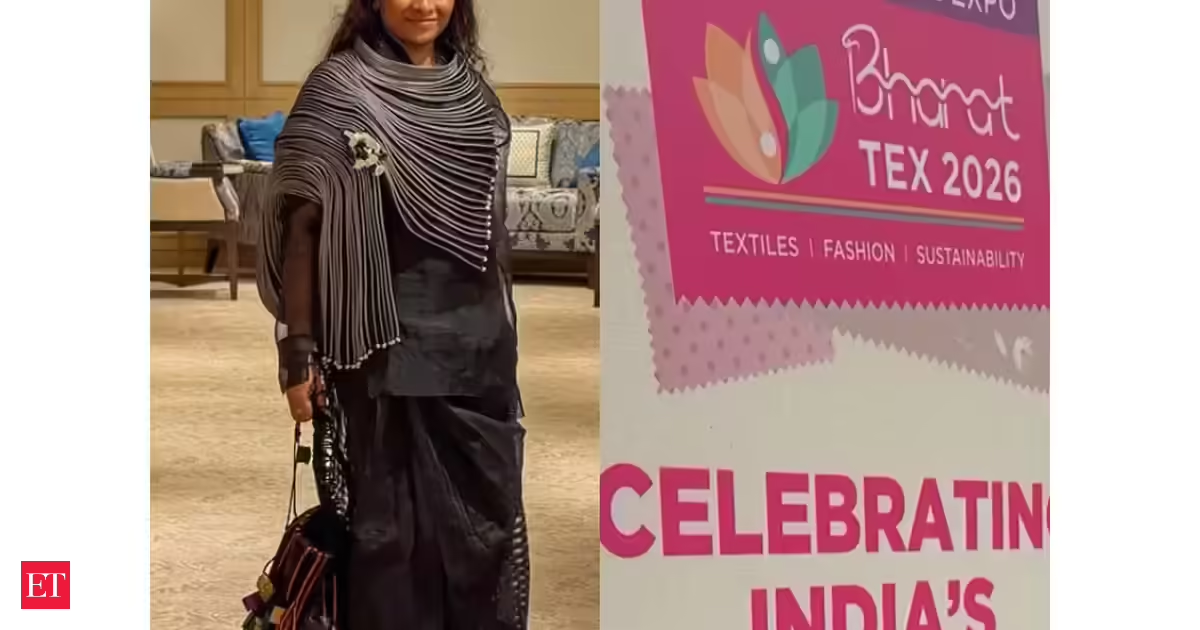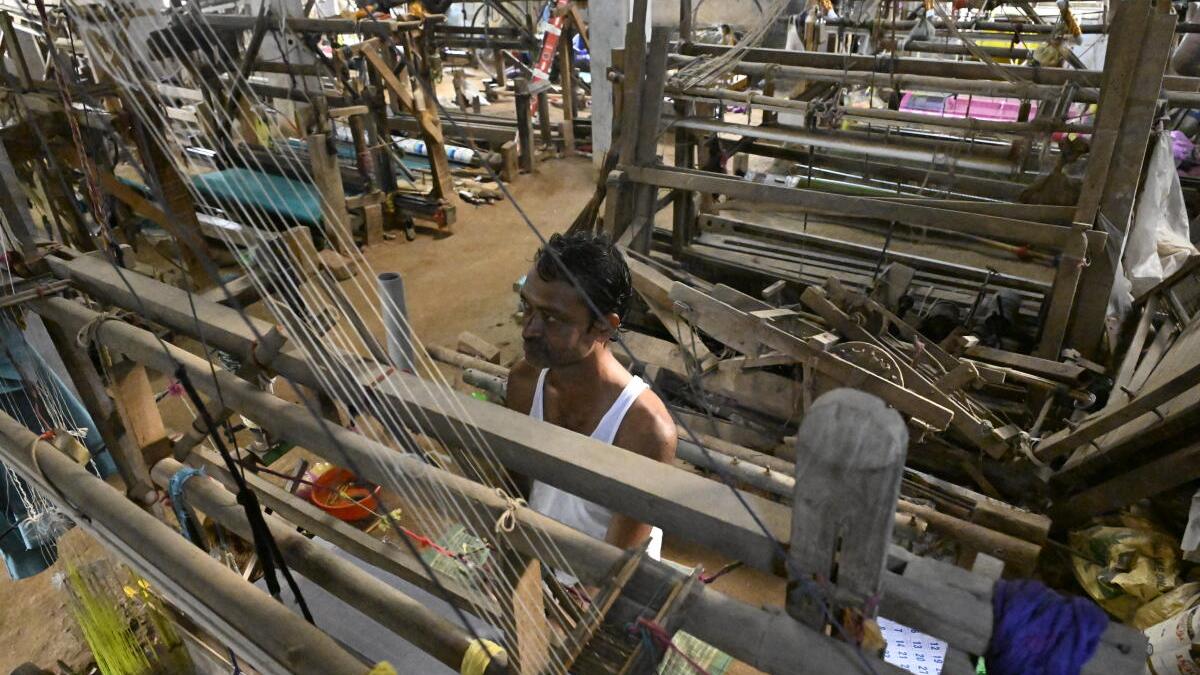
Revival of near-extinct handloom traditions, gaps in representation, and concerns over authenticity emerged as key themes at a fireside conversation at Bharat Tex 2026 on Thursday.Development Commissioner (Handlooms) M. Beena and author and handloom connoisseur Priyambada Jayakumar discussed three traditions brought back through direct government intervention - Tangaliya from Gujarat, Awadh Jamdani from Uttar Pradesh, and Telangana’s GI-tagged Siddipet Gollabhama saree.Tangaliya, they noted, had dwindled to a single surviving weaving family before revival efforts began. Awadh Jamdani, a white-on-white silk weave, remains distinct from Bengal’s Dhakai Jamdani, while the Siddipet Gollabhama saree is known for its woven milkmaid motifs.Drawing from these examples, Ms. Beena highlighted a structural imbalance in the sector. While handloom work is concentrated in marginalised rural communities and largely carried out by women, recognition and visibility remain skewed.“Women are the backbone of India’s handloom sector, but they are rarely the face of it,” she said, adding that women need to be enabled not only to weave but also to design, procure, market and sell their products.Looking ahead, Ms. Beena said the challenge lies in aligning handloom with changing consumer behaviour. While younger buyers may not be purchasing sarees, they are responsive to sustainability. Positioning handloom as a versatile, low-carbon fabric adaptable to products such as shirts and stoles is key, she said, pointing to youth-led start-ups already working in this space.Reflecting on her interactions with artisans, Ms. Jayakumar recalled a 22-year-old Tangaliya weaver attempting to revive a fading craft. “That takes a leap of faith and real courage,” she said, adding that the enthusiasm among weavers to see their work regain visibility was striking.She also noted that India, despite its long-standing textile heritage, had gradually shifted to being a supplier in the global value chain. Efforts now are aimed at restoring both visibility and value to these traditions, she said.Concerns over imitation products being sold as handloom were raised by the audience. Ms. Beena said the Handloom Mark and barcoding system were introduced to address this, and that counterfeiting them is a punishable offence. She, however, acknowledged that stronger authentication mechanisms are needed and said these are being worked on. Consumer awareness, she added, remains the primary safeguard for now. Published - July 17, 2026 07:25 pm IST
Handloom revival stories in focus at Bharat Tex 2026; Gen Z, authenticity flagged as key challenges
Bharat Tex 2026 highlights handloom revival, authenticity concerns, and the challenges of engaging Gen Z in sustainable textiles.
371 words~2 min read