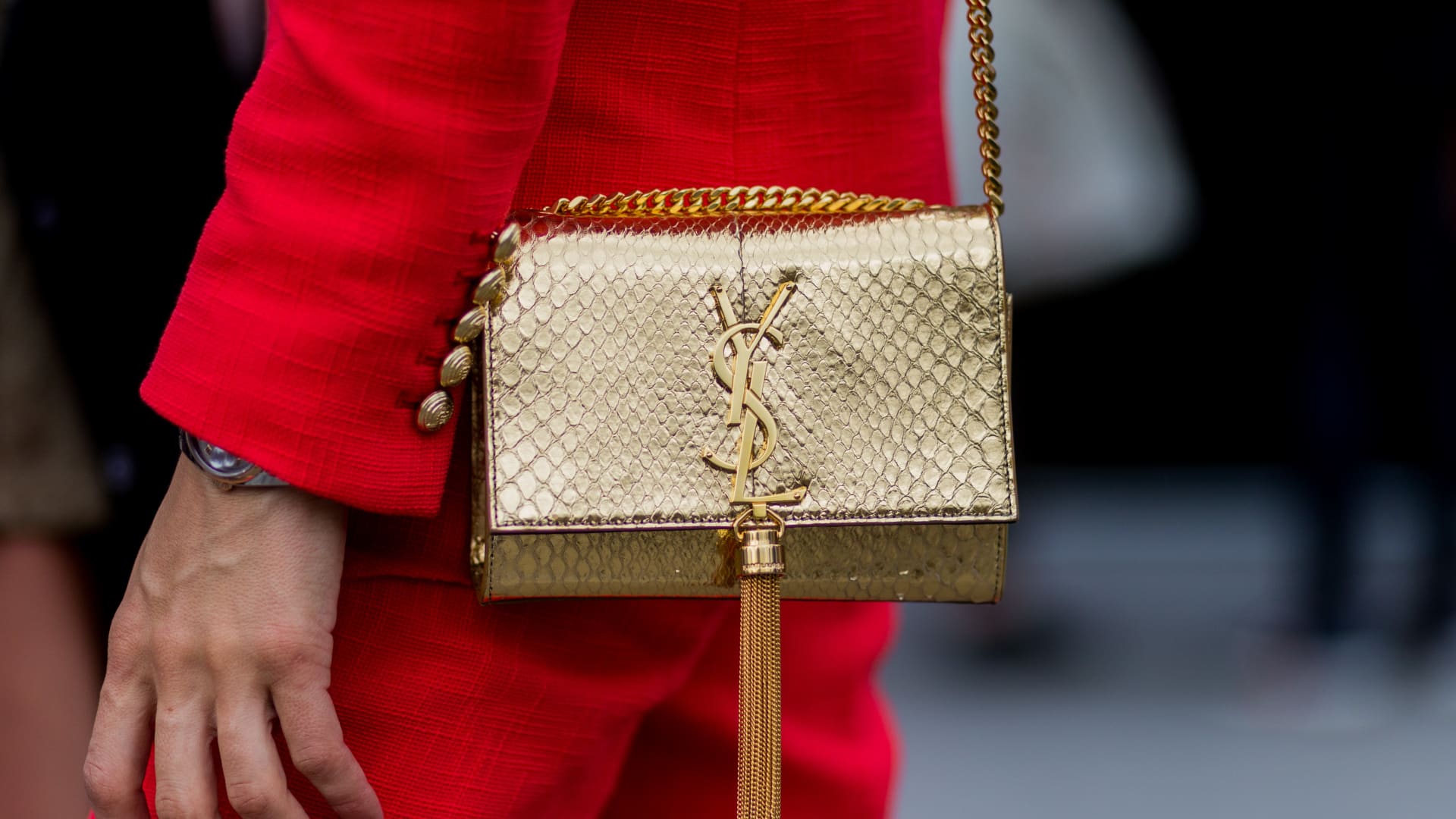
Nothing’s more fashionable than having the latest designer bag, newest trending jean or a chic office look from the current seasonal collection. But after decades and centuries of marketing the latest style to consumers, some of the industry’s biggest names are betting there’s just as much money and opportunity in selling what’s already been worn.
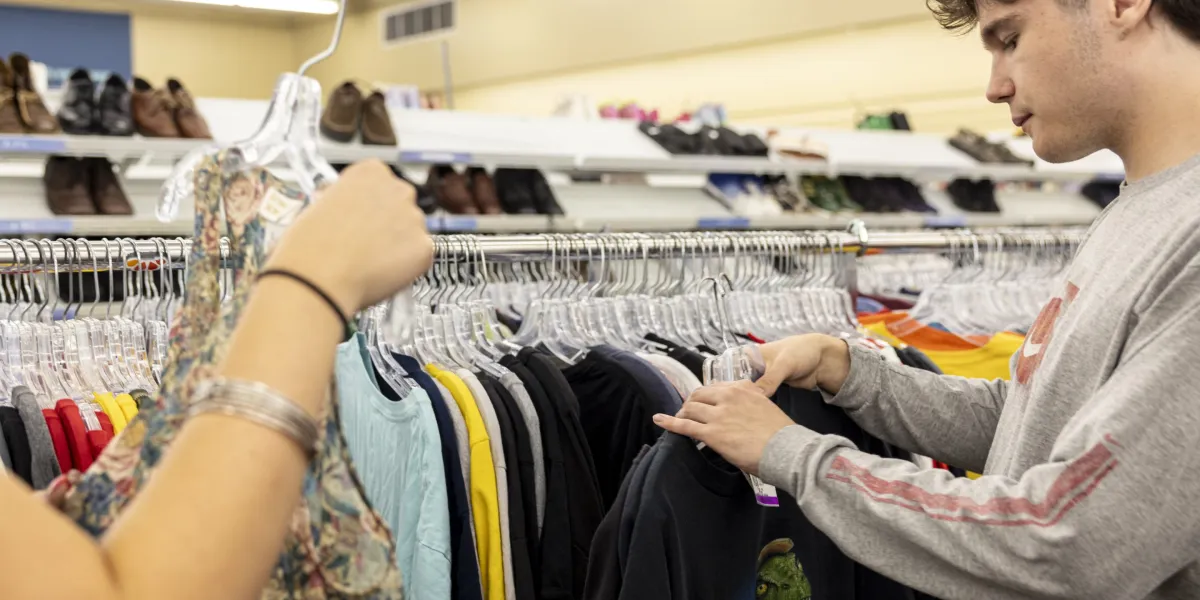
A growing number of fashion brands—including Zara, H&M, Lululemon, Levi’s and REI—are launching their own resale platforms, selling secondhand versions of their products alongside new ones. The reason is competitive as much as it is environmental: for years, the resale of their clothing has happened on eBay, Poshmark, Depop and The RealReal, generating billions in sales that the brands themselves never touched. Now, they want a cut.
According to ThredUp’s 2026 Resale Report, the global secondhand apparel market is projected to reach $393 billion by 2030, growing twice as fast as the broader apparel market. In the U.S., resale is expected to reach $78.8 billion by the end of the decade after growing nearly four times faster than overall retail clothing sales last year.
For retailers, the opportunity extends well beyond simply selling more clothes. By operating their own resale marketplaces, brands can capture a share of the growing secondhand market while maintaining a relationship with customers long after the original purchase.