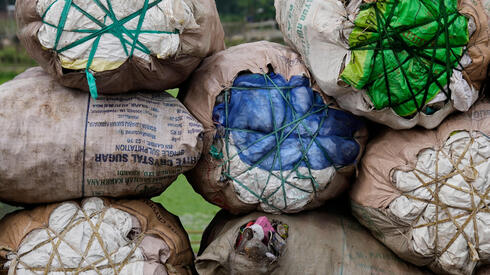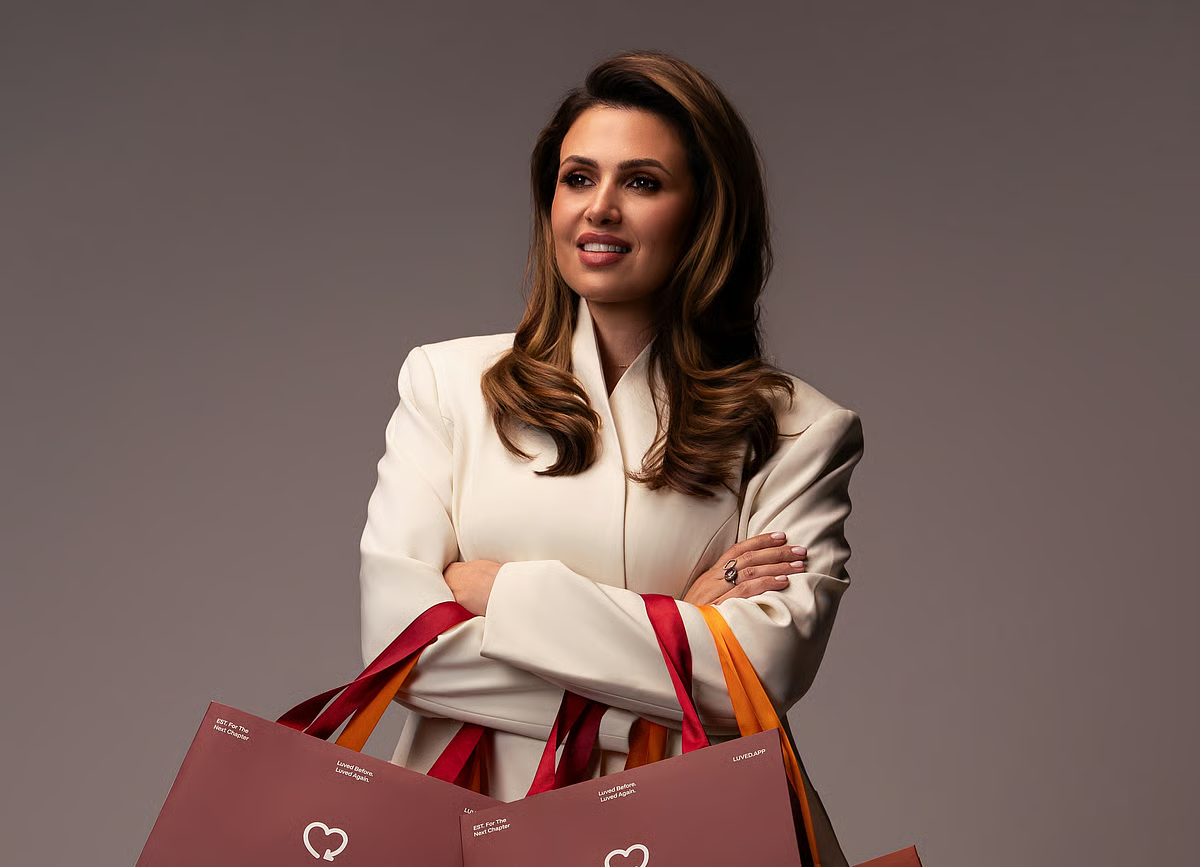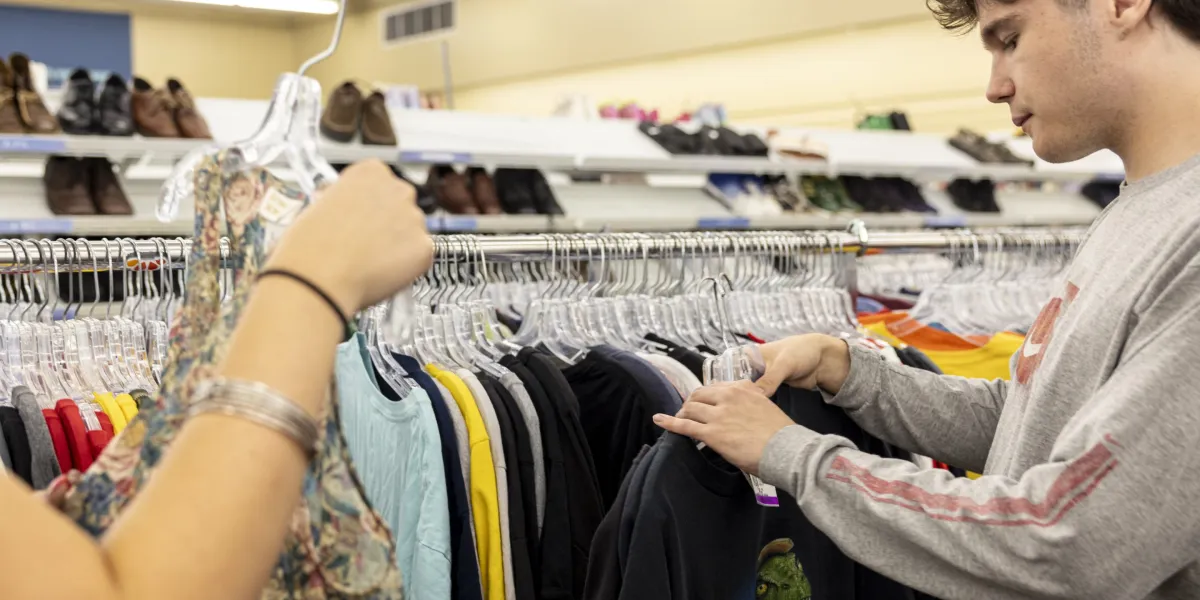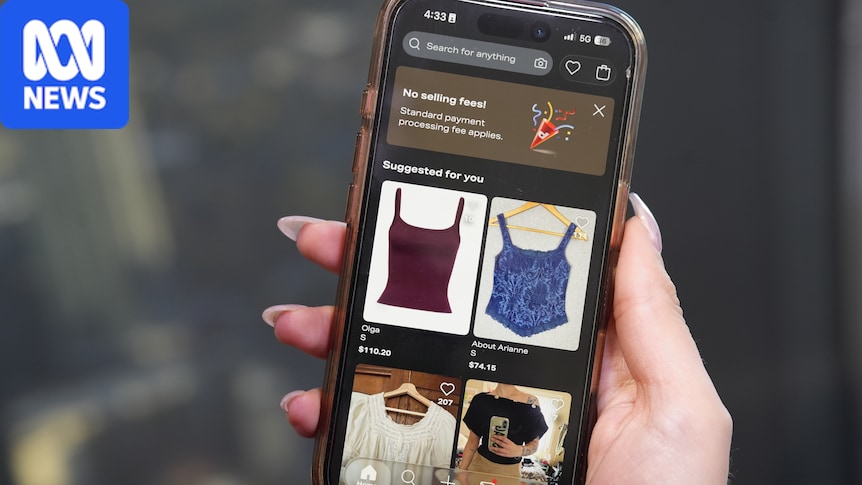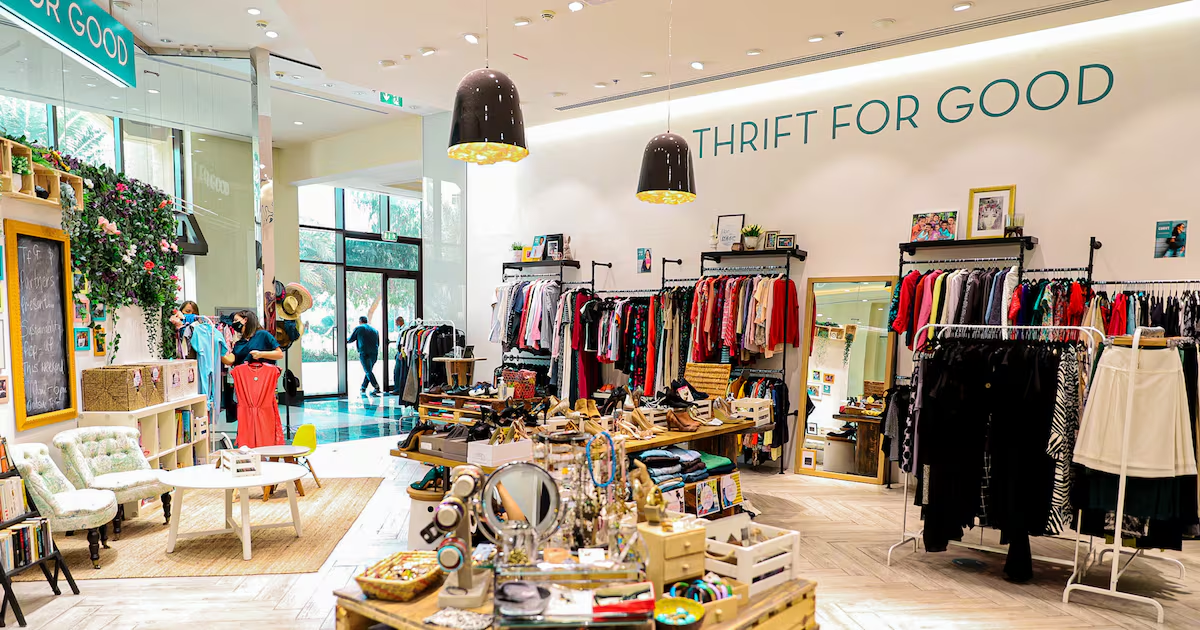
The UAE’s fashion landscape is becoming more textured, as the country's secondhand and pre-loved shopping scene blossoms. What was once considered a niche market is becoming part of the mainstream retail landscape, says Rachel O’Hara, founder of Showcase DXB, the rent-a-booth concept that’s become a go-to for some of the city’s best-dressed. “There is a growing appreciation for quality, longevity and value, rather than simply buying new.”Canadian content creator Randi Comrie has spent the past year documenting the country’s secondhand landscape for her social media following. In that time, it has become “more of a community than just a scene”, she tells The National. Dubai's particular pace of consumption has inadvertently made it a great place to hunt for pre-loved pieces, she says, adding that the city's culture of rapid turnover means that secondhand stock is frequently near-pristine. “You can find such great stuff in Dubai, hardly worn, if at all,” she says. “Finding stuff with tags on is still very common.” While secondhand shopping has long been associated with financial necessity, some are also reaching for pre-loved pieces in a bid to become more eco-friendly and turn away from fast fashion. Estimates suggest the fashion industry is responsible for 10 per cent of global emissions, with dyes and chemicals contributing to environmental damage. At the same time, the past decade has seen a sharp increase in ever-cheaper sartorial choices. Showcase DXB is among dozens of secondhand fashion platforms popping up in the UAE. Photo: Showcase DXBInfoAbout 220,000 tonnes of textile waste are produced each year, according to state news agency Wam. That’s why the government recently launched Naseej, the National Initiative for Textile Circularity, to address the increasing amount of clothing going to waste locally. Showcase DXB is only one shop among dozens across the country. Thrift for Good, one of Dubai's most established donation stores, has added two locations in the past year, doubling its footprint to four shops to handle a surge in supply. Ras Al Khaimah recently got its first secondhand shop, Chic Resale. Online platforms such as Taggy and Yalla BB are scaling rapidly, with more apps emulating the UK’s popular Vinted launching regularly. Pop-up markets also now fill weekends across Abu Dhabi and Dubai, with Comrie tracking an average of four to six events on any given Saturday or Sunday.The resale market is particularly strong for luxury goods. For Safiya Mehbaliyeva, founder and chief executive of Gemaee – a luxury resale platform that draws inspiration from Japan's precision-led approach – the motivations driving shoppers into the market have changed. “Before, people associated pre-loved shopping mainly with affordability. Today, it's also about individuality, sustainability and smarter consumption,” she says. “Especially in Dubai, people are becoming more comfortable mixing luxury with vintage pieces that have character and history.”Customers today are “significantly more educated and intentional”, Mehbaliyeva adds. “They ask about rarity, provenance, craftsmanship, condition, resale value, authentication process and sourcing transparency.”The cultural shift has been equally significant. “Sophisticated buyers no longer see pre-loved luxury as a compromise – in many cases, they actively prefer it because it gives access to discontinued collections, vintage craftsmanship, and pieces with individuality, rarity and history,” Mehbaliyeva explains.'Secondhand allows you to find unique pieces without destroying the planet,' says Randi Comrie who tracks the UAE's preloved shopping sector. Photo: Randi ComrieInfoThere is more education and awareness-raising left to do, says Comrie. “Secondhand allows you to be creative and expressive, and to find unique pieces without feeling like you're destroying the Earth,” she says. At a human level, she adds: “You may not be able to control much, but you can find a cute dress.”O’Hara says one of the biggest hurdles is “challenging outdated perceptions” and helping customers see “the value of pre-loved fashion”. While attitudes have changed significantly, she agrees there is still work to be done in helping people understand that secondhand clothing “can offer exceptional quality, uniqueness and sustainability”.An added challenge has been the recent turmoil in the region. For O'Hara, it was a test of fundamentals. “Like many businesses, it was a challenging period that required adaptability and resilience,” she says. “We focused on strengthening our customer engagement, investing in our presence across digital channels, and ensuring we continued to provide value for both buyers and sellers. While there were changes in consumer behaviour and retail footfall, the experience reinforced the importance of staying flexible, listening to our community and evolving with their needs.”'I would love to see people buy more thoughtfully and use products longer,' says Safiya Mehbaliyeva, founder of a pre-owned luxury fashion platform in Dubai. Photo: GemaeeInfoThe market picking up again in May means O’Hara and other business owners are feeling positive about the future of resale in the UAE. Comrie hopes that we’ll also see a rise in true vintage, which she says is still lacking. Since it’s a relatively young country, genuinely aged pieces that carry decades of history – the prewar craftsmanship that fills Amsterdam's famous markets, for example – are largely absent from the local landscape. Some shops selling retro and Y2K fashion include Fashion Rerun and Digg It in Al Quoz, and Vintage Vibe in Oud Metha. “People aren't moving to Dubai with suitcases full of vintage clothes, something from the 1940s or 1950s,” says Comrie. “We don't really have a market for it here.” It is less a criticism than a geographical and historical reality, she adds, one that time may eventually begin to address.As the market matures, Mehbaliyeva says authentication standards, transparent condition reporting and long-term reputation will matter more than volume or aggressive pricing. “Trust is becoming the currency of the industry,” she says. “Long-term trust should matter more than short-term profit.” Ultimately, she hopes to see the UAE become “one of the global leaders in luxury circular fashion – not only commercially, but also culturally. “I would love to see people buy more thoughtfully, use products longer and stop seeing pre-loved as second best.”Meanwhile, Comrie simply wants more residents to realise such a scene exists – and that it has space for them, whatever their style or budget, and whether they want to buy or sell. “Secondhand shopping in Dubai just makes sense,” she says, “because it is a city that, yes, has been very flash and has a quick turnover, but that turnover can be the raw material for something better. "Give a piece of clothing a good life. If it's not for you, don't hold on to it; give it to someone else who will love it.”
Secondhand is no longer second best, as shoppers turn to preloved fashion for stylish and practical reasons | The National
Pace of consumption in the UAE has inadvertently made it a great place to find near-pristine pieces
TL;DRAI
UAE's secondhand fashion market has gone mainstream with platforms like Gemaee, Taggy and Yalla BB; 220k tonnes annual textile waste prompted government-backed Naseej circular initiative. The marketplace shift to authentication and supply chain transparency signals sustainability infrastructure is now a core differentiator for tech-enabled operators.
1,083 words~5 min read