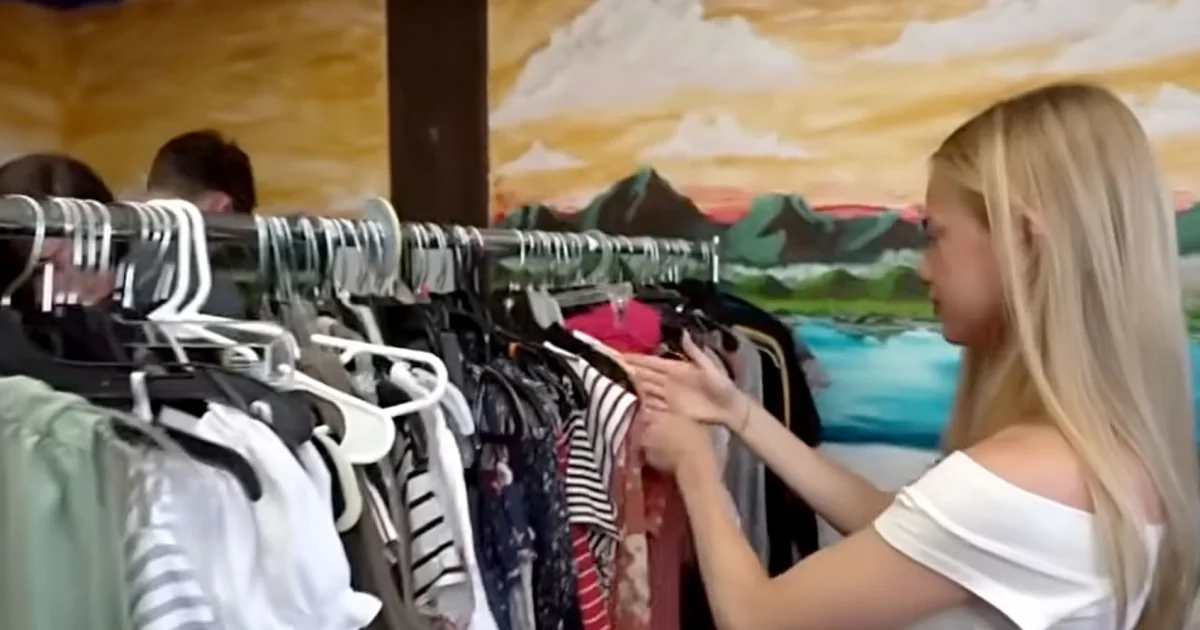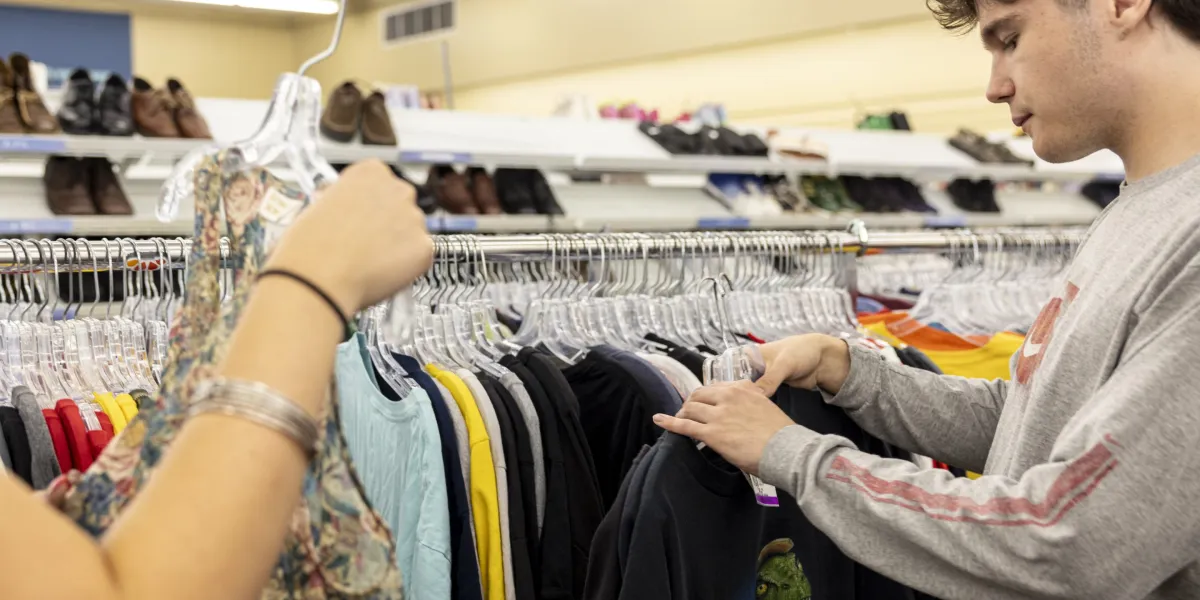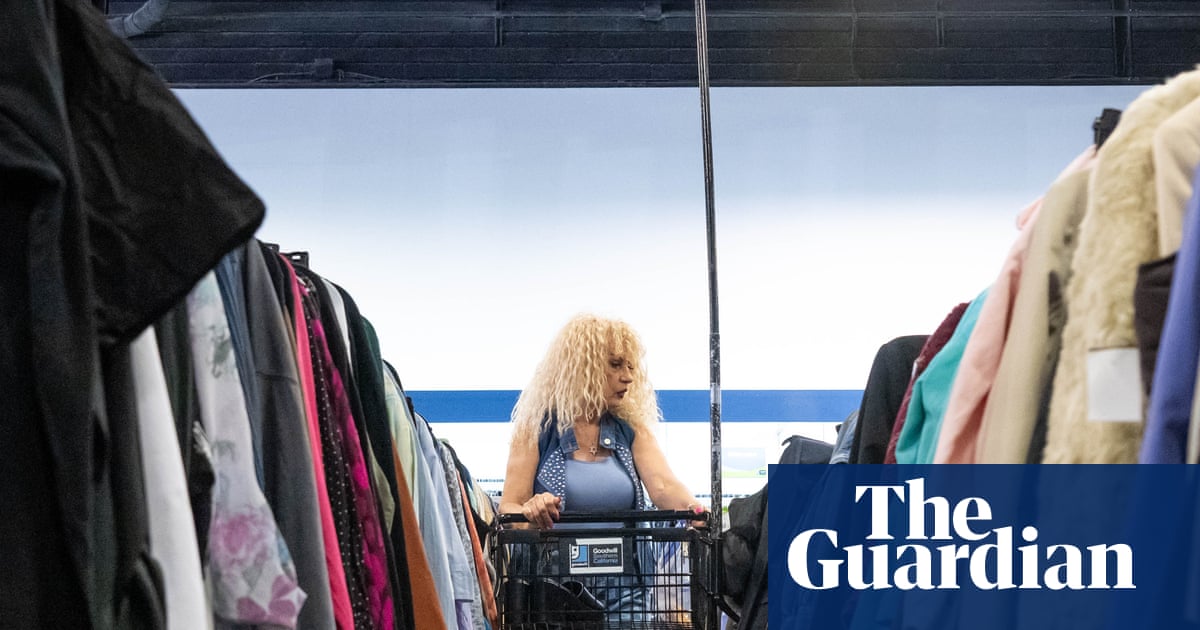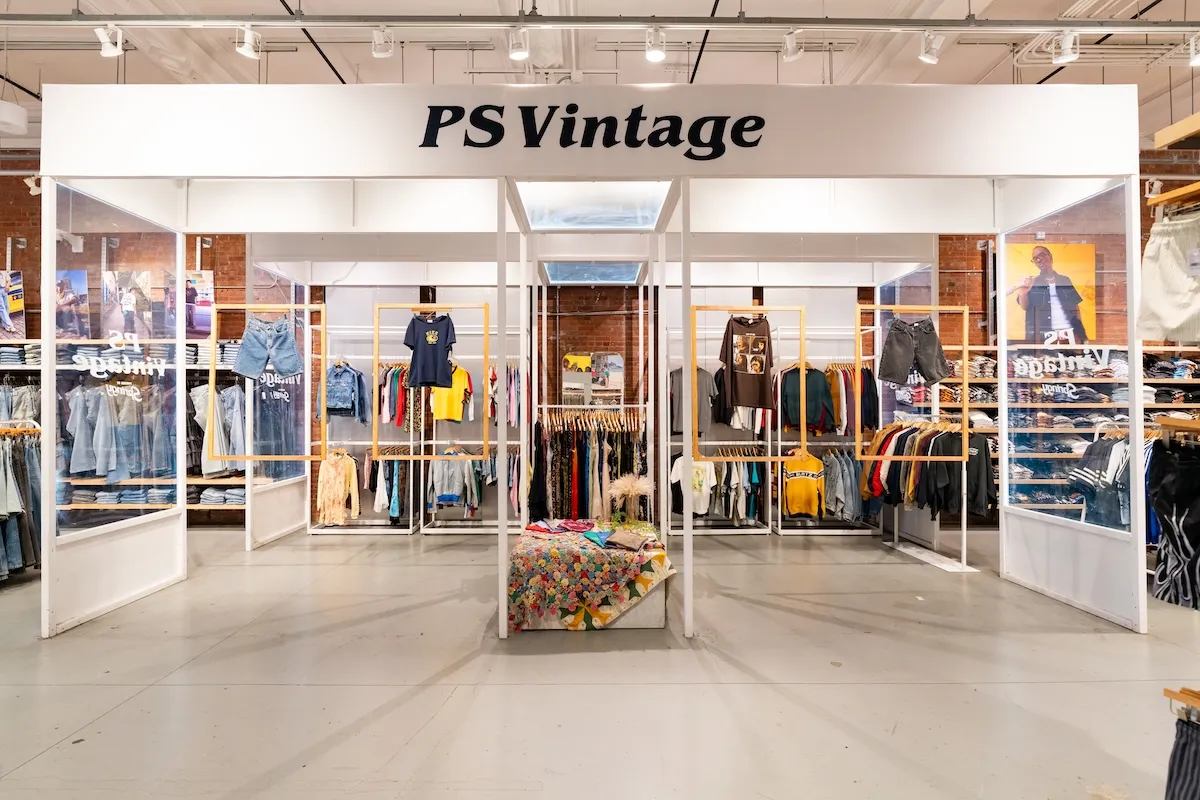
Man On The Boon opens a vintage market at its Cheongdam flagship store on Wednesday. (Sinsagae International) Despite weekly drops from fast-fashion brands and fast-moving trend cycles, a growing number of consumers are shopping differently.For Generation Z, shopping is less about browsing department stores or following platform rankings and more about "digging," scouring secondhand platforms and shops to unearth pieces that match their taste.That shift, driven by rising living costs and value-driven spending, has pushed secondhand consumption out of the margins and into the mainstream.The numbers back it up. According to the Hana Institute of Finance, Korea's recommerce market is estimated to have grown more than tenfold, from 4 trillion won ($2.7 billion) in 2008 to 43 trillion won last year.Cost savings remain the biggest draw, with multiple surveys citing lower prices as the top motivation for buying used items.Korean consumers are increasingly getting used to thrifting. In a survey of 1,000 people aged 13 to 59 by market researcher Embrain, 78 percent of respondents said they had bought or sold used clothing, and 62 percent said they viewed secondhand clothing as a natural option.The global market is expanding quickly as well. Research and Markets projects the global secondhand apparel market will more than double from about $199 billion in 2025 to $486 billion in 2031.Companies now handle the entire process, from collection and inspection to pricing, care and delivery, improving reliability compared to past person-to-person transactions."There is a growing perception that secondhand shopping goes beyond recession-driven consumption and is about spending on one's own taste. It will establish itself as a new way of consuming fashion that extends the useful life of clothing," a fashion industry official said.Fashion companies are racing to expand. Musinsa's secondhand service launched in September, Musinsa Used, has seen transaction volume grow tenfold and its seller base increase 30-fold in the first half of this year."We put products through condition inspections and classify them into five grades. Offering authenticated, like-new secondhand products at reasonable prices generated word of mouth and helped bring in new customers," a Musinsa official said.Kolon FnC's resale platform OLO Relay Market, which initially accepted only 19 of the company's own brands, now handles 176. Transaction volume in the first half of this year grew about 4.4 times compared to the second half of 2022, when the service launched. The company released a mobile app for the platform this month.LF has expanded its resale platform L-Re Market from 15 in-house brands to about 170, spanning golf wear and outdoor categories alongside contemporary labels. Transaction volume in June rose about 80 percent from September last year.Department stores have joined the race. Hyundai Department Store introduced its Buy Back resale service in July last year and has since run related pop-up stores, while Lotte Department Store operates a Green Reward program that exchanges clothing for points.Shinsegae International's menswear brand Man on the Boon held a vintage market at its flagship store in Gangnam-gu, Seoul, from Wednesday through Sunday, in collaboration with four vintage specialty shops from Korea and the US."Male customers are increasingly expressing their taste and discernment through fashion. We carefully curated vintage shops from home and abroad, so visitors can enjoy the fun of discovering hidden treasures," a Shinsegae International official said.
From thrift to taste, resale reshapes how consumers shop
Despite weekly drops from fast-fashion brands and fast-moving trend cycles, a growing number of consumers are shopping differently. For Generation Z, shopping i
541 words~2 min read