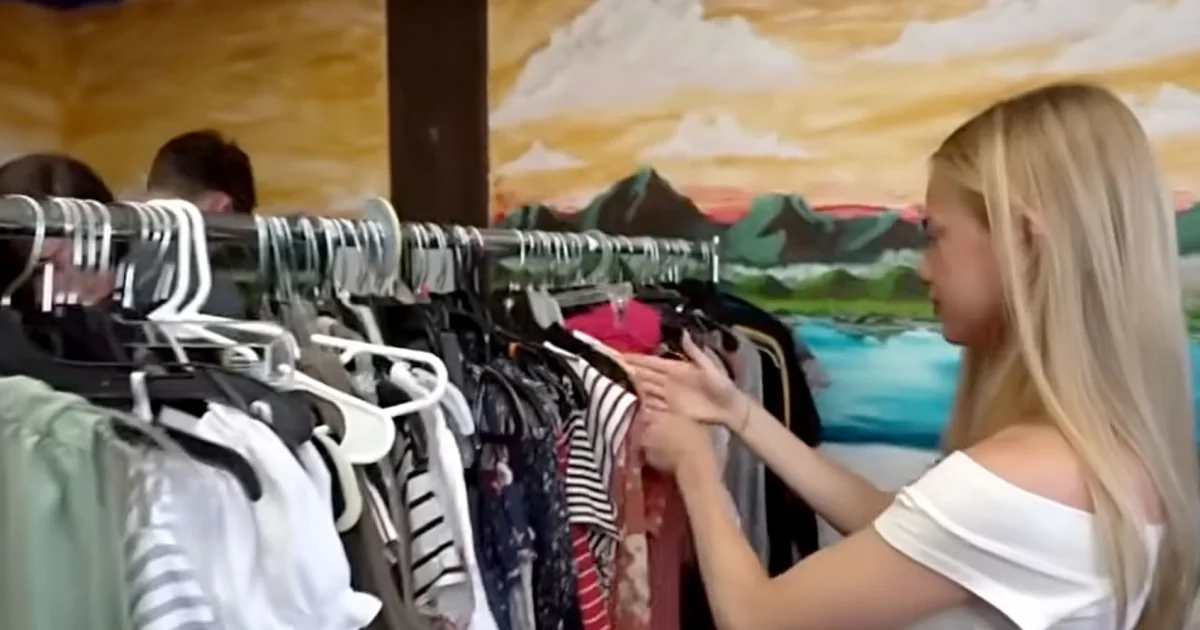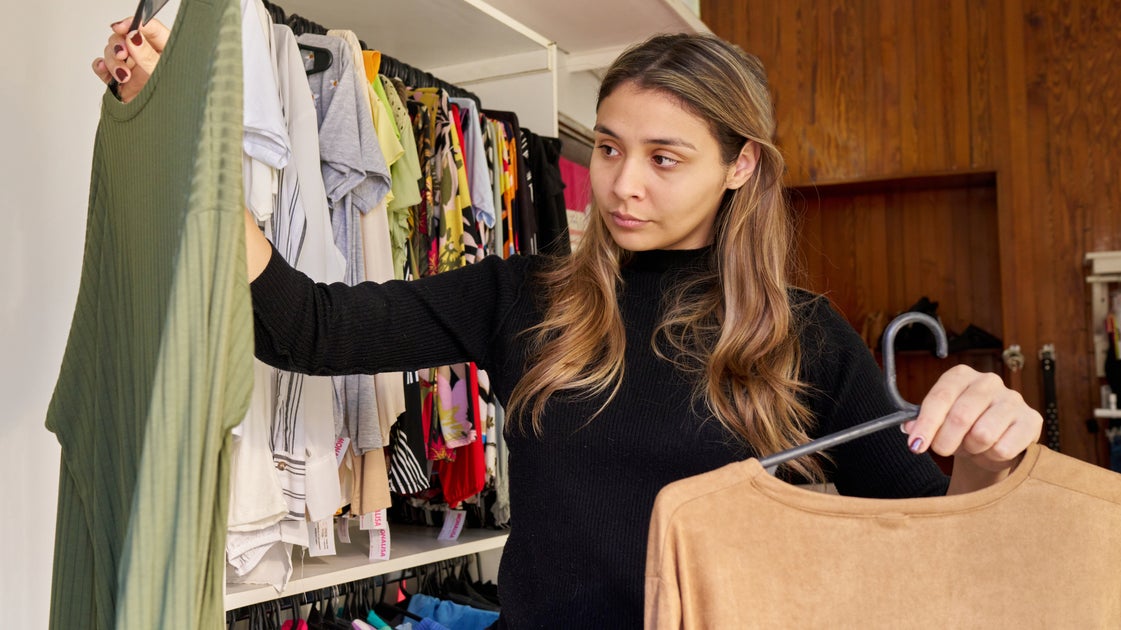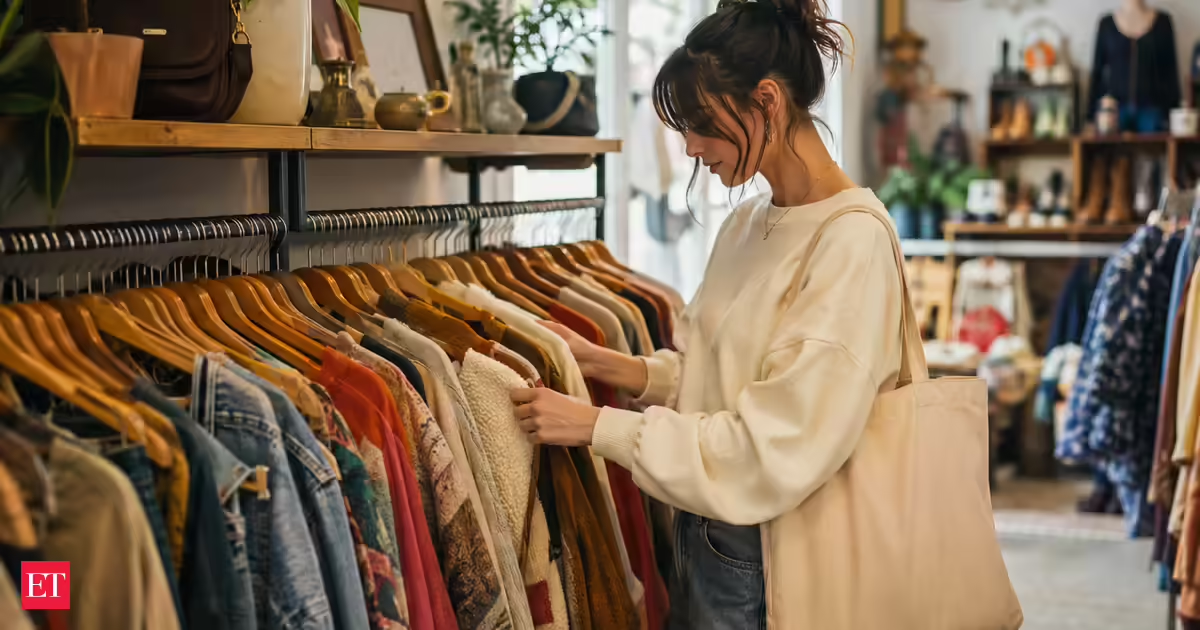
Imagine walking into a thrift store wearing a designer watch. Someone glances at your shopping basket and jokingly asks, "Couldn't you just buy this new?"It's a common assumption that secondhand shopping is something people do only when money is tight. But psychologists and consumer researchers say that idea is increasingly outdated.Today, many people who can comfortably afford brand-new clothes intentionally choose thrift stores, vintage boutiques, consignment shops, and resale platforms. They're often motivated by something much deeper than finding a bargain. For many, secondhand shopping reflects their values, creativity, and desire to own something unique.A growing body of research suggests that environmental concern, personal style, nostalgia, and the thrill of discovery all play important roles in why secondhand fashion has become mainstream.Why caring about the environment makes thrift shopping more appealingAccording to a 2021 study, The role of environmental concern in explaining attitude towards second-hand shopping, people who are concerned about environmental issues tend to have much more positive attitudes toward shopping secondhand.Researchers surveyed 841 people in Spain and Poland and found that one factor stood out above all others: awareness of the environmental consequences of consumption.People who understood the environmental costs of producing new clothing, including textile waste, pollution, and resource use, were significantly more likely to view secondhand shopping positively.Interestingly, the study found that simply feeling personally responsible for protecting the environment was not enough. Instead, people were most influenced when they clearly understood how buying used products helps reduce waste and extend the life of existing goods.The researchers concluded that environmental education may play a larger role in encouraging secondhand shopping than guilt or social pressure alone.It's about expressing individuality, not just saving moneyPrice may attract people to thrift stores, but it isn't always what keeps them coming back.According to a 2022 study, Consumer Orientations of Secondhand Fashion Shoppers: The Role of Shopping Frequency and Store Type, secondhand shoppers are motivated by a mix of frugality, ecological consciousness, nostalgia, style-consciousness, and fashion-consciousness.After surveying 515 female-identifying shoppers, researchers found that nearly every one of these motivations became stronger among people who shopped secondhand more frequently.Different types of stores also appealed to different personalities.People who enjoyed nostalgia were especially drawn to traditional thrift stores, environmentally conscious shoppers often preferred consignment stores and resale markets, while style-conscious shoppers visited virtually every type of secondhand retailer.The findings suggest that secondhand shopping is no longer a niche activity associated only with bargain hunting. Instead, it has become a way for many consumers to combine sustainability with personal expression.The surprising role of fashionOne of the biggest misconceptions about thrift shopping is that fashion-conscious people only buy new clothes. Research suggests almost the opposite.According to a 2016 study, The Role of Fashionability in Second-hand Shopping Motivations, fashion is now one of the strongest reasons people shop secondhand.Researchers identified four different types of secondhand shoppers and found that around 83% were motivated by fashion to some degree.Many shoppers weren't simply looking for lower prices. They were searching for vintage pieces, limited-edition items, distinctive brands, or clothing that helped them stand out from mass-produced fast fashion.The researchers argue that secondhand shopping has undergone a cultural transformation. What was once associated with financial necessity has increasingly become associated with originality, trend awareness, and personal identity.Why thrift shopping feels so rewardingPsychologists have long known that people enjoy activities involving uncertainty and discovery.Unlike traditional retail stores, where inventory is predictable, thrift stores offer constantly changing collections. Every visit presents the possibility of finding something unexpected.Researchers often describe this as a "treasure hunt" shopping experience. The unpredictability creates excitement because shoppers never know when they'll stumble across a designer jacket, a vintage handbag, or a one-of-a-kind piece for a fraction of its original price.That sense of discovery makes the shopping experience itself rewarding, not just the purchase. For many people, the excitement comes from finding something that nobody else owns.
Psychology says people who shop at thrift stores despite having money aren't just saving cash, they may value sustainability and individuality
Forget the notion that thrift stores are only for the budget-conscious. Today, a growing number of shoppers, even those who can afford new, are embracing secondhand fashion. This shift is driven by a desire for unique style, environmental consciousness, and the thrill of discovery. Research highlights that understanding the ecological impact of new clothing significantly boosts positive attitudes towards pre-loved items, making it a conscious choice for many.
640 words~3 min read