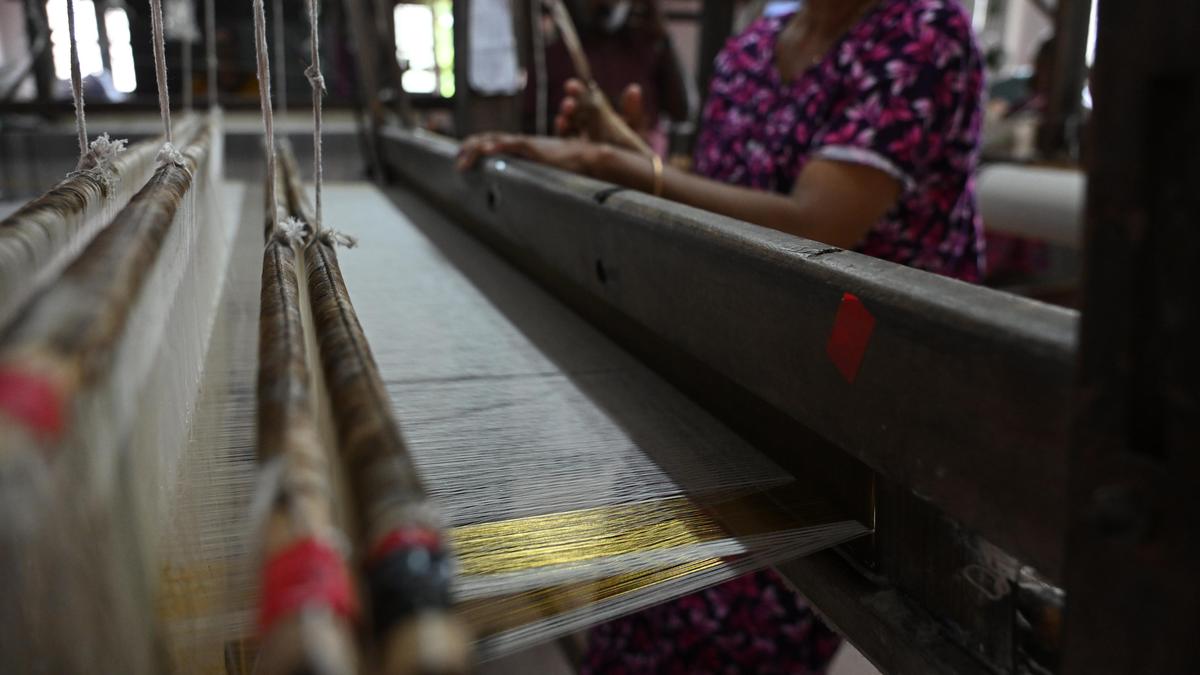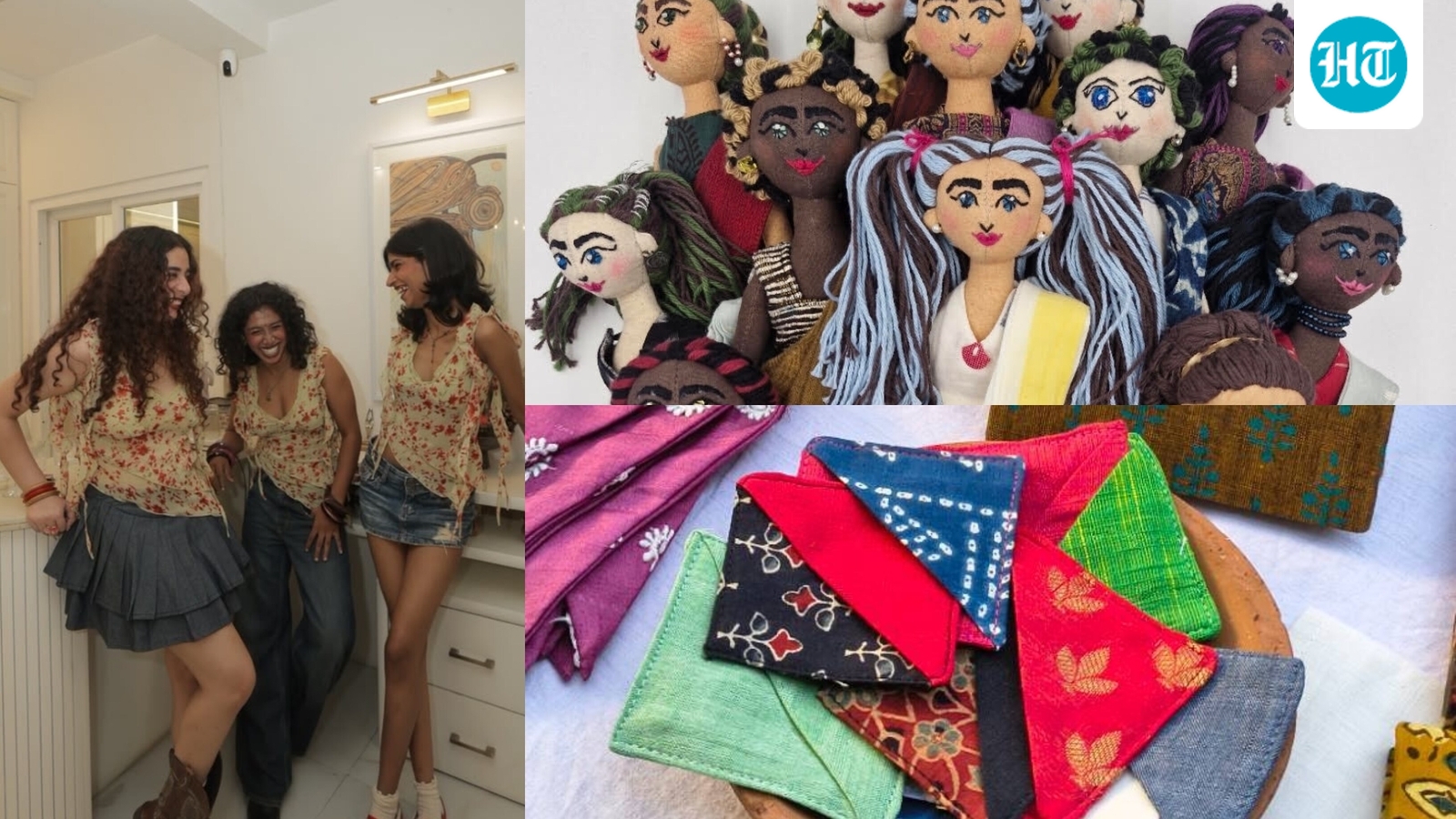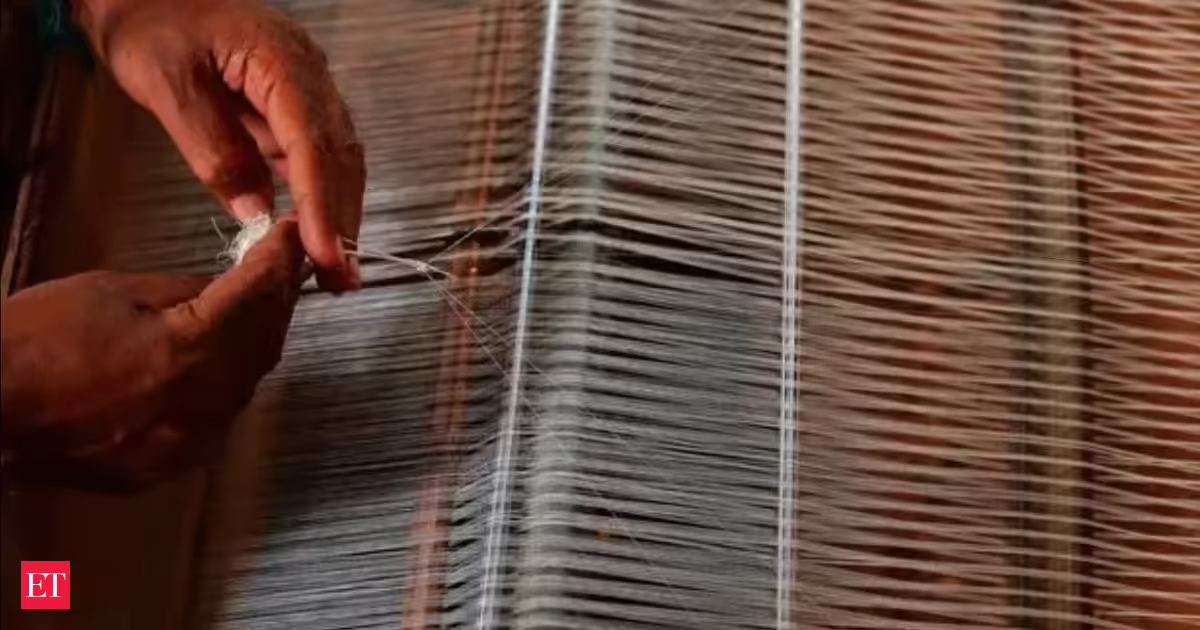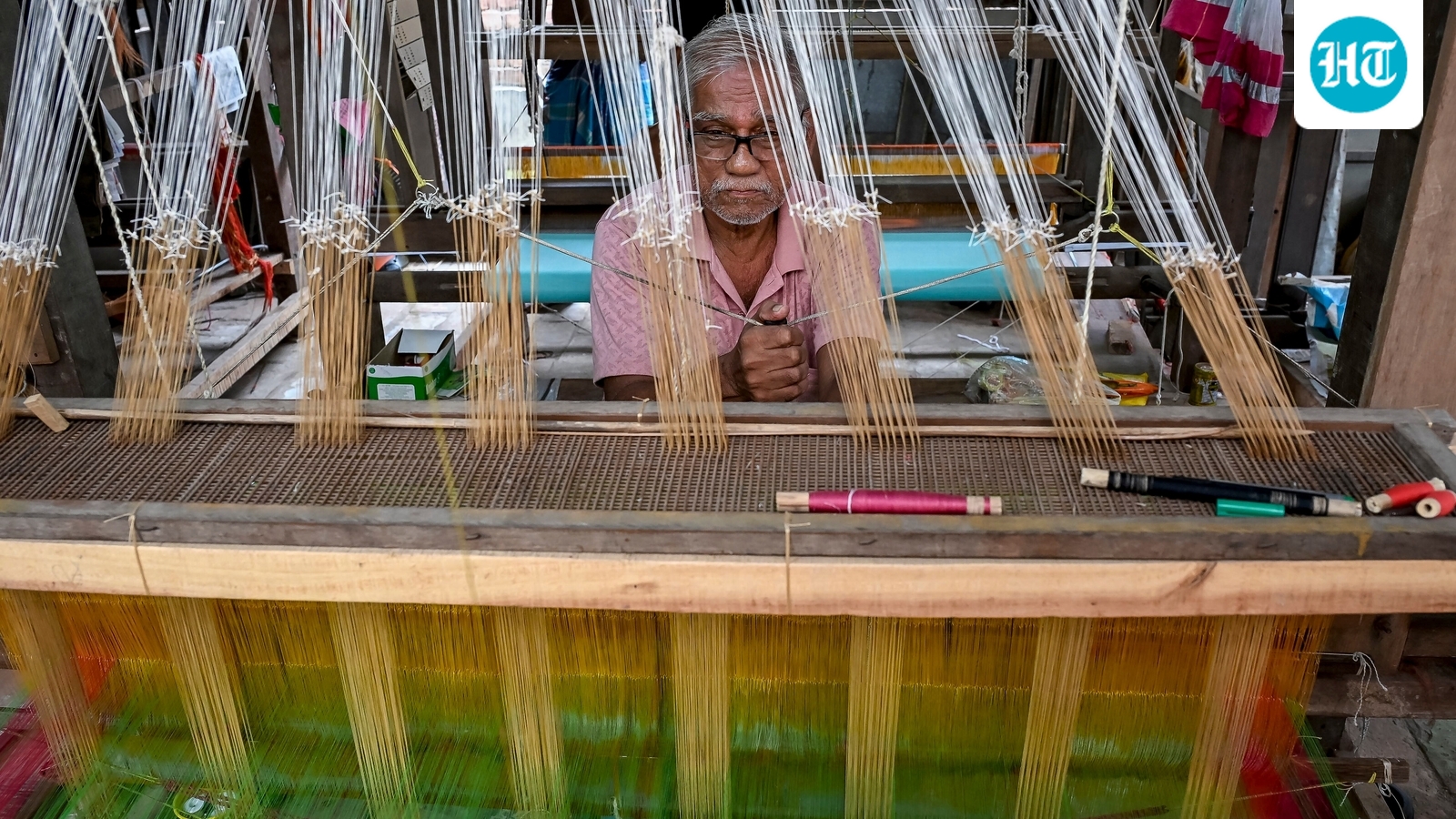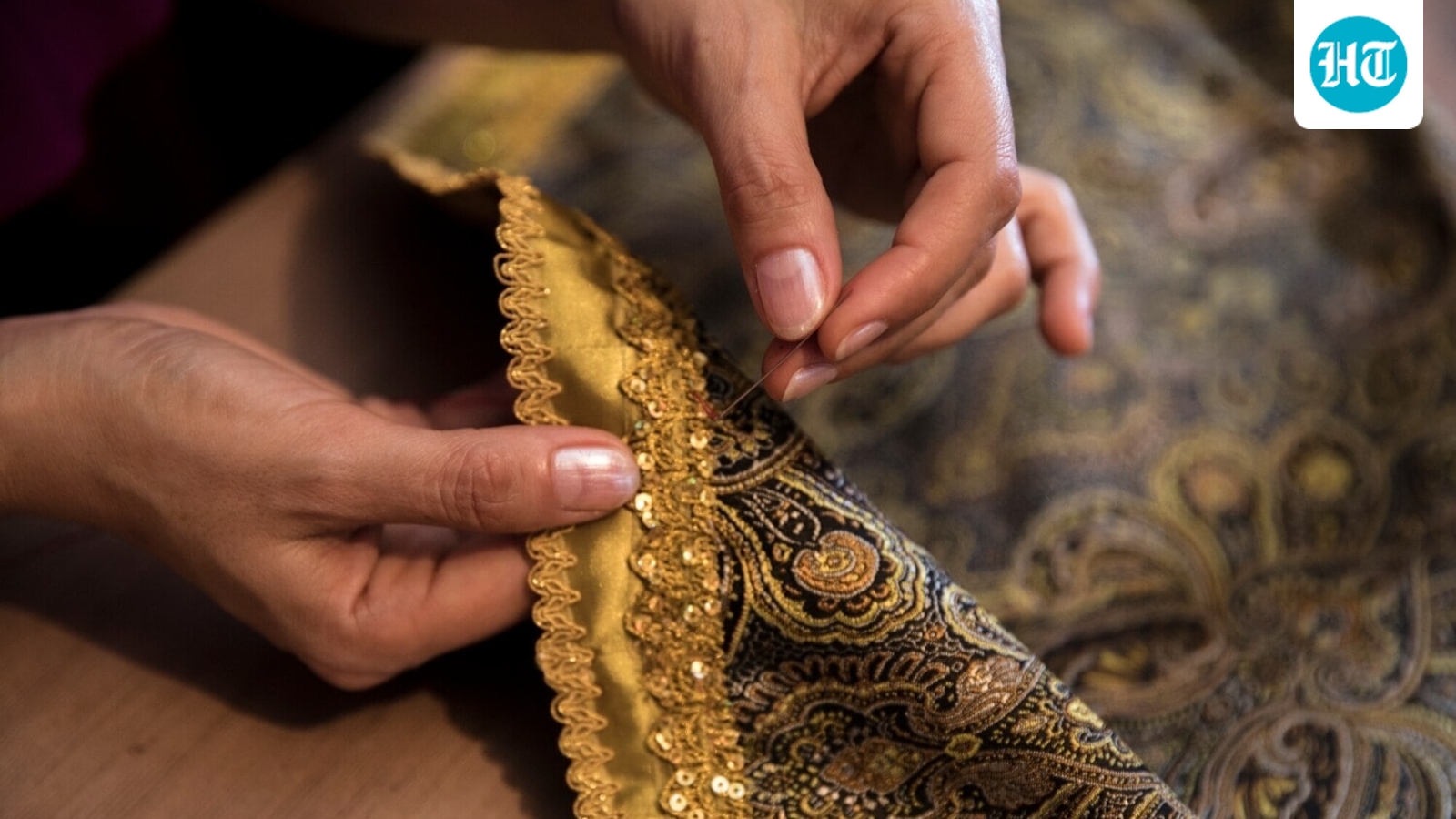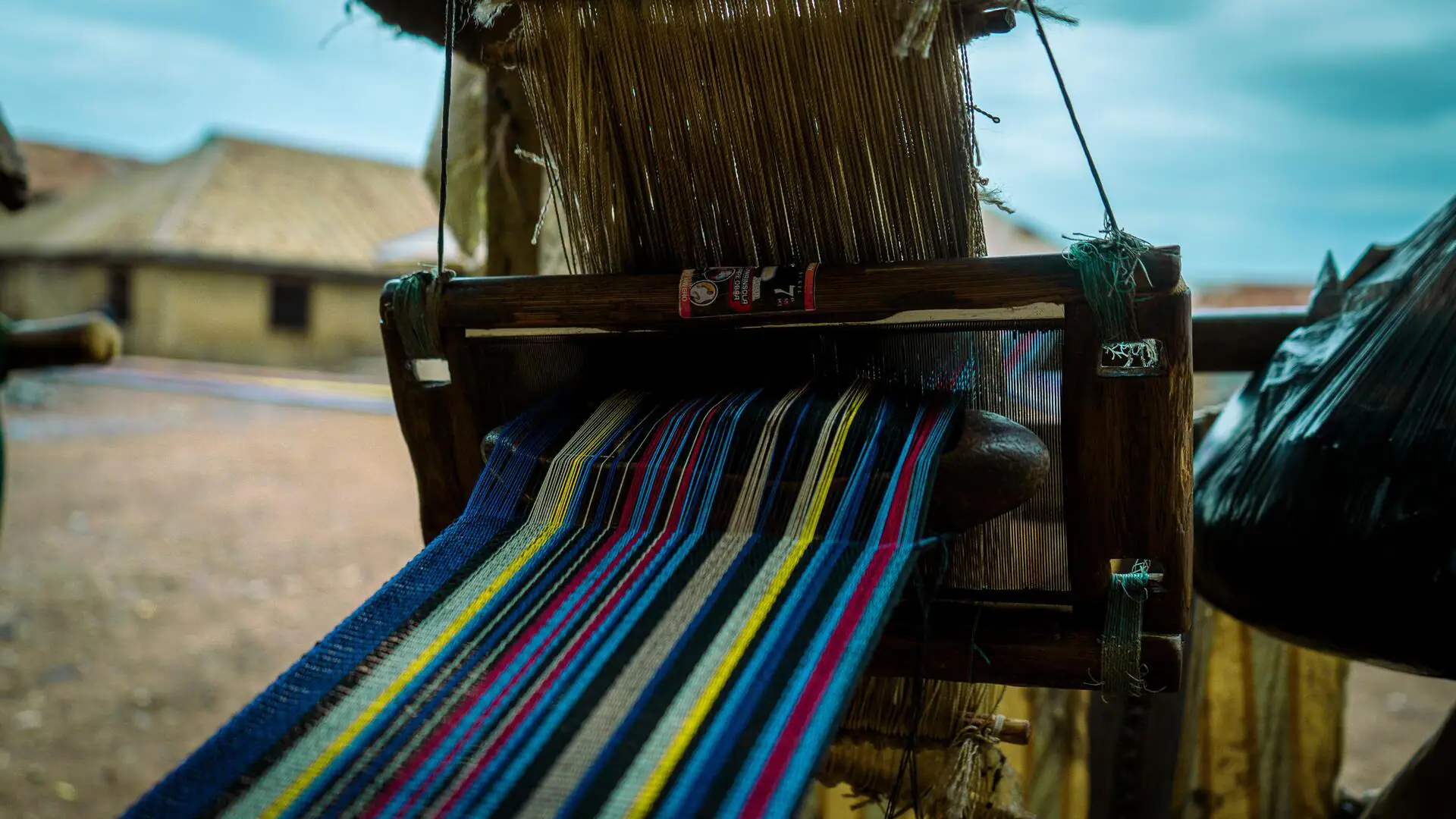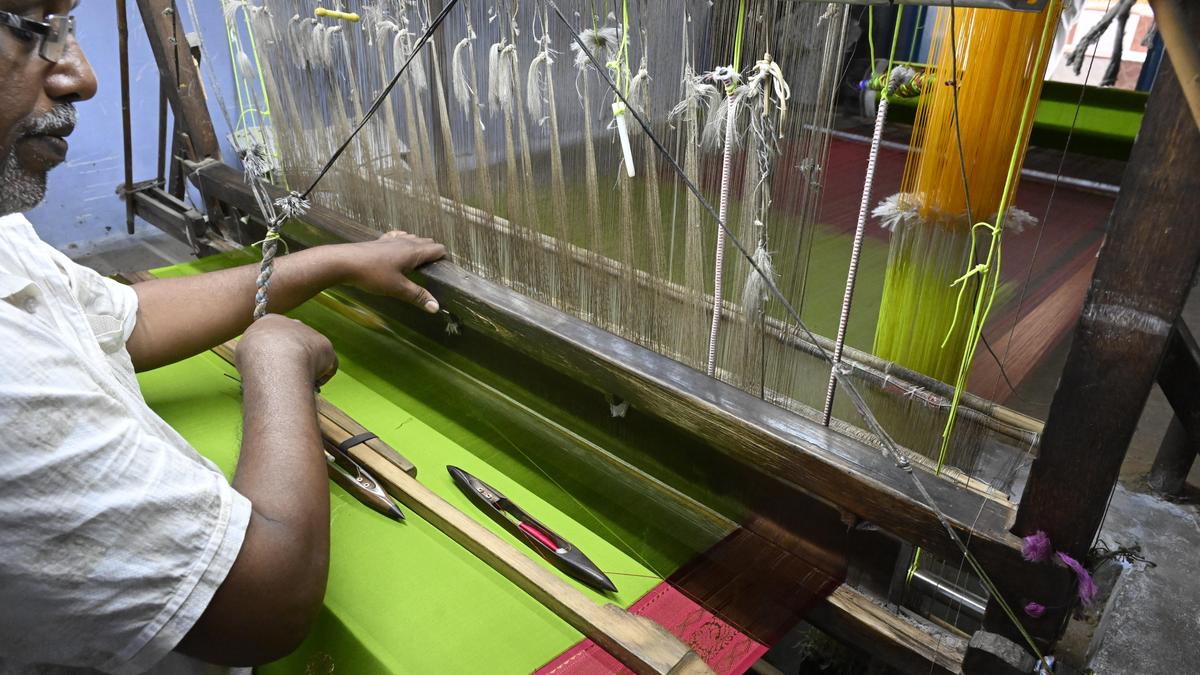
Today’s handloom sector is often viewed as a small artisanal activity — important culturally but peripheral economically. Long before the Industrial Revolution transformed manufacturing in Europe, India’s handlooms were among the world’s greatest industrial enterprises. Indian textiles travelled across continents, powered global trade, and established India’s reputation as one of history’s foremost manufacturing economies. Handloom was never a cottage industry on the margins; it was the backbone of India’s manufacturing strength and one of the foundations of its global influence.This legacy was once again at the centre of India’s freedom movement. From the Swadeshi movement’s boycott of British textiles to Mahatma Gandhi’s adoption of the spinning wheel as the symbol of self-reliance, weaving became an instrument of both economic resistance and national identity. It is, therefore, fitting that India celebrates National Handloom Day on August 7, commemorating the launch of the Swadeshi Movement in 1905 and honouring generations of Indian weavers.Today, the sector remains far more significant than it is generally acknowledged to be. It provides livelihoods to more than 35 lakh weavers and allied workers across over 31 lakh households, with women constituting nearly 70% of the workforce. It remains one of rural India’s largest sources of non-farm employment while producing nearly 15% of the country’s cloth despite relying largely on manual technology. Few manufacturing sectors create as many jobs with such modest capital investment.Extinction threatYet this remarkable economic and cultural asset stands at a critical juncture. While celebrated traditions such as Banarasi, Kanchipuram, Patola, and Ikat continue to enjoy strong recognition, hundreds of less-known weaving traditions face gradual extinction. Younger generations are leaving the profession as returns diminish, markets remain fragmented, and traditional skills are no longer transferred within families. Every disappearing weave represents not merely the loss of a product but also the disappearance of centuries of accumulated knowledge, distinctive design vocabulary, and cultural identity. Every loom strengthens rural livelihoods, empowers women, supports local economies, preserves knowledge, and maintains civilisational continuity and cultural diversity. Therefore, protecting India’s handloom heritage is not only an economic necessity but also our civilisational duty.The government’s recent efforts with policy and programme support seems to be making a difference. Programmes under the National Handloom Development Programme have focused on skill development, design innovation, technology adoption, branding, and improved market access. Greater integration with e-commerce platforms and expanding export opportunities have enabled many artisan clusters to reach consumers who were previously inaccessible.Several success stories illustrate what targeted intervention can achieve. The revival of Tangaliya weaving in Gujarat, the transformation of Badturang village in Odisha’s Sambalpur district, and the growing popularity of Siddipet Gollabhama saris demonstrate that traditional crafts can thrive when design, market access, and institutional support converge. It was more than just a fashion statement when Brad Pitt wore a handcrafted shirt in traditional Tangaliya weave in his movie FI.The Office of the Development Commissioner, Handloom, in collaboration with UNESCO, has initiated the identification, documentation, and preparation of a comprehensive inventory of India’s languishing and endangered weaves. This should be extended to every nook and corner of the country. This combines well with Textiles Secretary Neelam Rao’s focus on promoting India’s rich Geographical Indication (GI) handloom and handicraft products and strengthening domestic and international market presence.Initiatives such as “Weave the Future” demonstrate how heritage, sustainability, innovation, and contemporary design can together inspire a new generation of consumers while ensuring that India’s handloom traditions remain vibrant, relevant, and future-ready.Preservation to aspirationThe next phase of policy must shift from preservation to aspiration. India has successfully transformed yoga, Ayurveda, and millets into global lifestyle brands. Handloom deserves the same ambition. For younger consumers, especially Gen Z, handloom must become contemporary, fashionable, and aspirational rather than merely traditional. Celebrity ambassadors, collaborations with leading designers, limited-edition collections, digital storytelling, and partnerships with influencers can reposition India’s weaves as premium lifestyle products. The objective should not be to celebrate handloom because it is old, but because it represents craftsmanship, sustainability, and exclusivity. Limited production should become a premium feature rather than being viewed as a commercial limitation. Development Commissioner M. Beena’s assertion that every citizen is a custodian of this heritage and each time someone chooses a handloom product she is contributing to India’s heritage is right on the mark.India must also think beyond domestic markets. The world increasingly values authenticity, sustainability, and handcrafted luxury — all areas where Indian handlooms enjoy a natural competitive advantage. Expanding exports, however, will require consistent quality standards, stronger branding, better GI protection, and vigilant action against cultural misappropriation. The recent controversy surrounding Kolhapuri footwear and Prada illustrated why protecting India’s traditional intellectual property is becoming increasingly important. The government’s initiative with www.indiahandloombrand.gov.in is in the right direction.India should leverage its traditional weaves, which for some global markets are ancient imports, to build India’s soft power.Unlike most manufacturing sectors, India’s handloom economy is inadequately measured. Policymakers need reliable data on its contribution to GDP, exports, tax revenues, employment, and household incomes. Better measurement will enable better policy and allow the sector to be recognised for the economic value it already creates.National platformSimilarly, establishing a national platform through which States, producer organisations, and cooperatives can exchange successful practices would accelerate innovation across the sector.Handloom is not a relic of India’s past; it is a strategic asset for its future. Few sectors simultaneously generate rural employment, empower women, preserve cultural heritage, promote sustainability, and strengthen India’s global brand. As the country pursues the vision of Viksit Bharat, handloom deserves to be viewed as a serious economic sector. The measure of success will be how many looms remain active, profitable, and capable of attracting the next generation of weavers.Priyambada Jayakumar is a historian, public speaker, handloom advocate, and author of The Man Who Fed India
The next growth story could be woven by hand
Celebrate National Handloom Day by recognising the economic and cultural significance of India's handloom sector and its potential for growth.
950 words~4 min read