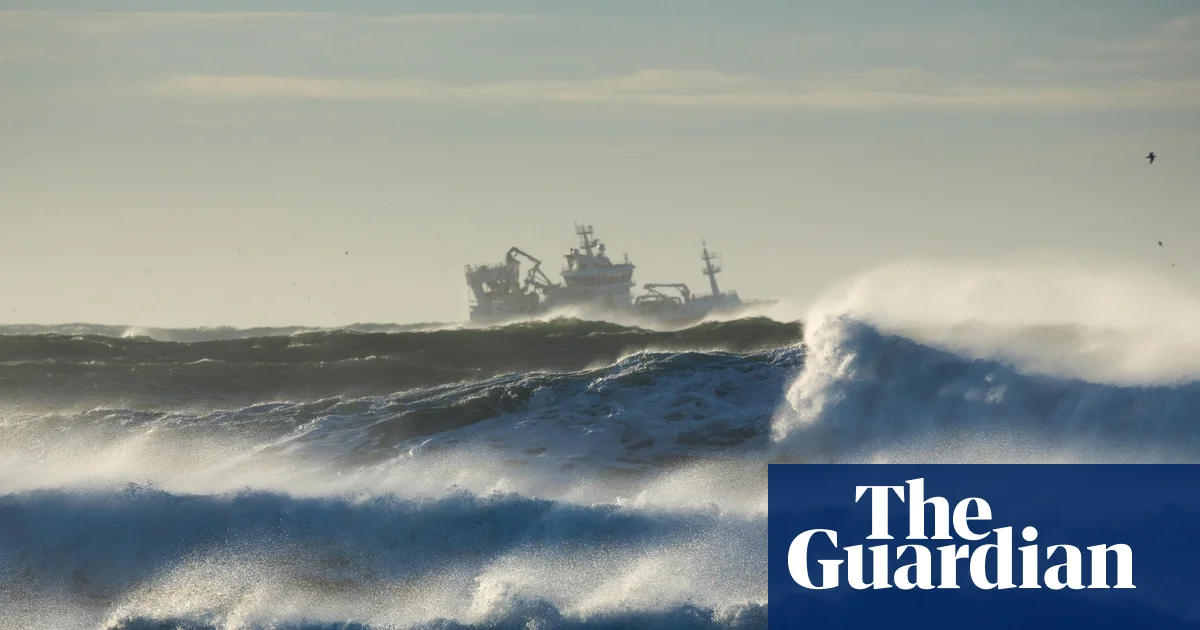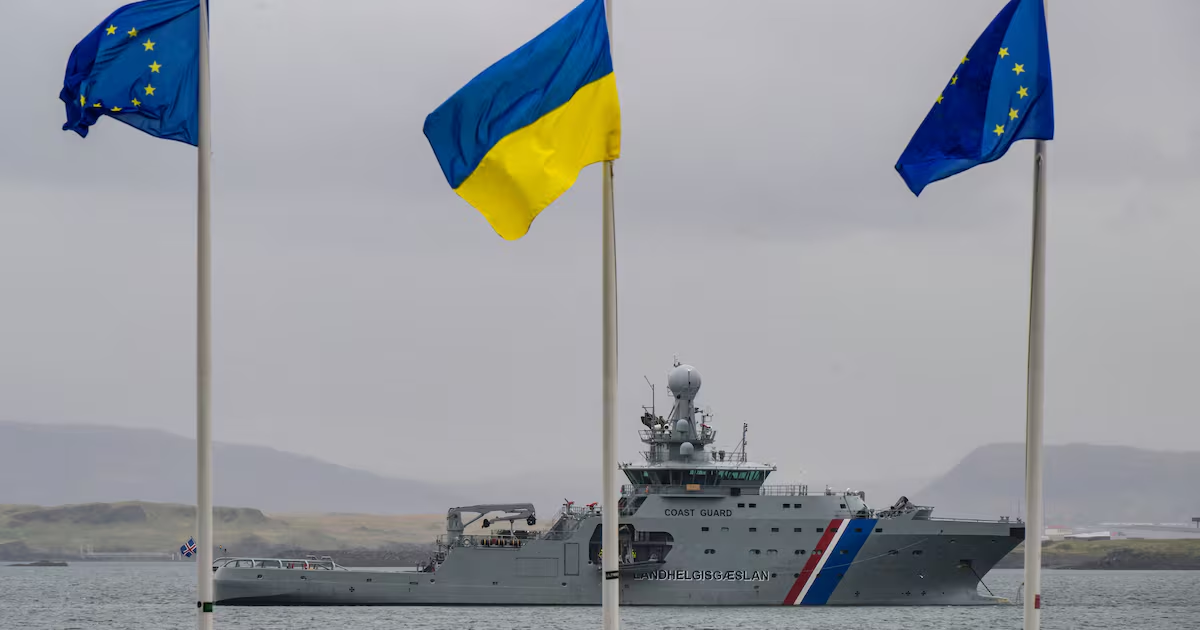
Blue whiting, mackerel and golden redfish could prove more decisive at the ballot box than US President Donald Trump's expansionist ambitions, Russia's looming threats or European politicians' sweet nothings.
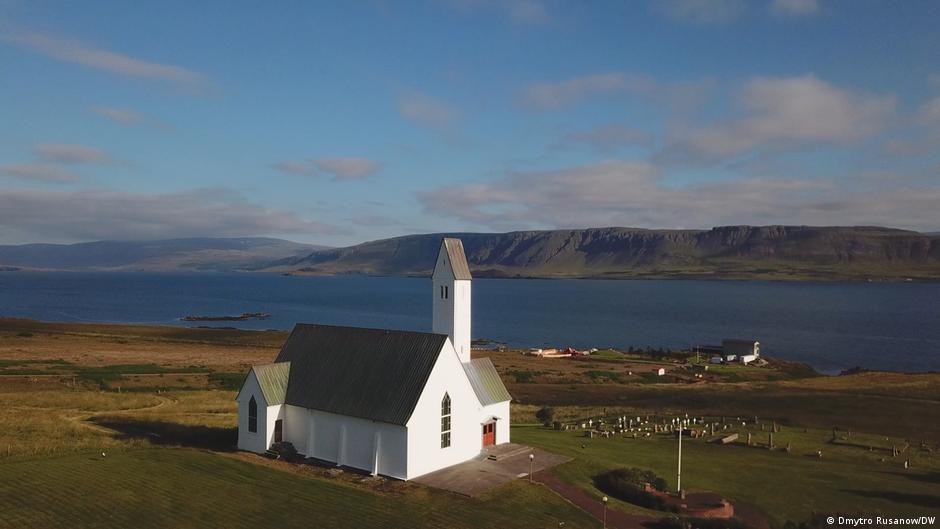
In Iceland, where the sea shapes the economy, livelihoods and national identity, the most significant crossroads of the last decade ultimately comes down to one thing: fish.
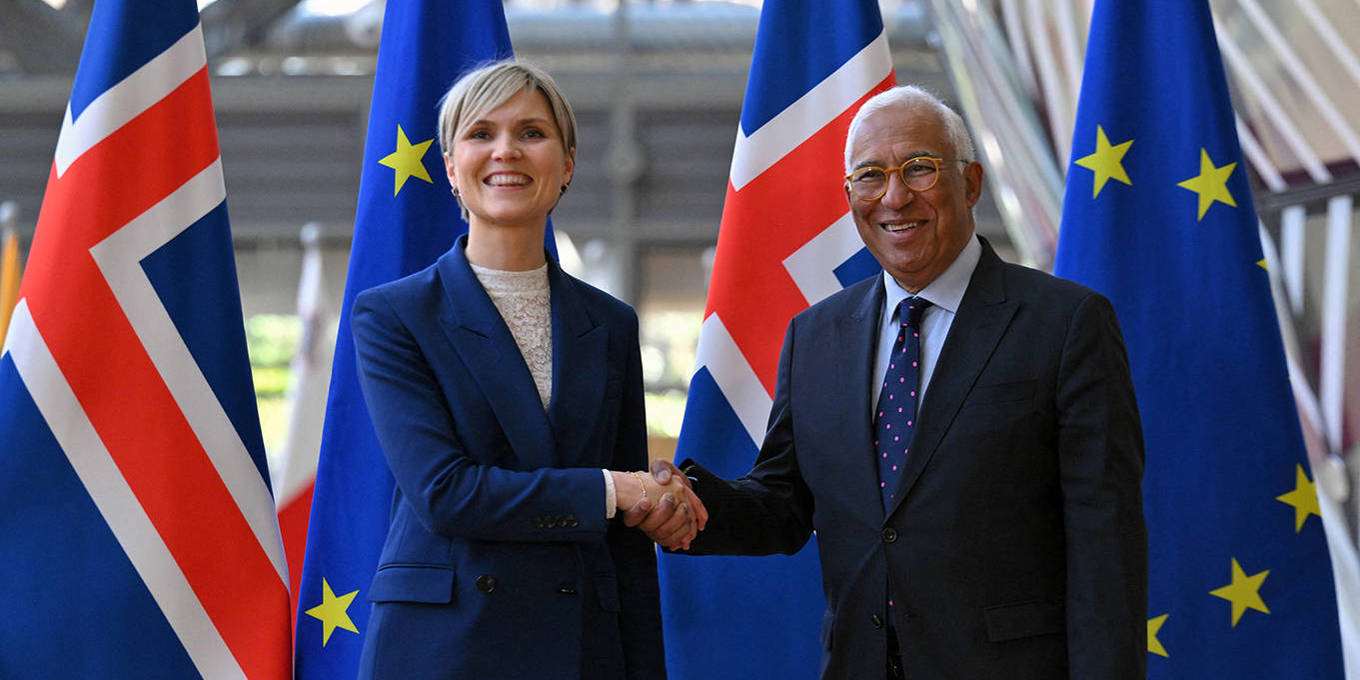
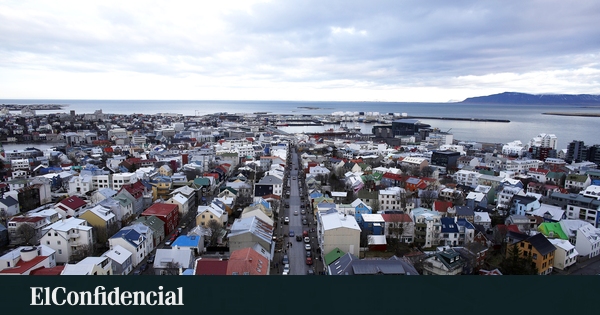
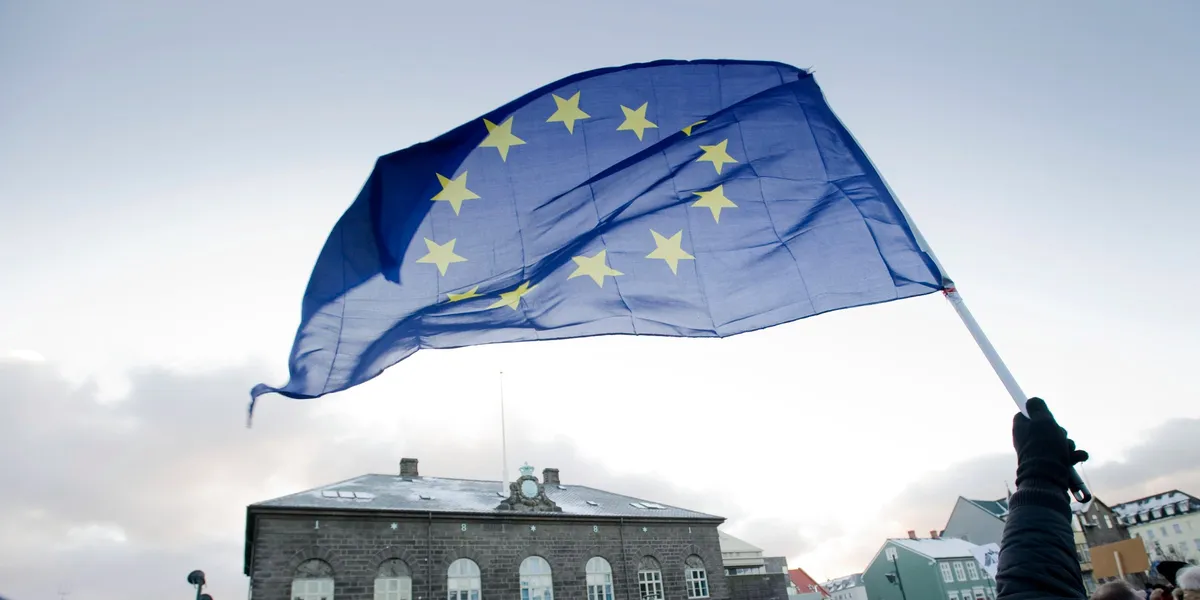
On 29 August, Icelanders will vote on whether to resume negotiations to join the European Union, restarting a process that was frozen in 2013. If voters approve, negotiations with Brussels will kick off again – with the prospect of joining the EU sooner than other countries on the waiting list.
At first glance, the geopolitical timing seems obvious. The United States' renewed interest in Greenland, combined with the long war in Ukraine, has pushed the Arctic higher on Europe's strategic agenda, while Icelanders appear increasingly caught between two great powers.
Yet beneath the headlines, the campaign tells a different story. This referendum is being fought over economics, sovereignty and, above all, control of Iceland's fishing grounds, according to Eirikur Bergmann, politics professor at Bifröst University and one of the country's best-known political writers.