(Image credit: Shutterstock)
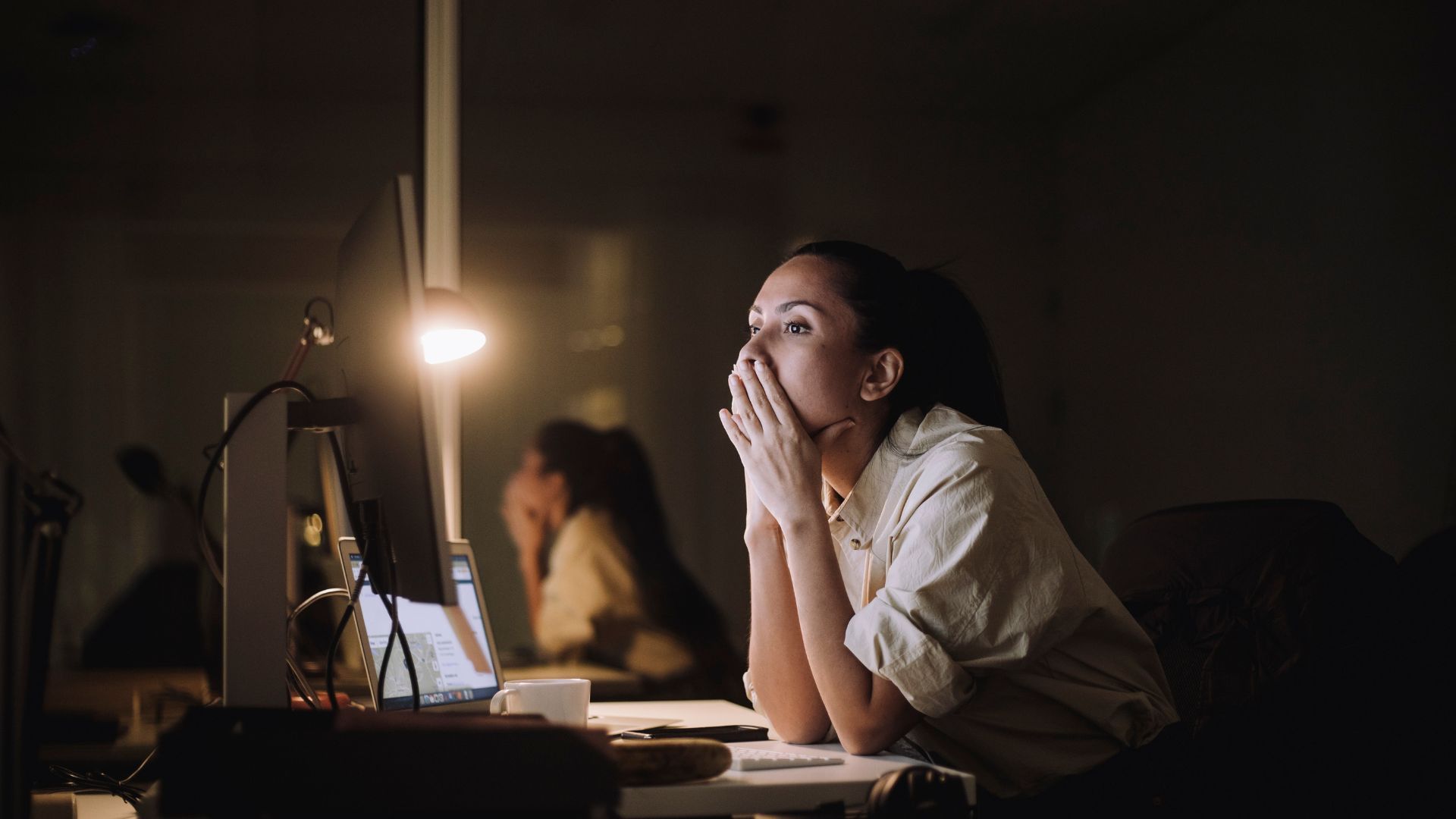
The slow burn toward physical and mental exhaustion is, simply put, terrible. It certainly gets to be a bit much when life’s biggest challenges come at you from different angles. And it’s especially deflating when they bombard you all at once.I can certainly relate to that feeling — the constant stresses that come with maintaining a roof over my head, getting sucked into familial issues, feeling overwhelmed with repeated financial requests from familiar faces and stubbing my toe against the metal part of my bed drive me mad.After a few days of feeling a bit less than my usually cheery self, I knew it was time to adopt some effective routines that could boost my happiness level and reduce all the stress I’ve accumulated thus far. I did my own research on the matter, then I asked ChatGPT to highlight its own collection of stress-reducing techniques.Thankfully, the chatbot put forth some practical methods that left me in a much better mental state once I added them to my daily regimen.Putting ChatGPT’s stress reduction methods into practice
(Image credit: Shutterstock)Once I prompted ChatGPT to give me its seven best practices for reducing one’s stress, it began the breakdown of its advice by noting that the most effective stress-reduction techniques aren’t necessarily the most complicated procedures — the techniques that it pointed out as being the best are backed by strong evidence of them working.And judging by how easy they are to do, they became a realistic part of my routine and didn’t take a whole lot of effort to enact. The seven basic stress-relieving strategies the chatbot told me to adopt are as follows:Move your body every day: Exercise is one of the most powerful ways to reduce stress. It lowers stress hormones, boosts endorphins, improves sleep, and helps your brain recover from mental fatigue.Control your breathing: When you're stressed, your nervous system shifts into "fight or flight." Slow, controlled breathing activates the opposite response — your body's relaxation system. Longer exhales are particularly effective at calming the nervous system.Protect your sleep: Poor sleep makes stress feel much worse, while stress often makes sleep harder — a frustrating cycle. Quality sleep increases resilience, making stressful situations feel much more manageable.Write down what's on your mind: Journaling helps move worries out of your head and onto paper, reducing mental clutter. Even five minutes can help you gain perspective.Practice mindfulness: Mindfulness isn't about stopping your thoughts — it's about noticing them without getting swept away. Regular mindfulness can reduce anxiety and improve emotional regulation over time.Simplify your day: Stress feels heavier when you carry it alone. Focusing on fewer priorities often leads to better results with less overwhelm.Stay connected: Stress feels heavier when you carry it alone. Sometimes a 15-minute conversation can provide relief that hours of overthinking can't.Putting prompts into practice