Max van den Oetelaar / Unsplash
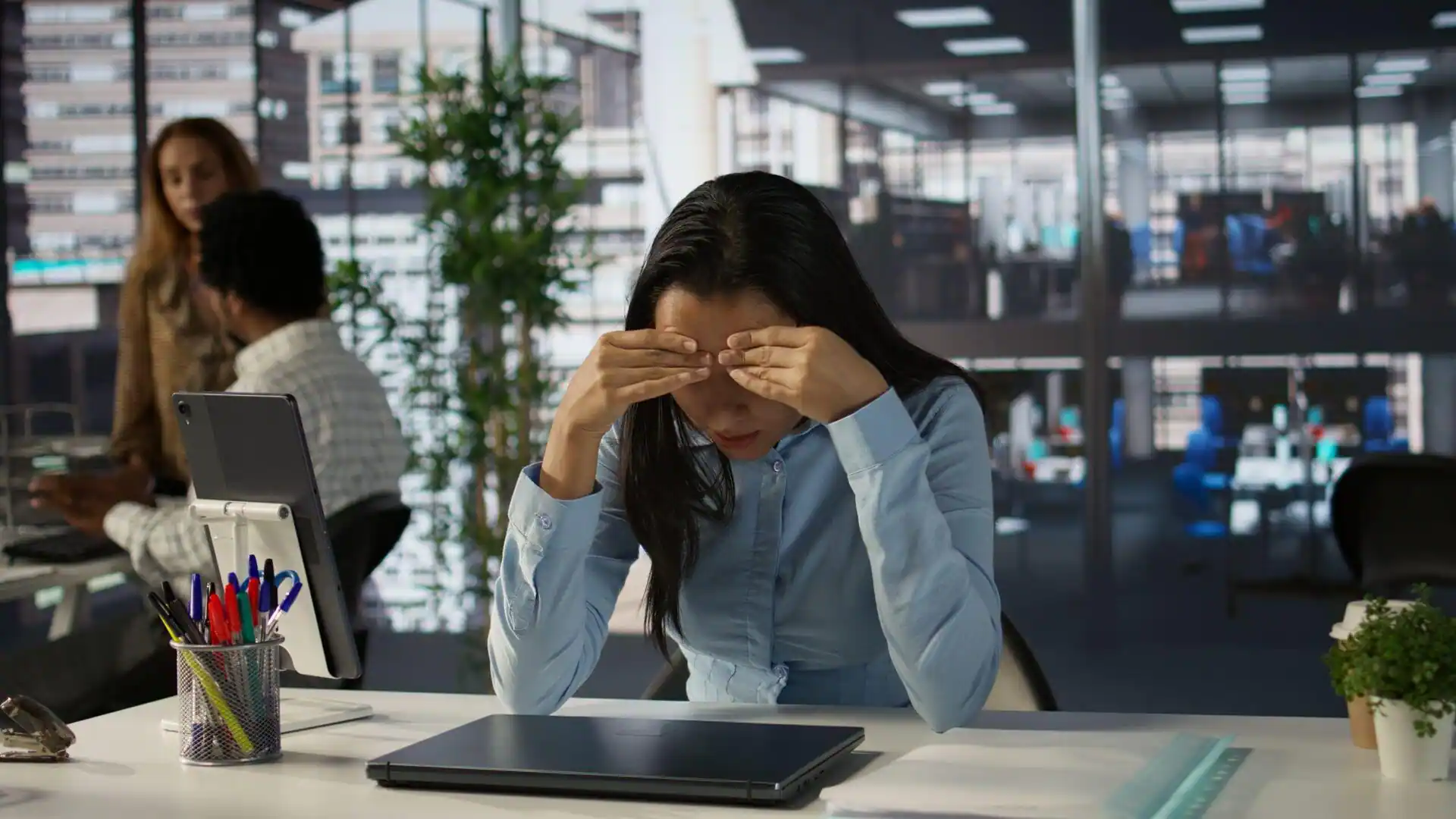
There’s a very specific kind of exhaustion that tends to show up around 6:17 p.m. It’s not dramatic. Nobody is fainting onto chaise lounges. But the inbox is still open, your shoulders have migrated somewhere near your ears, and dinner feels complicated. Suddenly, an entire family-sized bag of chips starts sounding emotionally supportive.
Modern stress has a branding problem because most of it looks deceptively ordinary. It hides inside calendar notifications, group chats, delayed flights, unread texts, and the low-grade psychological warfare of trying to remember every password you’ve ever created. Food and alcohol often become the fastest shortcuts to relief because they ask almost nothing from you. Open package. Pour drink. Become horizontal.
The issue, according to a piece published by The Healthy by Reader’s Digest, is that these fixes tend to work for about five minutes before handing the baton back to your nervous system. The article, medically reviewed by Ashley Matskevich, explores a handful of alternatives that aim less for instant oblivion and more for actual decompression.
None of these habits require becoming a wellness person. There’s no expectation that you suddenly begin harvesting herbs from a windowsill while speaking softly about alignment. Most of the suggestions are refreshingly low-stakes.