DUBAI: There was a time when stress ended with the workday. News arrived in cycles. Crisis had distance. The nervous system had an opportunity to reset. That distinction no longer exists.
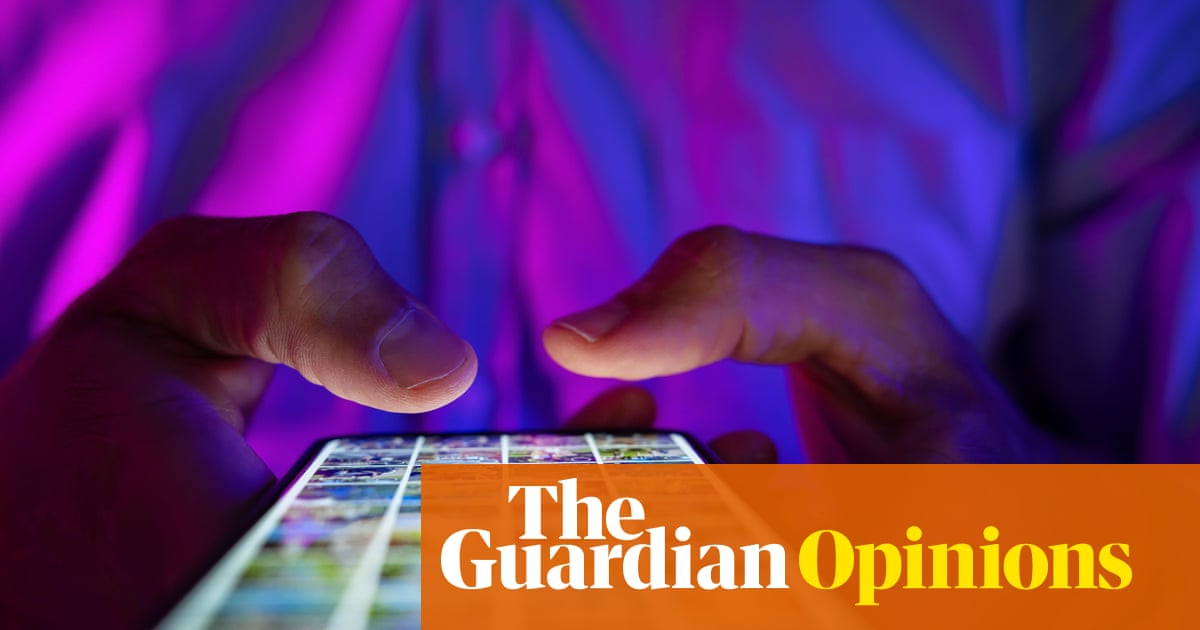
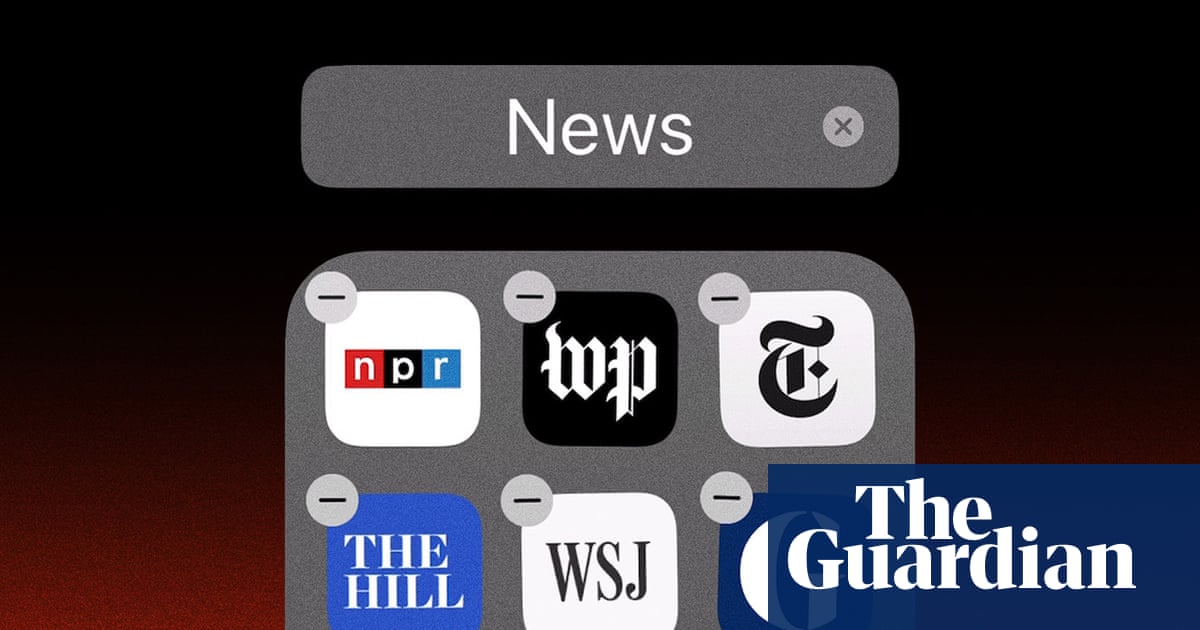
Today, many high-performing men wake up and immediately consume conflict, financial anxiety, political instability, and algorithmically amplified outrage before they have even left bed. They carry it through the day in fragmented headlines, social feeds, WhatsApp updates, podcasts, and late-night scrolling sessions disguised as “staying informed.” What we are witnessing is not simply a media habit. It is a physiological problem.
Doomscrolling has become one of the most normalized forms of chronic stress exposure in modern life, particularly among ambitious, high-functioning men who believe constant awareness is part of staying ahead.
In many ways it reminds me of smoking in previous decades. Not because it is identical, but because of how culturally embedded and underestimated it has become. Smoking was once associated with productivity, status, and control before we properly understood its long-term consequences. Doomscrolling now occupies a similarly accepted space. It feels productive. It feels necessary. It feels informed. But the body experiences it differently.