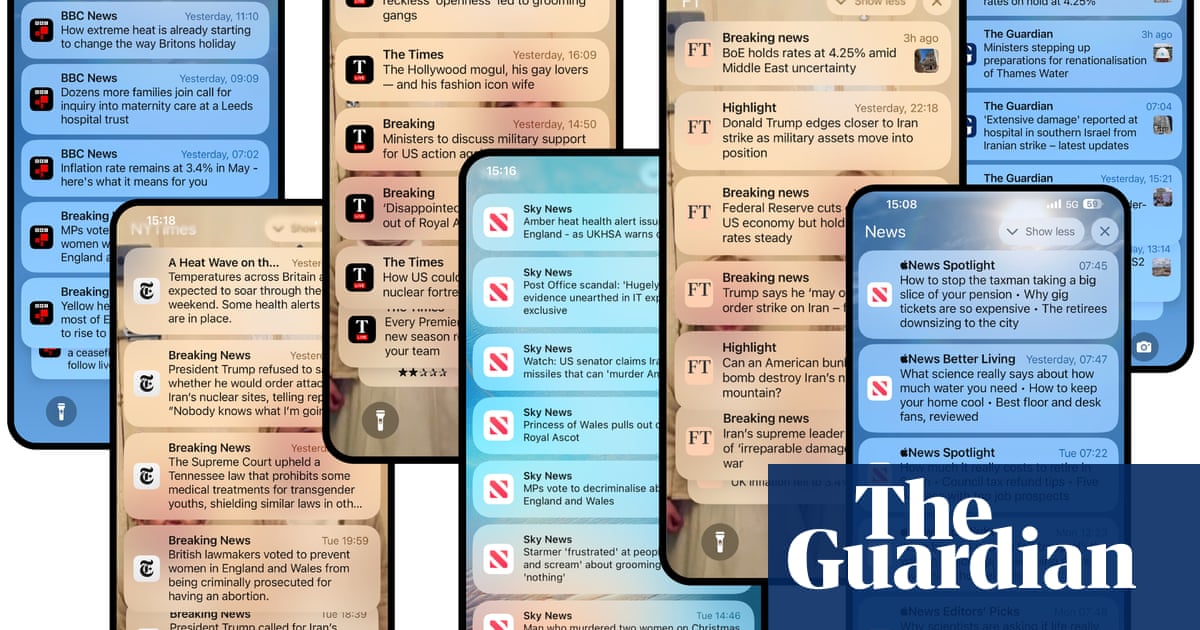
During several recent conversations, people have told me that they’ve stopped checking their phones in the morning. Not because nothing was happening, but because everything was. They described the feeling as standing under a waterfall of perpetual bad news.
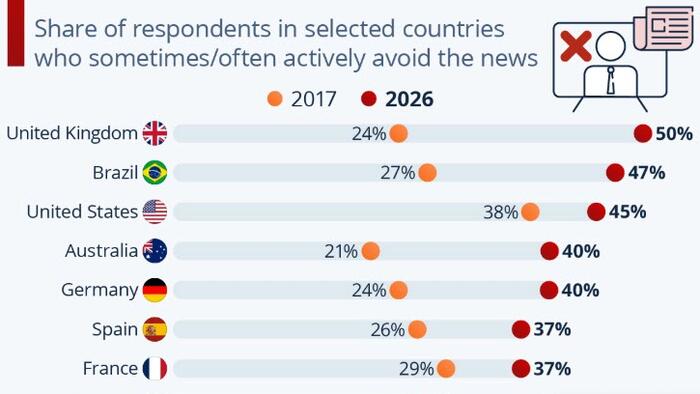
This experience is far from an isolated one. According to Reuters Institute’s 2025 Digital News Report, 69 percent of Canadians at least occasionally avoid the news now.
Globally, 40 percent report they at least sometimes or often do the same, the highest figure ever recorded. People shared consistent reasons for this: the news put them in a bad mood, they felt overwhelmed and powerless to act.
As a researcher in developmental psychology, focusing on social development and psychological well-being, I argue that news fatigue is not laziness, weakness or a generational decline in civic interest. It’s the predictable response of a human brain meeting an environment it was never designed to navigate.Wired for bad newsLong before smartphones or even the printing press, our cognitive architecture was shaped by a single problem: stay alive long enough to reproduce. Our ancestors whose attention drifted past the rustle in the grass left fewer descendants than those who froze, looked and listened.