Stress and I are longtime pals. For myself — and many people — it’s typically a combination of an overloaded schedule, extenuating life circumstances and a recurring case of productivity guilt that’s to blame for this toxic friendship. But what happens to your mental health when this stress goes on for too long?
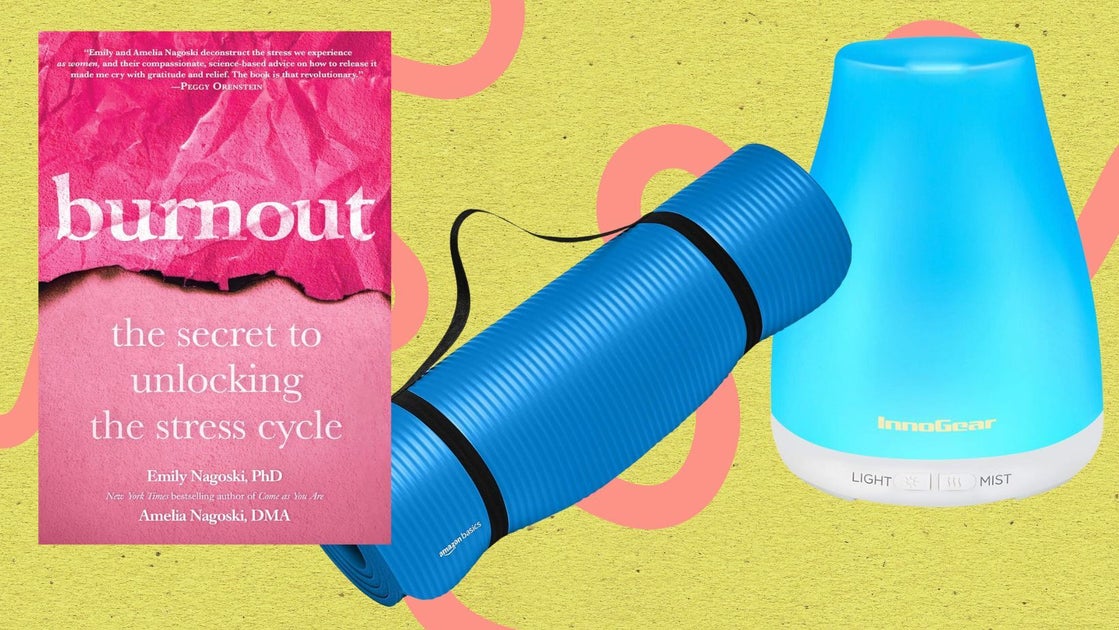
Allison Funk, a New York State licensed psychologist at the American Institute for Cognitive Therapy, said that when stress-inducing life factors become your habit, the result can often be burnout, a colloquial concept that, although isn’t a standalone medical diagnoses, is still recognized by the World Health Organization as a “workplace phenomenon” that can negatively impact your physical and mental well-being.
“Burnout is considered to have three dimensions: Exhaustion or depleted energy, feelings of detachment or cynicism towards one job and reduced achievement or productivity at work,” Funk said, adding that these symptoms are not unlike the telltale symptoms of depression.
But burnout isn’t always job-related. Funk said that it can include stress relating to caregiving and parenting, academic burnout, relationships and compassion fatigue.
According to Meaghan Rice, a nationally board-certified counselor with the online therapy platform Talkspace, the ultimate salve and prevention for burnout is often self care. And little investments go a long way.