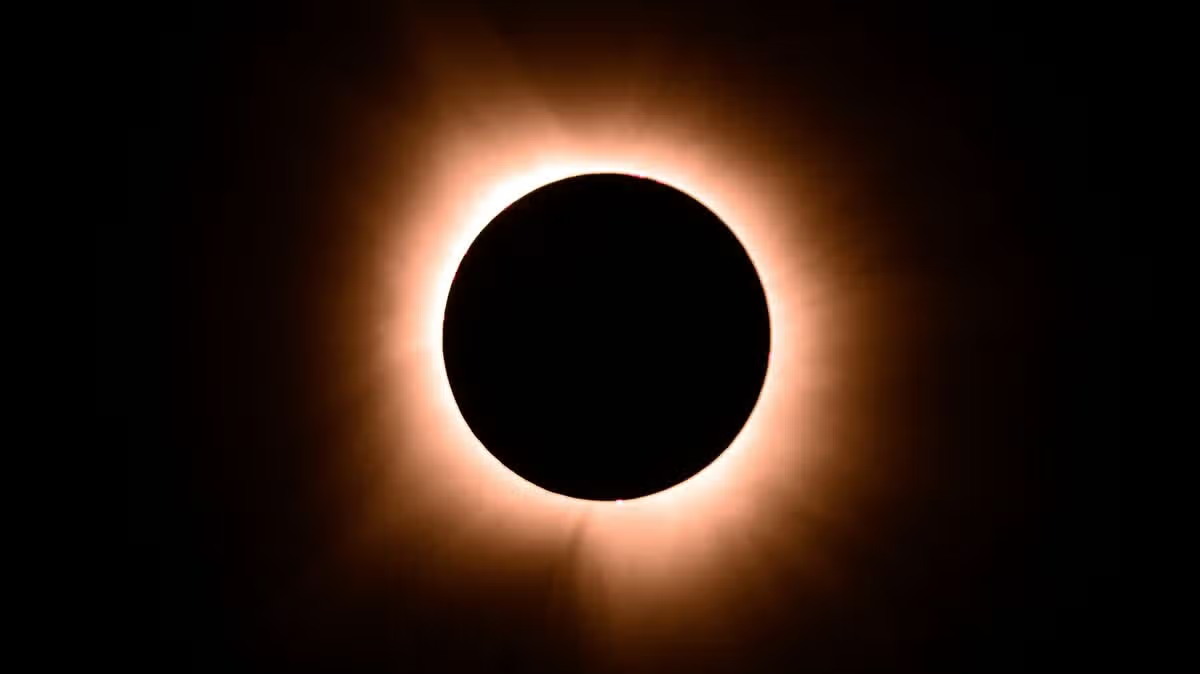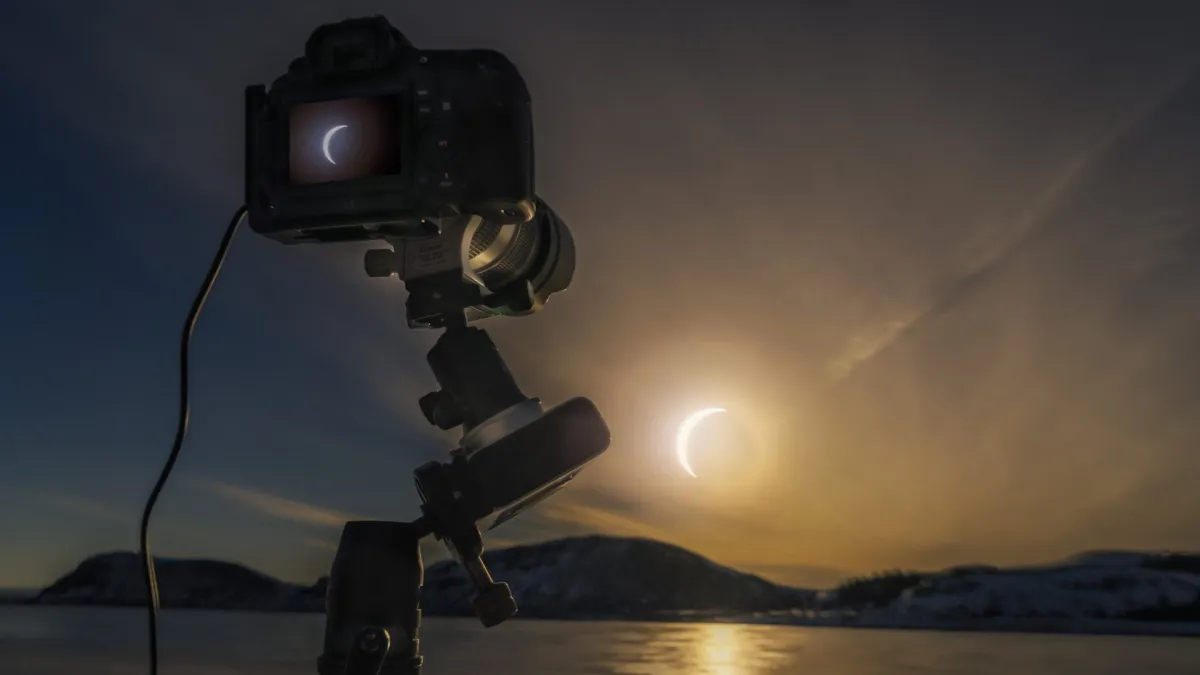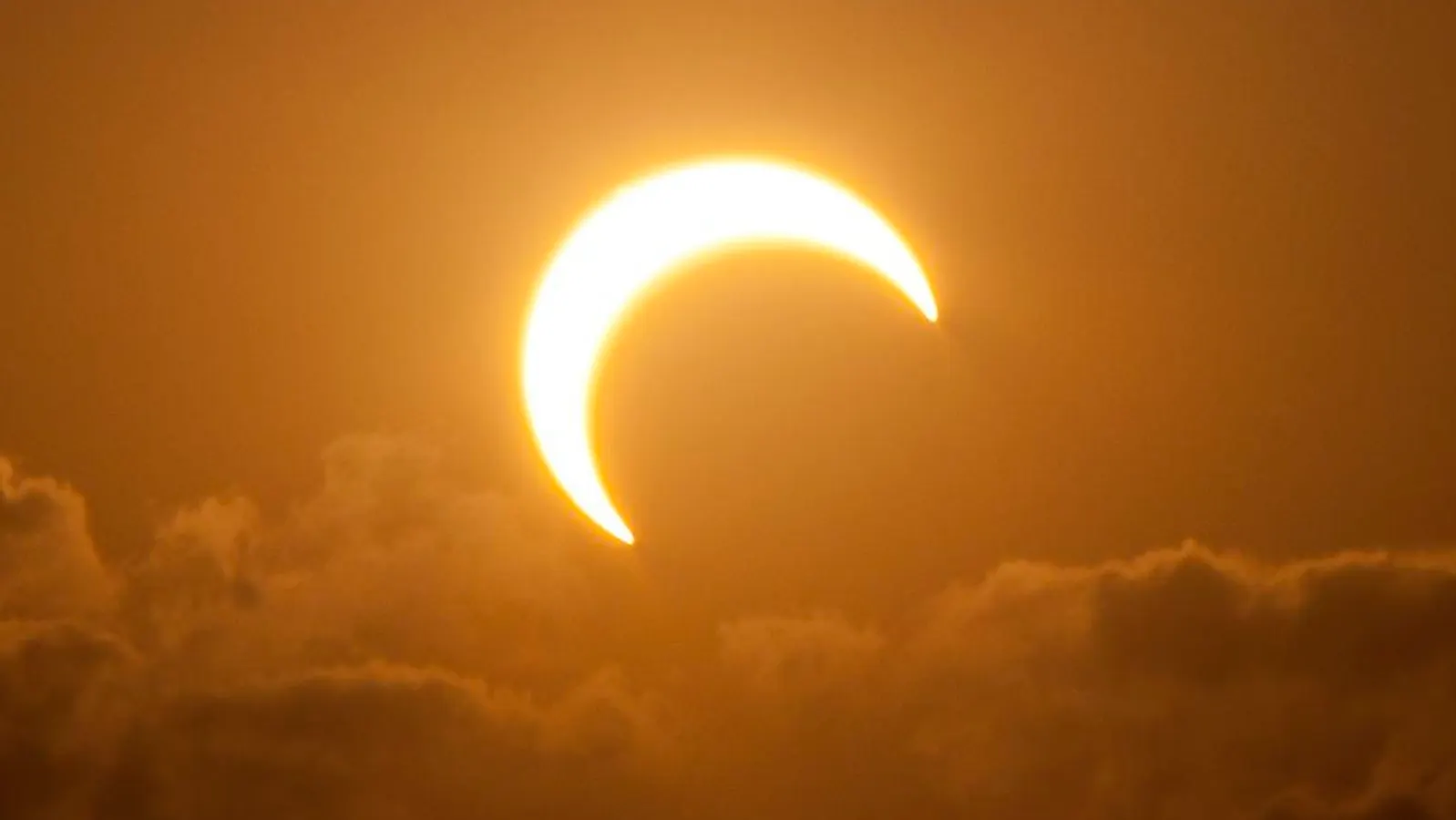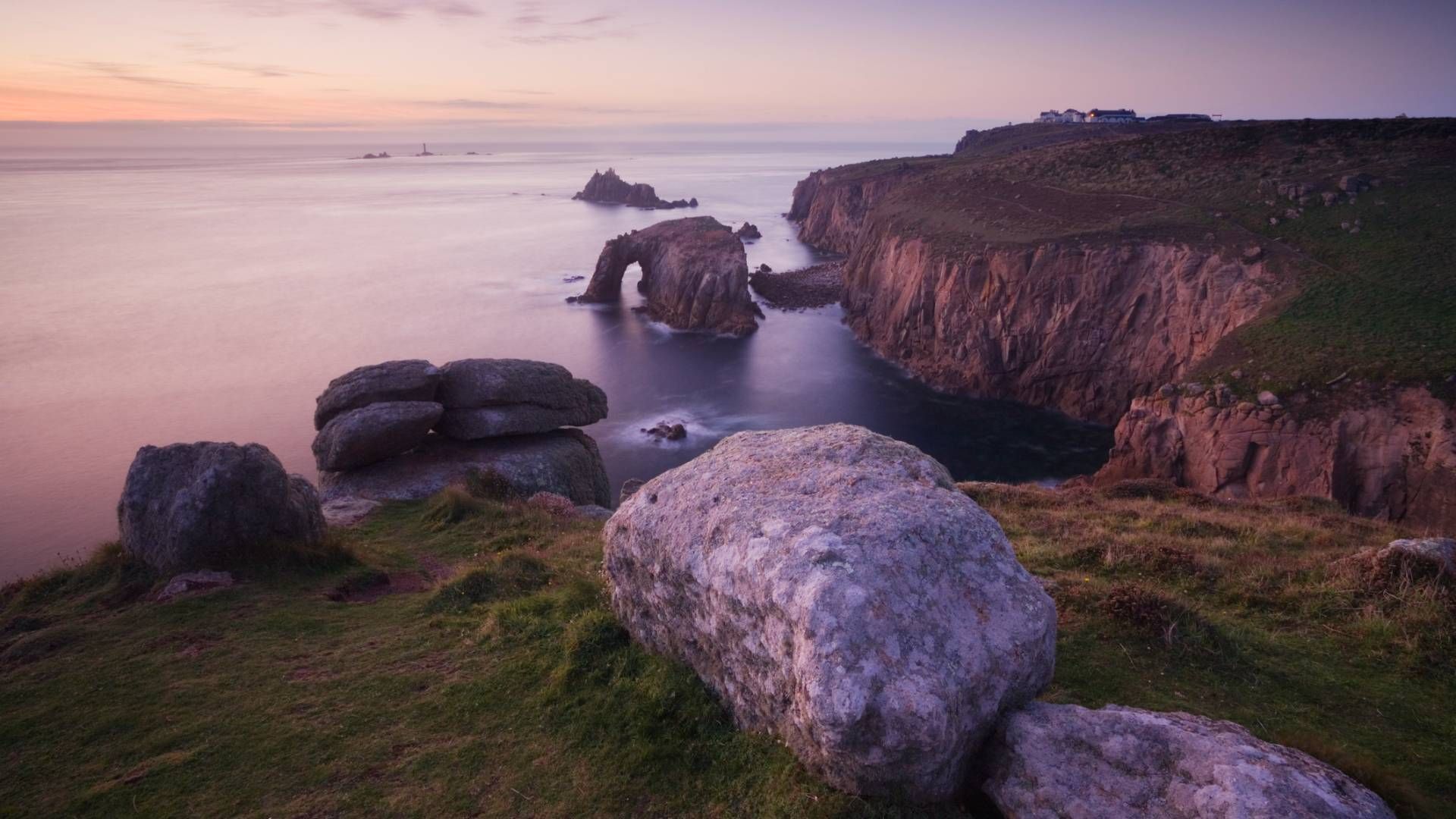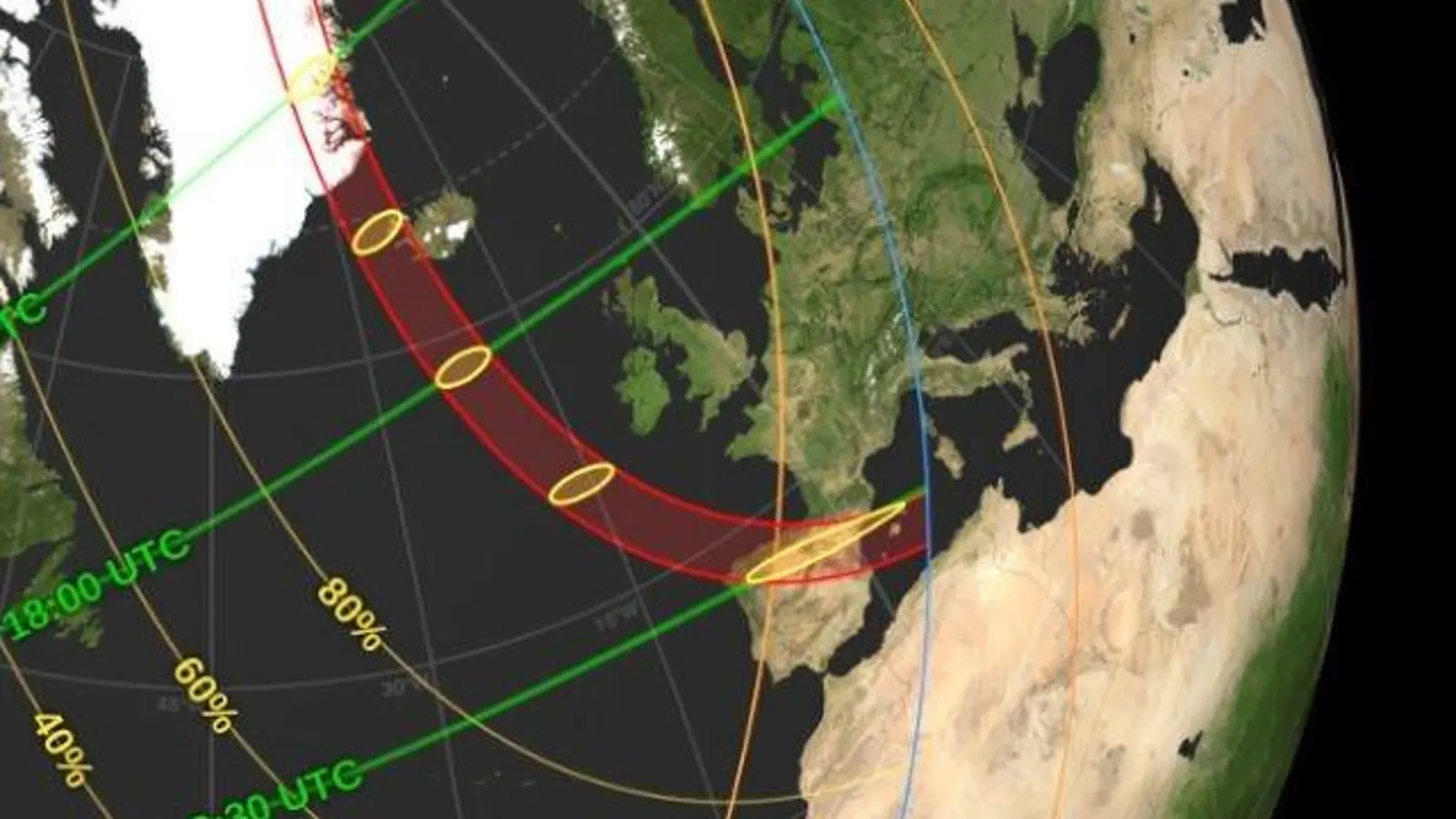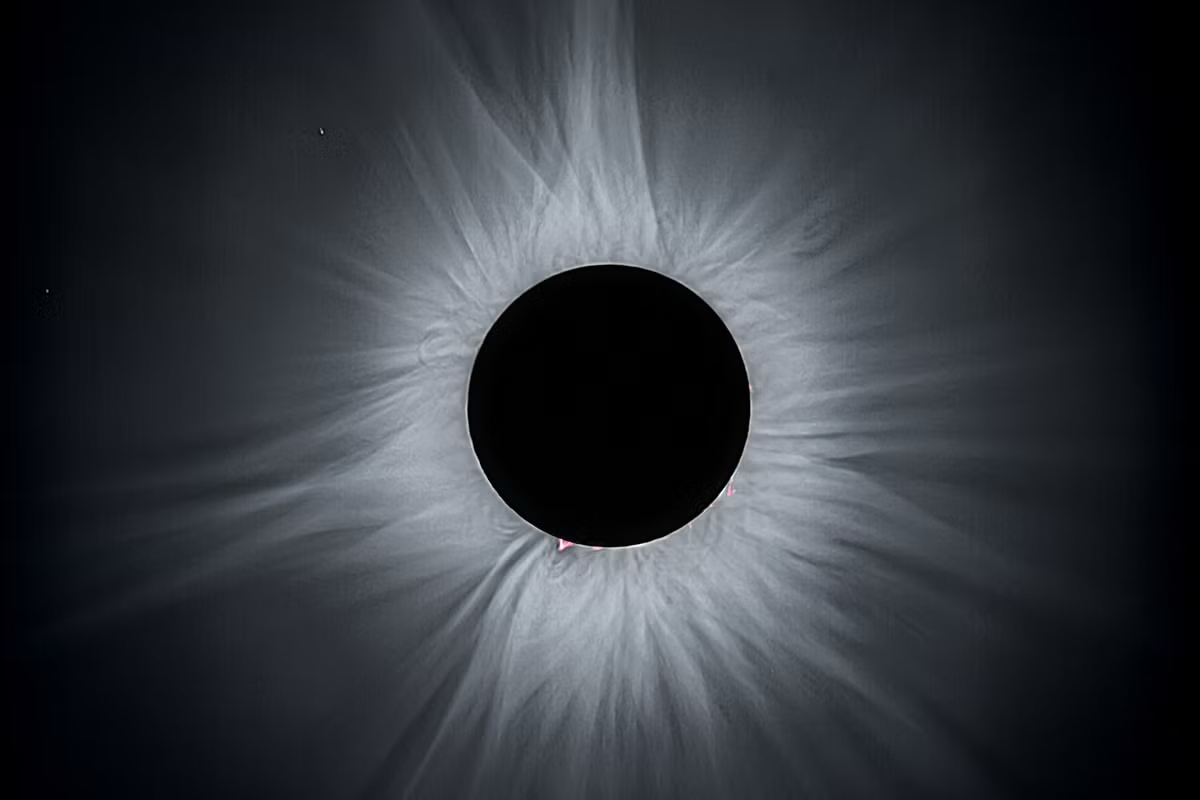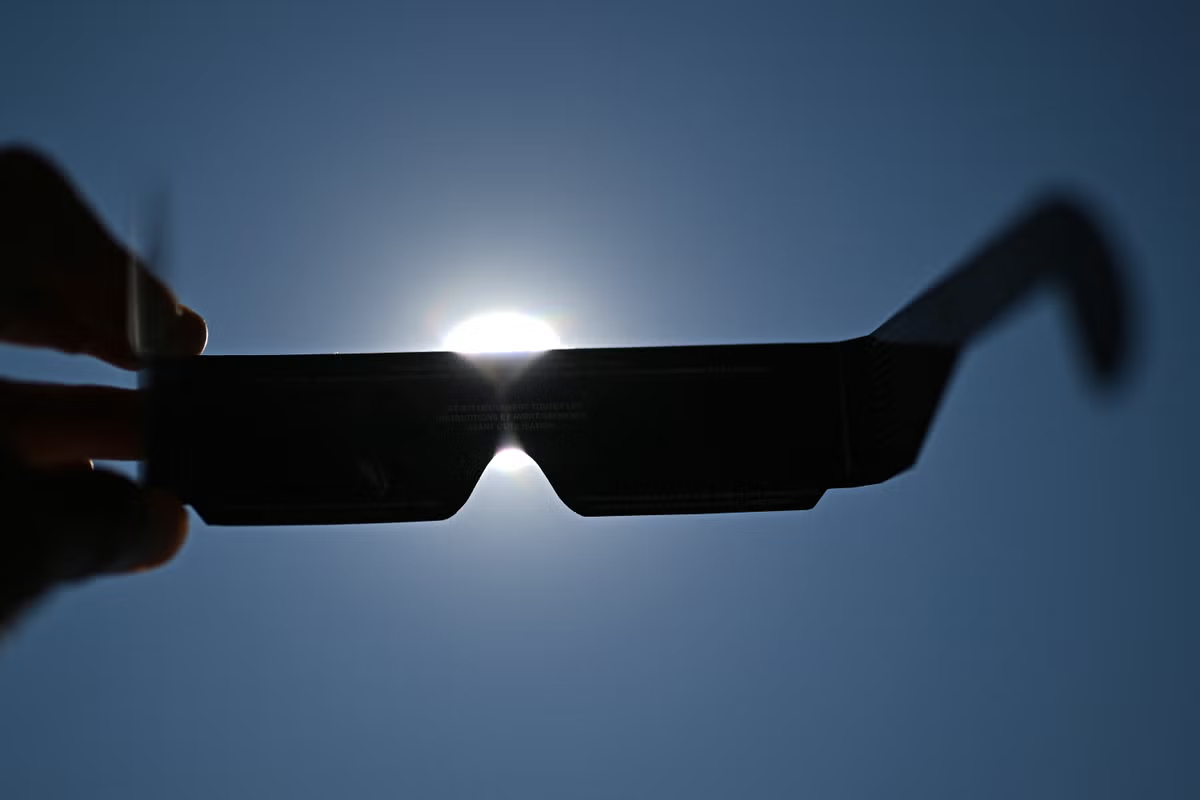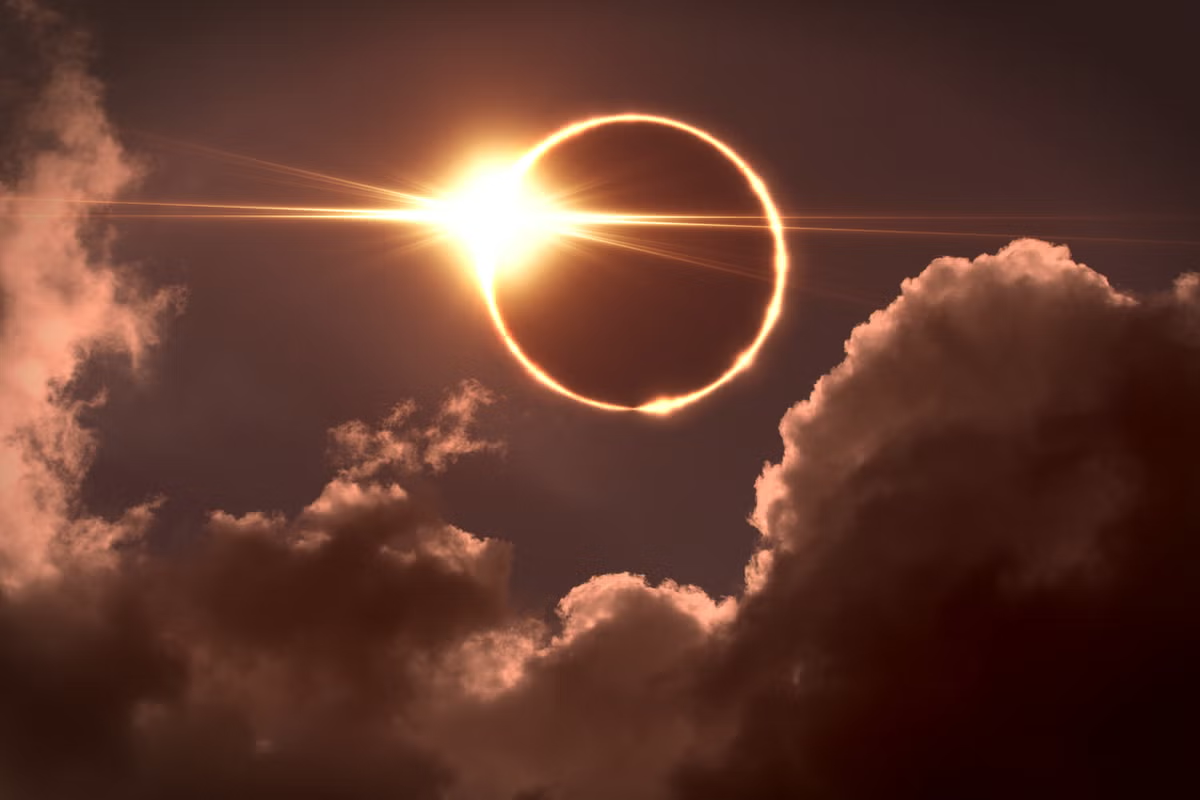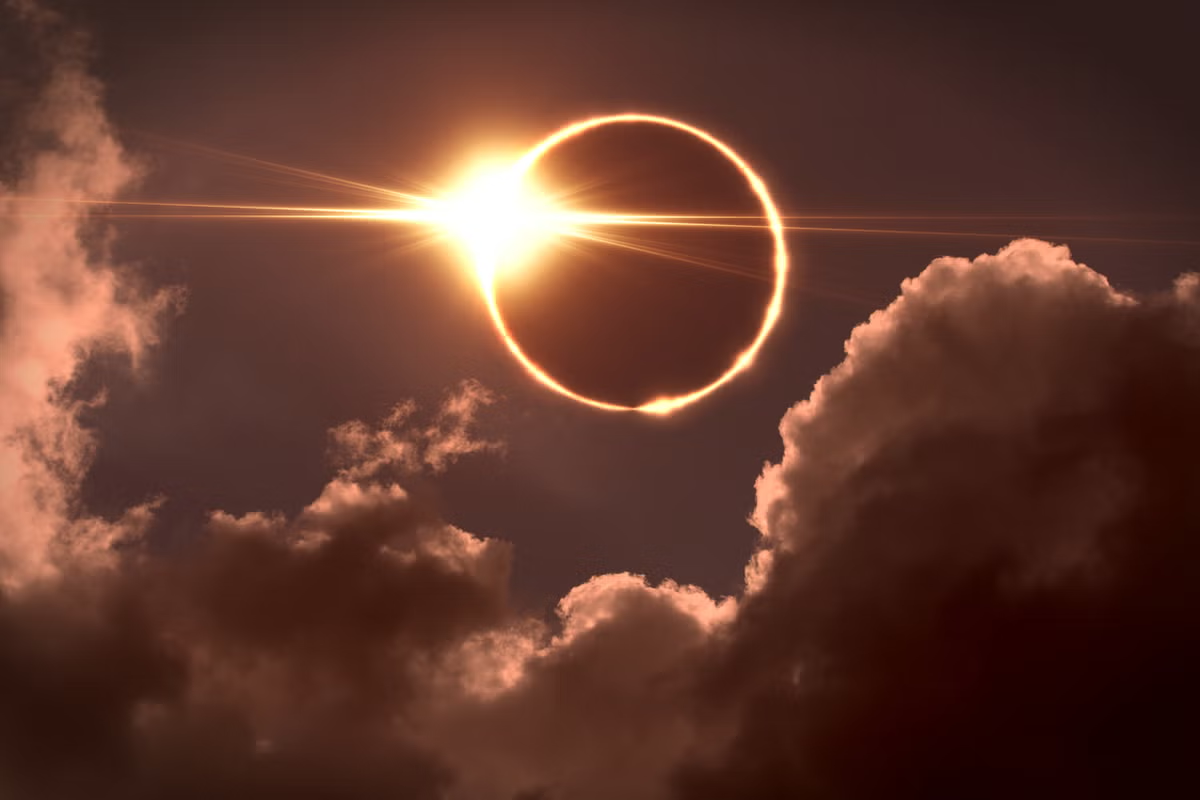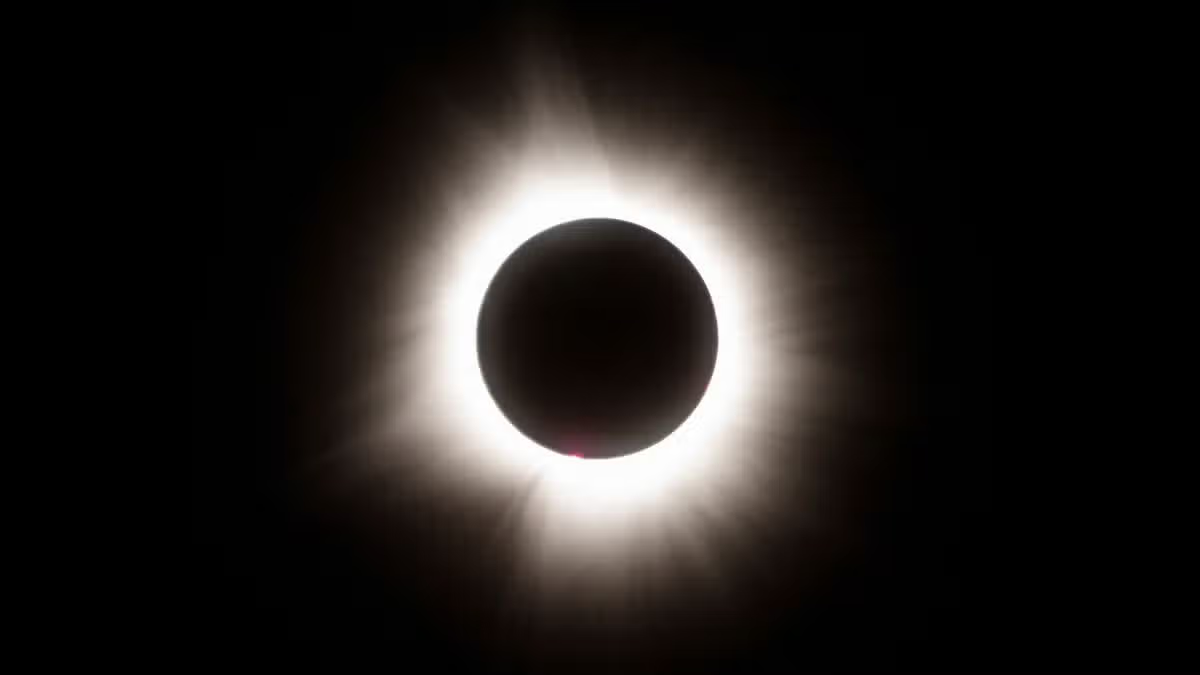
With Europe's first mainland total solar eclipse since 1999 just days away, some lucky British holidaymakers may find themselves in prime locations to view the spectacular celestial event05:00, 07 Aug 2026The UK is set to experience a partial solar eclipse on August 12thEurope's first mainland total solar eclipse since 1999 is just days away - and many lucky British holidaymakers could find themselves in the most spectacular viewing spots.On Wednesday, August 12, the Moon will pass directly between the Sun and Earth, blocking some or all of the Sun's light from parts of the planet and casting a dramatic shadow across parts of the Northern Hemisphere.A total solar eclipse - where the Moon completely covers the Sun's visible disc - will be visible from northern Spain, the north-east corner of Portugal, eastern Greenland, western Iceland, northern Russia and the Atlantic Ocean.Meanwhile, much of Europe, including the UK, as well as parts of Canada, the northern United States and north-west Africa, will experience a striking partial solar eclipse. In many locations - including London - around 90 per cent of the Sun will be covered by the Moon.Those lucky enough to stand within the narrow "path of totality" will witness the Moon completely covering the Sun, plunging the landscape into daytime darkness and revealing the Sun's glowing outer atmosphere, known as the corona.This period will last for up to one minute and 40 seconds, according to the European Space Agency (ESA).While total solar eclipses happen somewhere on Earth roughly every 18 months, Wednesday's event will be especially important as it will be the first eclipse visible from mainland Spain in more than a century and the deepest eclipse visible from the UK since 1999.An infographic released by the ESA reveals exactly where the path of totality will cross Spain and Portugal.SpainBased on the infographic, the following major cities in northern Spain are set to see a total eclipse:A CoruñaBilbaoLugoLeónPalenciaBurgosMiranda de EbroLogroñoHuescaZaragozaLleidaCerveraIgualadaManresaCastellón de la PlanaOutside mainland Spain, parts of the Balearic Islands - including the popular island of Majorca - also fall within the path of totality. In Mallorca, totality is expected to begin at 8.31pm CEST and last for 96 seconds.The Agency for Tourism of the Balearic Islands says: "The eclipse will be visible from virtually anywhere across Mallorca, Menorca, Ibiza and Formentera, so visitors are encouraged to enjoy the phenomenon from their accommodation or nearby open spaces, helping to reduce unnecessary travel and protect the islands' most environmentally sensitive areas".The rest of Spain will also enjoy a partial eclipse.PortugalThe north-east of Portugal also falls within the path of totality. Places expected to witness the total eclipse include:BragançaMirandelaMacedo de CavaleirosVimiosoMogadouroMiranda do DouroAlfândega da FéFreixo de Espada à CintaThe rest of Portugal will see a partial solar eclipse.Iceland and GreenlandIn western Iceland, the path of totality will sweep across some of the country's most dramatic landscapes, including the Westfjords, the Snæfellsnes Peninsula and the Reykjanes Peninsula.In eastern Greenland, locations such as the stunning Blosseville Coast lie within the path of totality.United Kingdom and IrelandWhile the UK and Ireland do not fall within the path of totality, parts of the British Isles will still see dramatic eclipse coverage.The Royal Observatory Greenwich says places in the south-west of the UK will see the widest eclipse coverage.Cornwall will experience around 95 per cent, while Pembrokeshire in south-west Wales will see around 94 per cent.In Truro, the eclipse will begin at around 6.18pm, reach its maximum at around 7.16pm and finish at around 8.10pm, according to Royal Museums Greenwich.Article continues belowThose on Ireland's south-west coast will see some of the highest coverage anywhere in the British Isles, with almost 97.5 per cent of the Sun covered by the Moon.Experts say the Dingle Peninsula in County Kerry will offer the best views anywhere in Ireland, Cork Beo reports.
Brit holiday hotspots set for spectacular TOTAL eclipse on Wednesday - full list
With Europe's first mainland total solar eclipse since 1999 just days away, some lucky British holidaymakers may find themselves in prime locations to view the spectacular celestial event
631 words~3 min read