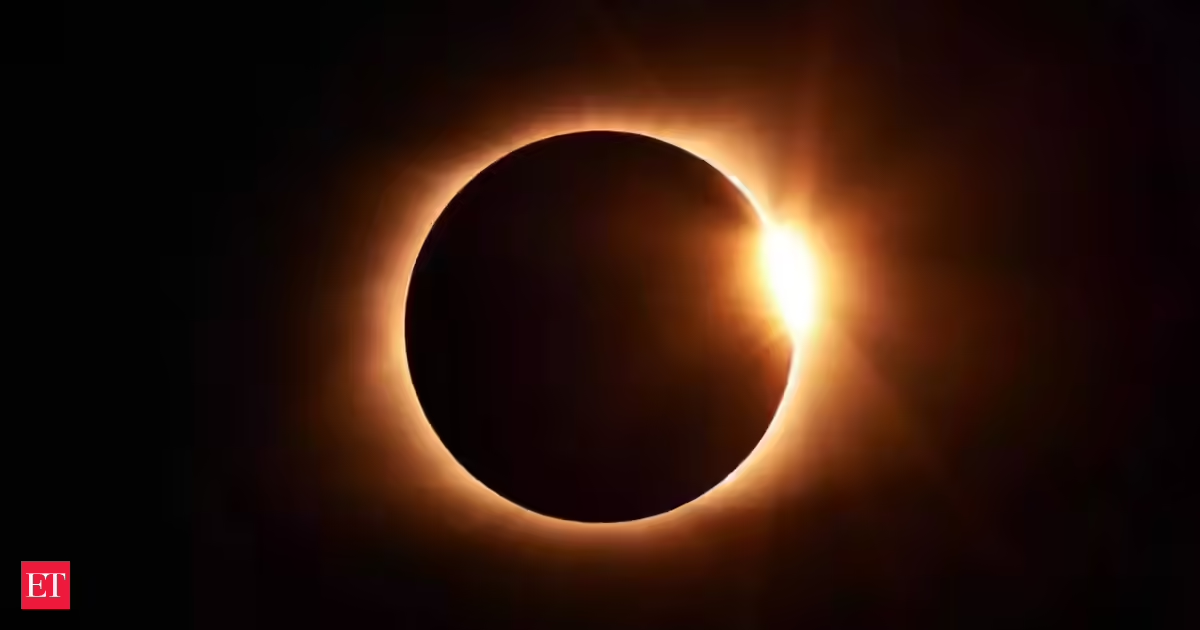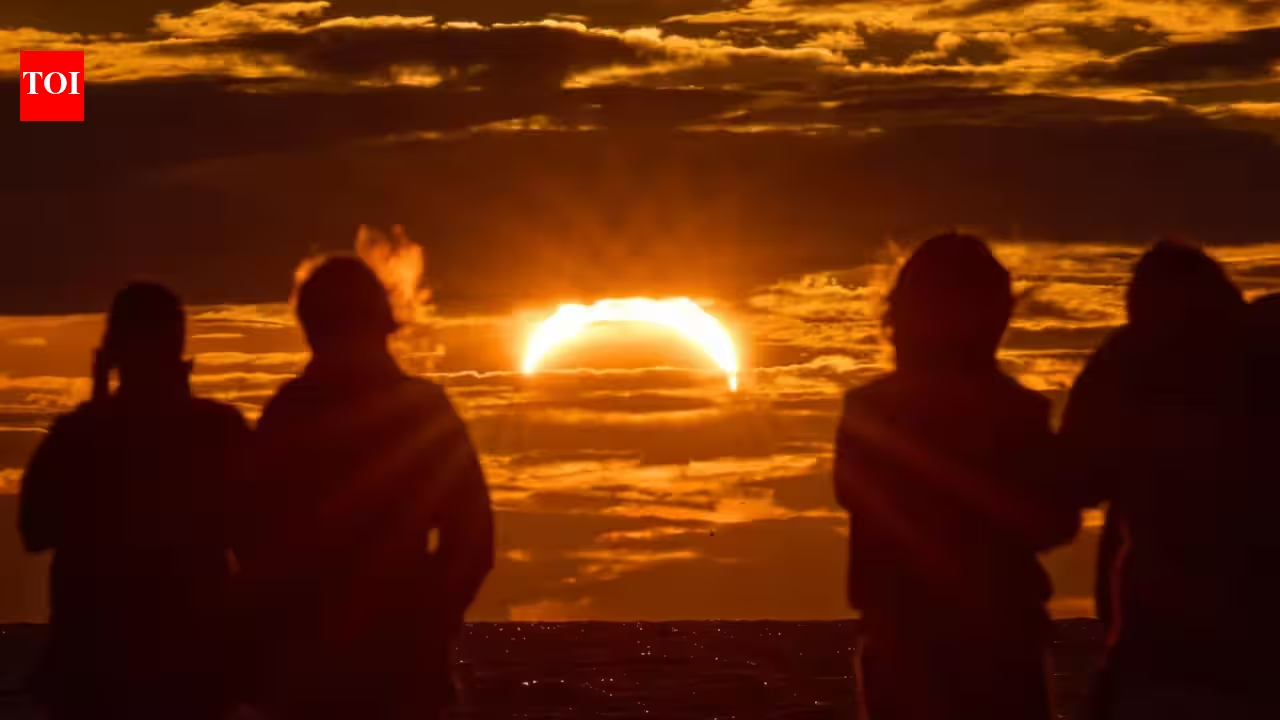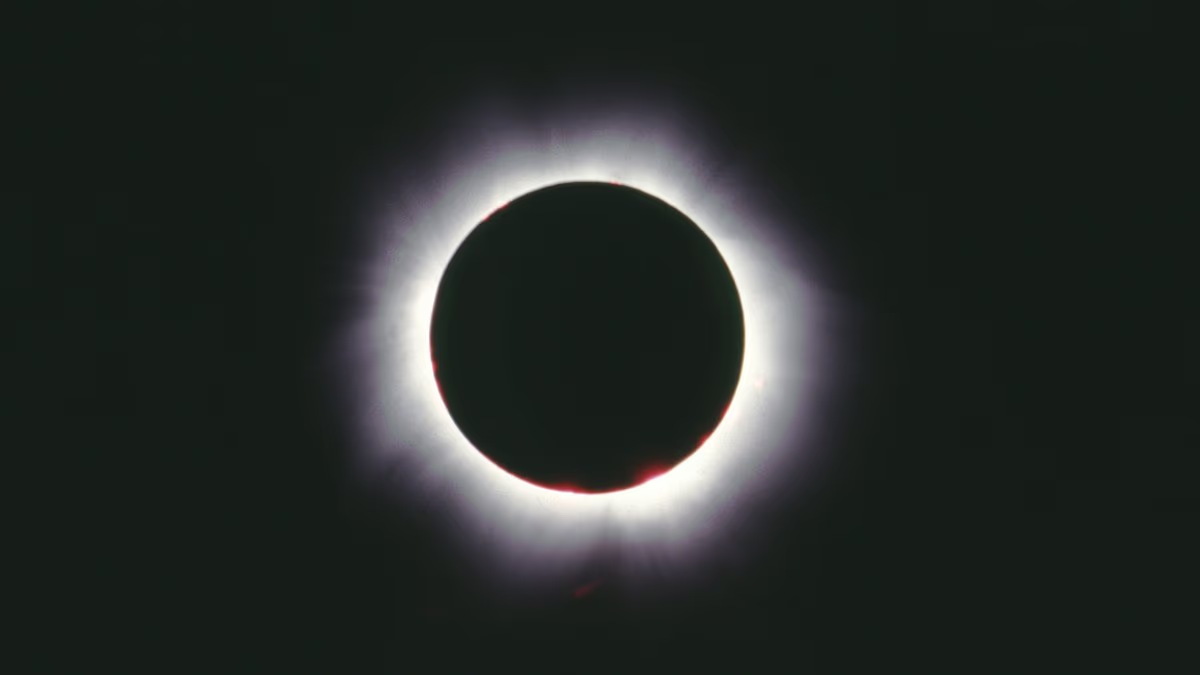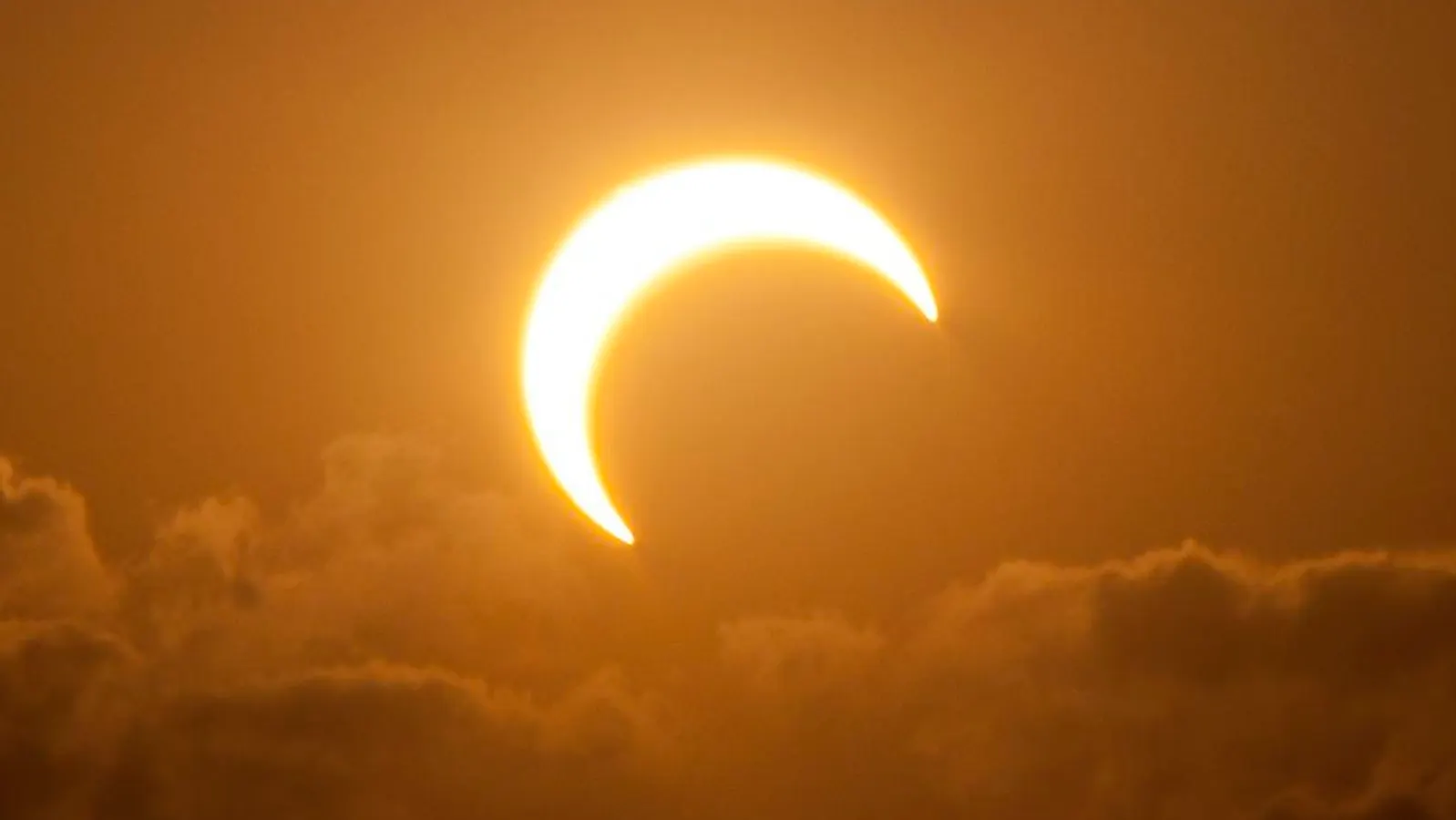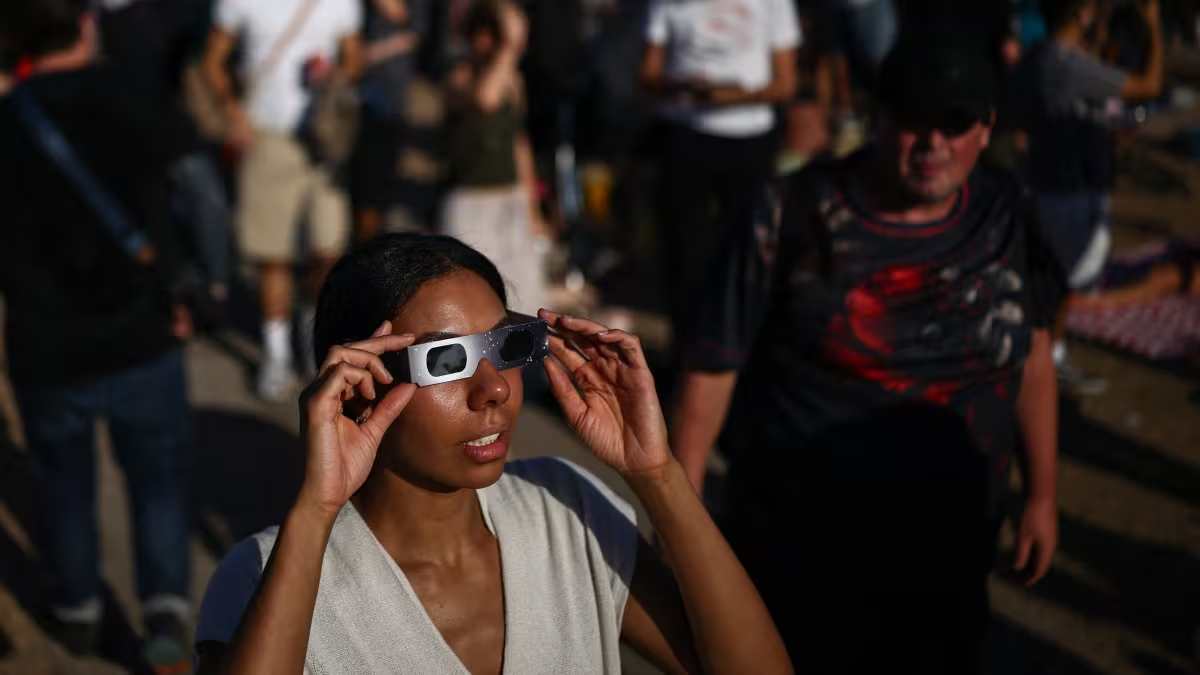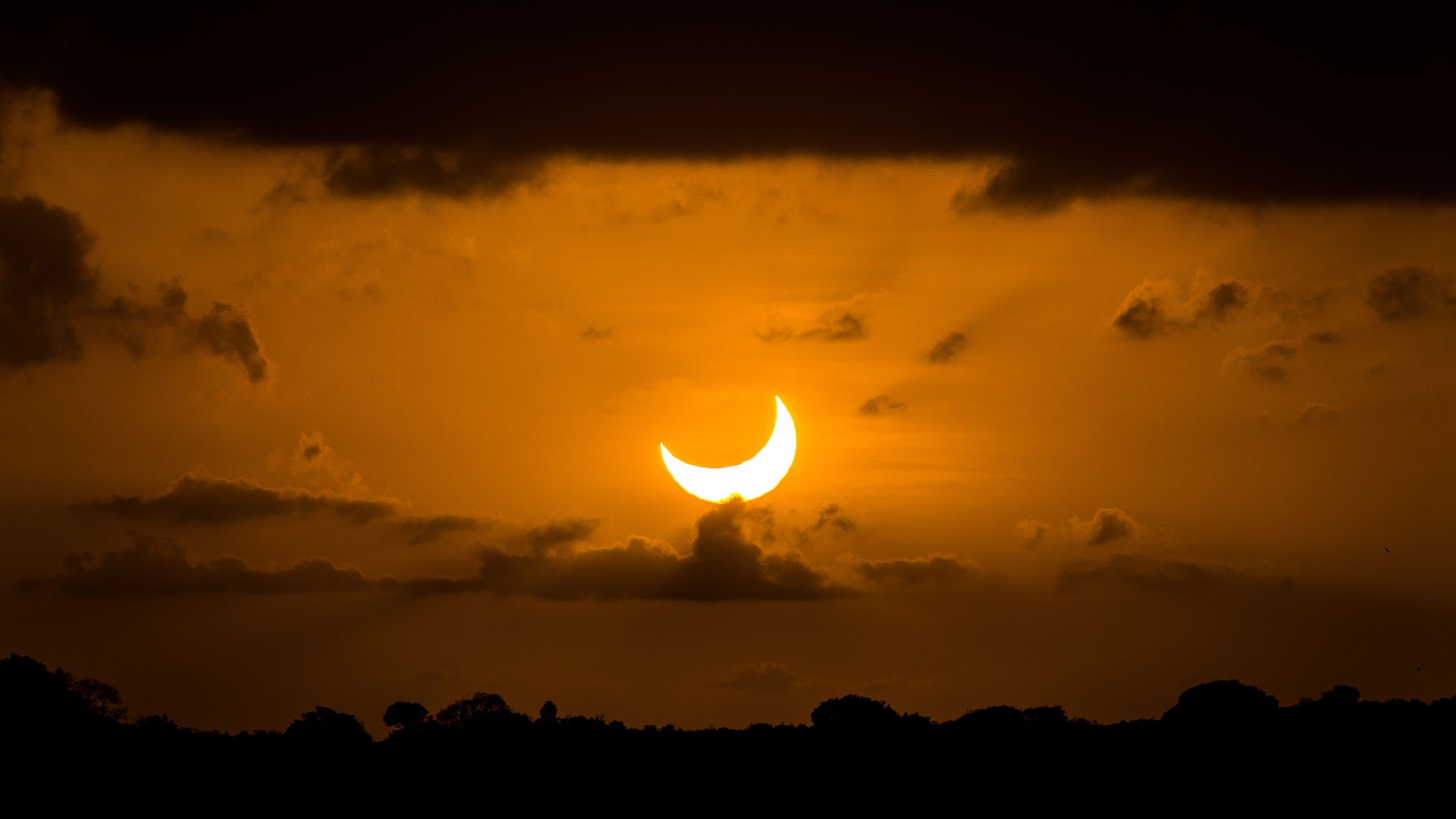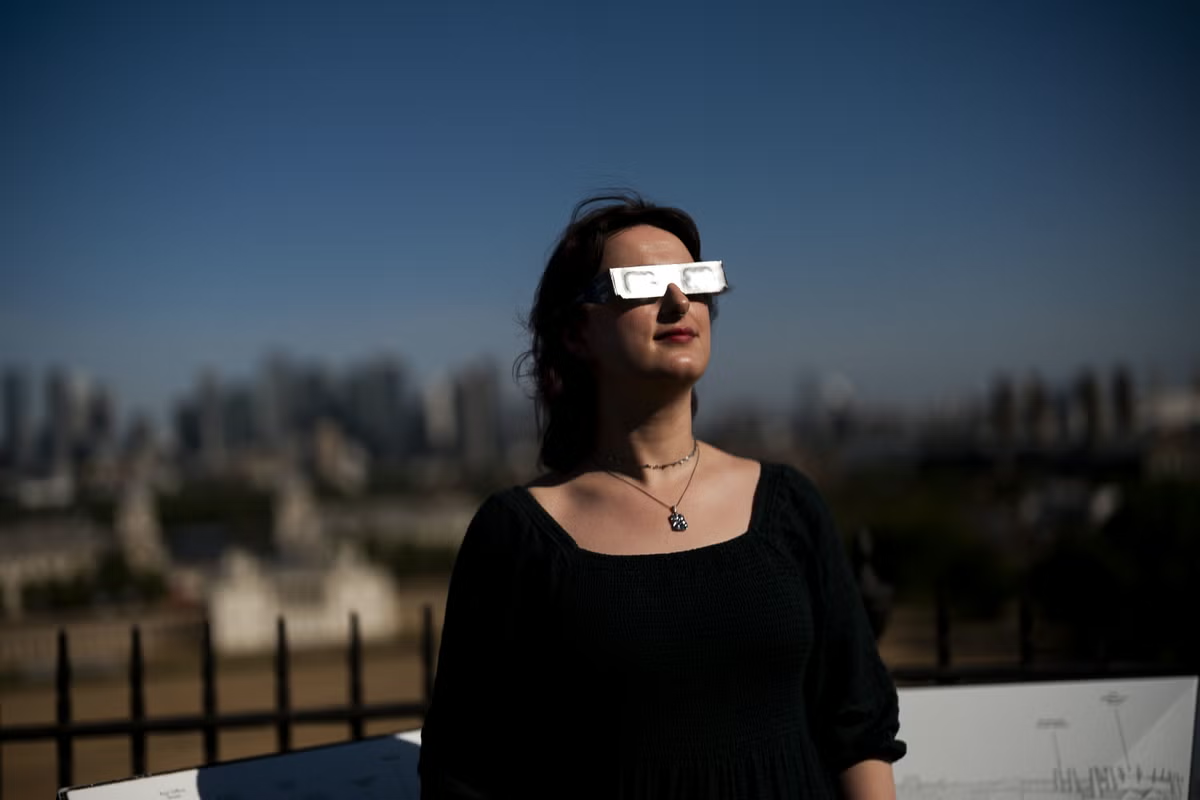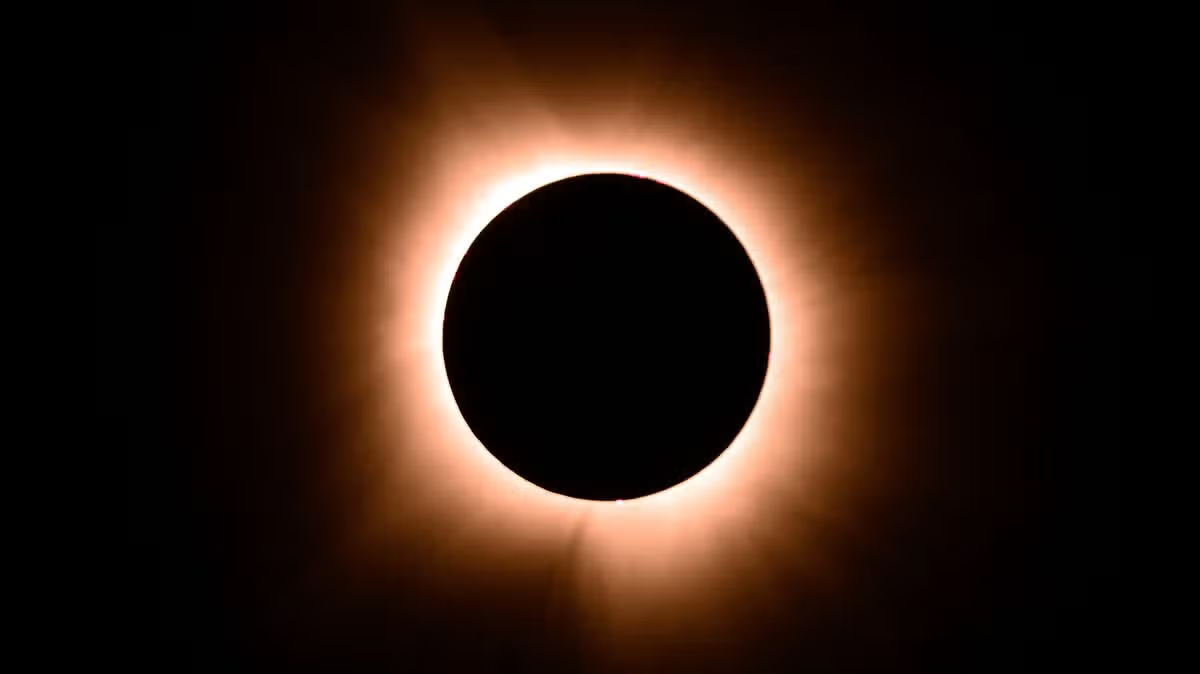
The rare celestial event will see daylight noticeably dim across much of the UK, while parts of Europe will be plunged into complete darkness, meaning Brits will have to travel overseas to see the total solar eclipse11:49, 14 Jul 2026A rare solar eclipse will transform the skies above Britain and much of Europe next month.Millions across the UK are set to see up to 90% of the sun disappear when the rare celestial event takes place on Wednesday, August 12. marking the first total solar eclipse visible from Europe since 1999. The moon will pass directly between the Earth and the sun, plunging parts of Greenland, Iceland, northern Russia, Spain and a small corner of Portugal into temporary darkness.While Britain will not experience a total eclipse, but most of the country will still see the vast majority of the sun blocked from view - Here is everything we knowWhat will happen during the eclipse?A solar eclipse occurs when the moon moves between the Earth and the sun, blocking some or all of its light.Next month’s event will be the first total solar eclipse visible from Europe since 1999, when people across parts of Cornwall and Devon were able to witness totality.This time, viewers in the UK and Ireland will see a partial eclipse, with the moon appearing to take a huge bite out of the sun.The event will begin with “first contact”, when the moon starts moving across the sun. It will then reach its maximum point before gradually coming to an end as the moon moves away.Will it go completely dark in the UK?The UK will not be plunged into complete darkness because the sun will not be completely covered as other countries. However, enough sunlight is expected to be blocked to cause a noticeable drop in brightness and temperature, according to the Royal Observatory Greenwich.Depending on how clear the skies are, daylight could briefly take on the appearance of dusk or dawn. The effect will be strongest in the south-west, where a greater proportion of the sun will be covered.London is expected to see around 90% coverage, while people in Cornwall could see about 95%. The south-western tip of Ireland could experience almost 97.7% coverage. A partial eclipse will also be visible from other parts of Europe, Canada and north-western Africa.When will the eclipse take place?The eclipse will begin in the UK during the early evening of Wednesday, August 12. Viewers will first see the moon begin to cover the sun before it reaches maximum coverage and gradually moves away. The exact timings will differ depending on where you are watching from.Where will the total eclipse be visible?Anyone hoping to experience complete darkness will need to travel overseas as the path of totality will begin over Greenland before crossing Iceland and ending in northern Spain and the Balearic Islands. A small and remote part of northern Russia will also experience a total eclipse.According to NASA, totality will occur around midday in northern Russia and during the late afternoon or early evening in Greenland and Iceland. In Spain and the north-western tip of Portugal, the sun will be completely covered shortly before sunset.For most people along the eclipse path, totality will last for less than two minutes. Those closest to the centre of the path in Greenland, Russia or the North Atlantic could see it for around two-and-a-half minutes.Is it safe to look directly at the eclipse?It will not be safe to look directly at the sun without proper eye protection. Looking at the sun during a partial eclipse can cause serious and permanent damage to your eyes. The only safe moment to look without protection is during totality, when the sun is completely covered, which will not happen anywhere in the UK.Viewers should use certified eclipse glasses, which NASA said were thousands of times darker than ordinary sunglasses. People should also be cautious when buying glasses online, as counterfeit products may not offer enough protection.The American Astronomical Society advises checking glasses indoors first. You should not be able to see anything through them apart from extremely bright lights, which should appear faint. They should then be tested outside, where almost nothing should remain visible. When briefly looking towards the sun, viewers should see a clear, round disc that appears comfortably bright rather than dazzling.Anyone photographing the eclipse should also use a certified solar filter on their camera or telephoto lens.Article continues belowWhen will the next solar eclipse happen?Brits who miss next month’s event will have a lengthy wait before a total solar eclipse passes over the UK. The next one visible from Britain is not expected until 2090.Spain will have another opportunity much sooner, with a second total eclipse due to take place on August 2, 2027. Further total eclipses will cross parts of southern Africa, Australia, North America, Asia and Greenland over the following two decades.
Exact date total solar eclipse will hit UK and plunge Europe into darkness
The rare celestial event will see daylight noticeably dim across much of the UK, while parts of Europe will be plunged into complete darkness, meaning Brits will have to travel overseas to see the total solar eclipse
809 words~4 min read