Founder’s Briefs: An occasional series where Mongabay founder Rhett Ayers Butler shares analysis, perspectives and story summaries.
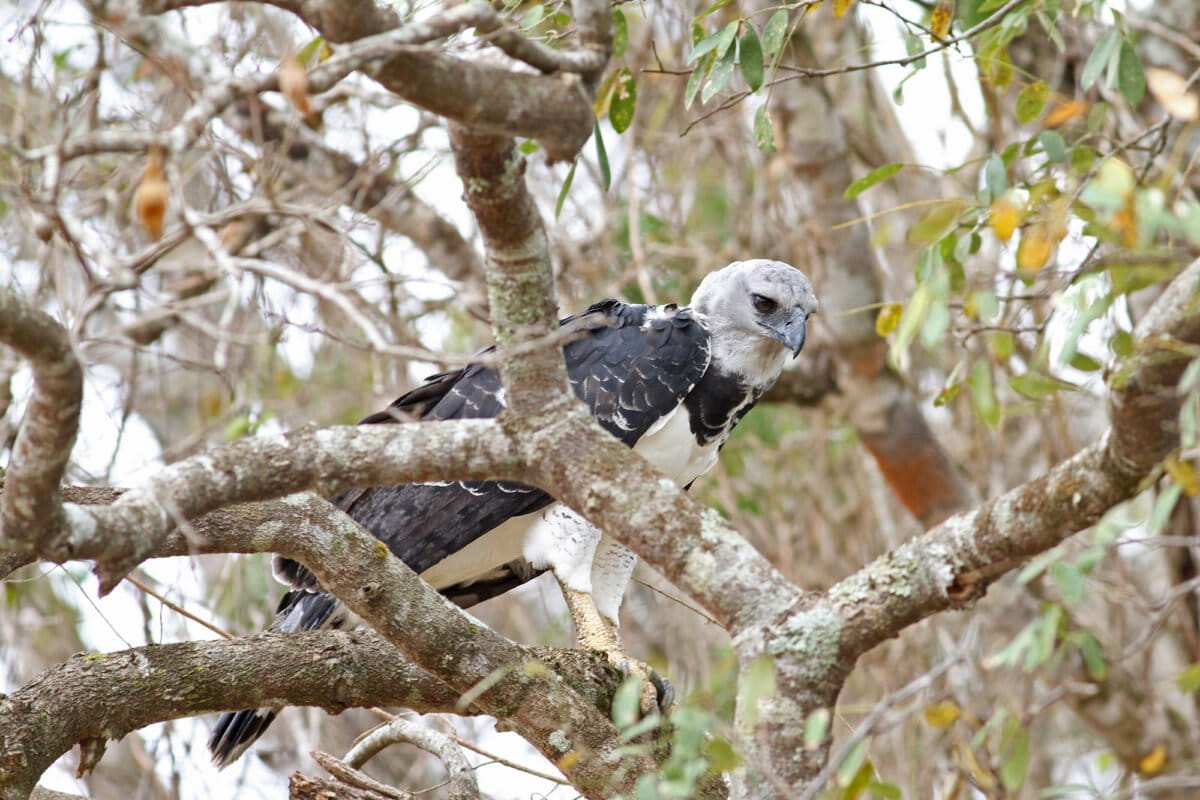
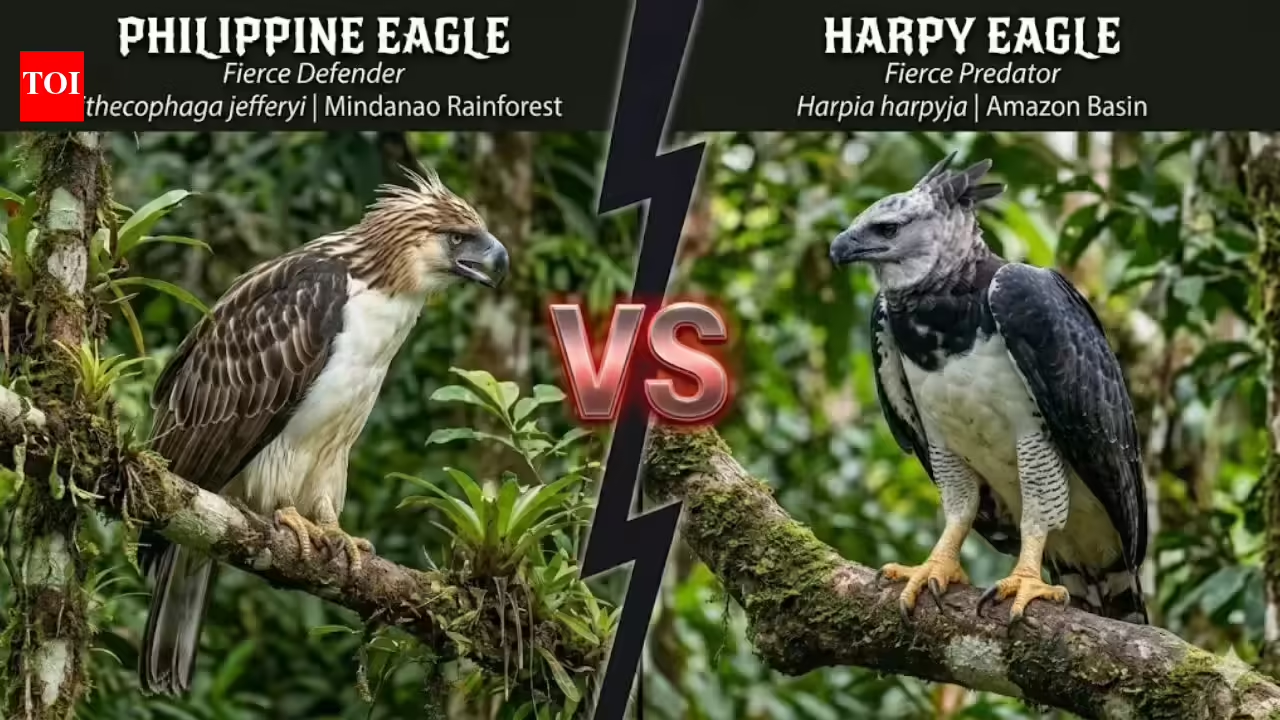
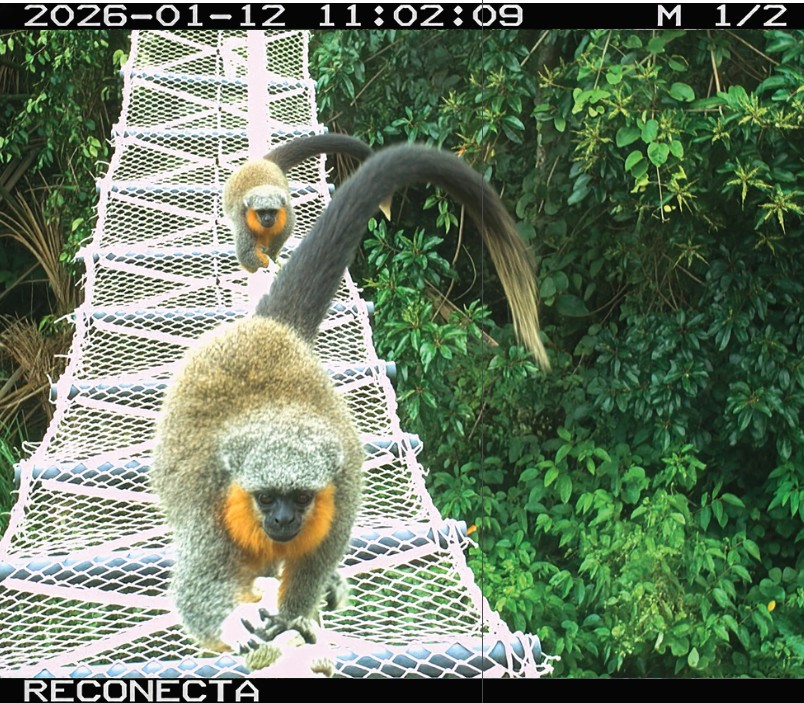
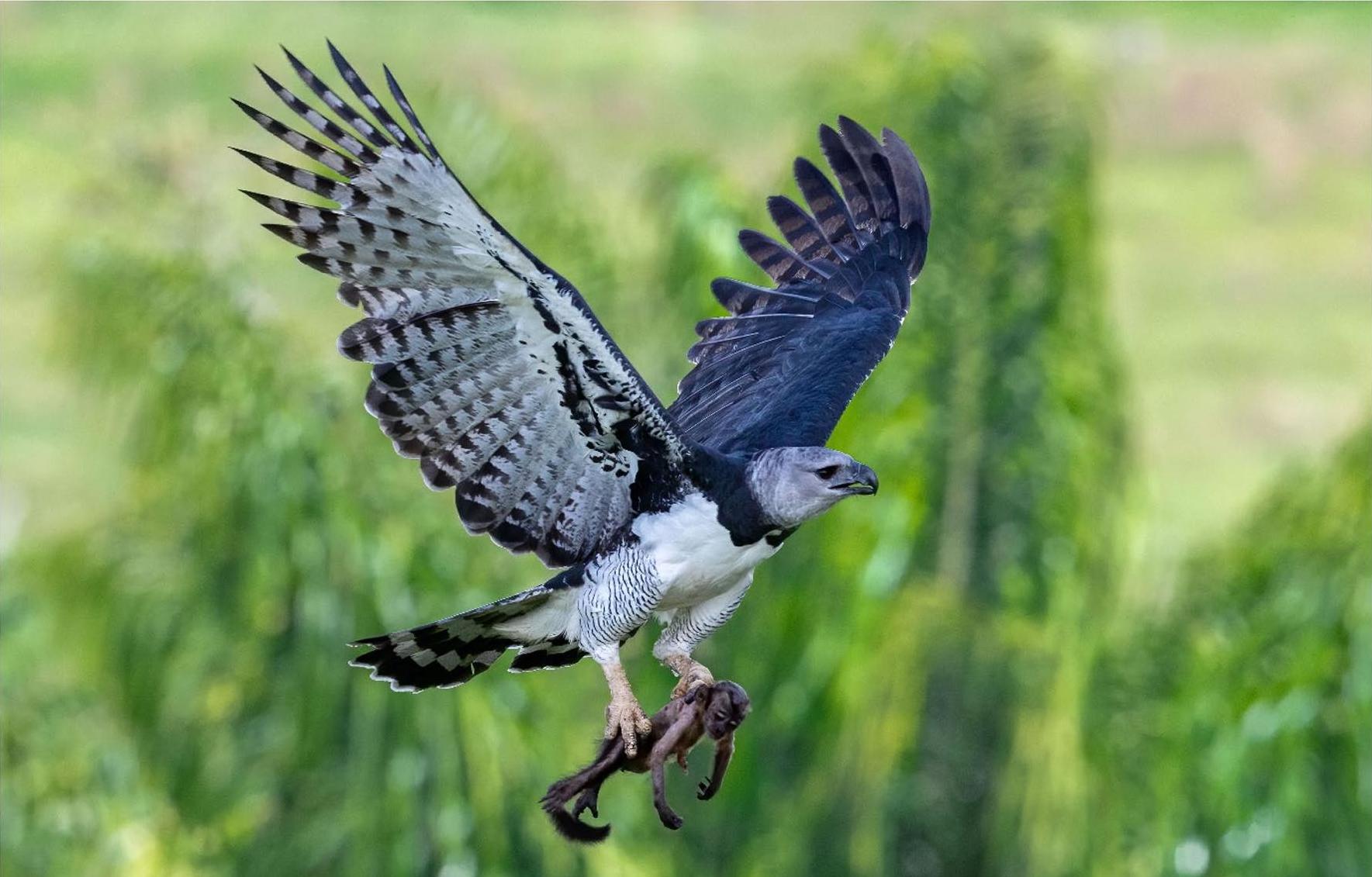
A harpy eagle needs large trees for nesting and enough surrounding forest for its young to learn to fly. The Amazon also depends on the eagle. By controlling populations of monkeys, sloths, and other animals, the predator helps limit damage to the forest canopy. Its decline can therefore indicate broader changes in the ecosystem.
Governments often assess biodiversity by counting species. These figures are useful, although they don’t show whether an ecosystem is still functioning. A recent paper in Frontiers in Science argues that conservation policy should also track ecological processes, including predation, migration, pollination, and the movement of water and nutrients, reports Mongabay’s John Cannon.
The authors propose using the Three Global Conditions Framework, developed in 2019, to decide what different landscapes require. It divides the planet according to the degree of human influence. Large, relatively intact areas need protection from new development. Landscapes where farming and settlements coexist with nature require management that maintains ecological functions. Heavily altered areas need restoration.