Founder’s Briefs: An occasional series where Mongabay founder Rhett Ayers Butler shares analysis, perspectives and story summaries.
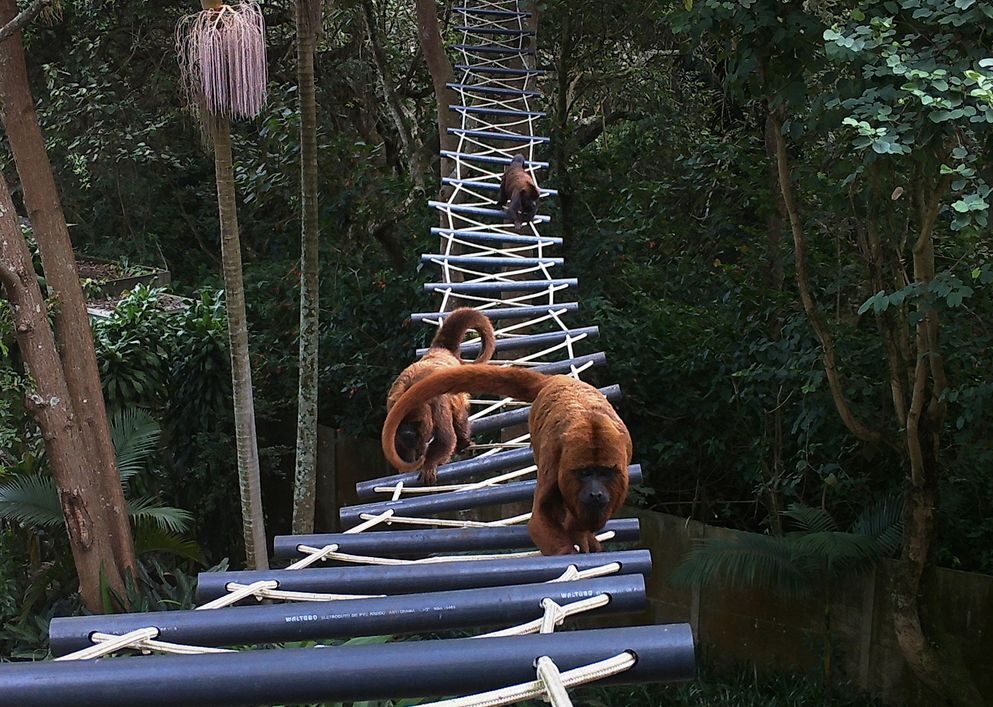
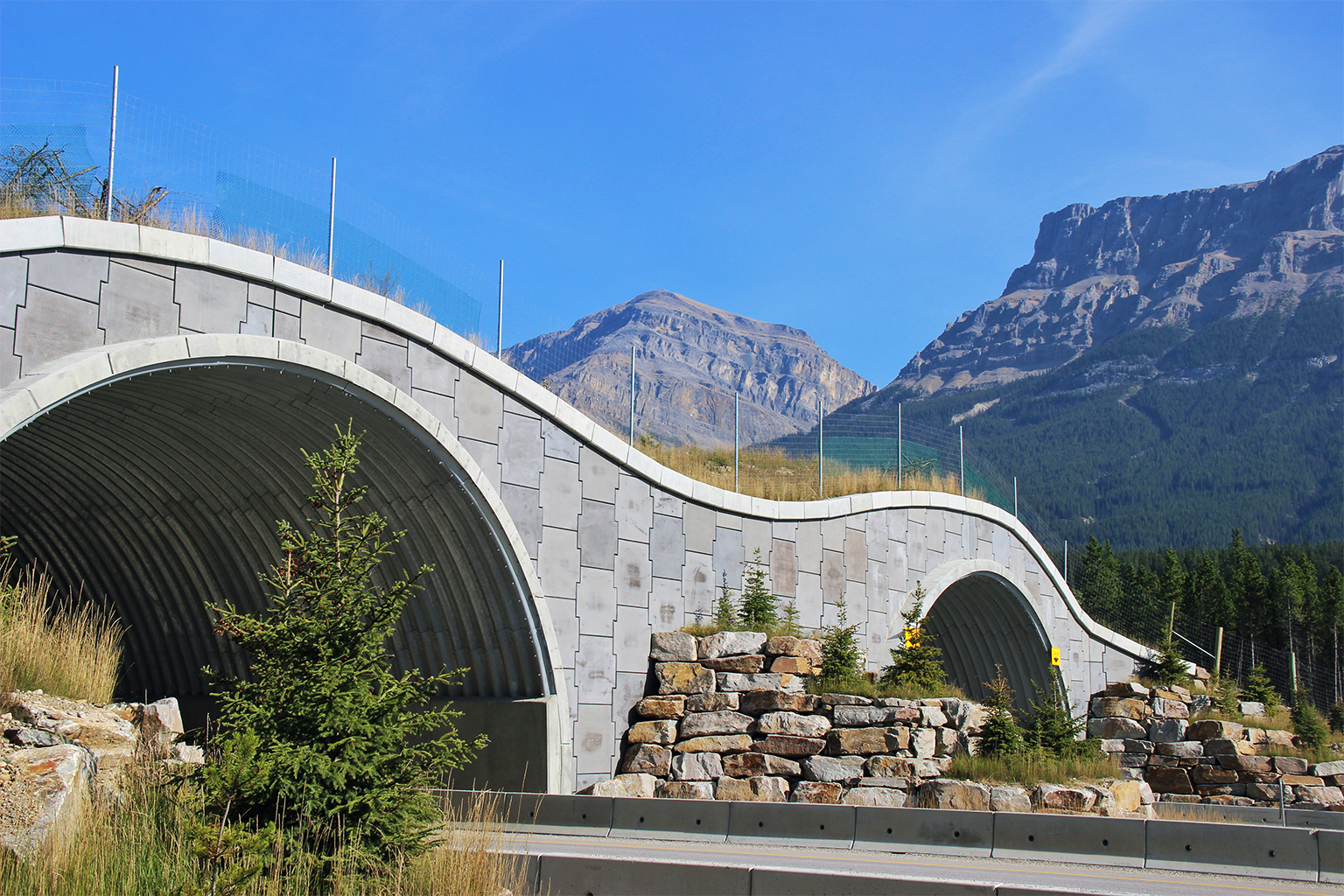
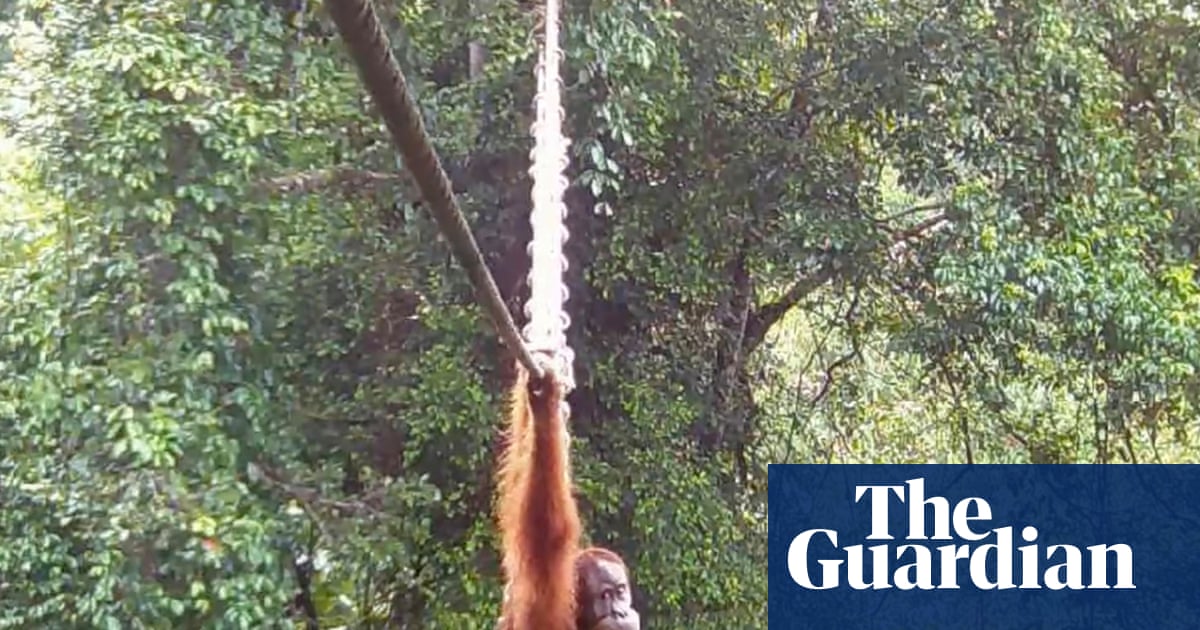
Roads through Brazil’s forests divide primate habitat and sometimes force animals that normally remain in the canopy onto the ground. Researchers in the Amazon are testing rope bridges that allow them to cross above traffic.
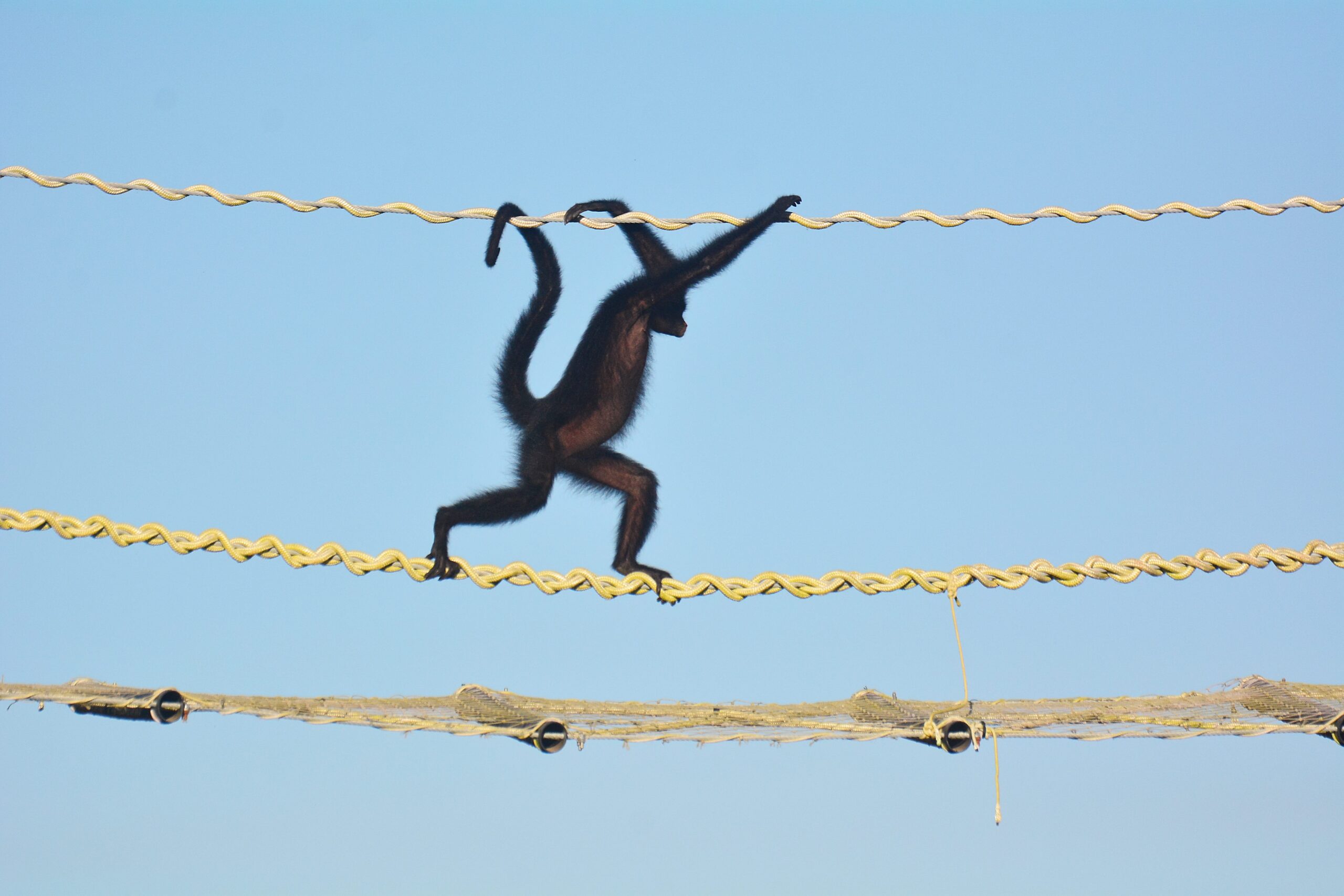
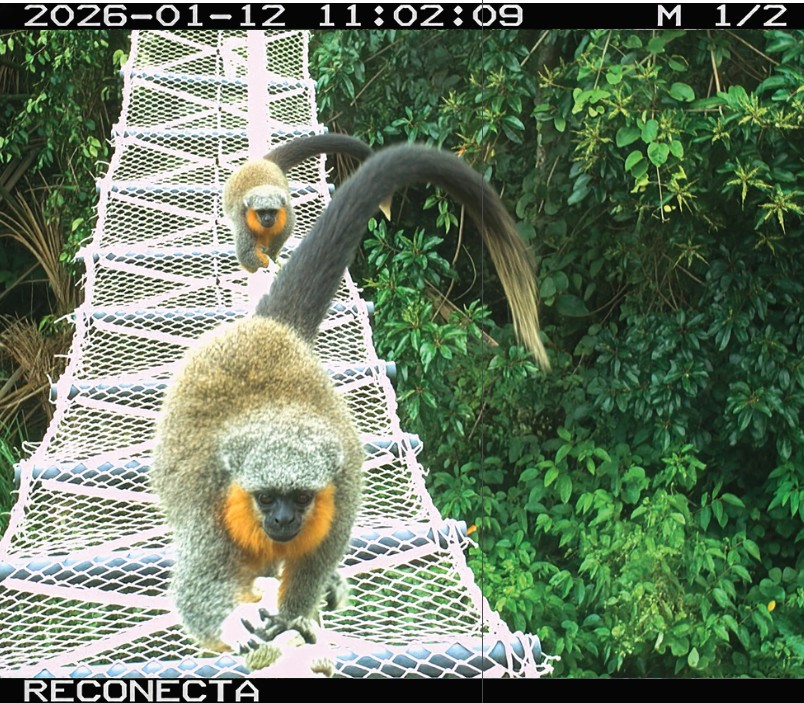
Eight bridges were installed in 2024 in Alta Floresta, in northern Mato Grosso state, reports contributor Suzana Camargo for Mongabay. Camera traps recorded 15,000 crossings by arboreal animals over the next 15 months. No roadkill was reported at the monitored sites. Six primate species used the structures, among them black-faced black spider monkeys (Ateles chamek), Schneider’s marmosets (Mico schneideri), and the critically endangered Alta Floresta titi monkey (Plecturocebus grovesi).
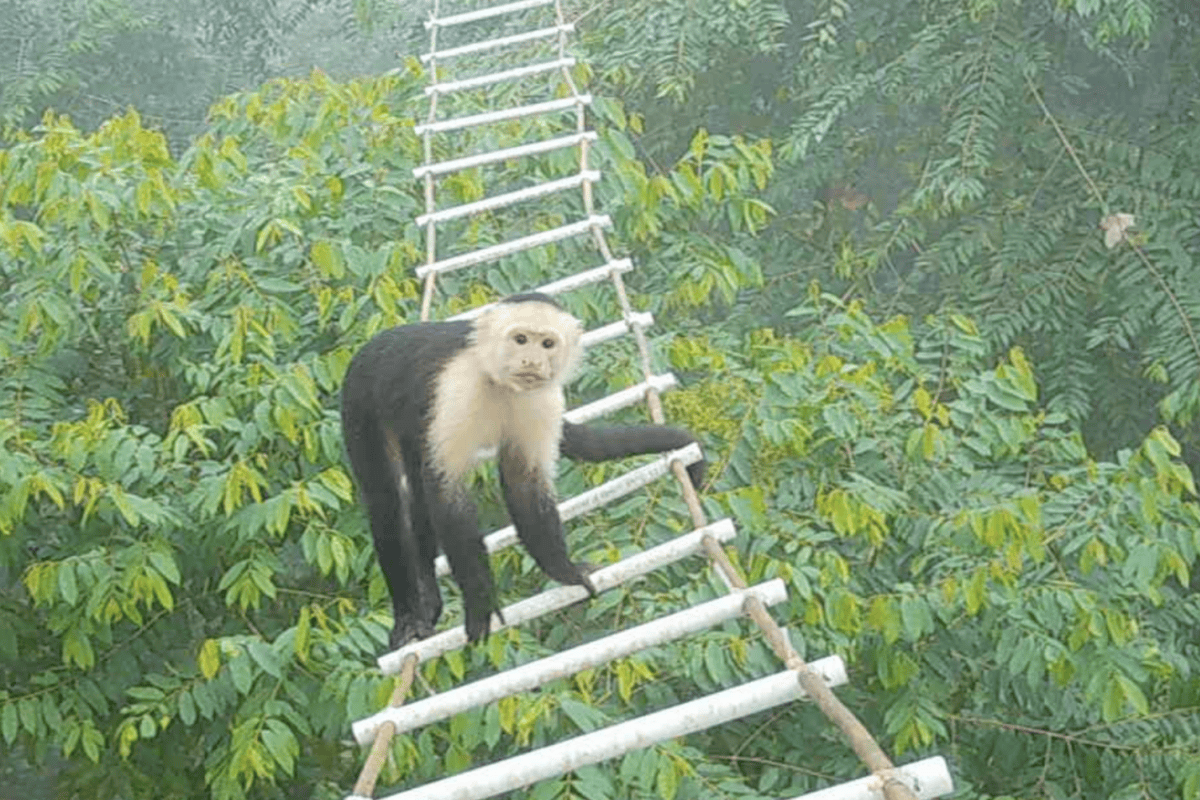
The bridges contain several layers of rope for species with different forms of movement. Some walk across them, while others swing by their arms or use their prehensile tails. Cameras record successful crossings as well as animals that approach and retreat. The footage suggests that some species need time to become accustomed to the structures. Tufted capuchins took seven months to use one of the bridges.