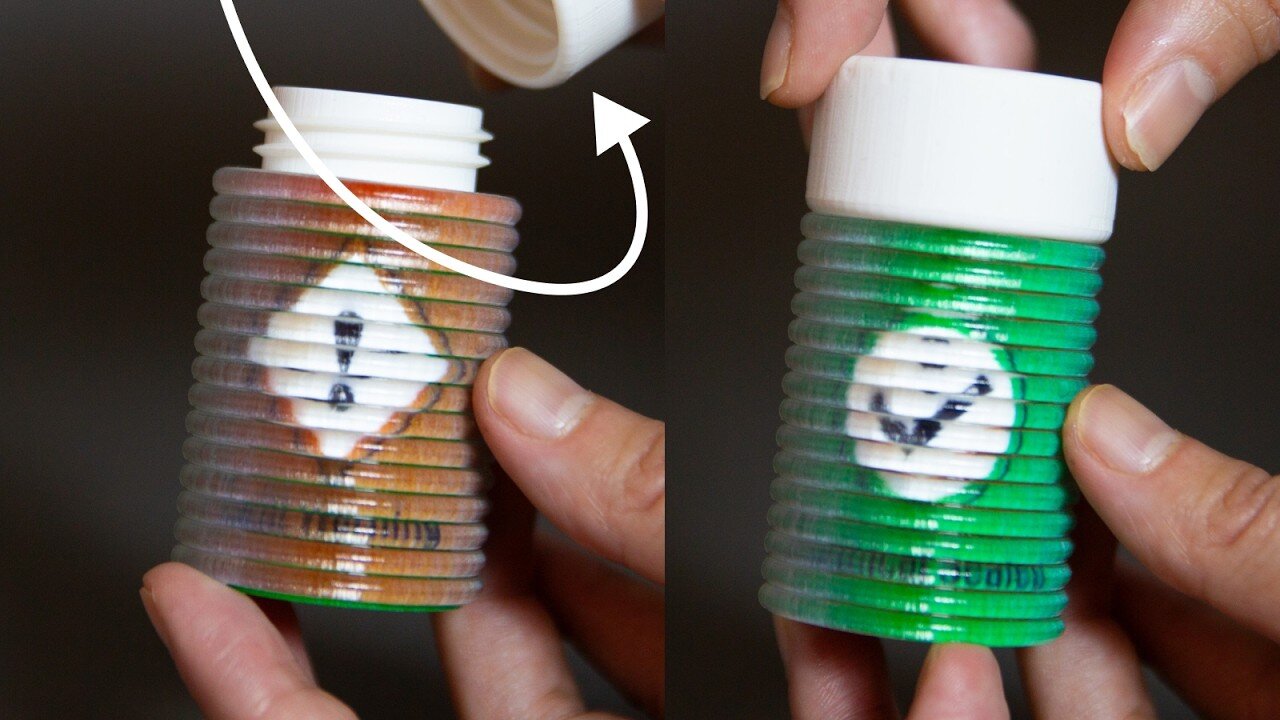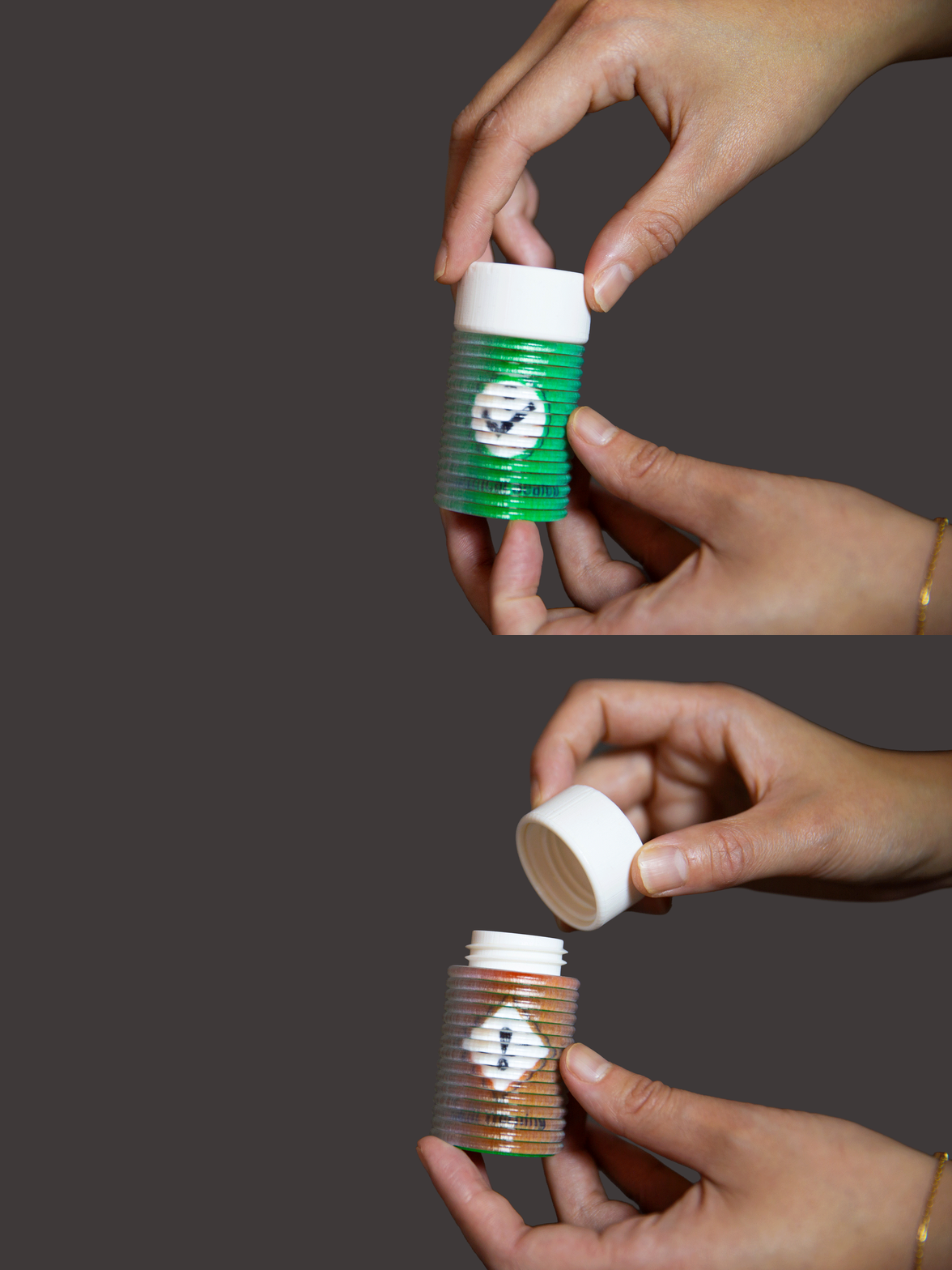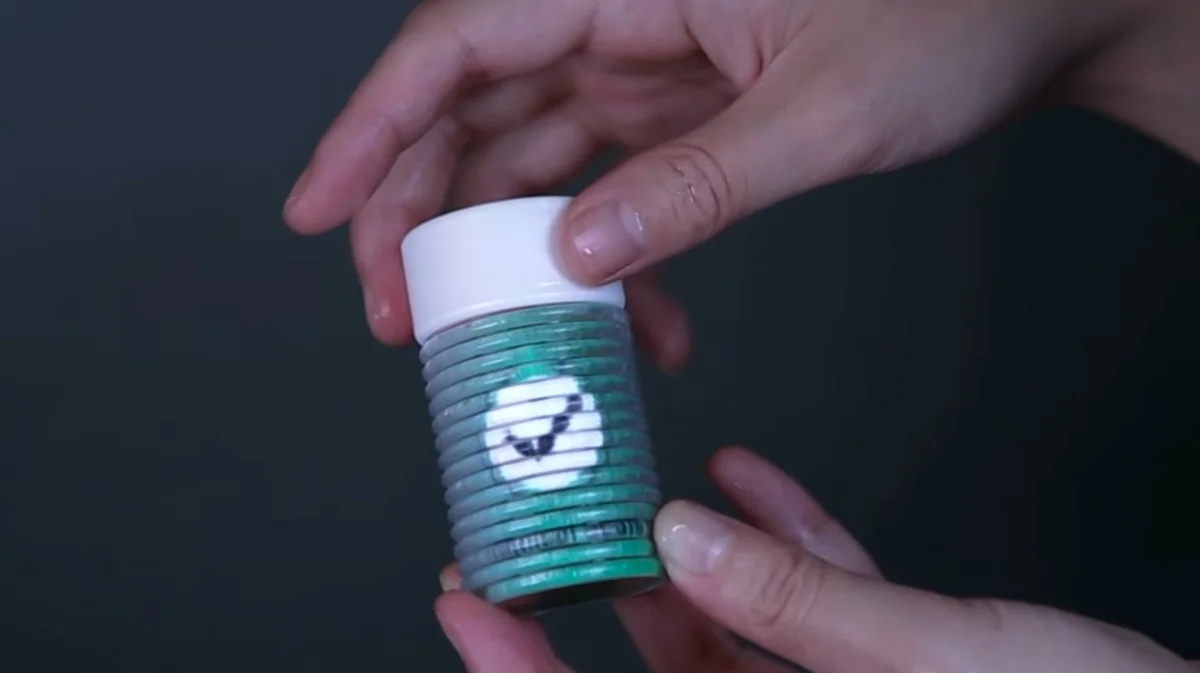
Research in the International Journal of Materials and Product Technology describes a responsive printing system designed to make anti-counterfeit labels more durable, easier to produce at scale and simpler to verify with a smartphone.
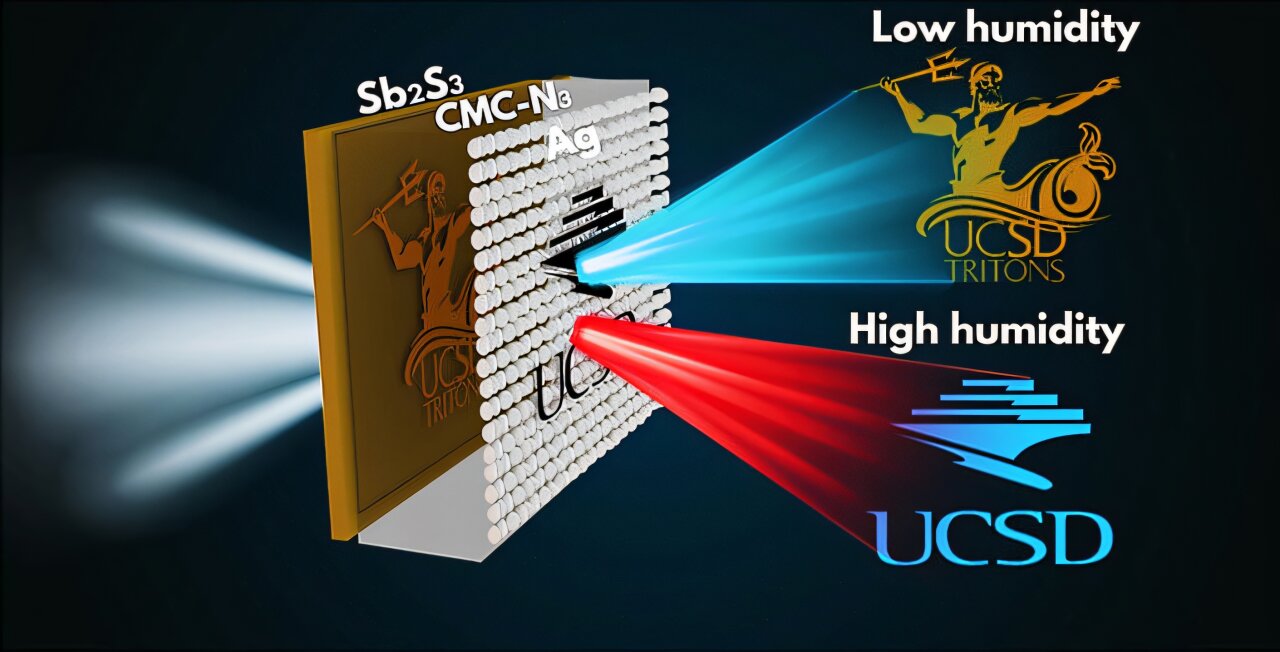
The system combines three elements: temperature- and light-responsive microcapsules, an ultraviolet (UV) ink formulated for high-speed printing, and a portable detection terminal. The microcapsules are tiny polymer shells containing functional materials and can be produced at room temperature. Their use in the printing process allows the printed material to respond to both temperature and light.
The team used nanotechnology linkers to strengthen connections within the polymer capsules so they remain stable even in hot, humid conditions. The ink, which contains no volatile organic solvent, works well with high-speed screen and inkjet printing. Color fastness is more than 83% after five periods in cold storage.
A smartphone-based detector can then be used to measure how light interacts with the anti-counterfeit label. The data is then analyzed using a machine-learning system to verify the origin of a given label. Tests showed the system had almost 97.5% accuracy when checking highly convincing imitation labels.