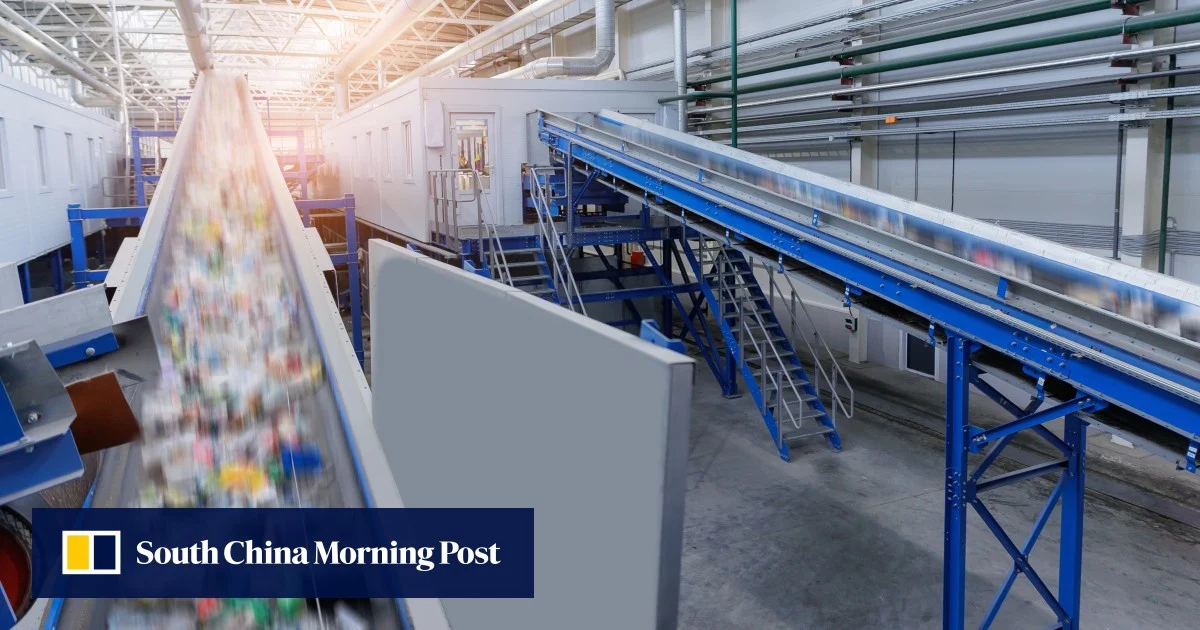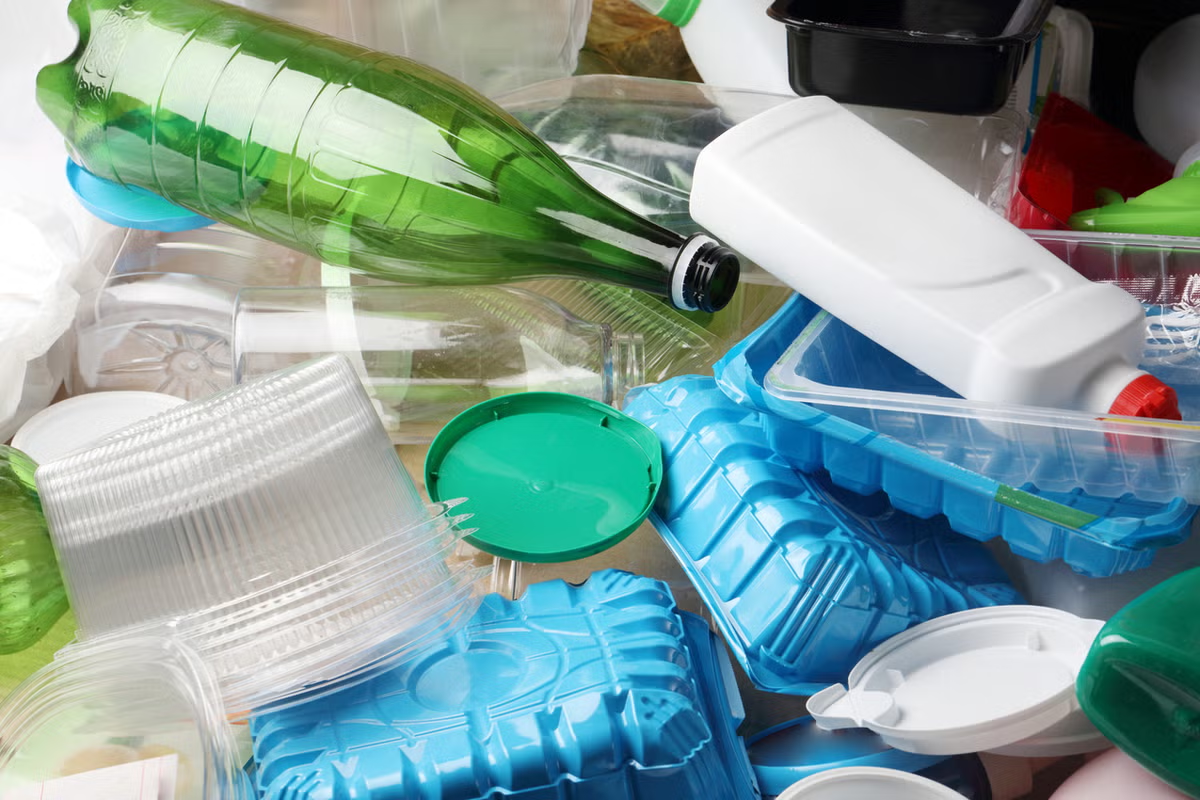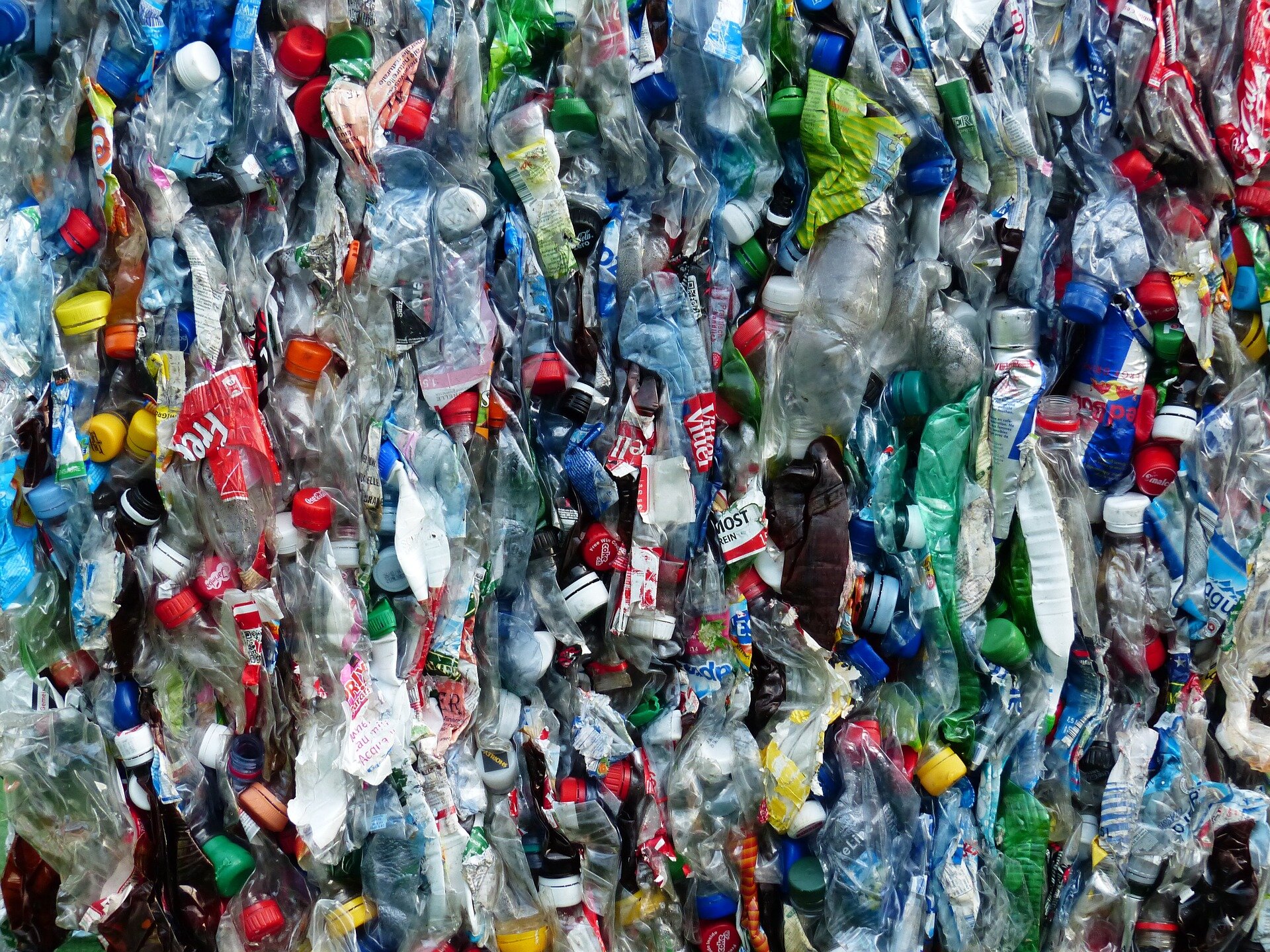
Barcode readers excel at quickly identifying groceries and other products. Could a similar idea work at industrial recycling facilities to make sorting different plastics quicker and more cost-effective? The answer, according to a University at Buffalo research team, is yes.
Unlike traditional barcode scanners, which rely on optical sensors, the team is developing a system that creates "three-dimensional transient thermal barcodes" that could rapidly identify plastics moving on conveyor belts.
The work is described in a Communications Engineering study.
"Our goal was to develop a cost-effective, scalable and industrially relevant plastics sorting technique that addresses the key prevailing scientific gaps restricting the recycling of plastics," says corresponding author Amit Goyal, Ph.D., SUNY Distinguished Professor and SUNY Empire Innovation Professor in the UB Department of Chemical and Biological Engineering.
Goyal directs the UB Initiative on Plastics Recycling and Innovation, which is designated as a New York state Center for Plastics Recycling Research and Innovation by the New York State Department of Environmental Conservation (DEC).