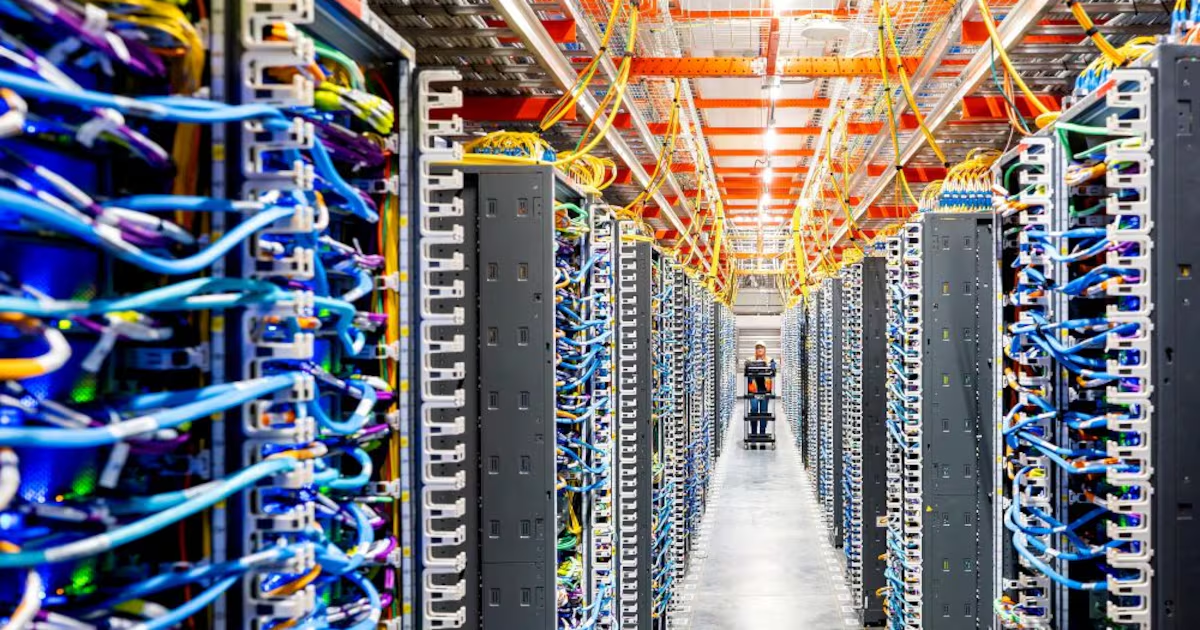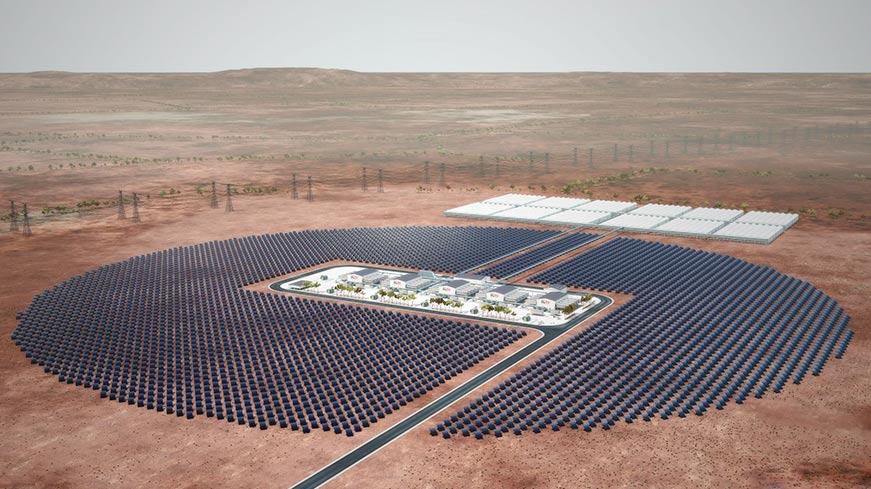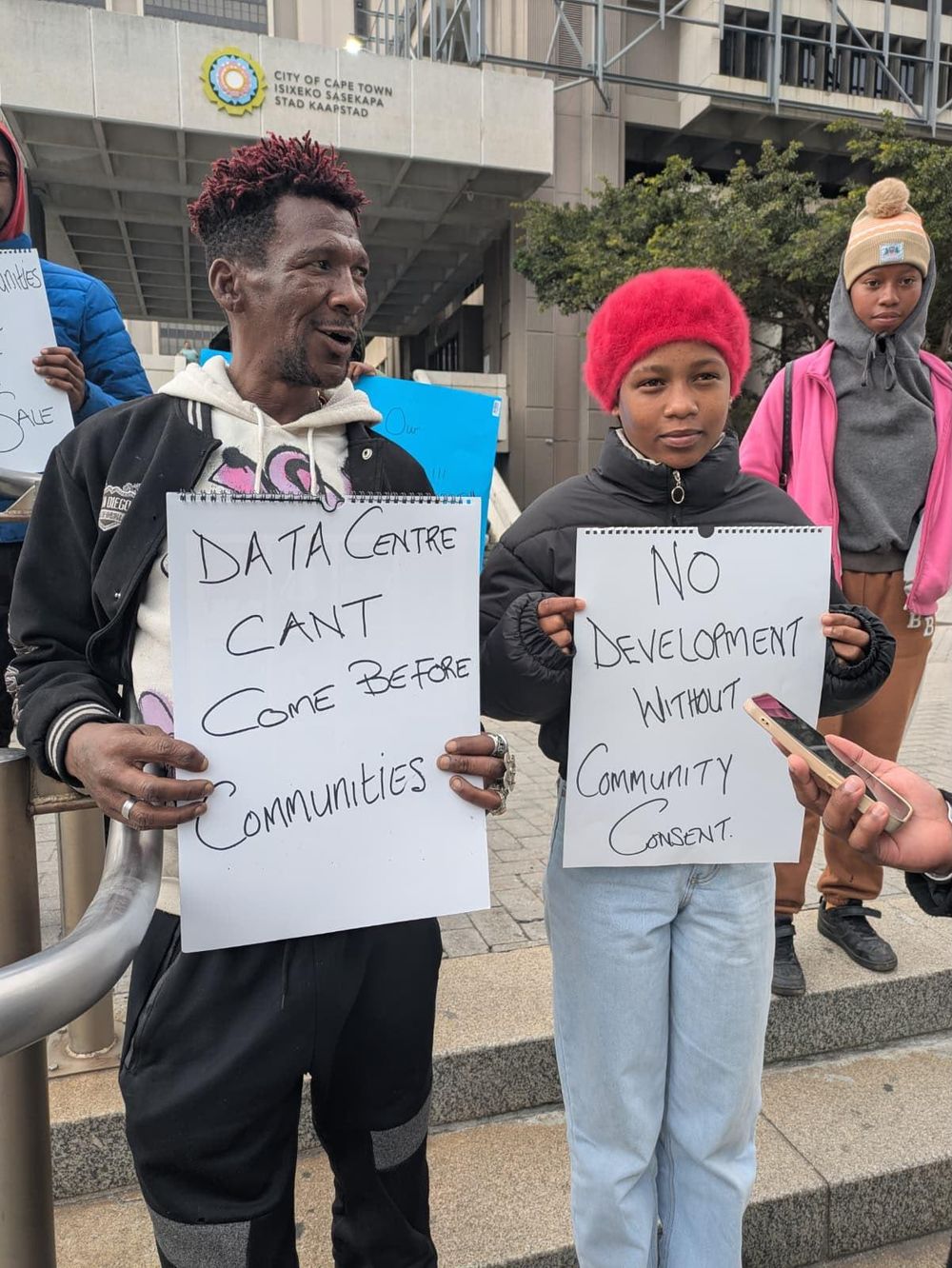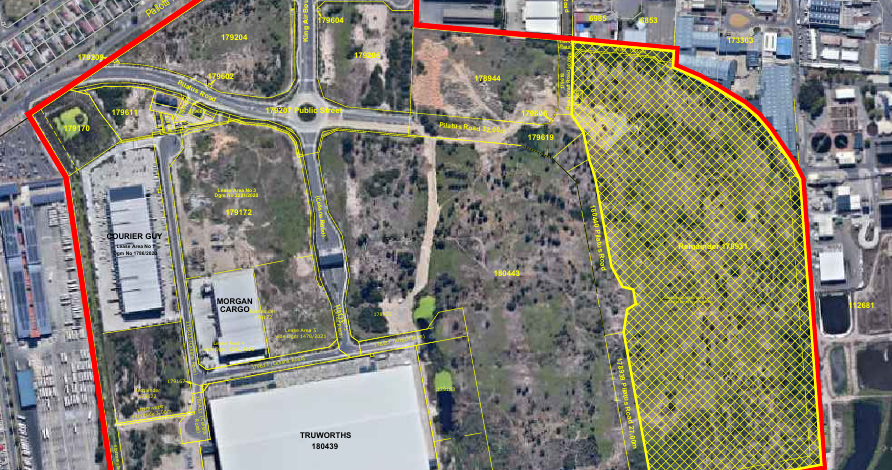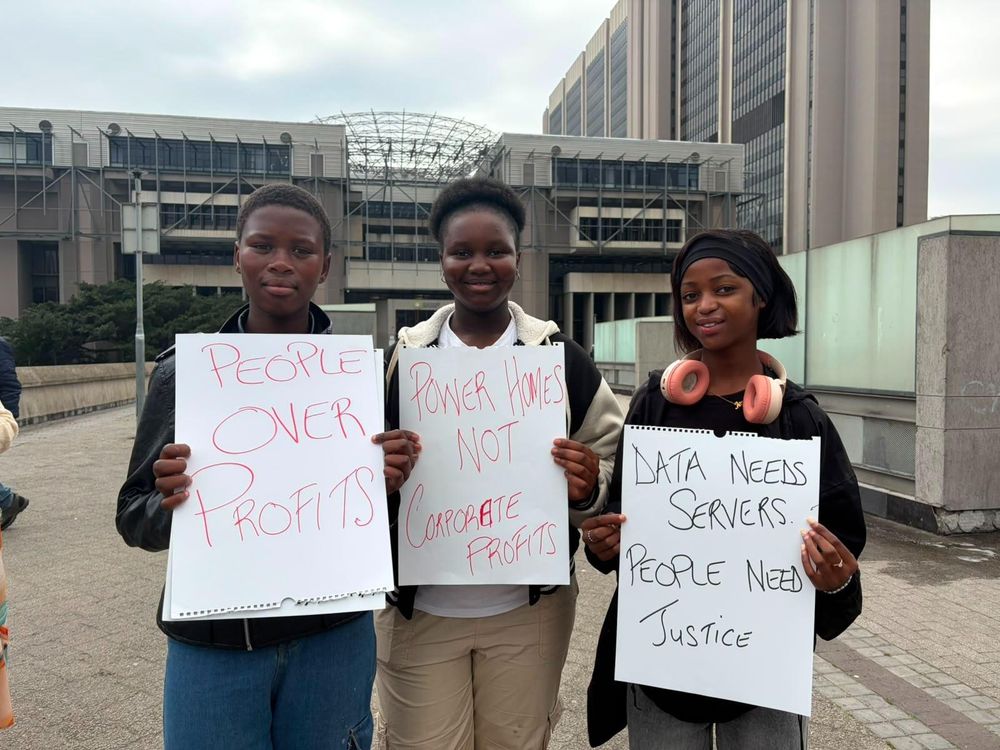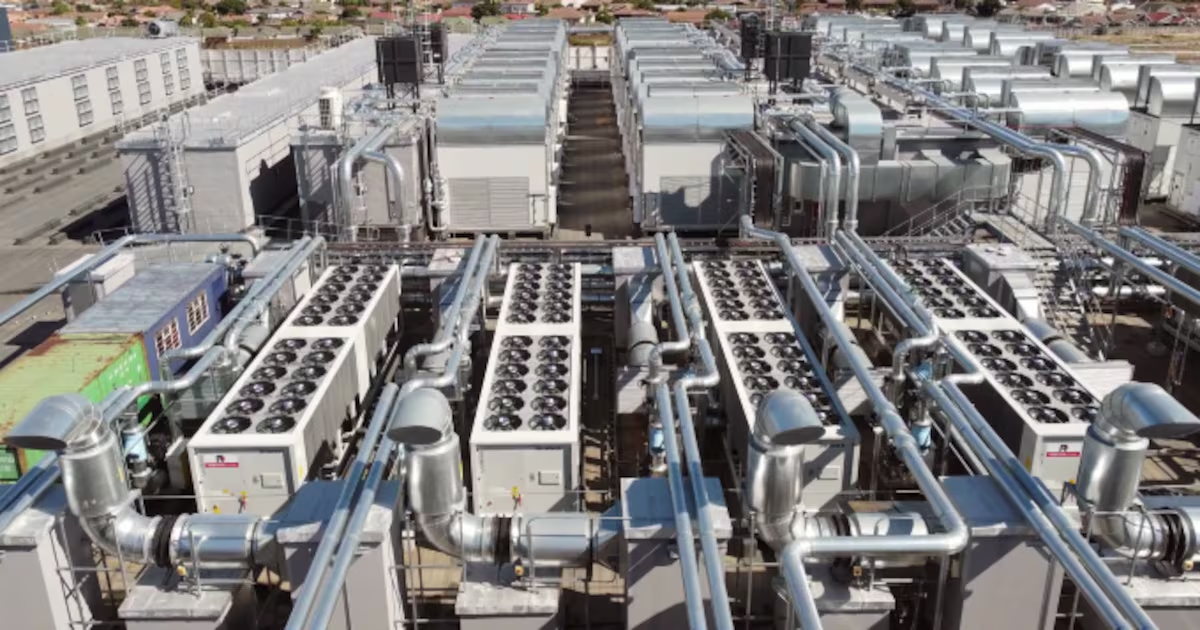
Cape Town’s planning tribunal earlier this month gave the first green light to two enormous data centres near the airport, in King Air Industria – a combined 120 000 m² (about 14 rugby fields), built by US giant Equinix. Together they would draw around 174 MW of power, enough for roughly 130 000 homes, and by one estimate could use up to 4.4-billion litres of water a year for cooling. Objectors argued the application barely detailed its water and electricity needs, a gap they called “insulting” in a city that lived through Day Zero. The tribunal approved it anyway, treating it as a technical zoning matter.
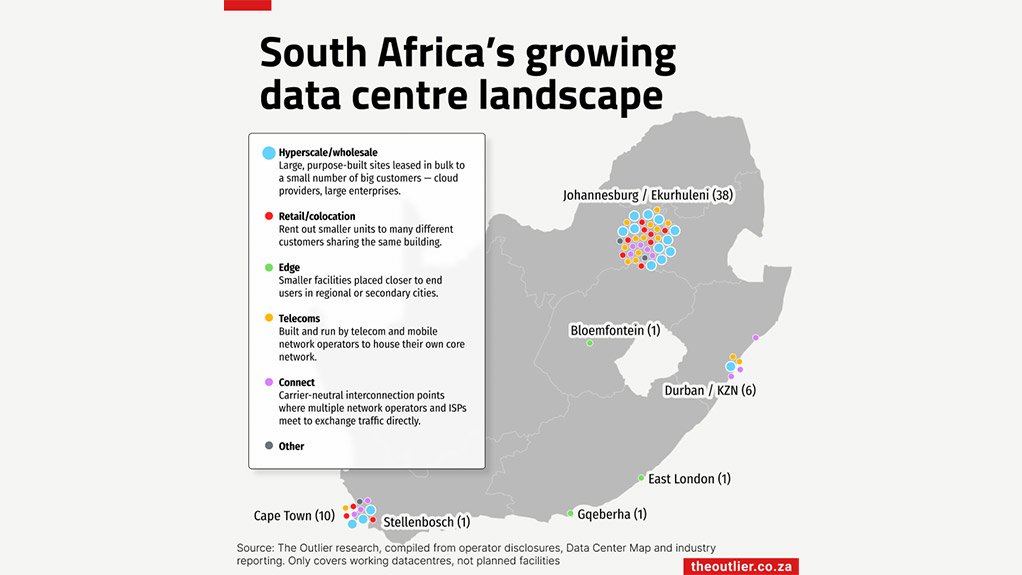
There are many large data centres in the early stages of proposal or development, but what of the existing infrastructure? There are 58 confirmed operational facilities, overwhelmingly clustered around Johannesburg and Ekurhuleni (38 sites), with smaller footholds in Cape Town (10), Durban (6), and one-off sites in Stellenbosch, Bloemfontein, East London and Gqeberha.
One of the major challenges when discussing data centres is that they are not all the same. Hyperscale/wholesale are the giants with massive buildings built and leased to a single big customer, usually a cloud company. Retail/colocation sites rent out smaller chunks – a rack here, a cage there – to lots of different businesses. Edge sites are smaller centres, planted closer to people to shave milliseconds off load times when we are browsing the web. Telecoms sites are run by network operators mostly to power their own infrastructure. Connect sites are neutral meeting points where different networks plug into each other.