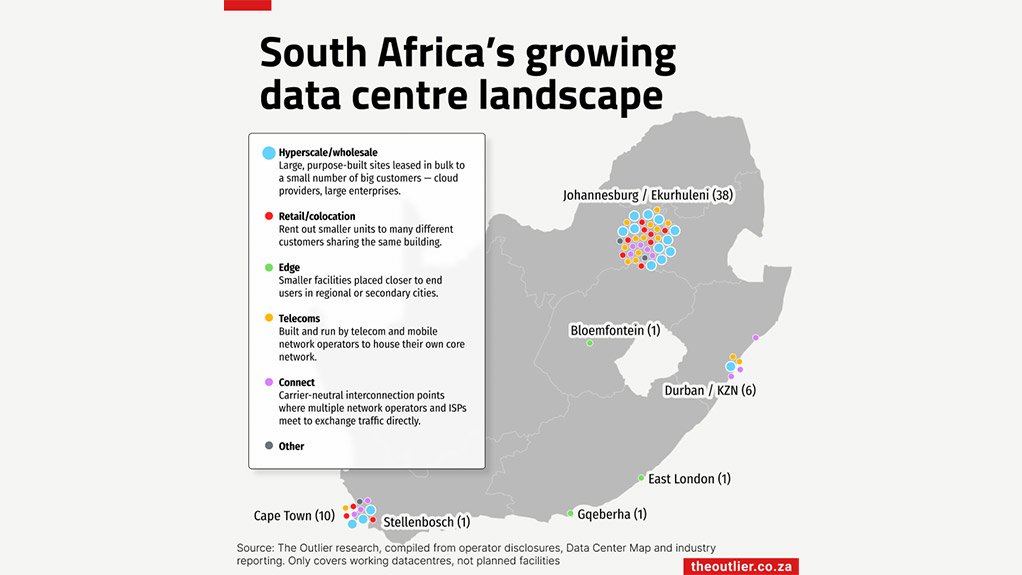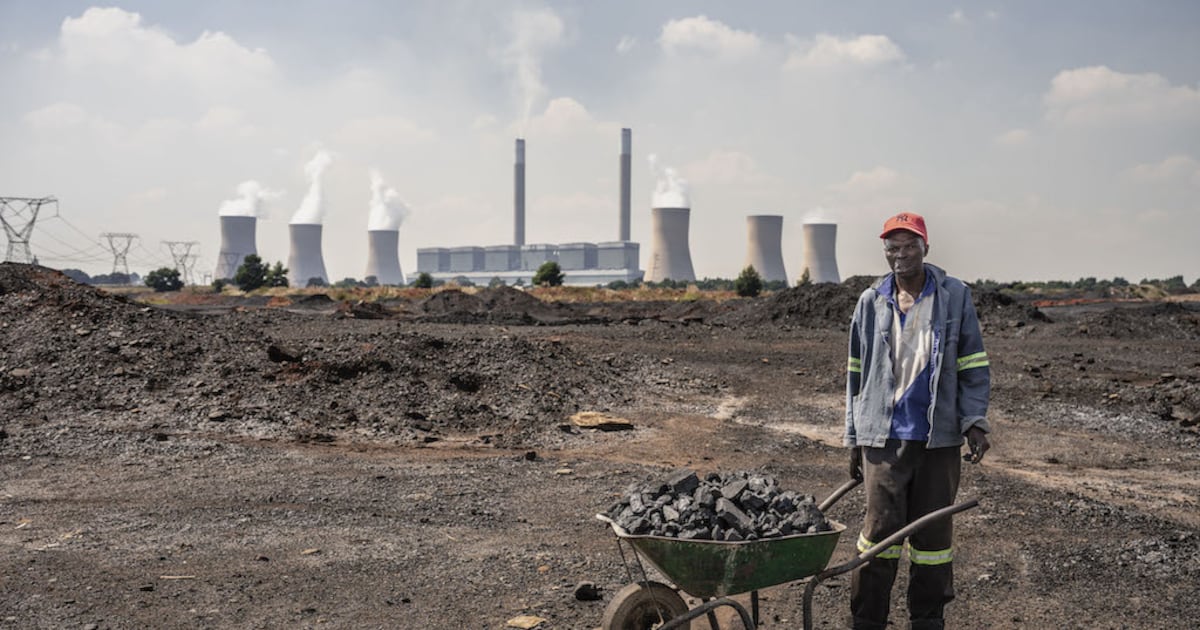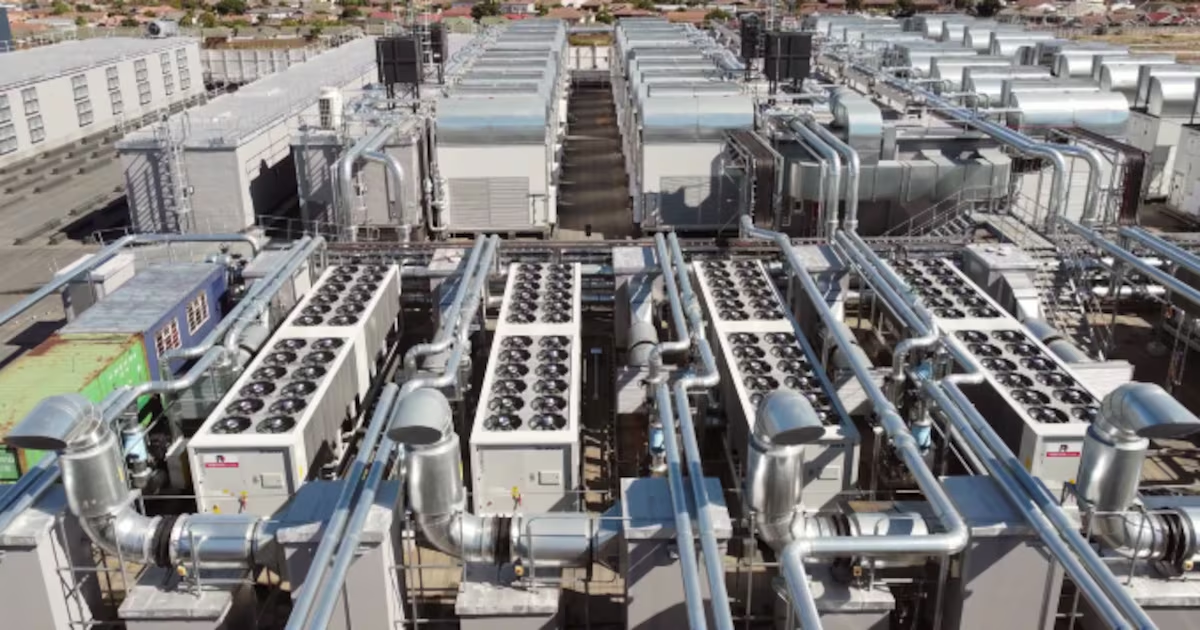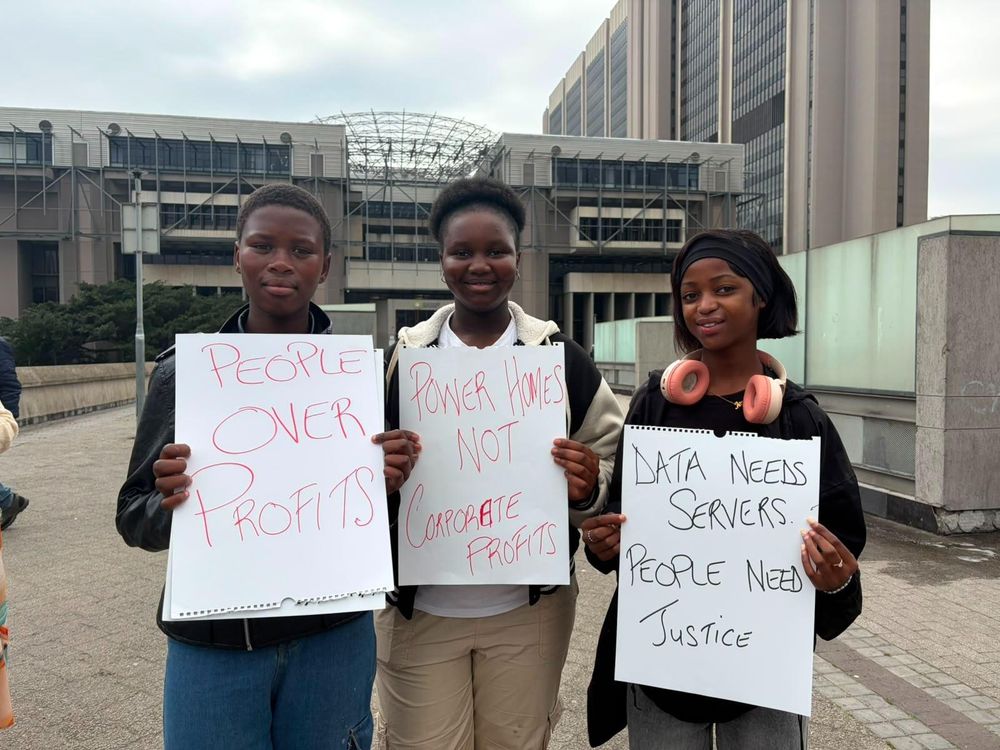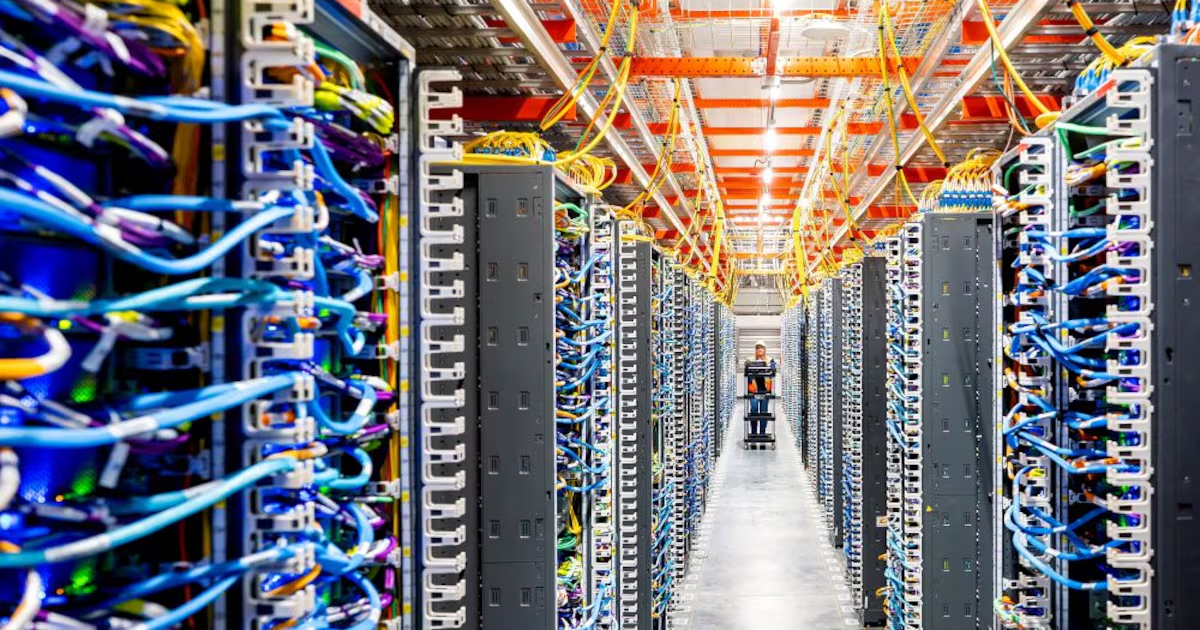
In 1992, when South Africa had more electricity than it knew what to do with, Eskom signed a long-term supply contract with an aluminium smelter at Richards Bay. The terms were confidential. The price was tied to the aluminium price on the London Metals Exchange rather than to the cost of producing the power. It was justified by jobs, exports and the promise that a large industrial anchor would be good for the country. It took a court case, decided by the Supreme Court of Appeal in 2013, before the public was allowed to see the formula. By then the electricity surplus had become a shortage, and households were paying several times more than the smelter paid. The Hillside smelter still draws a significant share of Eskom’s output, and credible estimates put the discount under its current pricing agreement in the billions of rand a year. We are now extending similar arrangements to other smelters. The lesson of Richards Bay is not that heavy industry is bad. It is that terms agreed in private, during a period of apparent abundance, on the strength of untested projections, are paid for over decades by everyone else. I raise this because Cape Town has just made a decision with the same shape, and almost nobody is describing it that way. Last month the city’s municipal planning tribunal approved, by four votes to one, the land use applications clearing the way for a hyperscale data centre at King Air Industria near the airport.The Housing Assembly, a movement of more than 20 Western Cape communities, with the technology justice organisation Foxglove and represented by the Legal Resources Centre (LRC), objected on the grounds that the application disclosed too little for anyone to assess its true impact. The LRC is now considering an appeal. Those are their arguments, ably made. Mine is about something the planning process was not built to see. A data centre is classified as digital infrastructure. In resource terms it behaves like heavy industry. It draws continuous baseload power, consumes water for cooling, occupies significant land, employs very few people once running, and locks a global firm and a local utility into a decades-long dependency. Those are the defining features of a smelter. The differences are that the output is invisible and the language is fashionable. This is not a hypothetical resemblance but fundamentally how the approval was actually engineered. Investigative reporting has since shown that the development did not seek a fresh heavy-industrial permit. It reallocated floor space inside an existing “basket of rights” that has been amended at least seven times since 2019, each change presented as a minor technical adjustment. A data centre is classified as digital infrastructure. In resource terms it behaves like heavy industry. It draws continuous baseload power, consumes water for cooling, occupies significant land, employs very few people once running, and locks a global firm and a local utility into a decades-long dependency.The cumulative result is that data centres will occupy nearly half the park’s approved bulk, without any single assessment of that cumulative impact. Under the city’s older planning definitions, a data centre was treated as a form of warehouse. Treating a 24-hour, high-intensity digital processing plant as a warehouse is precisely the category error that lets an industrial facility slip through rules written for storage sheds. This matters because South Africa is not a novice at governing energy-intensive industry. We have four decades of experience in exactly this domain, and hard-won knowledge of where it fails. We have environmental impact assessment law, water-use licensing, and a body of practice on how large industrial users should be held to account. We are simply not applying that machinery here, because the facility is described as digital rather than industrial. Consider one concrete example. A facility of this scale needs substantial backup generation to guarantee uptime. Non-renewable generation above a threshold set in national environmental law triggers a mandatory environmental impact assessment before construction may begin. Whether the backup generation planned here crosses that threshold, and whether the required authorisation has been obtained, is not a detail. It is a legal precondition. Yet it is exactly the kind of question the tribunal deferred to a later, administrative stage. That is not scrutiny postponed. It is scrutiny routed around. There is a second reason for caution, and it comes from inside the industry rather than from its critics. South Africa’s announced data centre pipeline now exceeds 1,000 megawatts, and analysts project the sector could consume more than 16 terawatt-hours of electricity by 2030. Yet at industry gatherings investors and engineers are notably reluctant to bet on demand at that scale arriving within five years. Local cloud and data-sovereignty needs are real but bounded; banking does not need 1,000MW, and frontier AI models are not trained here. If the people financing this build-out privately doubt the forecast, a constrained city is being asked to commit grid capacity against projections the forecasters themselves treat as speculative. A word on water, because it is where this debate keeps snagging. The site is a former golf course, and a golf course is thirsty; by some estimates it used more water than the data centre will. So water consumption, taken alone, is not the strongest objection here, and honesty requires saying so. The stronger point is electricity, land, cumulative strain and the governance category into which all of this has been filed. Cooling is part of that: there are water-hungry systems and water-sparing ones, they differ enormously in cost, and technology transfer to the Global South has not historically delivered best-in-class equipment. The question is not only what will be installed, but what standard we require, and whether the efficient option is a licence condition or a marketing line. Cooling is part of that: there are water-hungry systems and water-sparing ones, they differ enormously in cost, and technology transfer to the Global South has not historically delivered best-in-class equipment. None of this is an argument against data centres. South Africa is the continent’s digital hub and has been since Microsoft and Amazon opened cloud regions here in 2019 and 2020. The president told parliament this year that dozens of data centres are to be built and more than R50bn in digital investment is expected over three years. I research technology for development; I want South Africa in the AI economy. But entering it with agency means setting terms before the concrete is poured, not after. Publish projected electricity and water demand as a condition of approval. Assess cumulative impact across the pipeline, not one connection at a time. Require the environmental authorisations that national law already mandates rather than deferring them to a stage where the public has no seat. And hold genuine participation with the communities who will share the grid and the reservoir, including those living closest to the site, rather than a notice on a lamppost. The digital economy is not weightless. Behind every application is a building, and behind every building is somebody’s water and somebody’s electricity. We learnt that at Richards Bay over 30 years and at considerable public expense, and the documents became public only because a newspaper went to court. We should not need a second court order to learn it again in Cape Town. • Dr Tsibolane is a senior lecturer in the department of information systems at the University of Cape Town and an associate of the Centre for IT & National Development in Africa.
PITSO TSIBOLANE | Cape Town be warned: a data centre is more than just a warehouse
Opaque planning processes sidestep scrutiny of energy and water demands
1,242 words~6 min read