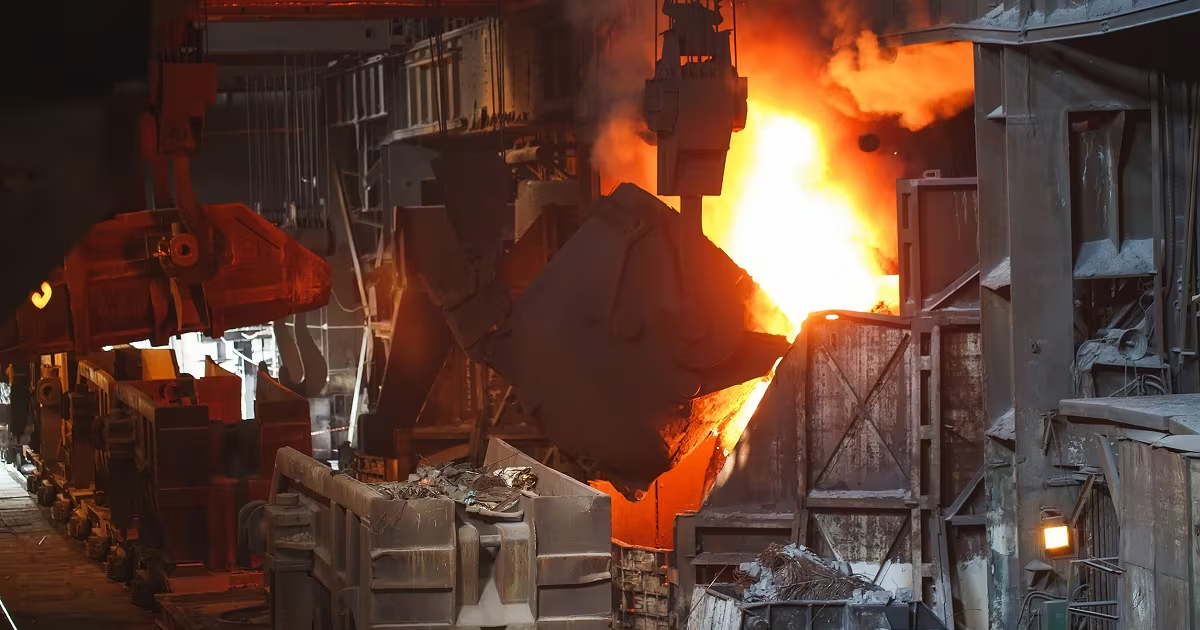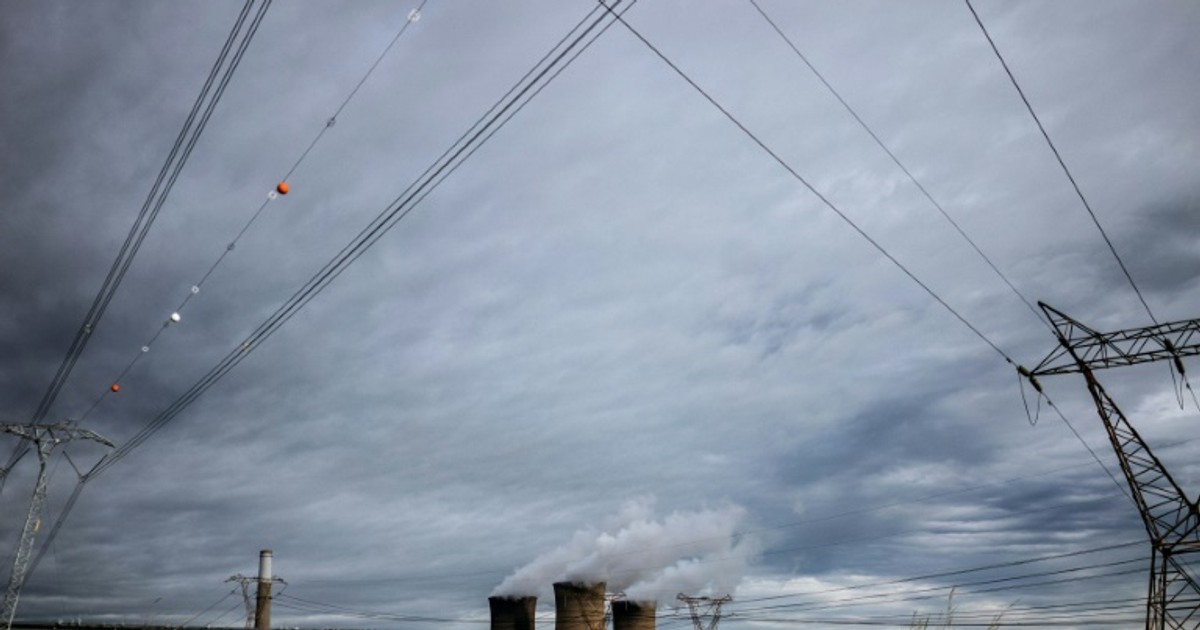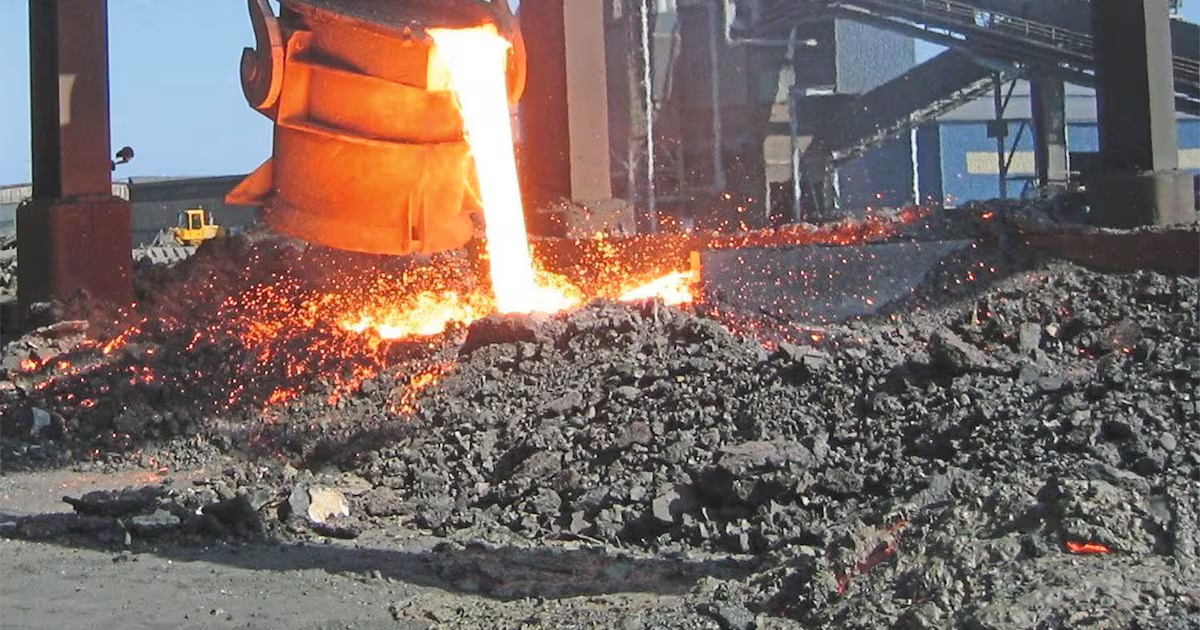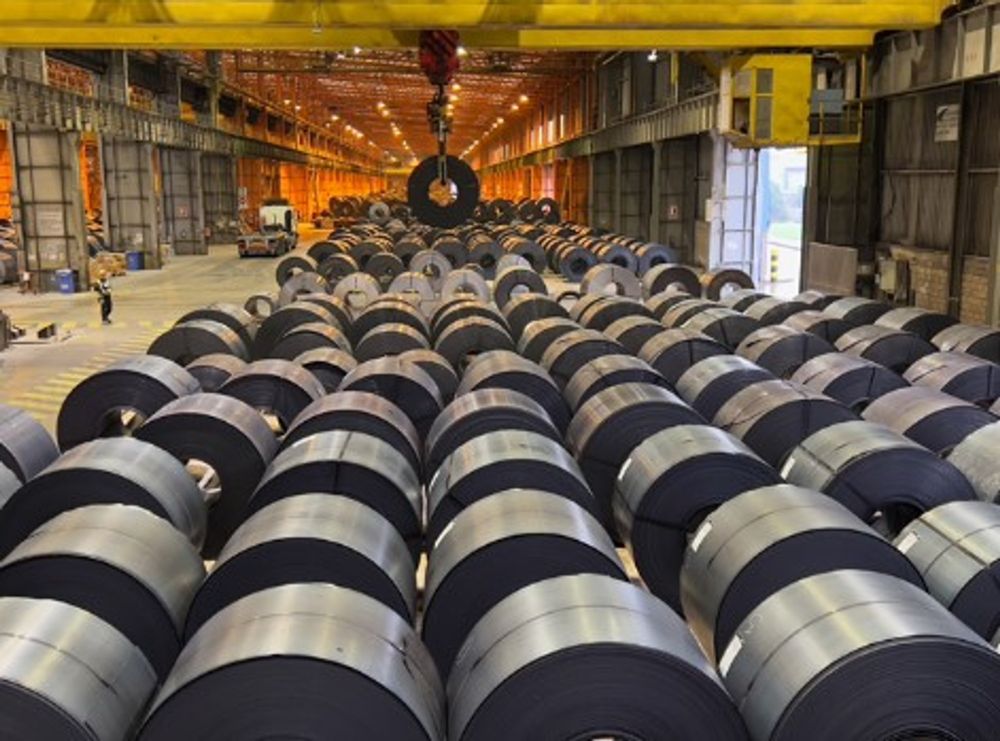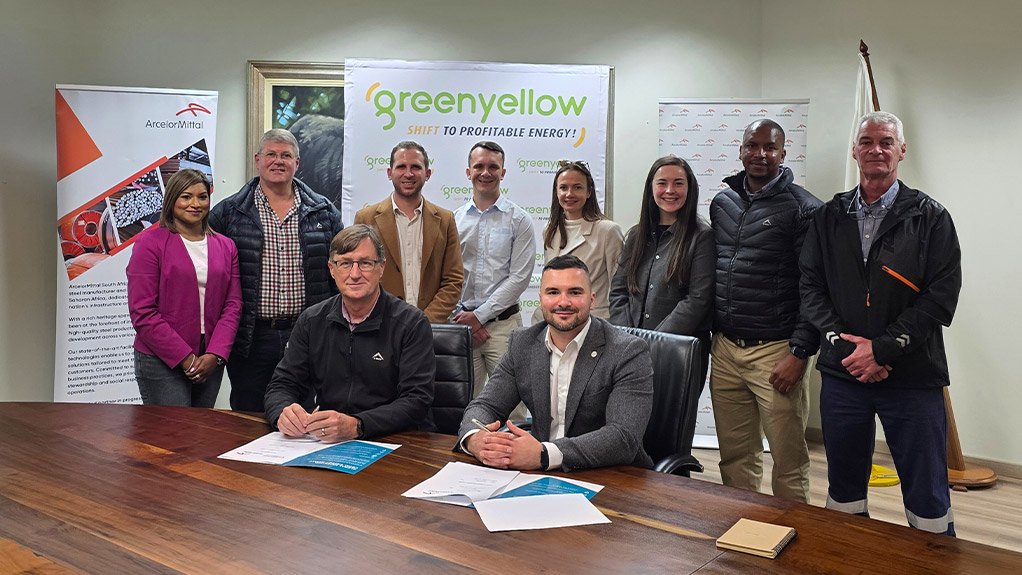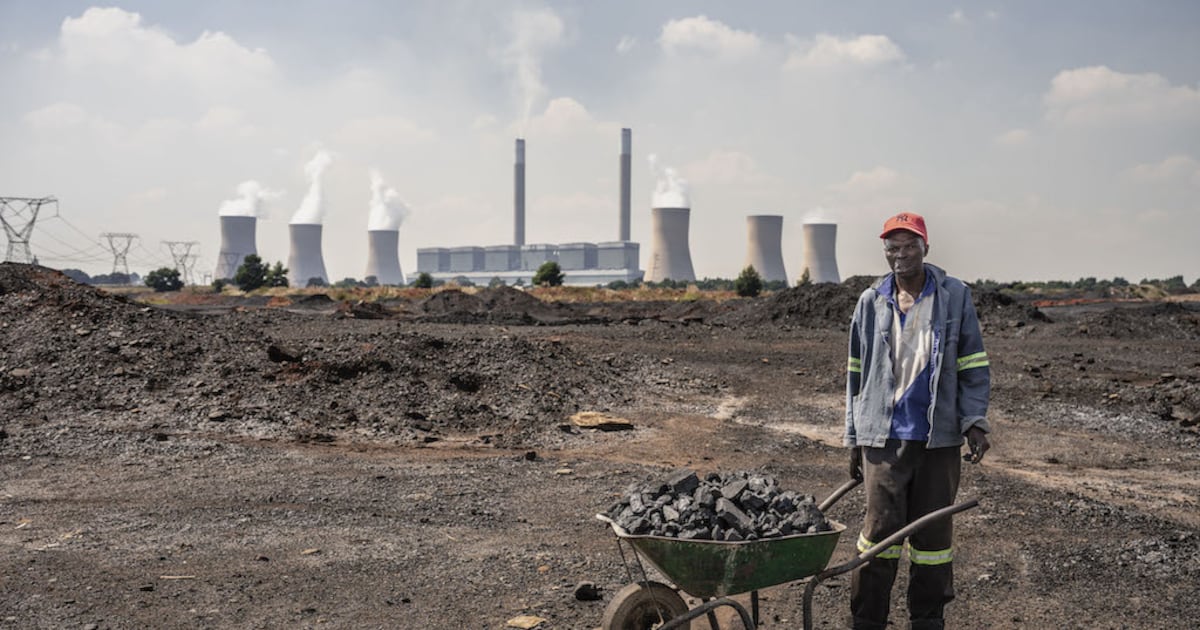
“There has been no progress regarding a negotiated price agreement with Eskom”, read a stock exchange news service announcement from ArcelorMittal SA earlier this year. The steelmaker remains hopeful, though, after the 62c/kWh deal with major ferrochrome producers that it will get a similarly favourable negotiated price agreement. A few weeks ago the acting director-general of the electricity department, Subesh Pillay, told legislators an energy pricing policy would be released soon. The current advocacy across the industrial base for favourable energy pricing is a sign of the times. The queue of activities we can retain or attract on the basis of cheap electrons grows by the day, from aluminium smelters to cement and glass kilns, green hydrogen electrolysers and advanced AI data centres. In this sense the minerals energy complex that former trade & industry director-general Zav Rustomjee and economist Ben Fine observed has evolved in complicated ways: Rapidly escalating (and increasingly uncompetitive) industrial tariffs have created an inlet for imports of things we historically produced across this complex. Much has been said about ferro-alloys. However, the same risk of displacement has been observed in other smelter or kiln-based production in glass, ceramics, nonferrous base metals and other similar products as recent trade probes show. Increasingly, some of this import competition is coming from the Southern African Development Community, as the case of ceramic tiles and glass indicate, as neighbouring countries attract energy-intensive investment close to their mineral endowments. The technological characteristics of kiln and smelter-based production create an incentive for overproduction. Because you simply cannot switch off some of these plants, or doing so comes at considerable cost, capacity curtailment is difficult, necessitating large inventory pile-ups. This requires stable access to external markets. The case of Hulamin is of interest. The Pietermaritzburg-based aluminium rolled products maker exports more than two fifths of its production. Its melting and casting operations primarily use gas (nearly two thirds of its energy requirement), with only a third of its energy needs drawn from the grid. Running such mills at full capacity and the low share of production absorbed locally necessitates not only a favourable energy pricing policy, but calls for an active trade strategy to enable access to key markets. Such a strategy is further complicated by the national security tariffs (and, in the past, antidumping measures) levied on Hulamin by the US, a key destination market with the EU. This highlights the indispensable role of economic diplomacy in making the business case for casting and smelting activities viable in a relatively small market like ours. Such diplomacy also has to contend not only with the administered pricing of energy, but also the pricing of emissions, a crucial vulnerability in an economy like ours that relies on coal-based energy as border taxes such as the EU’s Carbon Border Adjustment Mechanism are considered worldwide. This makes the diversification of our energy mix an imperative that requires not only firm level responses, as the recently published integrated report of Hulamin shows, but also consideration of the extent of subsidies and capital expenditure extended to renewable and gas energy generation and storage. As a recently published Stats SA data print shows, renewable energy supply grew by nearly 6,000 GWh in 2021-24. The transmission of such energy to industrial activities that are sensitive to the pricing of emissions by border taxes remains a challenge. While we cannot shake off the legacy we have in industrial activities that require considerable energy in the minerals energy complex, the calibration of the cost of electrons that fuel industrial production and the management of our emission profile remain important. If we are to remain the home for old and new industrial activities we may have to shun the “coal or green” binary that has contaminated local debate and accept the plurality of energy options needed for an economy as diverse and complex as ours. • Cawe is chief commissioner at the International Trade Administration Commission. He writes in his personal capacity.
AYABONGA CAWE | Energy costs challenge SA’s industrial future
Rising power tariffs imperil ability to compete globally and retain local production
660 words~3 min read