Story audio is generated using AI
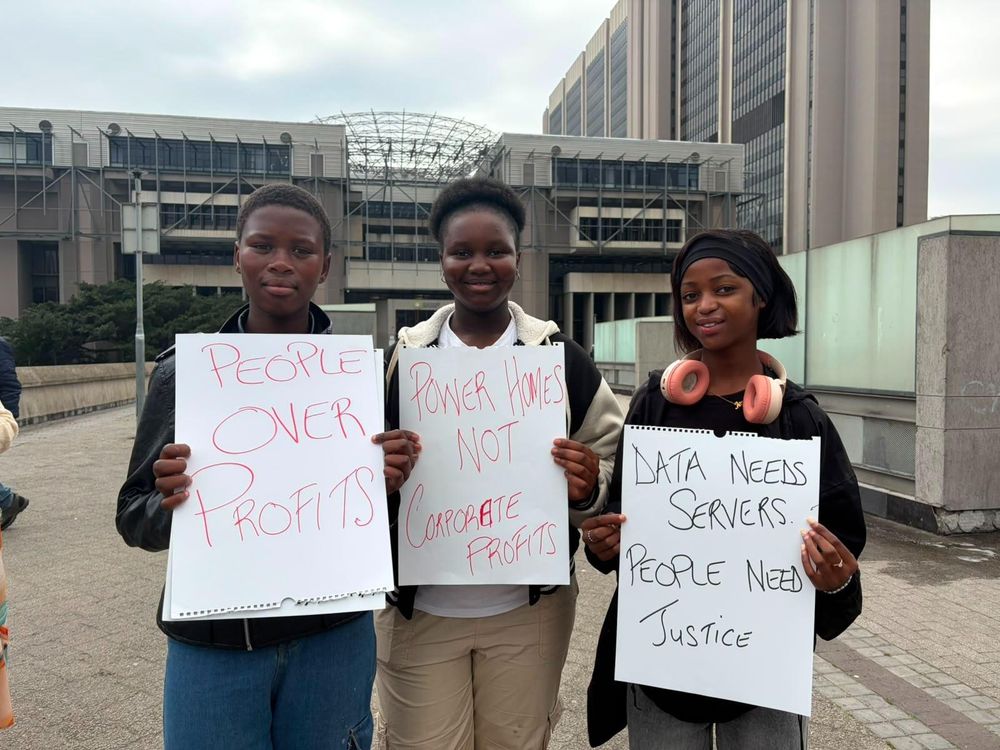
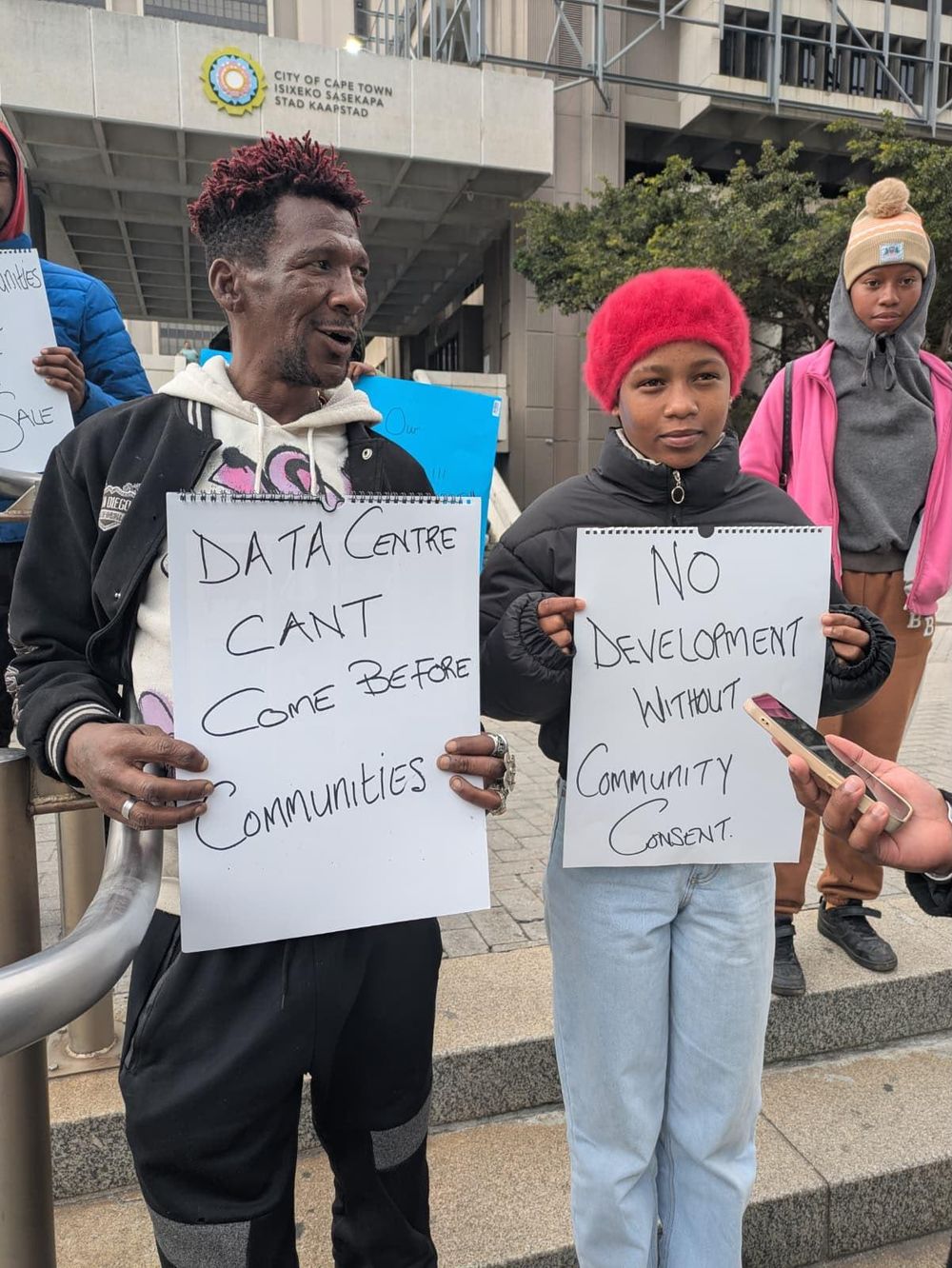
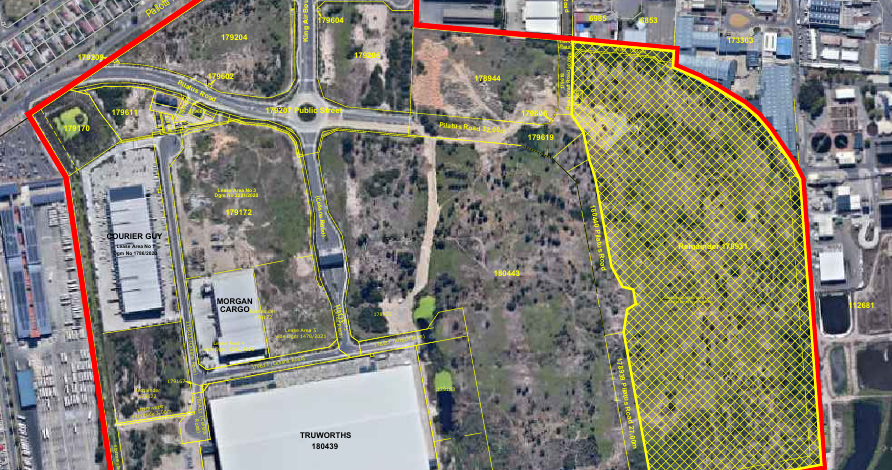
The Legal Resources Centre (LRC) is considering an appeal after Cape Town’s Municipal Planning Tribunal (MPT) approved an application by US technology company Equinix to develop a hyperscale data centre, despite objections over the project’s potential impact on water and electricity resources.The tribunal approved the application on July 14, paving the way for the proposed development in the King Air Industria precinct. However, the Housing Assembly and technology justice organisation Foxglove, represented by the LRC, argue the application should have been rejected because insufficient information had been provided on the facility’s anticipated electricity and water consumption and its broader socio-economic and environmental impacts.LRC attorney Kimal Harvey told Business Day that the organisation, with its clients, Housing Assembly and Foxglove, is considering an appeal against the decision.“We will be considering the appeal option with our clients, the Housing Assembly and Foxglove,” Harvey said.He argued that the tribunal had wrongly treated the matter as a routine rezoning application, despite the big implications of a hyperscale data centre. The centres are huge, highly scalable facilities designed to support cloud computing and AI workloads. They typically house more than 100,000 servers and cover large areas.“The application mischaracterises this process as a mere rezoning and amendment of the basket of rights,” Harvey said, arguing that it minimised the project’s potential effects on electricity and water use, the environment and surrounding communities.Harvey said the tribunal should have required Equinix to provide sufficient information before making its decision.“In terms of the city’s by-laws, we believe the tribunal had an obligation to require Equinix to provide sufficient information so that a full range of competing interests could be comprehensively considered.”He further argued that the tribunal has unlawfully deferred key issues, including infrastructure and spatial planning considerations, to later stages of the approval process.According to Harvey, the public participation process was also inadequate because previous consultations related to land-use rights did not include a hyperscale data centre.In terms of the city’s by-laws, we believe the tribunal had an obligation to require Equinix to provide sufficient information so that a full range of competing interests could be comprehensively considered.— Kimal Harvey, LRC attorney “We believe that including a data centre now in their basket of rights requires a far more comprehensive public participation process. The people, including us, do not know what this will mean for our already stressed water, electricity and environmental systems,” he said.Harvey said South Africa lacks a dedicated legal framework governing hyperscale data centres, placing greater responsibility on planning authorities to ensure developments are in the public interest.“There is no law or regulations on the development of digital public infrastructure and therefore, in the absence of that, the tribunal has to make decisions that are in the public’s interest and not prioritise industry over those interests.”Foxglove said that it is not opposed to data centres or foreign investment but it believes major developments should proceed only after their impacts have been properly assessed.“Our position is not opposed to all data centres, investment or digital development, all of which South Africa needs,” spokesperson Daniel Hartford said.“The question is whether we build it with our eyes open, learning from places that built first and regulated afterwards, so that the deal genuinely bolsters communities rather than burdens them.”Hartford said the tribunal approved a development of this scale without sufficient information about its likely demands on Cape Town’s electricity grid and water supply.“Our ask was measured: that the socio-economic impact be genuinely weighed and that approval at least be conditioned on the basic disclosures and the assessments that follow.”Foxglove cited international examples of growing pressure on infrastructure from rapidly expanding data centre developments, but acknowledged that the specific resource requirements of the proposed Cape Town facility remain unknown because they have not been publicly disclosed.“What we do know is that, if it is to be built, South Africa’s pipeline exceeds 1,000MW and that Cape Town’s planned cluster would draw a large share of the city’s supply. Developers, Big Tech and authorities need to do more than assure the public that everything will be OK. Show us the evidence.”The organisation said developers should disclose projected electricity and water demand, cooling systems, backup generation requirements and the cumulative impact of multiple planned data centres before approvals are granted.Responding to questions from Business Day, the City of Cape Town said the tribunal has approved the application subject to conditions and noted that objectors will have an opportunity to appeal the decision.Further approvalsDeputy mayor and mayoral committee member for spatial planning and environment alderman Eddie Andrews said that, should the approval not be appealed, the developer would still be required to obtain further approvals, including the submission of a site development plan.“Further information such as the technical infrastructure will be addressed. This plan will need to be supported by all relevant departments before it will be finalised,” Andrews said.He added that the city is “not at liberty to provide further comment on the merits or content of this matter while this process is still under way”.On balancing economic development with resource constraints, the city said it seeks to maintain a balanced approach.“The city always endeavours to maintain a balanced approach and takes into account the full context of operations. All factors ― including resource availability, efficiency, investment in the local economy as well as the adherence and requirement of all applicable laws and due process ― continue to be thoroughly assessed and remain foundational.”The Housing Assembly and Foxglove have confirmed they are reviewing the tribunal’s decision with the LRC and considering their next legal steps.Business Day