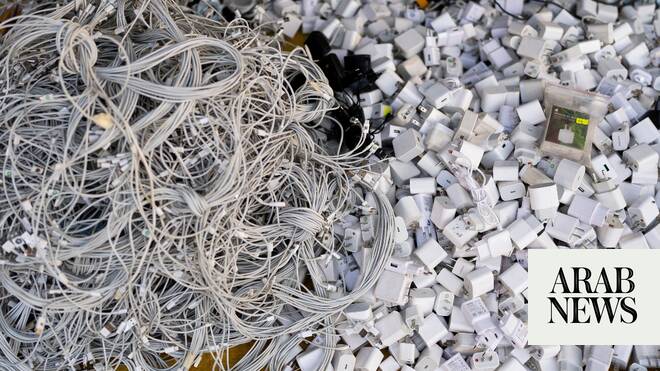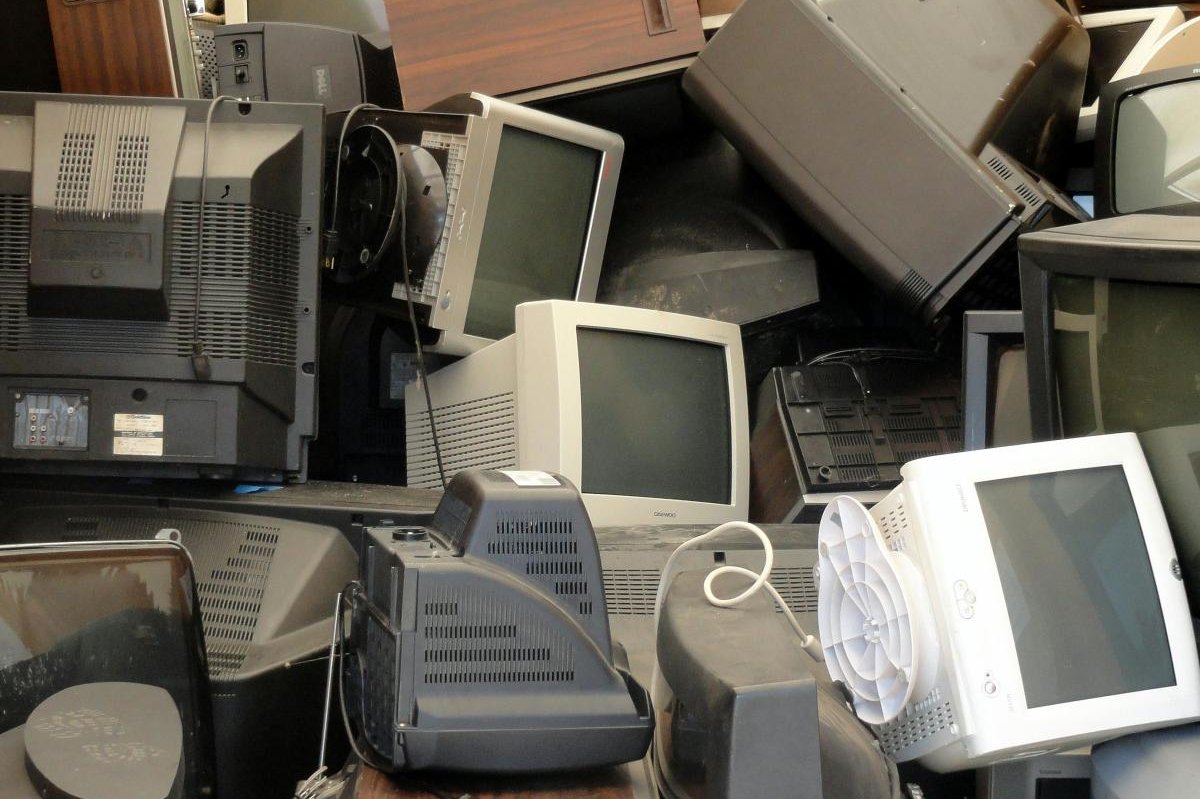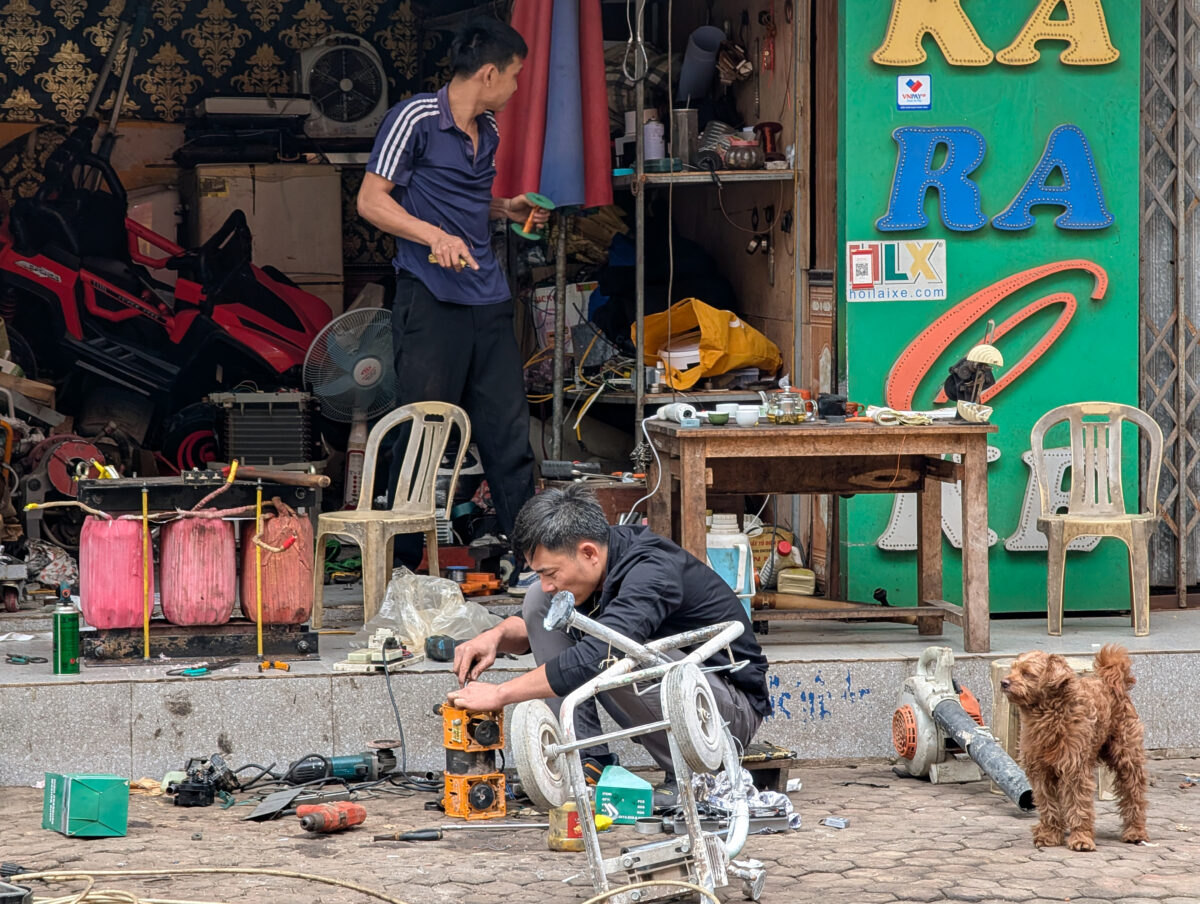
In Nhat Tao market, Ho Chi Minh City’s largest informal electronics-recycling market, workers have salvaged old computers for over two decades. With Asia Pacific governments and companies working to turn e-waste into a new channel for resource diplomacy in the region, the systems they are trying to build will depend on recycling networks across ASEAN, including markets such as Nhat Tao.
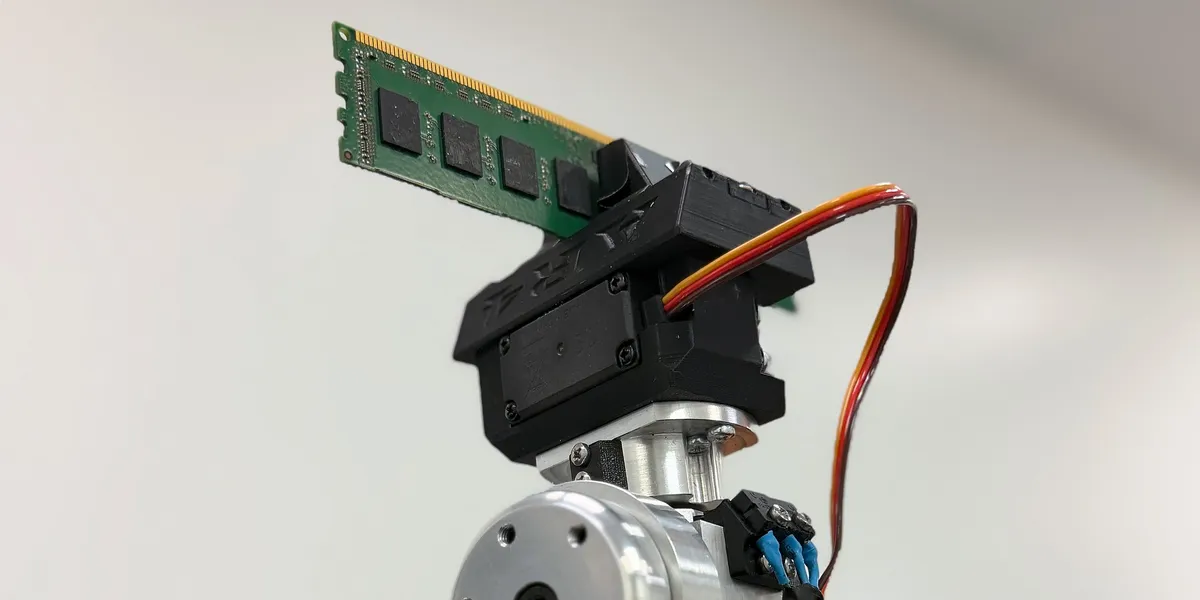
Before discarded electronics can become useful raw material for new components, someone must collect, sort and dismantle them, separate value from waste and move the material into a system trusted enough to support trade. Copper, gold, rare earth metals and battery materials can all be recycled into new components.
As e-waste becomes a credible source of strategic materials, Washington and Tokyo have an opening to build resource security through ASEAN systems. In 2022, ASEAN generated 4.4 million tonnes of e-waste, including 516,000 tonnes in Vietnam. Vietnam is particularly important because it combines a large informal e-waste supply stream with a clear diplomatic opening, given its involvement in existing discussions with the United States and Japan over collaboration on electronics recycling. But this initiative lacks the foundations to support a more concrete system.