Extortion, both official and unofficial, is now commonplace in Nigeria. Many Nigerians have been extorted at one point or another, with just as many Nigerians participating in extorting others. This social disease is especially endemic to Nigerian public and civil servants. Many of them, not content with their salaries, seize every opportunity they have to extort Nigerians.
The Economic and Financial Crimes Commission (EFCC) and the Independent Corrupt Practices Commission (ICPC) were established to fight economic and financial crimes in Nigeria. So it was truly ironic when sometime last month Musa Aliyu, SAN, the chairman of the Independent Corrupt Practices Commission (ICPC), ran into some policemen who were clearly oblivious of his identity and proceeded to extort him to the tune of N53,000. The act promptly landed them in hot water. But it was only because they ran into someone in a position to take it up.
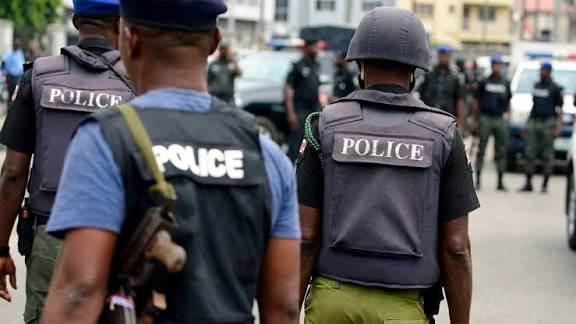
Every day, the Nigerian police extort many Nigerians. This stubborn streak of extortion, which runs deep in the Nigeria Police, is as subtle as it is systemic. Usually when a complainant reports a case to the police, the extortion begins. They are often asked to bring money for all manner of things. When the suspect is arrested, the police also begin to collect money from them.